
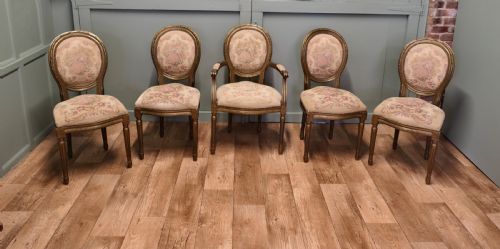
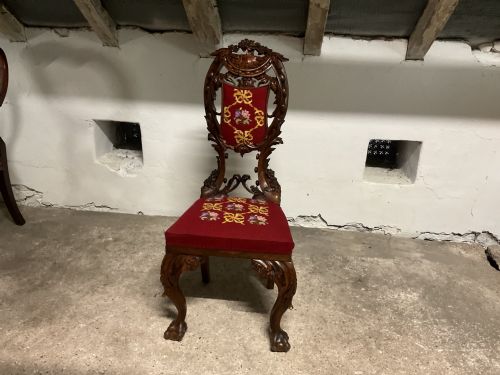
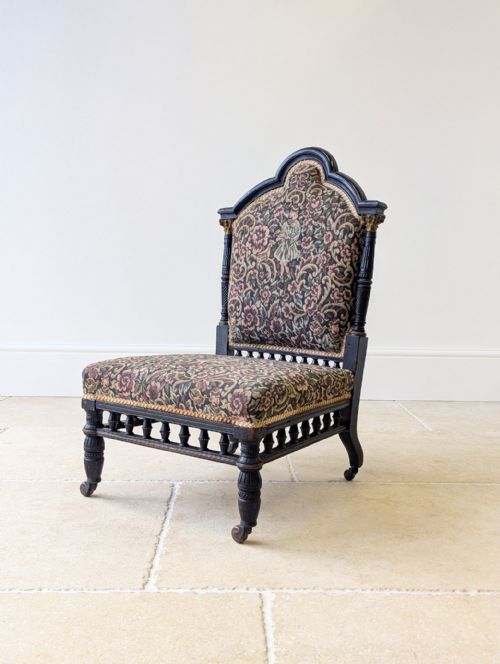
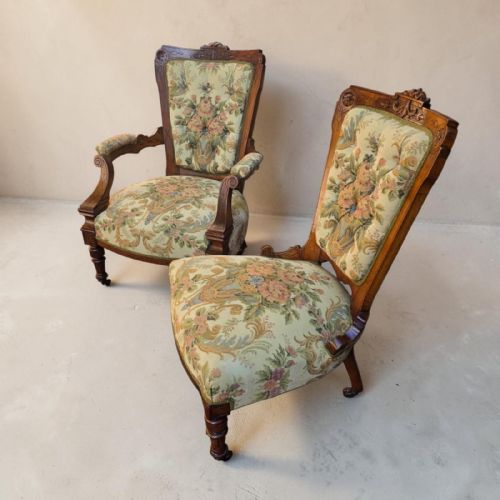
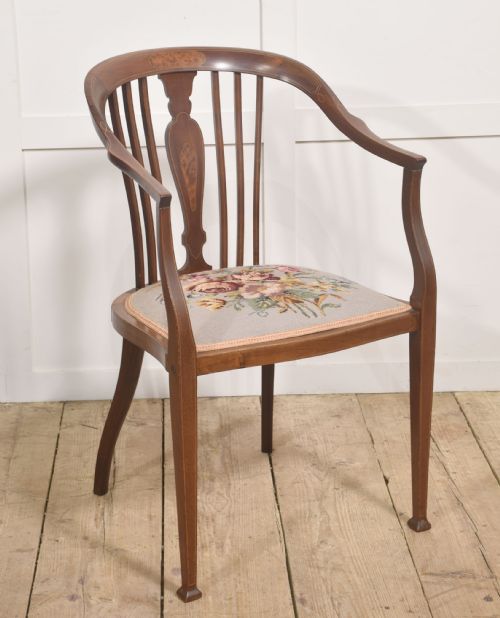


Tapestry Bedroom Chair
A tapestry bedroom chair brings traditional textile artistry and comfortable seating together into private living spaces.
Tapestry Bedroom Chair
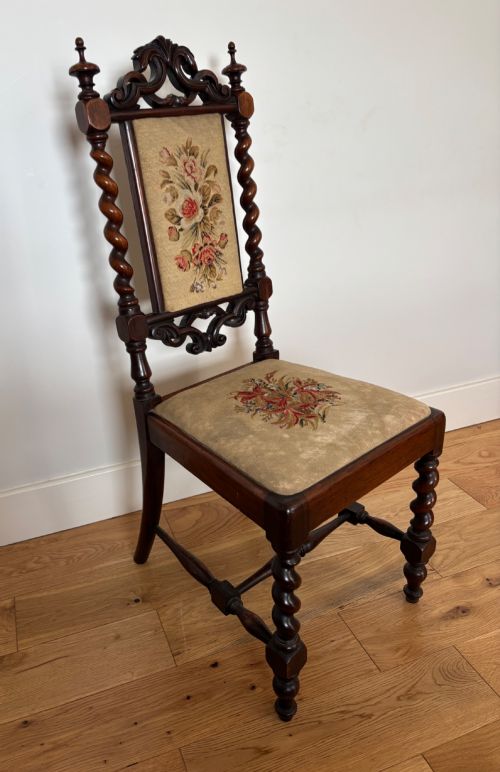
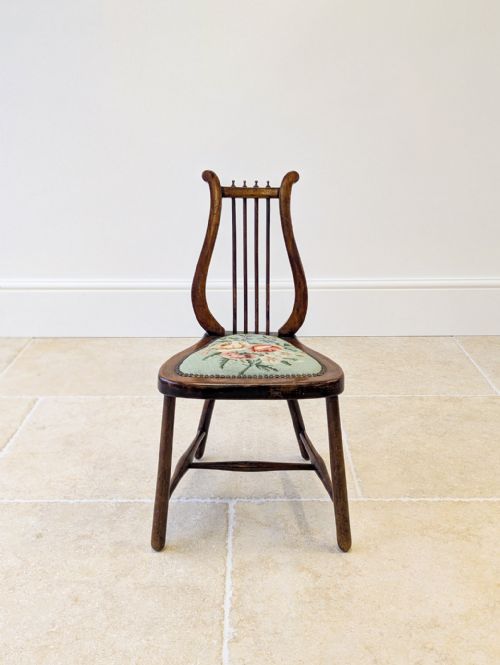
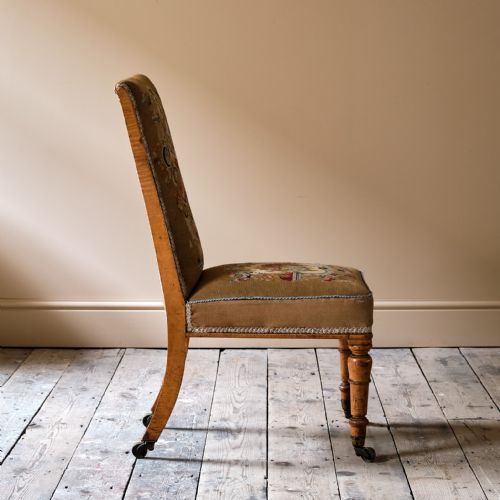
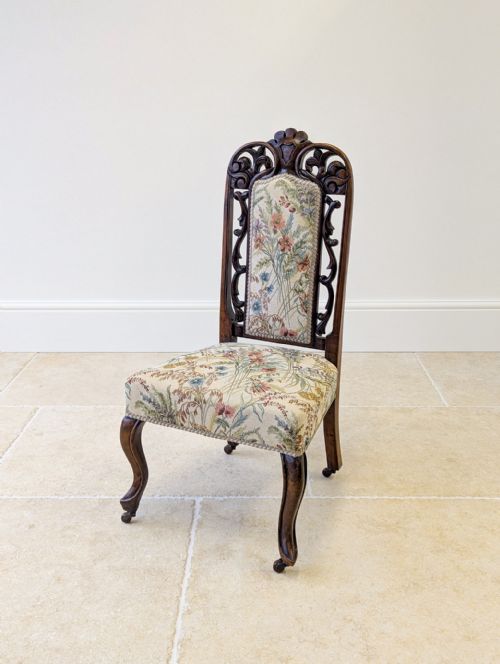
A tapestry bedroom chair encompasses low-slung occasional seating, nursing chairs, slipper chairs, and intimate salon pieces designed for personal chambers. These smaller seats often feature low backs and upholstered frames suited for dressing rooms and bedrooms.
The selections span the Victorian and Edwardian eras, incorporating nineteenth-century forms alongside early twentieth-century interpretations. Examples range from simple mahogany and walnut frames to elaborately carved rosewood and beech structures.
Makers utilised various stylistic influences, including Victorian Rococo Revival, Aesthetic Movement, Louis XVI, and Regency designs. The resulting seating combines sturdy wooden framing with decorative textile panels.
Materials and construction
Frames rely upon traditional timber construction using native and imported hardwoods like mahogany, walnut, rosewood, beech, and satinwood. Brass details and painted finishes occasionally appear alongside birds-eye maple and ebonised surfaces.
The distinguishing feature is the upholstery, utilising woven tapestry, needlepoint, needlework, and textile panels. Skilled craftspeople secured these decorative covers over padded seats and backs using traditional stuffing methods.
Tapestry Bedroom Chair Retail Price Guide 2026
Typical asking prices for tapestry bedroom chair among the pieces listed under this phrase on Sellingantiques today, from the lower quarter to the upper quarter. They describe what is for sale here now, not the wider market.
Some nineteenth-century makers thoughtfully lowered the legs on these chairs so tired Victorians could tend their footwear without losing their balance.
Craftsmanship and distinction
The refinement of the wooden frame separates standard seating from exceptional examples, observed in the depth of hand-carving and the choice of dense timbers such as rosewood or figured walnut. Finely turned legs, inlaid satinwood details, and robust structural joinery elevate individual pieces.
The execution of the textile work dictates much of the character, distinguishing tightly stitched antique needlepoint and hand-woven tapestry from simpler fabric coverings. The harmony between the proportions of the wooden frame and the intricacy of the needlework defines the overall success of the piece.
Gillows
The Tapestry Bedroom Chair Glossary
- Nursing chair
- A low-seated chair historically designed for nursing infants, featuring a compact frame well-suited for bedroom placement. These chairs often lack arms to accommodate voluminous nineteenth-century dresses.
- Slipper chair
- A low-to-the-ground upholstered chair originally used in bedrooms and dressing rooms for putting on footwear. The low profile provides a relaxed seating posture.
- Needlepoint
- A type of canvas work embroidery executed with wool yarn using a tent stitch. It forms the dense pictorial or floral panels seen on many period seats.
- Aesthetic movement
- A late nineteenth-century design current emphasising artistic expression and simplicity over heavy Victorian ornamentation. Pieces from this style often feature ebonised finishes.
- Occasional chair
- A light, moveable chair intended to be used in various rooms as needed rather than assigned to a permanent position. These pieces frequently incorporate decorative wood carving or inlay.
Tapestry Bedroom Chair: Frequently Asked Questions
Where were these chairs used?
These chairs were primarily designed for private spaces such as bedrooms, dressing rooms, and boudoirs where intimate seating was required.
Their compact proportions allowed them to fit easily beside dressing tables, fireplaces, or in corners without crowding the room.
How do I identify a Victorian piece?
Victorian examples often feature dense timbers like walnut and rosewood, paired with deep buttoning or elaborate hand-carved floral motifs.
Examining the construction methods beneath the seat and the wear on the wood helps confirm nineteenth-century origins.
What is needlepoint upholstery?
Needlepoint is a hand-stitched embroidery technique using wool yarn on stiff canvas mesh to create intricate floral or pictorial designs.
This durable textile was frequently applied to nineteenth-century chairs to add colour and texture to bedroom furniture.
How do I care for antique tapestry?
Protect the fabric by keeping the chair away from direct sunlight, which causes textile dyes to fade over time.
Gentle surface cleaning and avoiding harsh chemical treatments will help preserve the integrity of the vintage yarn.