




Painted Folk Art Chair
A painted folk art chair brings immediate character to a room through regional finishes and vernacular forms.
Painted Folk Art Chair
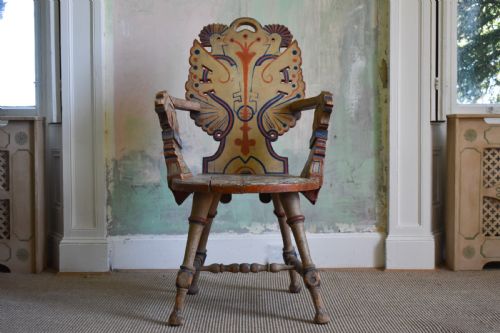
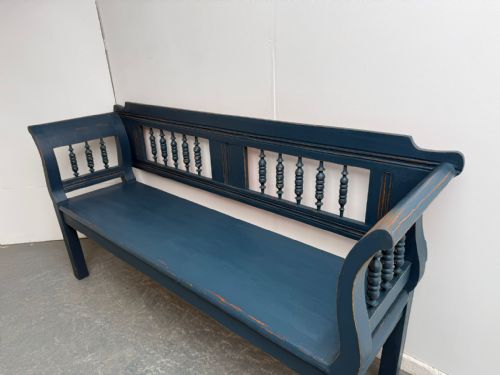
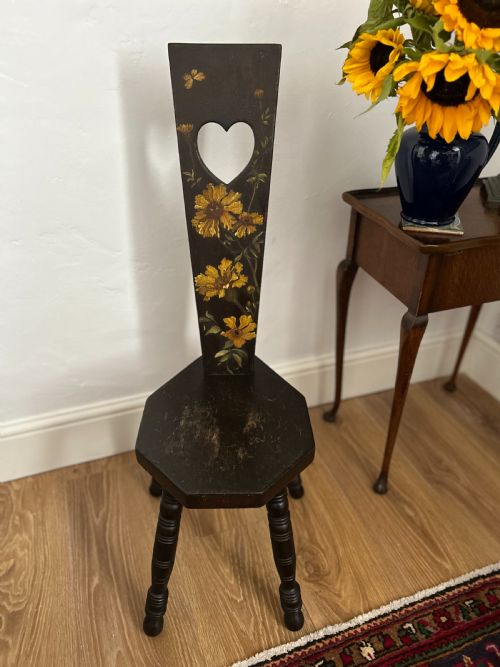
A painted folk art chair encompasses diverse seating forms created outside urban academic workshops, spanning armchairs, side chairs, rocking chairs, benches, and highchairs. When exploring this phrase, buyers frequently encounter 19th-century examples alongside Victorian and earlier regional pieces.
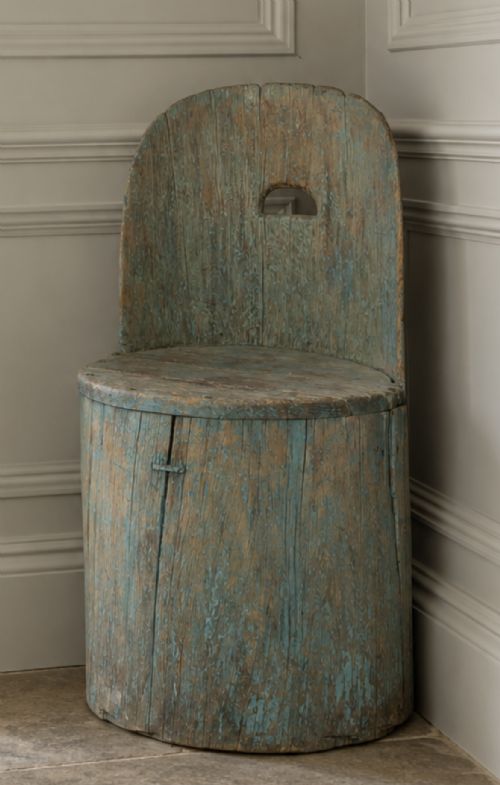
The objects originate from varied European and global traditions, including Swedish, Irish, Welsh, Hungarian, and Austrian country workshops. Forms range from heavy dug-out seats and bobbin-turned thrones to primitive ladder-backs and child-sized highchairs.
Makers ranged from local village joiners to household practitioners who decorated utilitarian seating with native pigments. These chairs served everyday domestic life in farmhouses and cottages before becoming sought-after decorative accents.
Assessing quality and character
Quality rests in the survival of the original painted surface rather than a pristine, factory-finished appearance. Unaltered, weathered layers of historic pigment carry significantly more visual depth than later repainting.
Proportion and structural honesty separate exceptional vernacular pieces from standard utilitarian seating. The best examples combine sturdy, honest construction with confident, unpretentious decoration that reflects the maker's local tradition.
Listings feature items from the 18th century, Regency period, Victorian era, and early 20th century, utilising pine, ash, and painted wood.
The Painted Folk Art Chair Glossary
- Vernacular
- Everyday objects built by local craftspeople using regional traditions rather than formal architectural or furniture designs. This approach ensures each piece responds directly to local domestic needs.
- Súgán
- A traditional seat made from twisted straw or hay rope woven tightly across a wooden frame. It offers a resilient, flexible surface found frequently on Irish country chairs.
- Bobbin-turned
- A style of turning wood on a lathe to create a series of rounded, spool-like shapes resembling bobbins linked together. It adds decorative rhythm to chair legs and structural stretchers.
- Primitive
- Describing seating constructed with basic tools and direct methods, prioritising simple utility over refined joinery. These pieces often exhibit charming irregularities in their build.
- Original paint
- The first decorative coating applied to the timber, preserved without subsequent overpainting or stripping. Collectors prize this surface for its authentic historic patina.
Painted Folk Art Chair: Frequently Asked Questions
How do I clean a painted folk art chair?
Dust the surface gently with a dry, soft cloth to remove everyday particles without disturbing the historic pigment.
Avoid using water, modern detergents, or chemical solvents, as these substances can strip fragile original paint layers.
Are these chairs comfortable for daily use?
Many of these pieces were built for specific domestic tasks rather than long periods of relaxation, so ergonomics vary widely.
Adding a simple loose cushion can improve comfort while protecting fragile antique seats from direct daily wear.
How can I tell original paint from later decoration?
Original surfaces typically show natural craquelure, fading, and wear patterns consistent with age and use.
Modern overpainting often feels too uniform or sits heavily on top of the timber without the integration of historic wear.