

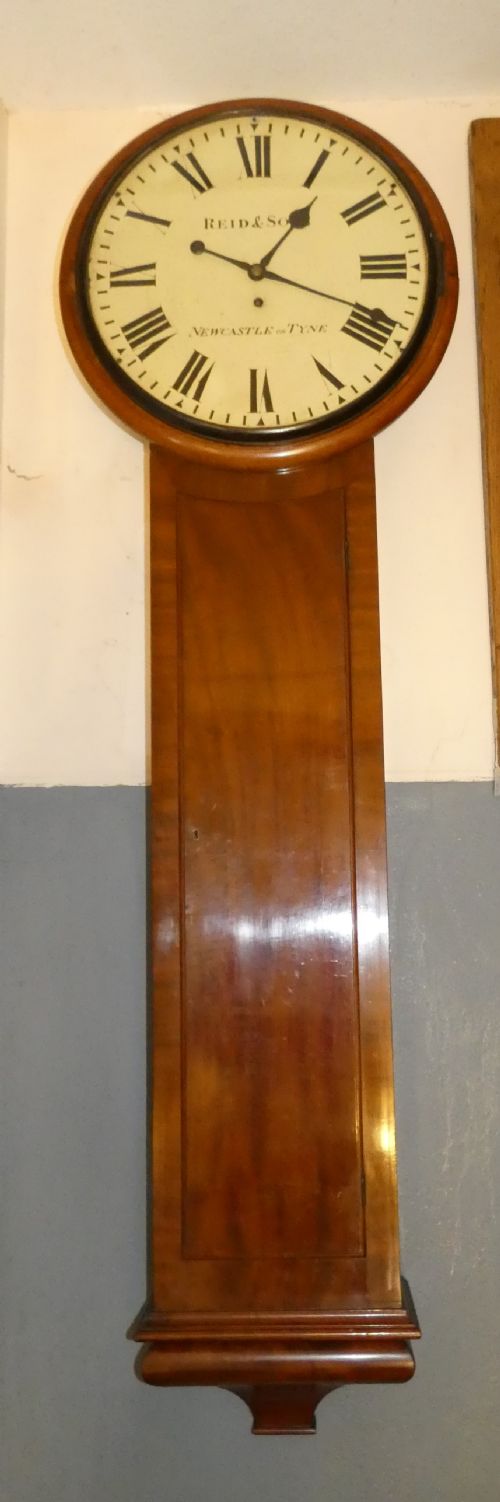


Antique Railway Timepiece
An antique railway timepiece carries the heavy punctuality of the Victorian and Edwardian lines, built for station masters and guards.
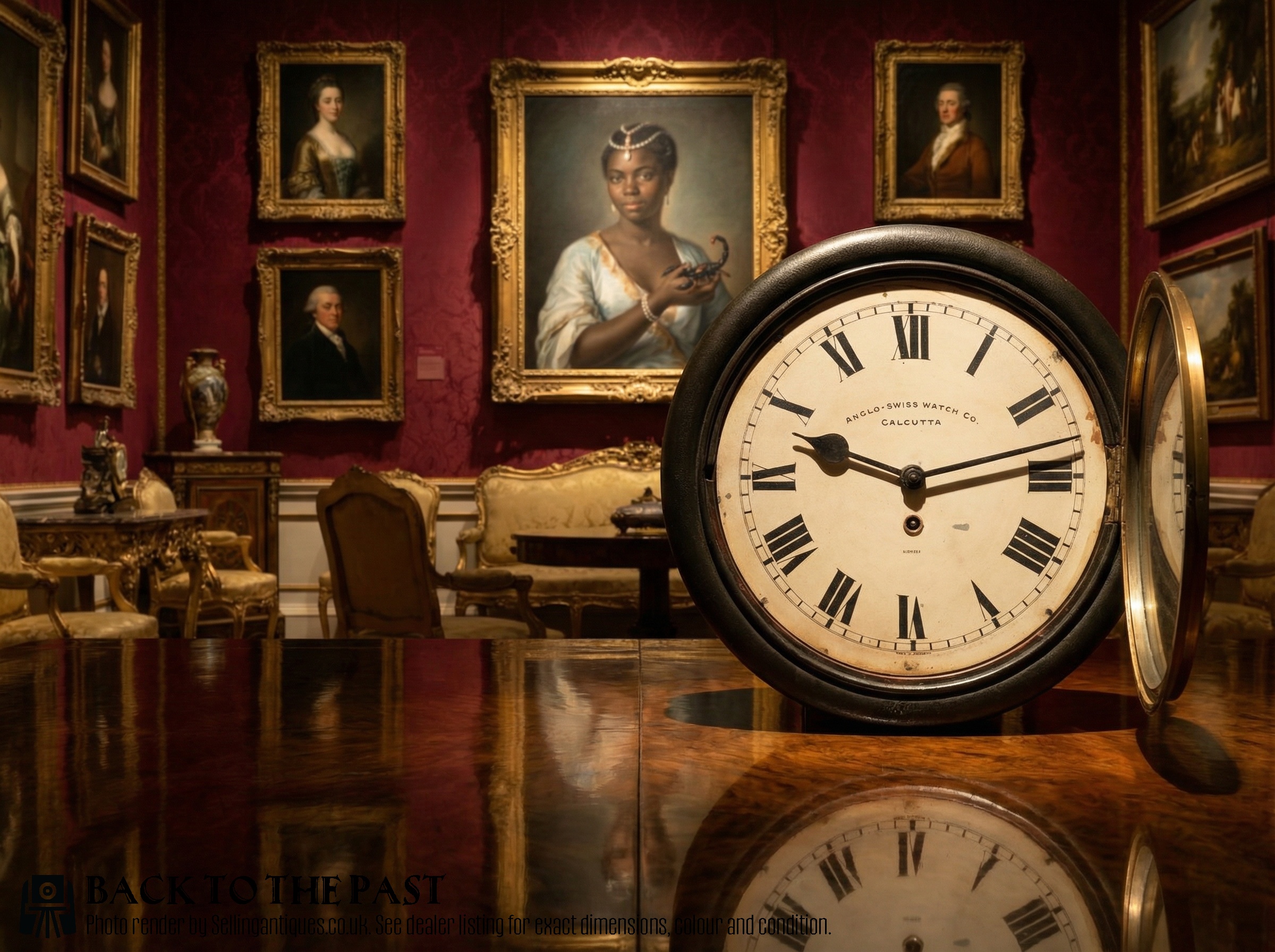
Antique Railway Timepiece
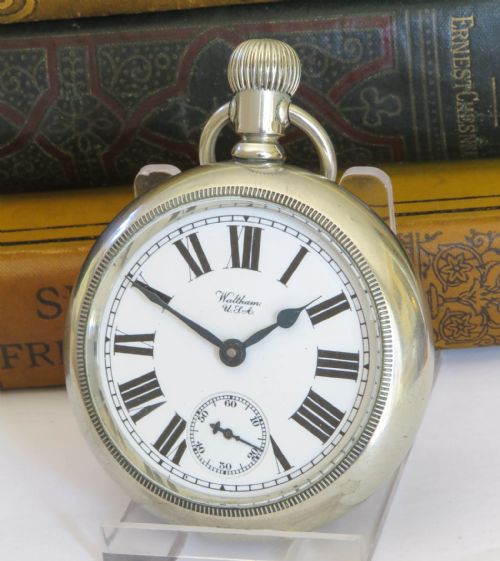
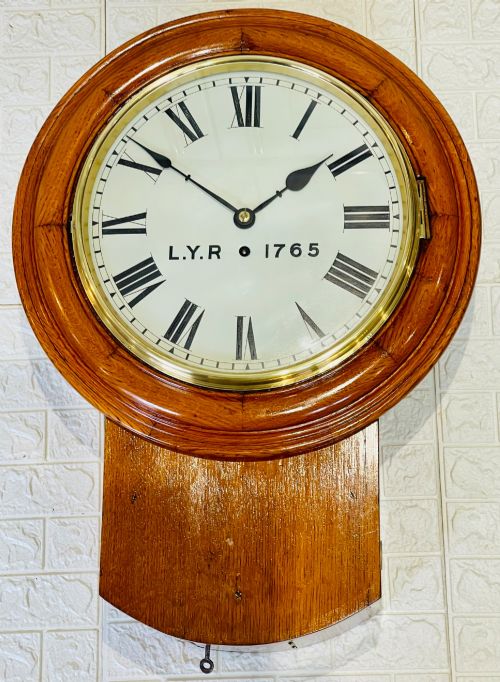
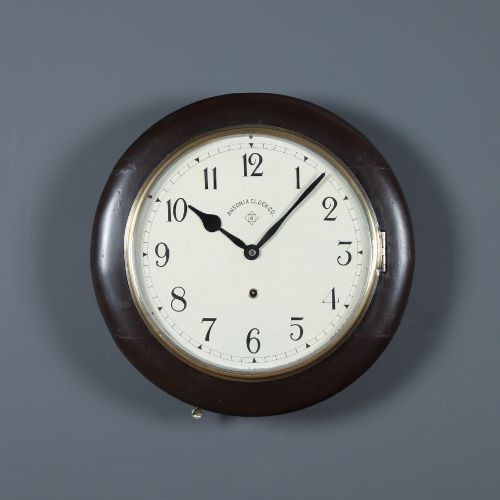
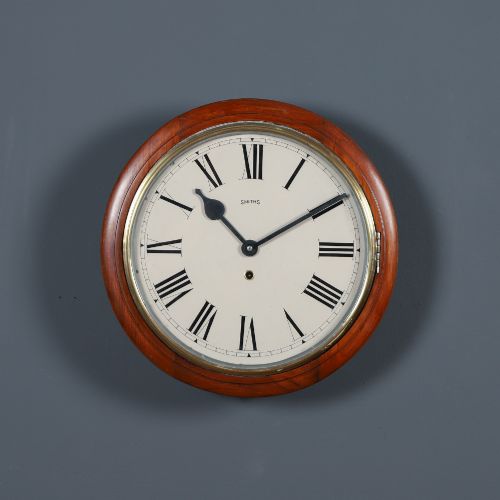
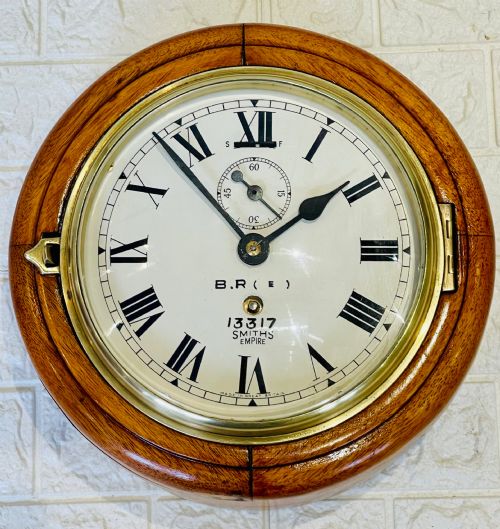
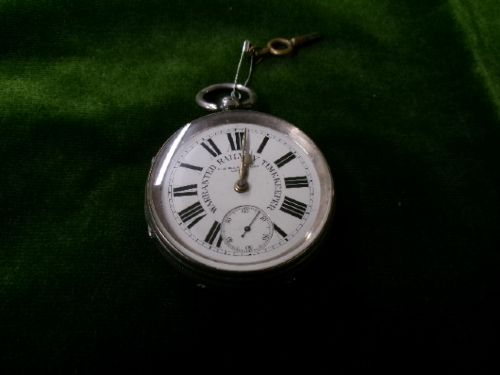
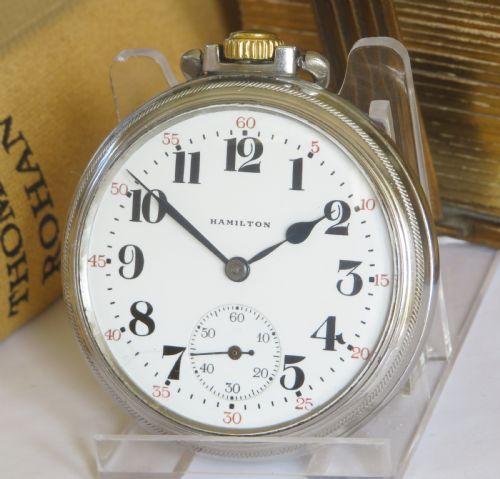
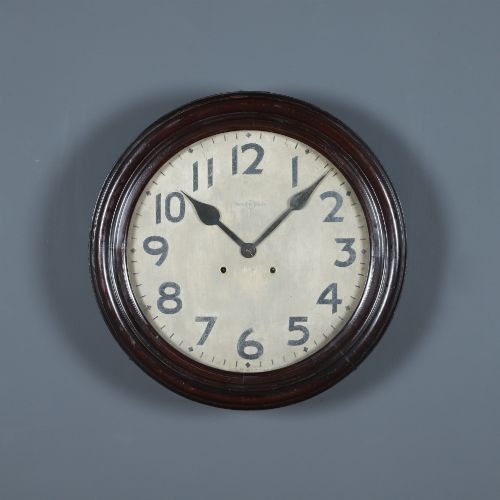
An antique railway timepiece encompasses robust pocket watches and large round dial wall clocks issued to transport networks. Buyers seeking an antique railway timepiece encounter heavy mahogany wall clocks alongside silver and nickel pocket watches.
The wall clocks frequently feature fusee movements housed in timber frames, designed to hang in station offices and booking halls. Pocket watches bear company stamps from regional operators, linking them directly to specific lines.
Victorian examples dominate the selection, though pieces stretch from the mid-nineteenth century through the mid-twentieth century. These objects served utilitarian roles, ensuring the synchronisation of trains across Britain and beyond.
Materials and construction
Timbers such as mahogany and oak form the robust cases of wall clocks, designed to withstand station vibrations and temperature shifts. Brass components and fusee movements drive the mechanical precision within these heavy wooden housings.
Enamel dials provide high-contrast legibility for station staff reading the time from a distance. Pocket watch cases utilise silver-tone metal, nickel, and solid silver, protecting delicate inner mechanisms during daily transit use.
Railway timepieces often carry invisible scars from station masters who tapped the glass with pocket watch chains to hurry the hands.
Assessing quality
Quality rests in the sophistication of the internal movement, particularly the presence of a fusee mechanism ensuring steady tension as the mainspring unwinds. Original maker signatures on the dial, such as John Walker or regional railway company initials, elevate a piece significantly.
The choice of housing timber and the clarity of the enamel dial define the visual standing of wall clocks. Untouched company markings and documented provenance linking a watch to a specific route distinguish standard timepieces from notable examples.
John Walker·Ansonia·Smiths·Elgin·H W Bedford London
The Antique Railway Timepiece Glossary
- Fusee
- A conical pulley used in clock movements to equalise the torque of the mainspring as it winds down. This mechanism maintains consistent force and improves timekeeping accuracy.
- Drop dial
- A wall clock case featuring a circular dial above a short trunk or box used to enclose the pendulum. This form allowed large movements to fit neatly on station walls.
- Enamel dial
- A metal face fused with powdered glass powder under high heat to create a smooth, durable white surface. Railway clocks relied on these for clear legibility.
- Timepiece
- A clock or watch that indicates the time without including a striking or chiming mechanism. Many station clocks kept simple time for practical scheduling.
- Regulator
- A precision clock designed to keep exceptionally accurate time, often used as a standard against which other clocks were set. These feature high-grade movements.
Antique Railway Timepiece: Frequently Asked Questions
How do I wind a fusee wall clock?
Use the designated key in the dial winding hole, turning it gently until resistance indicates the mainspring is fully tensioned.
Avoid over-winding, as antique springs can snap under excessive force.
What is a fusee movement?
A fusee is a conical gear connected by a chain to the mainspring barrel, evening out the power delivery as the clock runs.
This ensures consistent accuracy throughout the winding cycle.
Where were these clocks displayed?
Wall clocks hung in station masters' offices, ticket halls, and operational control rooms across the rail network.
Their robust timber cases protected them from coal smoke and vibrations.
How do I identify a railway pocket watch?
Look for company engravings, issue numbers, or supplier names inscribed on the case back or dial.
Railways issued these to guards and drivers to ensure strict adherence to timetables.