


Antique Provincial Silver
Antique provincial silver brings together regional smithing, local assay marks and traditional forms made outside major capital cities.
Antique Provincial Silver
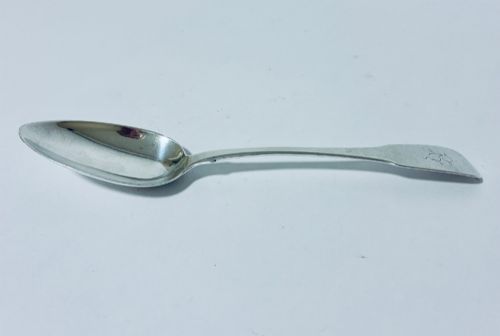
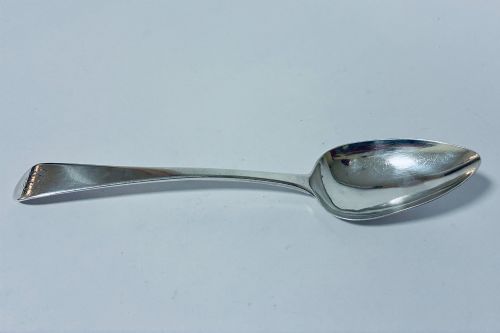
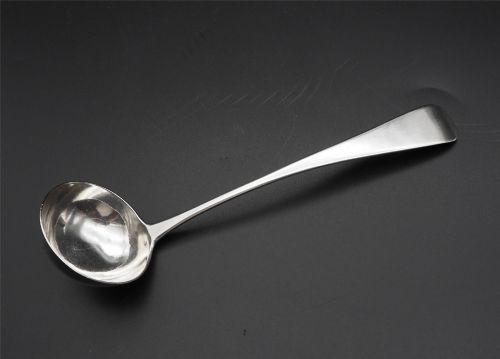
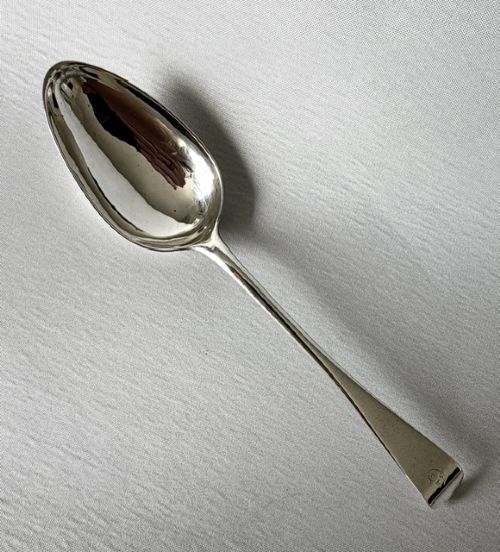
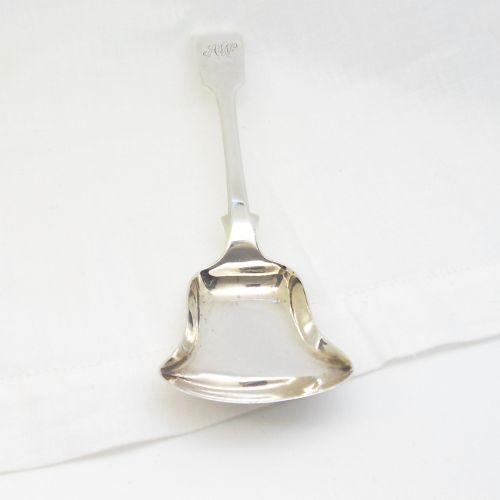
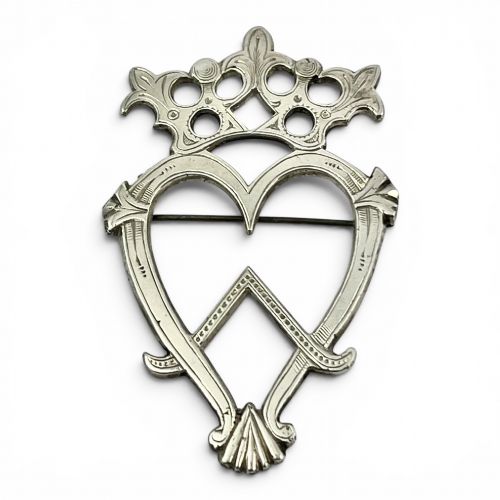
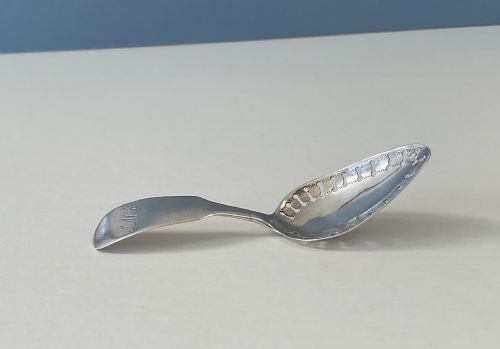
The objects vary from domestic table silver such as sugar shovels and tankards to decorative items like horn page turners and agate brooches. Many pieces bear marks tied to specific towns such as Aberdeen, Inverness, Glasgow, Newcastle and Exeter. This regional focus gives each survivor a distinct character rooted in the community where it was hammered and engraved.
How they were made
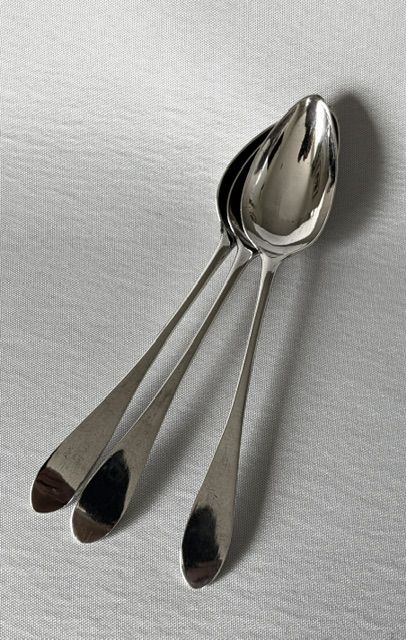
Makers fashioned these pieces predominantly from sterling silver or standard silver, occasionally combining the metal with organic materials like horn, wood, glass or agate. Smithing techniques involved hammering ingots into flat sheet or drawing wire, then shaping spoons, ladles and hollowware by hand.
Engraving and chasing added surface detail, from simple crests to intricate scrollwork and Celtic motifs. Regional smiths relied on local punches to mark their work, often using town marks alongside maker initials rather than full capital assay office symbols.
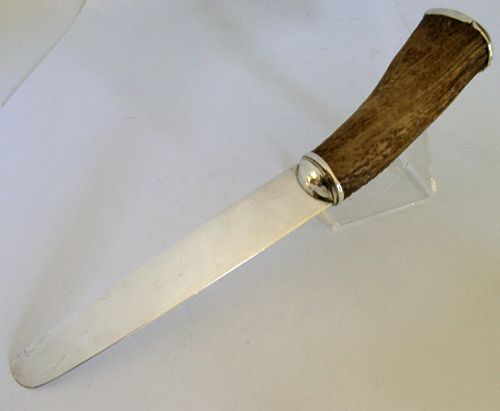
A Scottish Inverness page turner carved from natural horn lets you read eighteenth-century correspondence with historic style.
What varies in quality
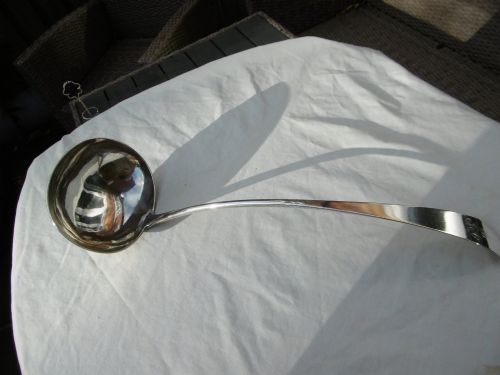
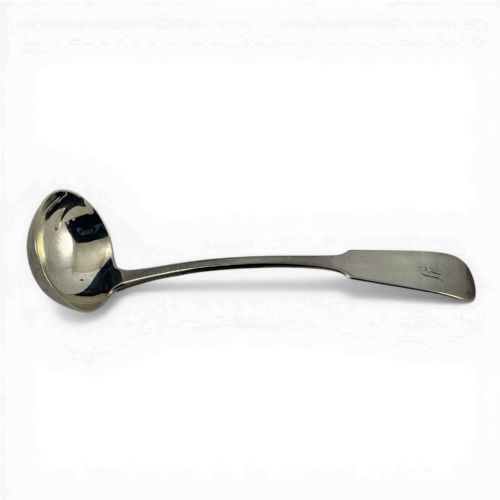
The distinction between ordinary and exceptional pieces lies in the crispness of the maker marks and the weight of the metal used. Heavier soup ladles, tankards and serving spoons retain their original gauge without excessive thinning at the bowl rim or handle junction.
Design execution and provincial character drive value. Pieces that display clear regional town marks, distinct maker attributions and untouched patination stand apart from items with worn engraving or heavy professional repairs.
Milne and Campbell·John Walton·William Ferguson·James Gordon·Jamieson and Naughton·Samuel Blatchford·John Pike·James Tait
The Antique Provincial Silver Glossary
- Provincial silver
- Silverware made and marked outside the capital city, typically bearing regional town marks and maker initials.
- Assay office
- An official body that tested precious metals and struck statutory hallmarks to guarantee the standard of purity.
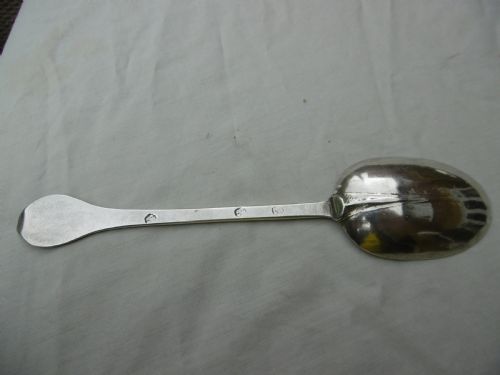
- Trefid spoon
- An early form of flatware featuring a flattened, three-lobed terminal handle popular in the late seventeenth century.
- Rat tail
- A strengthening tongue of metal extending down the back of a spoon bowl from the handle stem.
- Paten
- A small plate or dish used for serving bread during ecclesiastical services or as a domestic standing dish.
Antique Provincial Silver: Frequently Asked Questions
What is provincial silver?
Provincial silver refers to items made by smiths operating outside the main capital assay offices, such as in regional towns across Scotland and England. These makers used their own distinctive punch marks to sign their work.
Because production numbers were smaller than in major cities, these pieces often reflect local domestic habits and regional design preferences.
How do I identify provincial marks?
Regional marks usually consist of a maker's initials struck alongside a town mark, which might be a castle, a city name or a specific letter punch. These stamps differ from standard London hallmarks.
Consulting specialised reference books helps match unfamiliar town punches and maker ciphers to specific geographic locations.
Were these pieces used daily?
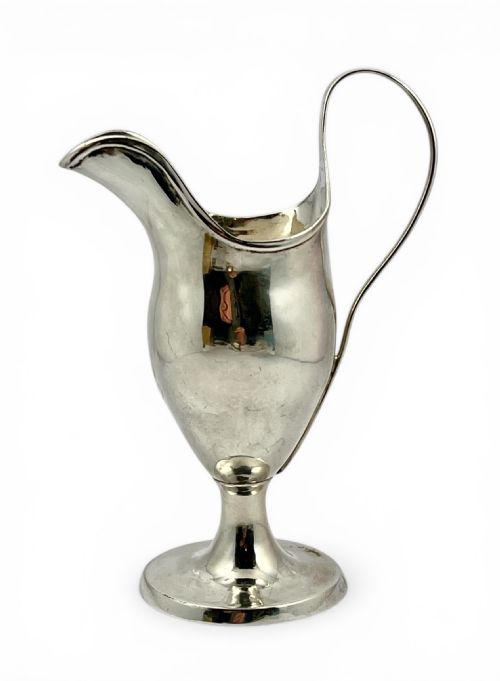
Many items were made for practical dining and household tasks, including serving spoons, mustard ladles, cream jugs and tankards. Families used them daily across generations.
Over decades of use and cleaning, the metal developed a soft patina that highlights the original hand-hammered surface.
How should I clean provincial silver?
Silver requires gentle washing with mild soap and warm water, followed by drying with a soft lint-free cloth. Harsh abrasive pastes wear down antique engraving and thin the underlying metal.
Storing pieces in tarnish-resistant cloths protects the surface from atmospheric sulfur and preserves the historic finish.