
Antique Portrait Miniature Artwork
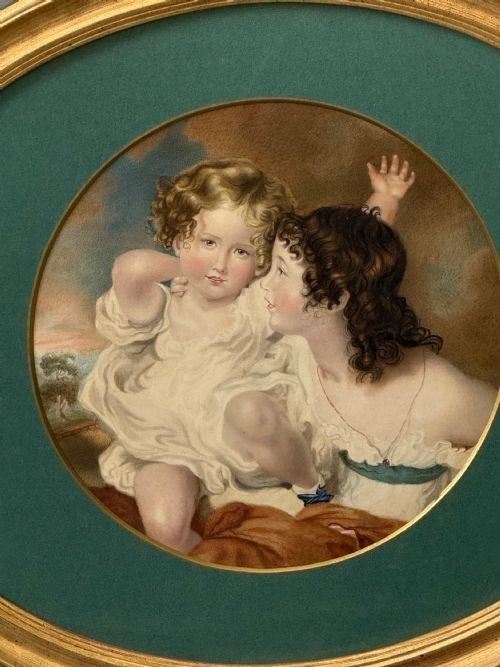
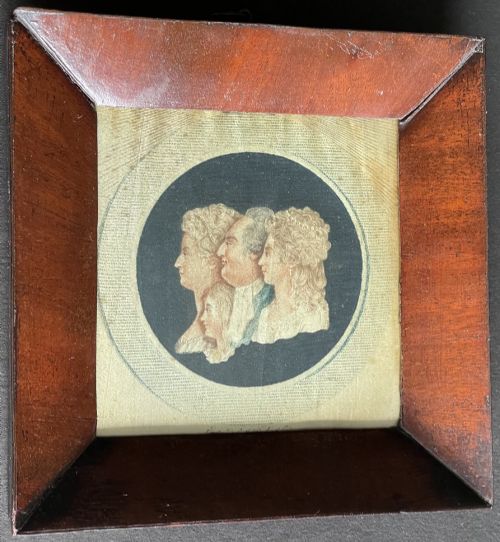
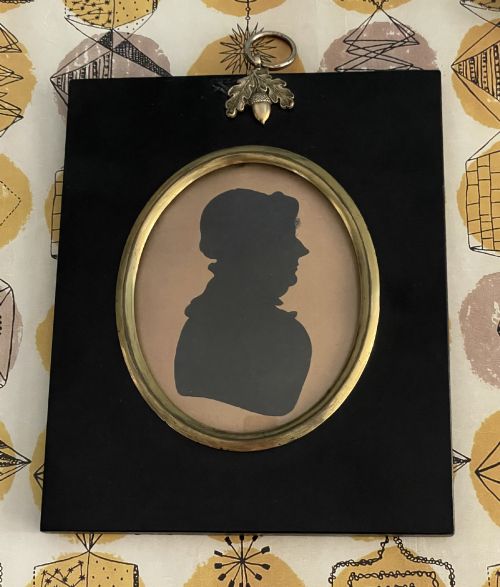
These antique portrait miniature artworks capture likenesses on a small scale, offering an intimate glimpse into past centuries through delicate painting and silhouette.
Antique Portrait Miniature Artwork
When searching for antique portrait miniature artwork, collectors encounter small-scale paintings, silhouettes, and prints dating from the eighteenth century through to the early twentieth century. The selections span Georgian, Regency, and Victorian periods, reflecting shifting tastes in personal likenesses and domestic display.
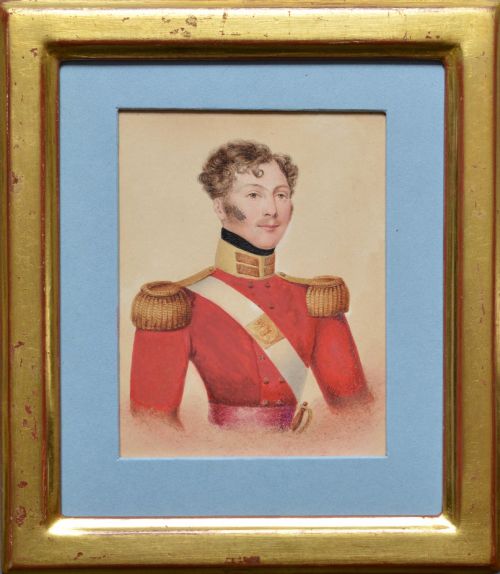
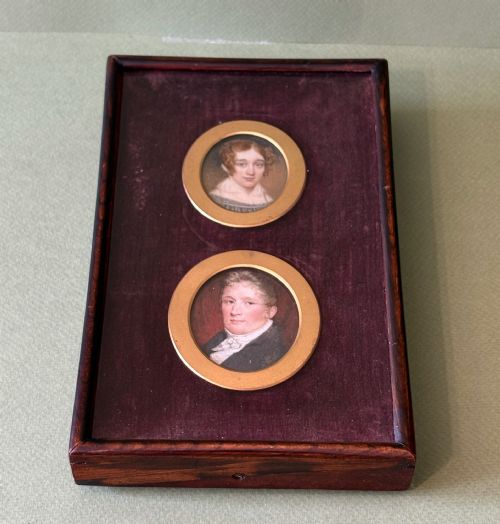
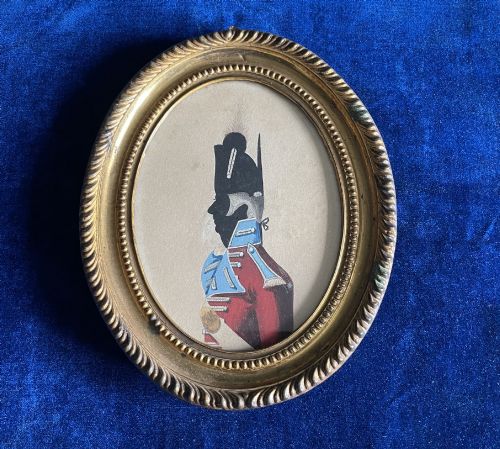
The most common forms on this page include watercolour paintings on paper or glass, cut-paper silhouettes, and delicate enamels housed in period frames. Subjects range from British military officers and country girls to romantic figures and notable historical personalities.
Origin points stretch from the British Isles to continental Europe and Mughal India, demonstrating the wide geographical spread of portrait miniature production. Works often appear singly or as pairs, captured in oval formats, ebonised surrounds, or gilded wood frames.
How they were made
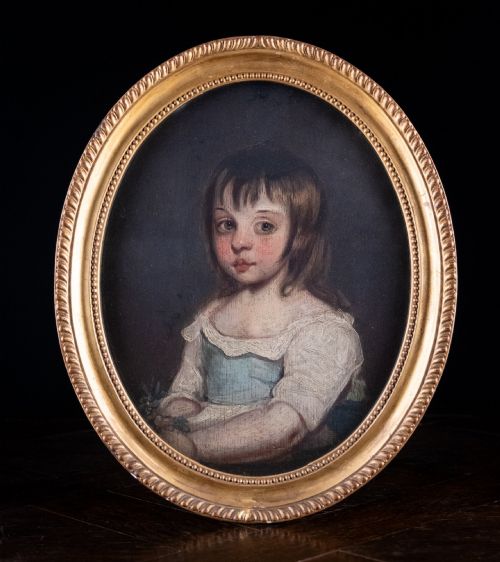
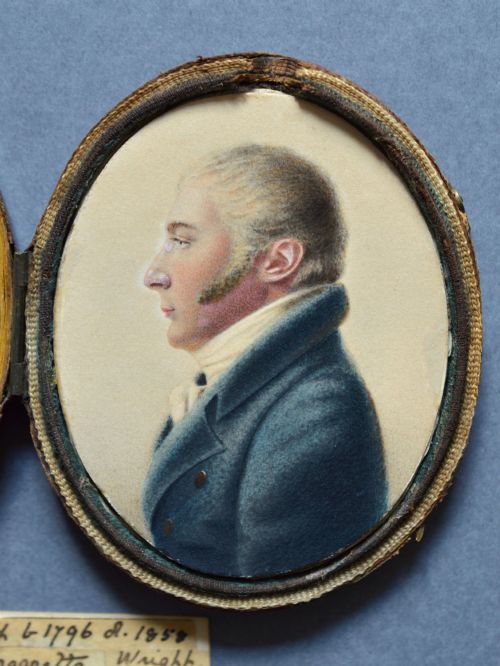
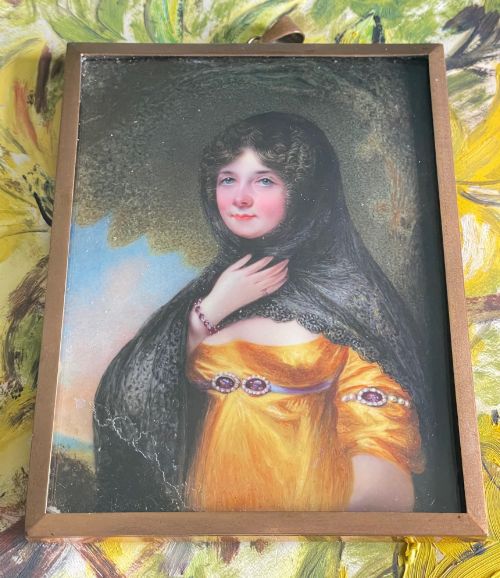
Artists painted these works using watercolours, pastel, gouache, and enamel on surfaces such as paper, glass, and vellum. Many incorporate meticulous brushwork executed under magnification to achieve fine facial details on a tiny scale.
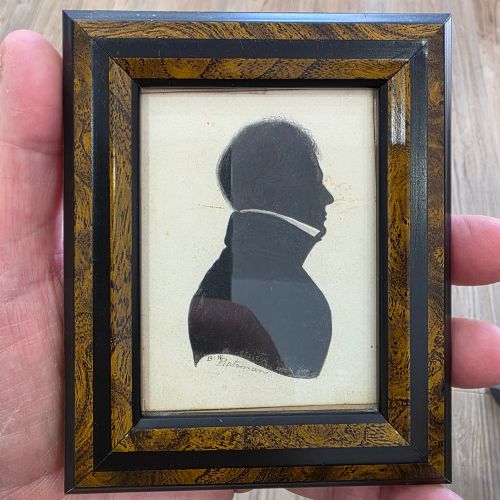
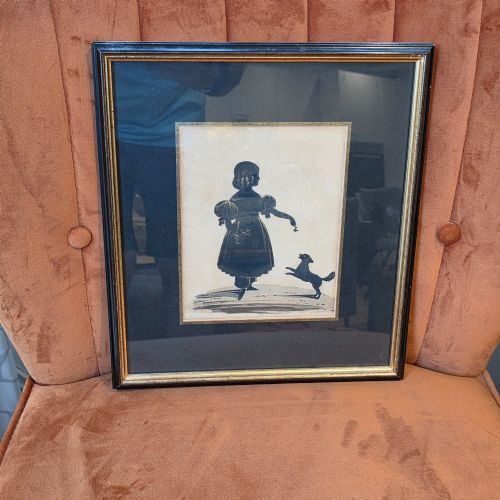
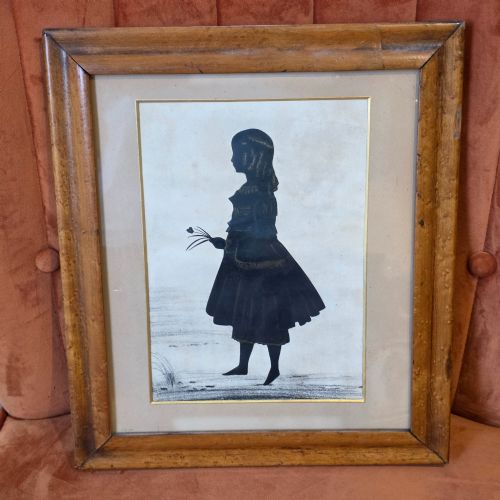
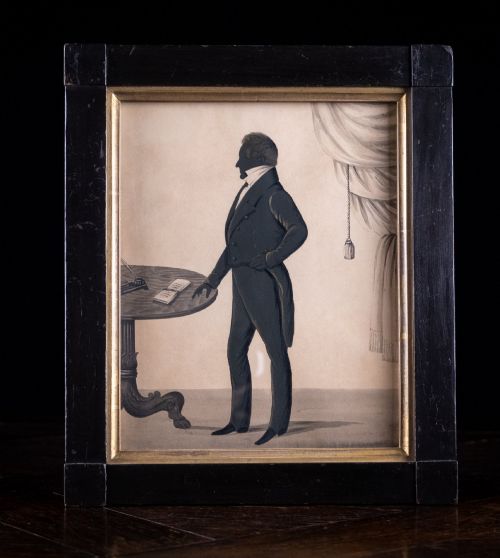
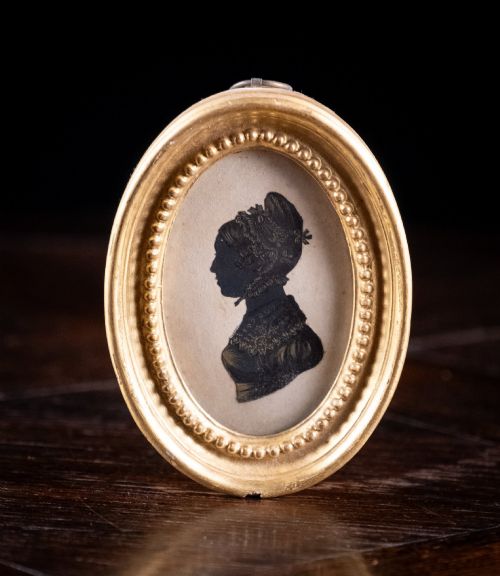
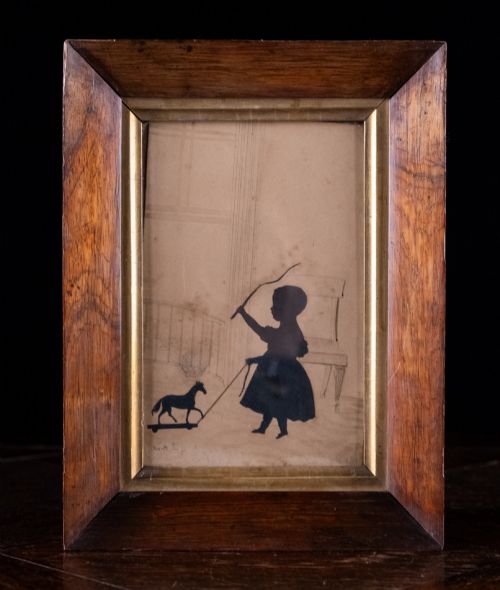
Silhouette artists utilised cut paper and ink, sometimes enhancing profiles with gold leaf highlights or painted accents. Craftsmen housed these artworks in specialised timber enclosures, utilising brass fittings, giltwood, and ebonised wood to protect the delicate surfaces.
Even horses occasionally shared the artist's focus, as seen in silhouette portraits of children accompanied by loyal pets.
What varies in quality
Quality rests upon the precision of the draughtsmanship and the psychological depth of the sitter's expression. Superior examples display confident, fluent brushstrokes or clean silhouette cutting that imparts genuine character to the small format.
The preservation of the original framing materials and the stability of the pigments also dictate standing. Pieces retaining their contemporary glass, brass work, or gilded wood frames command closer attention from discerning collectors.
William James Hubard·Horace Hone·Augustin Edouart·John Taylor·Frederick Buck
The Antique Portrait Miniature Artwork Glossary
- Silhouette
- A portrait profile cut from black paper or painted in solid dark pigments against a pale background. This technique gained immense popularity during the eighteenth and nineteenth centuries for rapid likenesses.
- Plumbago
- A drawing executed in graphite, taking its name from the Latin word for lead ore. These monochrome works often display remarkable linear detail.
- Reverse glass painting
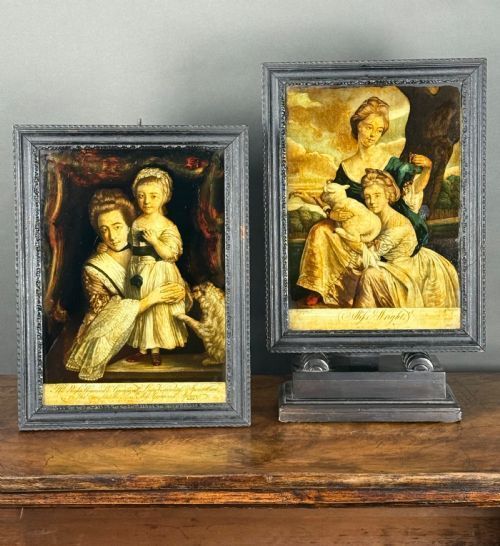
- An artwork created by applying pigments to the back of a glass panel so the final image is viewed through the transparent front. This method protects the colours from dust and fading.
- Enamel
- A durable material formed by fusing powdered glass to a metal substrate under high heat. Horace Hone and other practitioners utilised this medium for lasting miniature portraits.
Antique Portrait Miniature Artwork: Frequently Asked Questions
What materials were used for antique portrait miniatures?
Artists painted these small works using watercolour, gouache, pastel, and enamel on paper, vellum, or glass. Artisans mounted the resulting artwork within wooden frames featuring brass accents or gilt leaf.
Protective glass fronts commonly shielded the delicate pigments from environmental damage over the centuries.
How do I date an antique portrait miniature?
Clothing styles, hairstyles, and framing techniques offer the most reliable clues for dating these artworks. Regency sitters often wear high-waisted dresses or military uniforms specific to the early nineteenth century.
Frame construction and backing materials also help narrow down the decade of production.
Were silhouettes considered portrait miniatures?
Silhouettes formed a distinct and popular branch of miniature portraiture during the Georgian and Regency eras. Artists captured profiles by cutting paper or applying dark pigment with precise skill.
These profile works were frequently mounted in small frames just like painted miniatures.
How should I display portrait miniatures at home?
Display these small artworks away from direct sunlight to prevent the fading of delicate watercolours and paper. Grouping several framed pieces together on a wall creates a striking focal point.
Maintain stable indoor humidity levels to protect the antique wood frames and paper substrates.