
Antique Porcelain Light
An antique porcelain light brings tactile warmth and historical ceramic art directly into a room through table lamps, oil lamps, and chandeliers.
Antique Porcelain Light
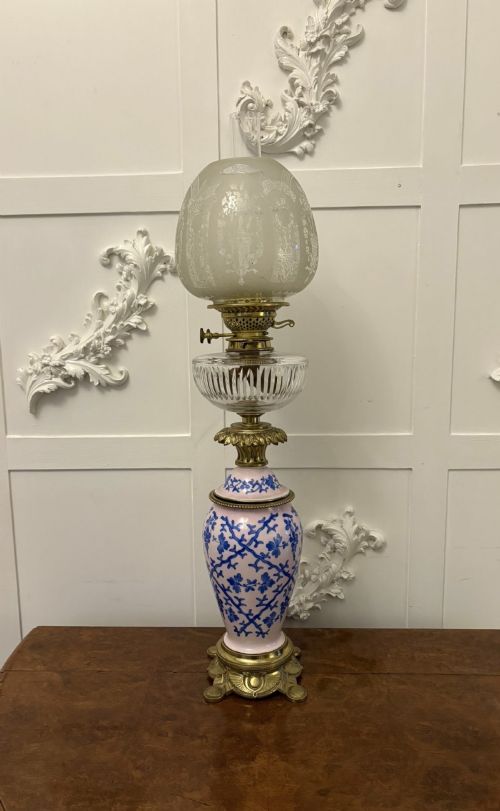
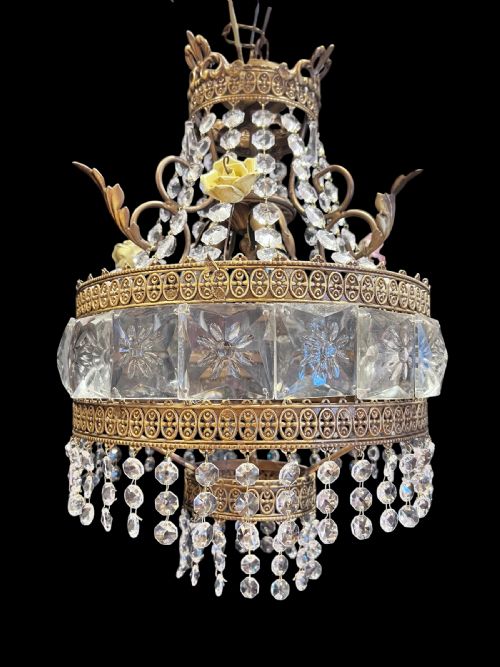
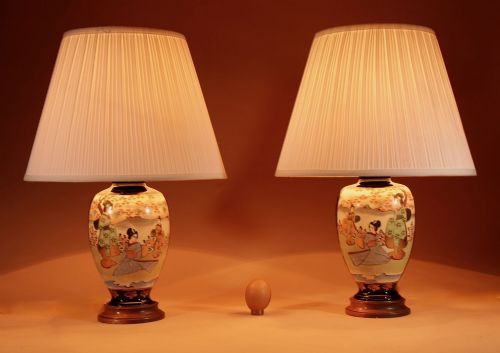
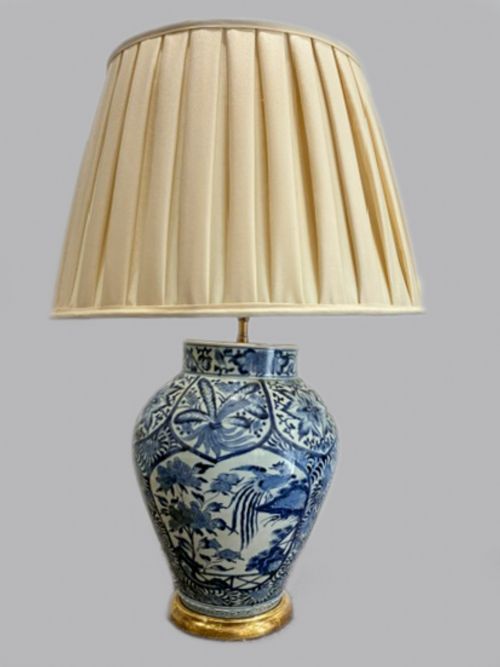
When searching for an antique porcelain light, buyers encounter a diverse array of domestic illumination fixtures ranging from converted 17th-century Japanese vases to Victorian oil lamps and 20th-century chandeliers. The selection spans numerous production centres including English factories like Royal Worcester and continental European creators such as Sevres, Meissen, and Sitzendorf.
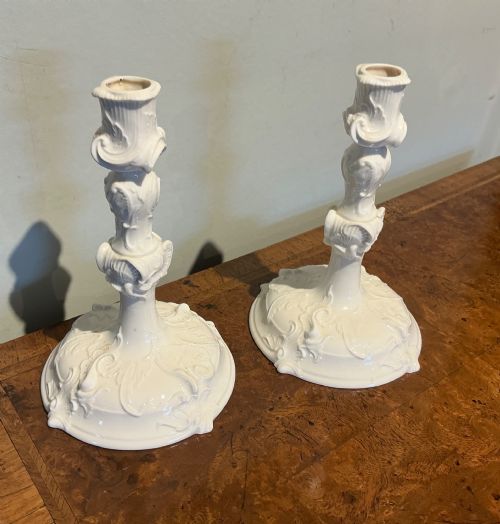
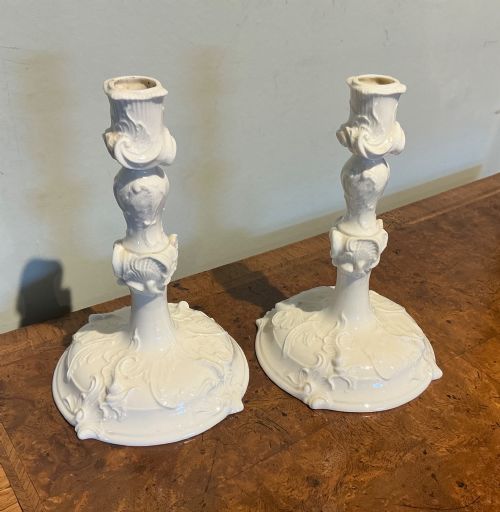
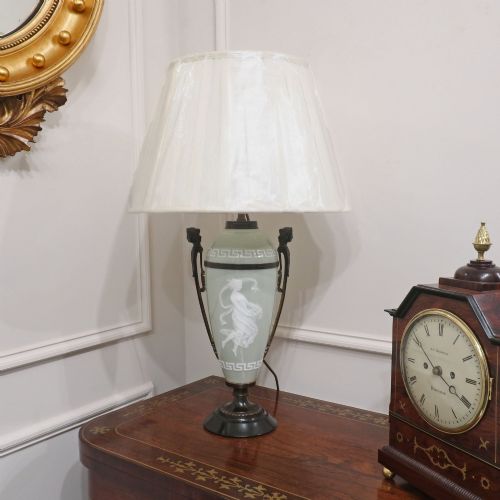
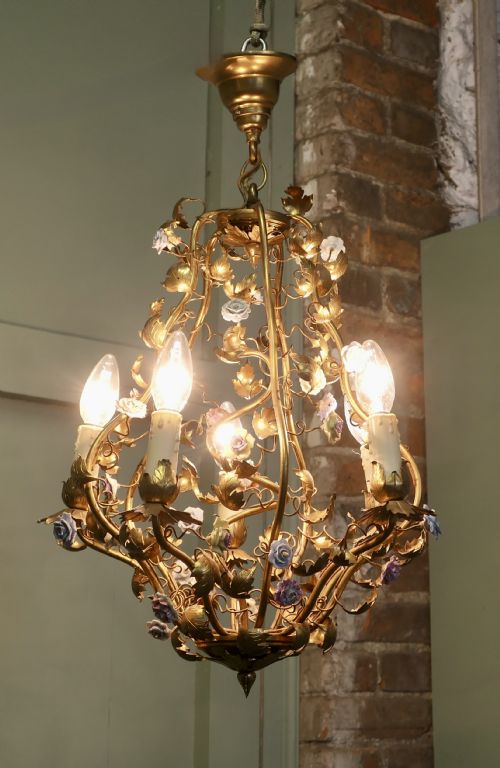
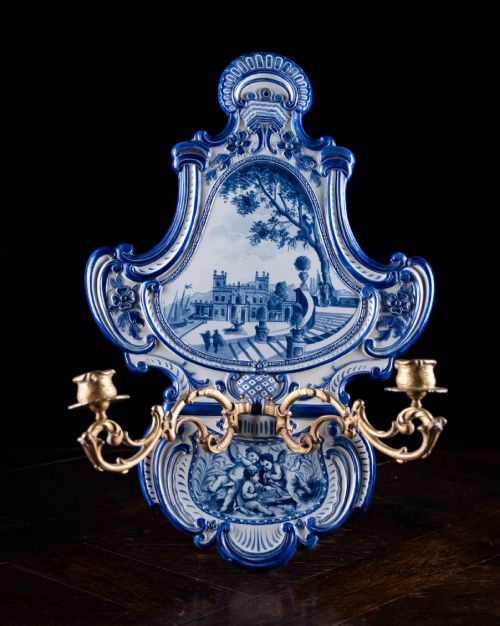
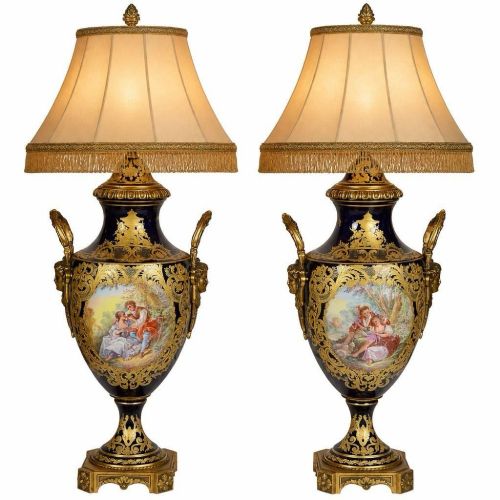
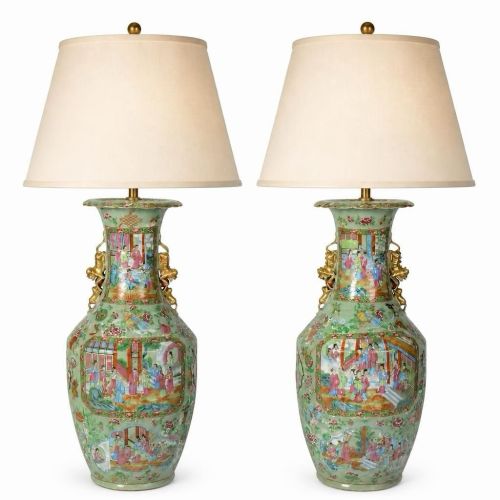
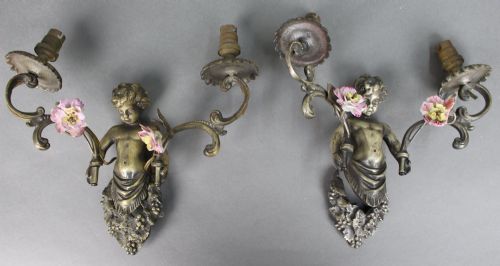
The most common forms on this page are table lamps and oil lamps, frequently paired as sets, alongside wall sconces and multi-light chandeliers embellished with ceramic flowers. Many pieces originate from earlier ceramic vessels, such as Chinese vases or jars, which were later adapted for electrical lighting or oil use.
These fixtures cross multiple periods, prominently featuring 19th-century Victorian designs alongside 18th-century and early 20th-century examples. Styles shift from French Rococo Revival and Neoclassical to Asian export wares like Satsuma, Rose Medallion, and Canton Famille Rose.
How they were made
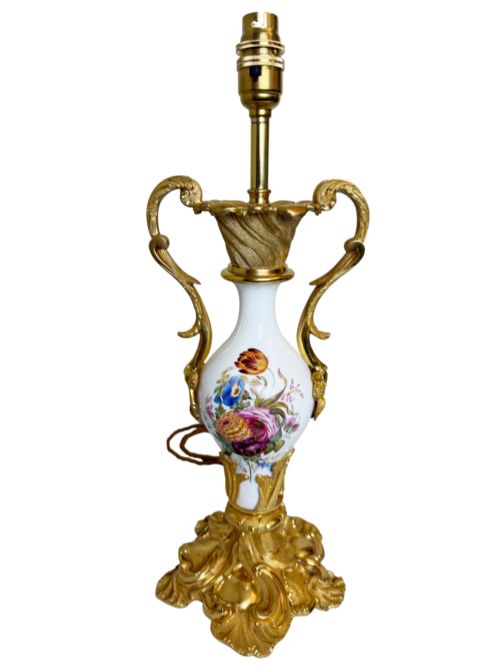
The construction of these pieces combines fired ceramic bodies with metal mounts in brass, gilt bronze, and ormolu. Artisans united fragile porcelain components with heavy cast metal fittings to provide structural stability for lighting hardware.
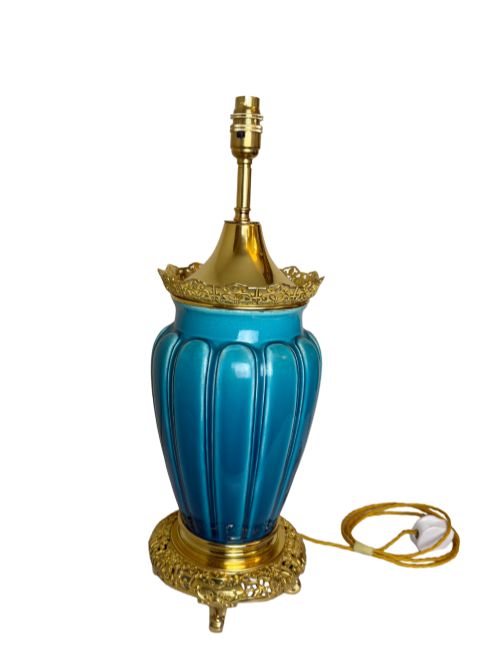
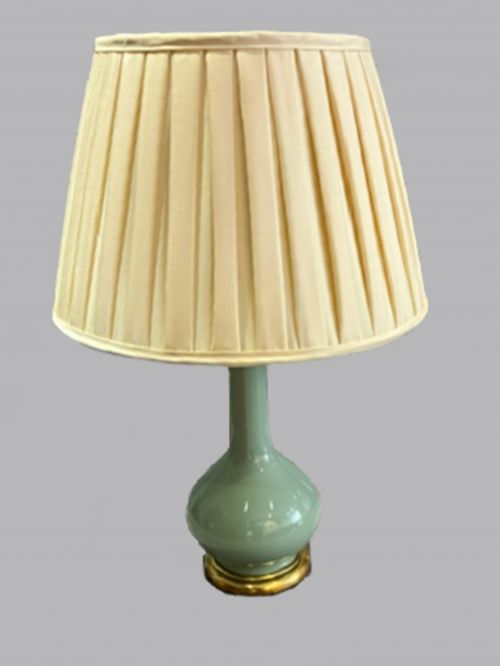
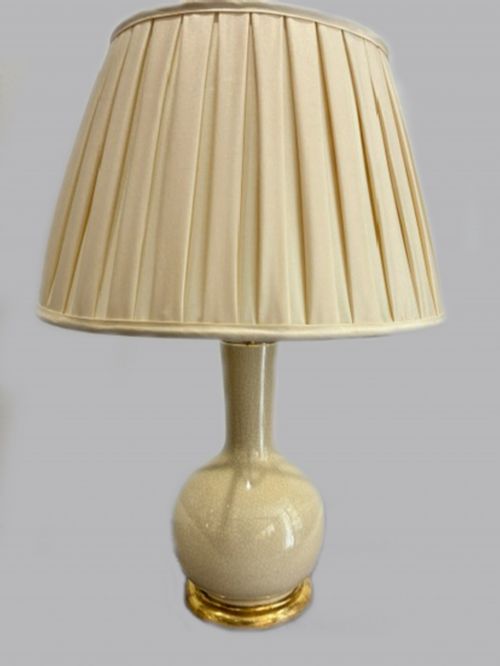
Surface decoration methods recorded in the listings include hand-painted glazes, blue and white designs, celadon, crackle ware, and pate sur pate relief work. Fabric shades and glass elements frequently complement the primary porcelain and metal structures.
Materials recorded across the listings include porcelain, brass, fabric, glass, gilt bronze, ceramic, enamel, and wood.
What varies in quality
Quality in these lighting fixtures is determined by the artistic execution of the porcelain painting, the crispness of the modelled details such as flowers and figures, and the heft of the bronze or ormolu mounts. Finer works display meticulous hand-painted details and substantial, well-cast metal components rather than mass-produced uniformity.
The provenance of the ceramic body also dictates standing, with established European factories and authentic Asian export pieces holding higher regard than unmarked or later derivative wares. Furthermore, the skill with which a historic vase or figure was converted into a lamp impacts the overall integrity of the piece.
Nymphenburg·Villeroy and Boch·Sevres·Sitzendorf·Royal Worcester·Barr, Flight and Barr·Meissen·Hicks and Meigh
The Antique Porcelain Light Glossary
- Ormolu
- Gilded bronze mounts used extensively to trim and support porcelain bodies in French and English lighting fixtures.
- Pate sur pate
- A ceramic decoration technique where liquid clay is built up in layers on a dark body to create a low relief cameo effect.
- Satsuma
- Japanese earthenware or porcelain typically decorated with complex enamel and gilt patterns over a crackle glaze.
- Famille rose
- A Chinese porcelain palette distinguished by opaque pink or purple enamel colours introduced in the 18th century.
- Candelabra
- A branched candlestick holder designed to support multiple light sources simultaneously.
- Taperstick
- A small candlestick specifically intended to hold thin wax tapers used for sealing letters or lighting fires.
Antique Porcelain Light: Frequently Asked Questions
How do I date an antique porcelain lamp?
Dating relies on identifying factory marks on the base of the porcelain, the style of the metal mounts, and manufacturing techniques like hand-painting versus transfer printing. Comparing the form against known periods helps narrow down the decade of production.
Electrical wiring and conversion methods also offer clues, though many older vases were adapted for lamps long after their initial creation.
Were all these lamps originally made for electricity?
Most older fixtures started life as vases, oil lamps, candlesticks, or ginger jars before being converted to accept electrical fittings in later decades. Candlesticks and oil lamps were adapted to modern wiring to serve as functional table lamps.
This conversion process is standard practice for antique lighting and preserves the decorative ceramic body for contemporary domestic use.
How do I care for porcelain lighting?
Dust the porcelain and metal mounts gently with a soft, dry cloth to prevent the accumulation of dirt on delicate hand-painted surfaces and ormolu.
Avoid using harsh chemical cleaners or submerging mounted pieces in water, as moisture can damage old glazes and weaken historic adhesives or metal fittings.