
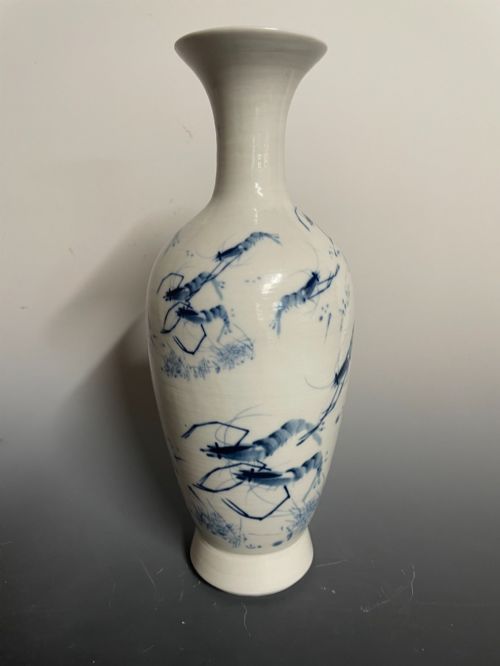
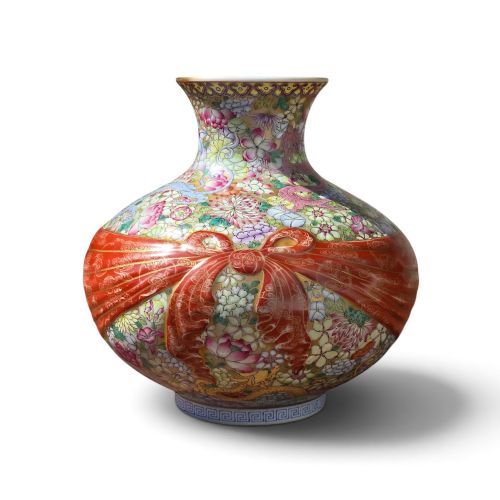
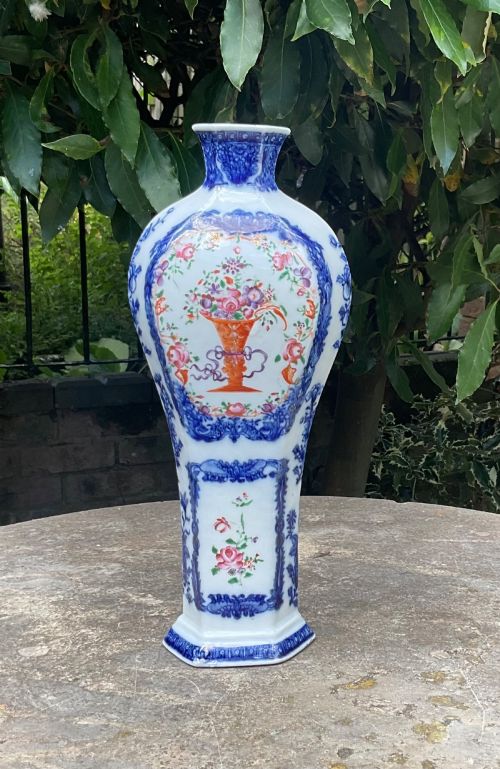
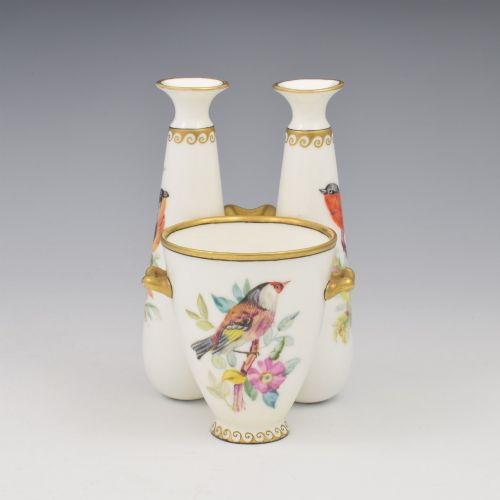



Antique Porcelain Flower Vase
An antique porcelain flower vase brings painted botanical motifs, classical forms and fine ceramic craftsmanship directly to a mantelpiece or side table.
Antique Porcelain Flower Vase
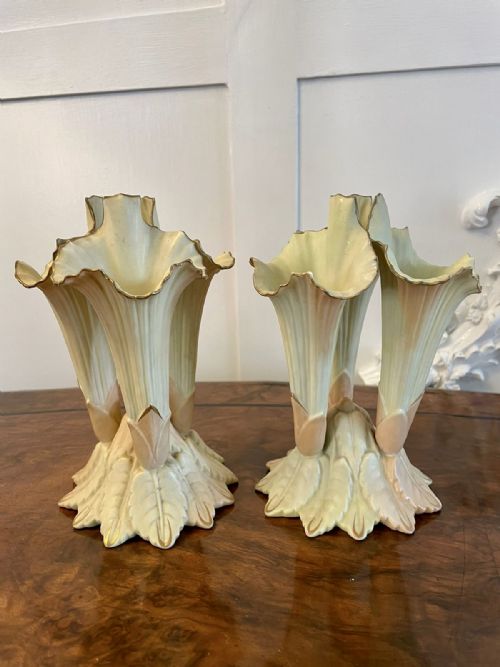
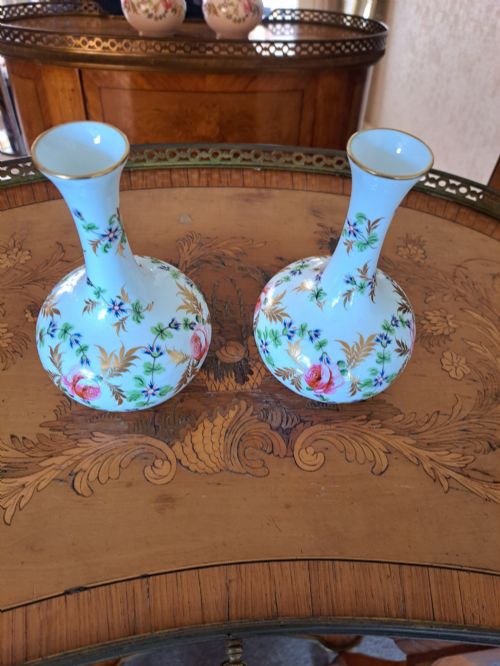
An antique porcelain flower vase serves to hold botanical arrangements while functioning as a decorative centrepiece within a room. When exploring this selection, buyers frequently encounter pieces originating from English, continental European and Asian workshops spanning the eighteenth, nineteenth and early twentieth centuries.
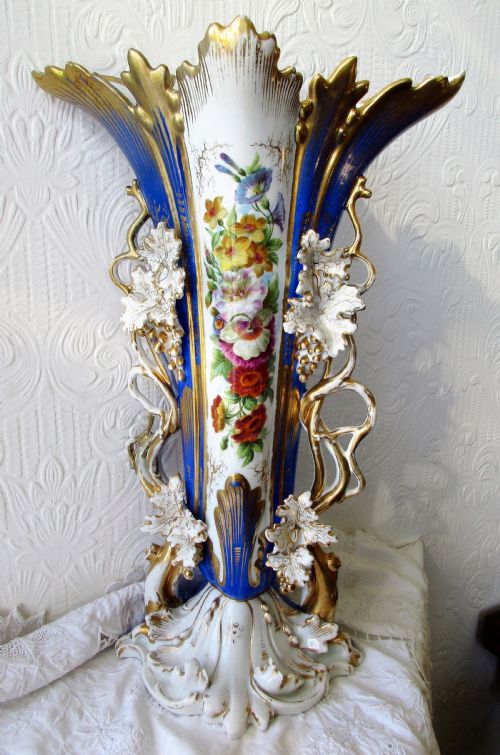
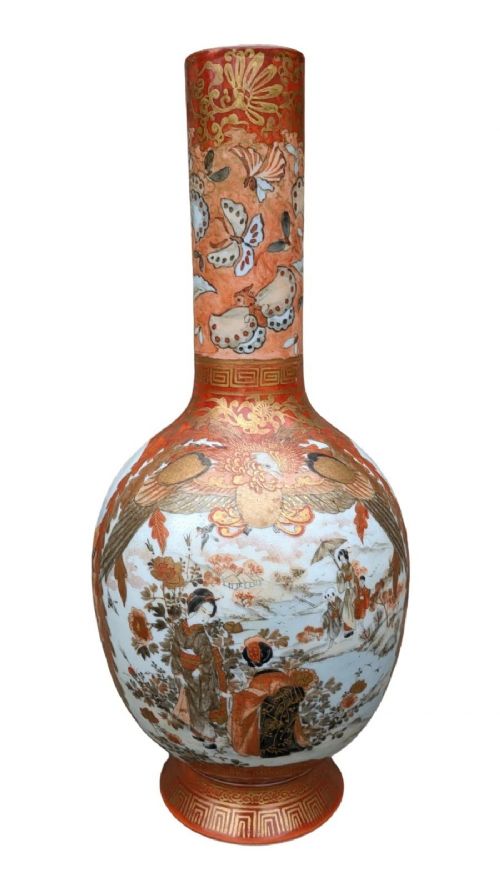
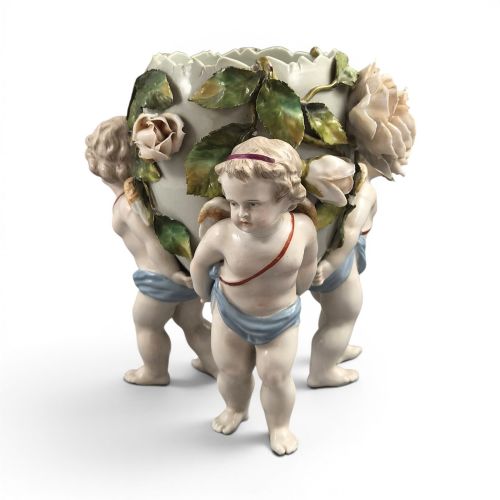
The assortment on this page includes traditional forms such as spill vases, posy holders, bud vases, lidded potpourri jars and twin-handled decorative vessels. These objects reflect various stylistic movements, ranging from Victorian and Edwardian domestic wares to Chinese Export, Japanese Kutani and French Rococo Revival designs.
How They Were Made
Potters shaped these vessels using porcelain, earthenware, ceramic and stoneware, frequently applying a smooth glaze to seal the body before decoration. Artisans then employed hand-painted enamel colours, raised white enamel, and applications of gold leaf or gilding to embellish the surface.
Many items underwent high-temperature kiln firing to set the underglaze pigments, while finer details such as floral sprays, birds and figures were added in overglaze enamels during subsequent firings.
Antique Porcelain Flower Vase Retail Price Guide 2026
Typical asking prices for porcelain flower vase among the pieces listed under this phrase on Sellingantiques today, from the lower quarter to the upper quarter. They describe what is for sale here now, not the wider market.
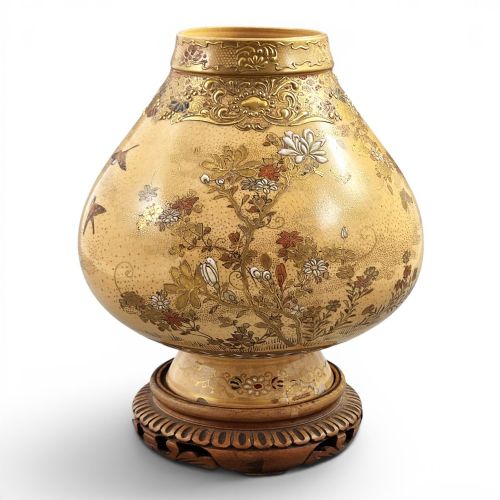
The selection includes Japanese Kutani and Satsuma wares alongside European factories utilising gold leaf, enamel and glaze.
What Varies in Quality
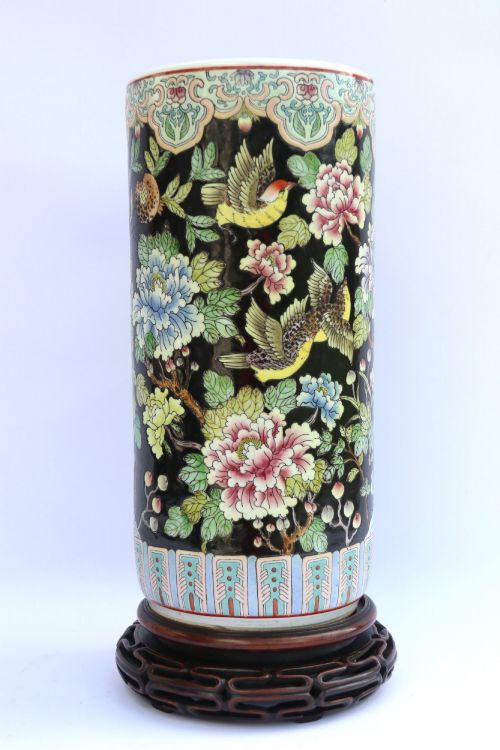
The standard of a vessel rests upon the precision of its hand-painted details and the crispness of its moulded form. Pieces featuring delicate brushwork, such as ornithological studies or intricate bird and peony motifs, demonstrate superior artisan skill compared to simpler transfer-printed wares.
The application of gilding and enamel relief work also distinguishes finer productions, where raised elements and gold leaf remain intact and sharply defined across the ceramic body.
Royal Worcester·Locke And Co·Crown Derby·Flight Barr And Barr·Stevenson And Hancock·Krister KPM Waldenburg·Mason Ironstone·Samson Paris·Doulton Burslem·Royal Doulton·Royal Dux·Royal Bonn·Meissen·Sitzendorf
The Antique Porcelain Flower Vase Glossary
- Spill vase
- A tall, narrow vessel designed originally to hold thin wood spills used for lighting fires and candles. These cylindrical holders frequently doubled as small flower vases.
- Posy holder
- A small vessel intended to support short-stemmed floral bunches. These items often feature specialised rims or multiple apertures to keep arrangements separated.
- Famille rose
- A palette of opaque enamel colours dominated by rose pink, introduced in Chinese ceramics during the eighteenth century. This decorative scheme commonly depicts natural scenes with birds and flowers.
- Imari
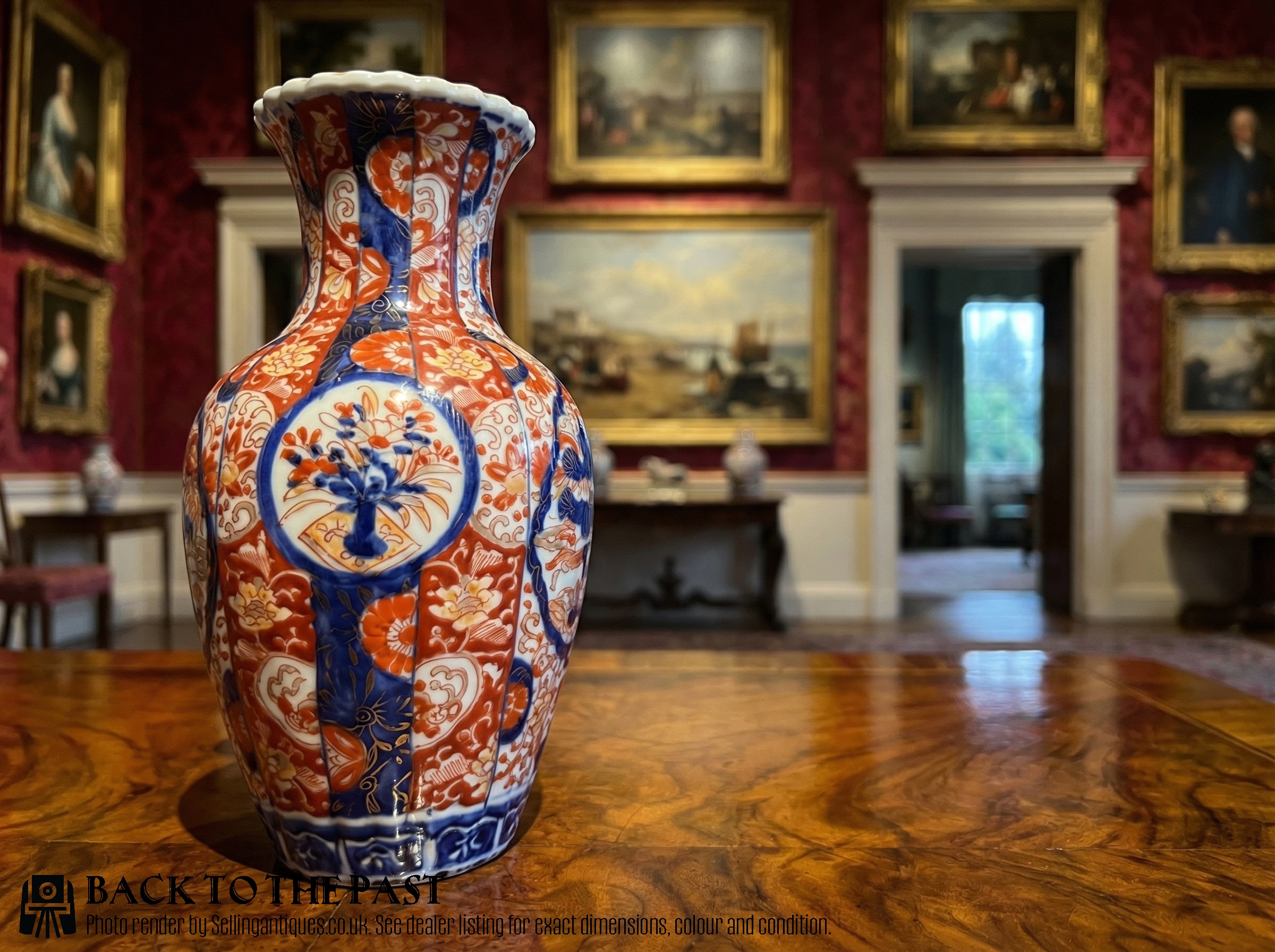
- A style of Japanese export porcelain characterised by a distinct colour scheme of underglaze blue, iron red, and supplementary gold. These designs typically display intricate floral and geometric patterns.
Antique Porcelain Flower Vase: Frequently Asked Questions
How do I identify the period of a vase?
Dating a ceramic piece involves examining the base for factory marks, potters' stamps or impressed numbers that correspond to historical production dates. Stylistic clues such as Victorian hand-painted floral motifs or Edwardian pastel tones also provide chronological markers.
Additionally, the material composition, glaze characteristics and type of enamel work offer reliable indicators of whether a vessel originates from the eighteenth, nineteenth or twentieth century.
How should I display my vase at home?
Place your vessel on a stable surface where natural light can highlight the hand-painted enamels, gilding and ceramic glazes. Avoid high-traffic edges where accidental knocks might damage fragile handles or delicate raised rims.
If using the piece for actual flowers, line the interior with care to protect antique ceramic bodies from prolonged moisture exposure and mineral deposits.
What is the difference between porcelain and earthenware?
Porcelain is a dense, hard ceramic fired at very high temperatures until it becomes vitrified and non-porous, often appearing translucent when held to the light. Earthenware is a softer, more porous material that requires a complete glaze to hold water effectively.
Many nineteenth-century listings include both porcelain and ironstone earthenware, each offering a distinct weight and surface texture.