



Antique Porcelain Flower Urn
An antique porcelain flower urn brings hand-painted botanical artistry and classic form to a room.
Antique Porcelain Flower Urn
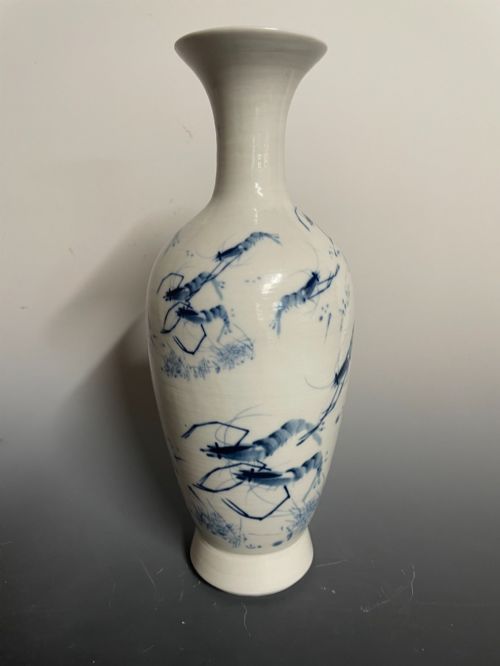
When you search for an antique porcelain flower urn, you encounter vessels designed to display blooms or stand as decorative centrepieces in their own right. The pieces gathered here span centuries of ceramic tradition, taking the form of traditional urns, vases, bough pots, and lidded potpourri jars. English factories, continental European makers, and East Asian kilns all contribute distinct shapes to this grouping.
The specimens on this page emerge primarily from the nineteenth and early twentieth centuries, alongside select eighteenth-century examples and later twentieth-century studio pieces. You will find matched pairs intended for mantel placement as well as substantial single garniture vessels. Forms range from classical twin-handled shapes to fluted bodies and garlic-head silhouettes.
How They Were Made
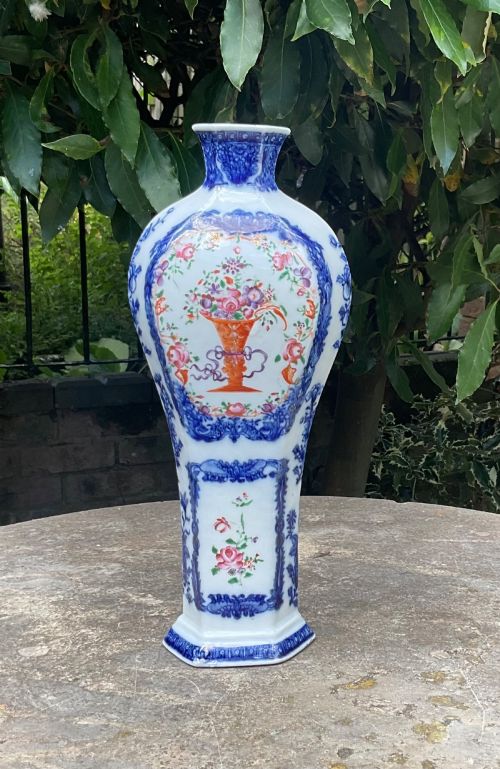
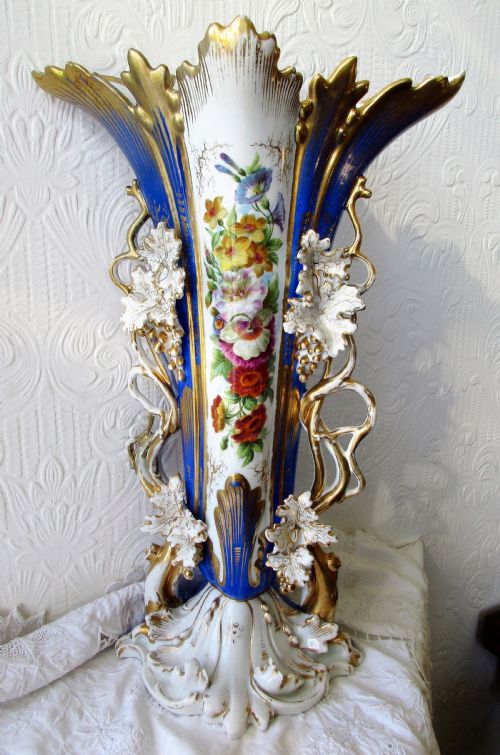
Potters shaped these vessels from ceramic pastes, earthenware, and porcelain, applying various glazes to seal the body before secondary firing. Artisans then added hand-painted floral motifs, birds, and figural scenes using enamel colours, iron-red pigments, and cobalt blue. Many pieces incorporate gold leaf, raised white enamel, and rich gilding to highlight handles, rims, and moulded panels.
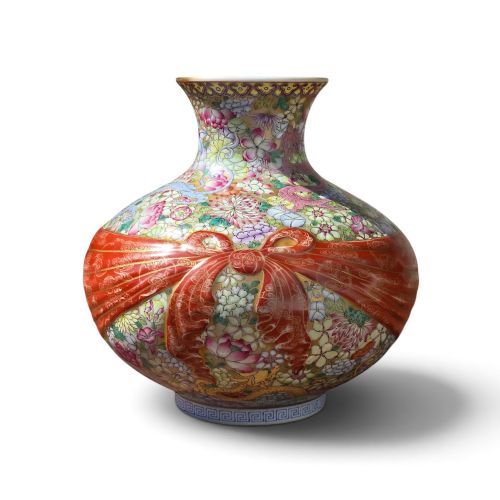
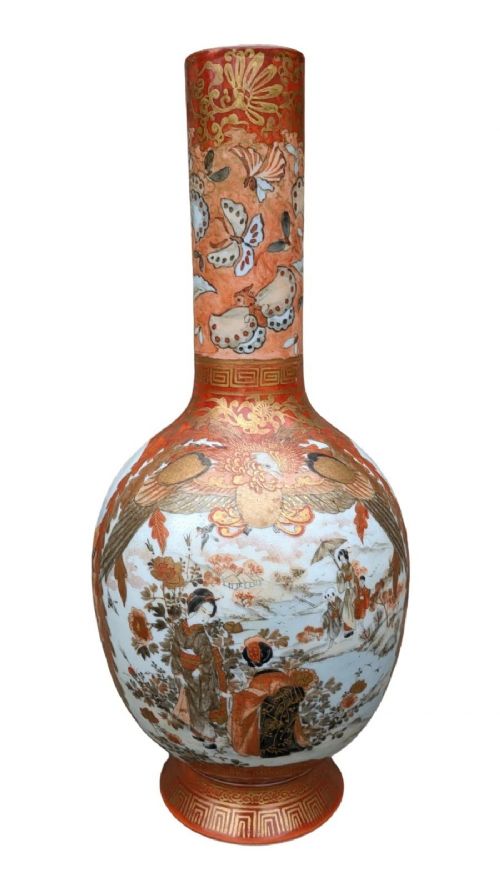
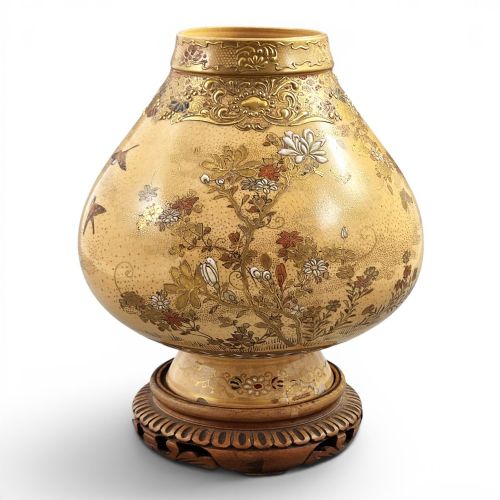
Specific regional techniques define the construction across origins. English factories such as Worcester, Derby, and Doulton utilised bone china and stoneware alongside specialised earthenware bodies like ironstone. Japanese Satsuma and Kutani wares display fine crackle-glaze earthenware decorated with intricate samurai scenes and dense floral patterns, while Chinese pieces demonstrate mastery of famille rose and millefleurs palettes.
Several vases sport three-dolphin bases, proving that Victorian artisans believed marine mammals made excellent structural support.
What Varies in Quality
The distinction between standard production and top-tier examples lies principally in the execution of the hand-painted decoration. Superior pieces display exceptional brushwork, subtle tonal shading in floral subjects, and precise application of gold leaf and enamel relief work. Lesser examples rely on stencilled transfers or hurried, repetitive brushstrokes that lack depth and individual character.
The crispness of the porcelain moulding and the balance of the overall form further separate the grades. Master workshops achieved sharply defined handles, unblemished glaze surfaces, and harmonious proportions that elevate a functional vessel into a fine work of art. Factory marks, artist signatures, and well-preserved gilding also elevate the standing of a piece within its period.
Flight Barr and Barr·Kinkōzan Workshop·Doulton Burslem·Royal Doulton·Royal Worcester·Ernst Wahliss·Jacob Petit
The Antique Porcelain Flower Urn Glossary
- Bough pot
- A specialised vessel designed to hold cut branches or flowers, often featuring a pierced cover to keep stems in place. These pots were popular in eighteenth and nineteenth-century interiors for bringing greenery indoors.
- Garniture
- A matched set of three or more vases or urns designed to be displayed together on a mantelpiece or sideboard. They typically feature a central tall vessel flanked by smaller matching companions.
- Famille rose
- A prominent palette of opaque enamel colours introduced in Chinese ceramics during the eighteenth century, dominated by pink and rose shades. The technique allowed for subtle gradations of tone in floral and figural depictions.
- Satsuma ware
- A type of Japanese earthenware originating from the Satsuma Province, characterised by an ivory-coloured, crackled glaze. Pieces are typically decorated with elaborate polychrome enamels and gilding.
- Posy vase
- A small vessel intended to hold a compact bunch of short-stemmed flowers. These pieces frequently appear in pairs and date extensively to the Victorian and Edwardian periods.
Antique Porcelain Flower Urn: Frequently Asked Questions
How were antique flower urns used?
These vessels served primarily to display fresh blooms, dried botanicals, or aromatic potpourri within formal rooms. Larger lidded urns and garnitures often functioned as permanent decorative fixtures on mantelpieces and sideboards.
In many cases, matched pairs framed mirrors or fireplace openings to create symmetry in period interior design.
How do I care for antique porcelain?
Dust these fragile ceramic surfaces gently with a soft, dry brush and avoid abrasive cloths or chemical cleaners. If washing is necessary, use lukewarm water with mild soap and dry immediately.
Keep pieces away from direct sunlight to protect hand-painted enamel colours and delicate gold leaf details from fading over time.
Can I still use these for flowers?
Many of these vessels remain entirely watertight and functional for holding water and fresh floral arrangements. However, you should inspect the interior glaze for hairline fractures or old repairs before filling.
For delicate nineteenth-century pieces with extensive gilding or enamel work, placing a small glass liner inside avoids moisture contact altogether.
How can I tell English from continental porcelain?
English factories like Worcester and Derby typically relied on bone china or distinct earthenware bodies developed during the industrial expansion. Continental makers, including Old Paris and German workshops, often utilised brighter cobalt grounds and heavier gilt moulding.
Examining the base for factory stamps, painted marks, or impressed ciphers usually clarifies the geographic origin.