

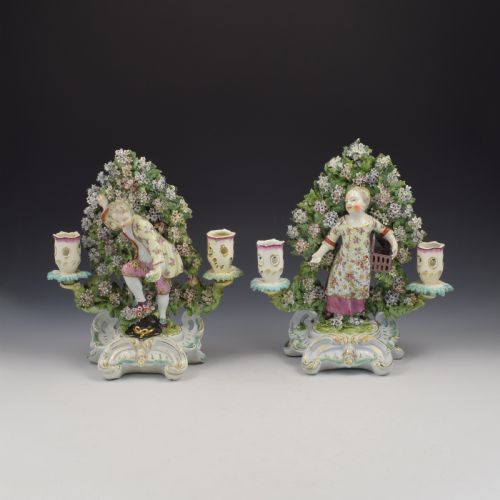



Antique Porcelain Figure Group
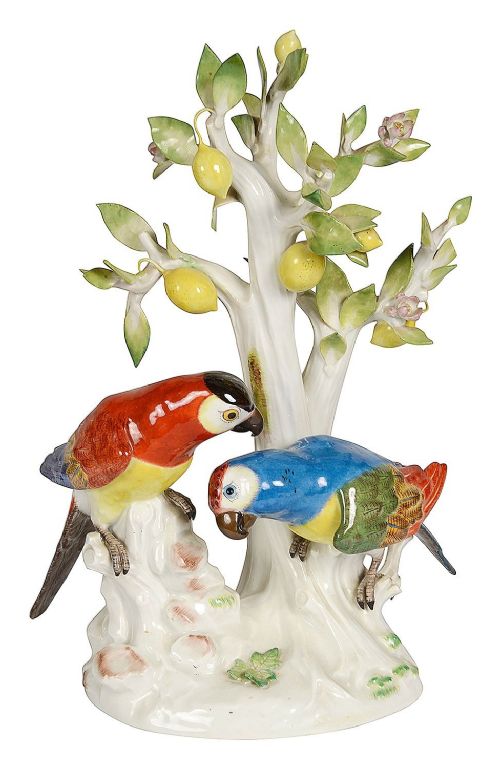
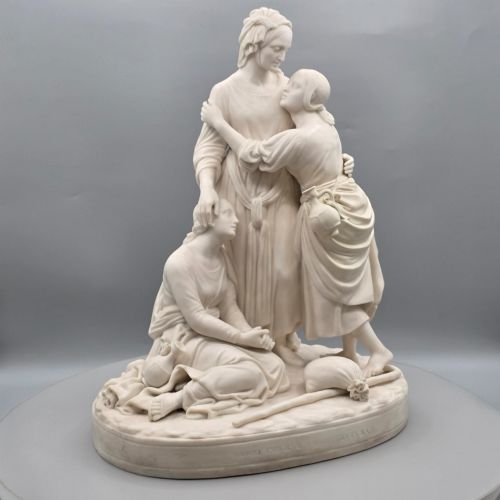
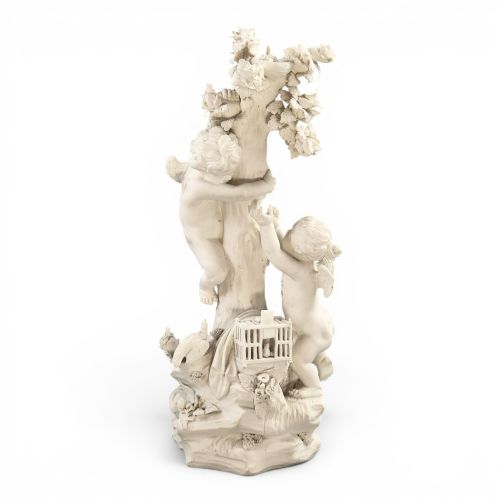
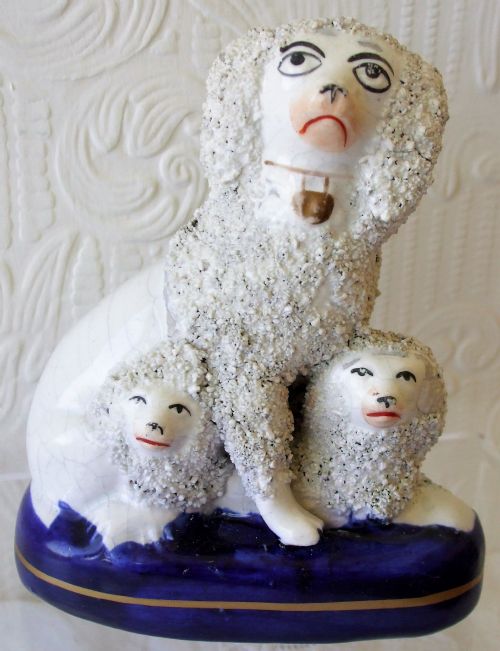
An antique porcelain figure group brings theatrical pastoral scenes, mythological allegories and domestic dramas into three dimensions.
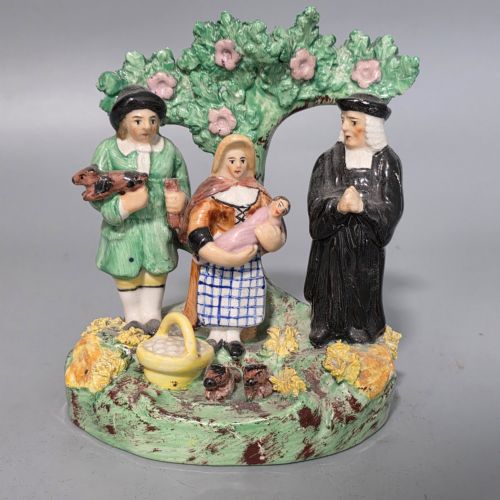
Antique Porcelain Figure Group
These multi-figure arrangements depict mythological narratives, pastoral romances and literary characters modelled in three dimensions. An antique porcelain figure group most frequently appears on this page in forms originating from eighteenth-century German and English kilns, alongside nineteenth-century Staffordshire earthenware and French hard-paste productions.
The compositions range from intimate pairings of lovers and gardeners to elaborate allegorical scenes involving multiple characters, animals and architectural or botanical backdrops. Many examples integrate functional elements such as candlesticks or spill vases directly into the figural arrangement.
The stylistic language spans rococo theatricality, neoclassical restraint and Victorian narrative sentiment. Whether shaped by early Derby modellers or nineteenth-century Parisian factories, each antique porcelain figure group captures a frozen narrative moment.
Materials and methods of manufacture
The manufacture of these figural arrangements required complex multi-part press-moulding where individual limbs, foliage and accessories were cast separately before being luted together with slip. Kiln workers assembled these delicate components by hand prior to high-temperature firing, often incorporating iron wire armature to support large compositions.
Decorators applied hand-mixed enamel colours, metallic gilding and translucent glazes over the biscuit or hard-paste body before a final low-temperature fixing. Specialised variations include unglazed biscuit porcelain and lace porcelain, where real textile dipped in slip burned away entirely in the kiln to leave delicate ceramic drapery.
Antique Porcelain Figure Group Retail Price Guide 2026
Typical asking prices for porcelain figure group among the pieces listed under this phrase on Sellingantiques today, from the lower quarter to the upper quarter. They describe what is for sale here now, not the wider market.
Several groups depict children playing with stubborn animals, mischievous cupids and unfortunate wedding guests.
Evaluating sculptural quality and finish
The standard of an antique porcelain figure group rests upon the sharpness of the modelled detail and the naturalism of the facial expressions. Finer pieces retain crisp definition in fingers, drapery folds and applied botanical elements like bocage leaves, whereas lesser productions suffer from softened contours caused by worn moulds.
Colour application and gilding further distinguish the output of premier factories from simpler provincial wares. Skilled painters achieved subtle tonal gradations and precise linework on eyes and garments, while inferior examples rely on heavy, flat enamel washes.
Meissen·Derby·Minton·Samson Paris·Carl Thieme Dresden·Luca Madrassi
The Antique Porcelain Figure Group Glossary
- Bocage
- An applied background of ceramic leaves and branches often framing eighteenth-century figural groups. This leafy arbour technique originated in English factories such as Derby and Bow.
- Biscuit Porcelain
- Unfired or once-fired porcelain left unglazed to produce a matte, marble-like surface finish. This material gained widespread popularity for its neoclassical sculptural clarity.
- Hard-Paste Porcelain
- A true porcelain composed of kaolin and petuntse fired at extremely high temperatures. It provides a dense, vitrified body with a bright, durable white surface.
- Lace Porcelain
- A delicate ceramic technique utilising real fabric dipped in liquid porcelain slip before firing. The textile combusts in the kiln, leaving fragile porcelain lacework.
- Spill Vase
- A hollow vertical vessel incorporated into a figural composition designed to hold wooden spills for lighting fires. These functional sculptures combine domestic utility with decorative modelling.
Antique Porcelain Figure Group: Frequently Asked Questions
What is a porcelain figure group?
A porcelain figure group is a sculptural ceramic composition featuring two or more interacting human or animal figures. These works often illustrate mythological tales, literary episodes or romantic pastoral narratives.
Created primarily as decorative mantelpiece ornaments, these groups demonstrate the technical skill of historical European kilns in handling complex multi-part forms.
How were bocage elements made?
Bocage consists of applied ceramic foliage and branches that wrap around or frame the central figures. Modellers shaped individual leaves and flowers by hand or pressed them into small moulds before attaching them to the main sculpture.
During firing, these delicate leafy arrangements required careful kiln placement to prevent sagging or distortion under high temperatures.
How do I care for antique porcelain?
Antique porcelain figures require gentle handling and stable environmental conditions away from direct sunlight. Dusting should be performed with a soft, dry brush to protect fragile projecting details like fingers or lace.
Harsh chemical cleaners must be avoided entirely, as they can damage delicate overglaze enamel colours and nineteenth-century gilding.
How do I distinguish eighteenth and nineteenth-century pieces?
Eighteenth-century figures typically display softer paste bodies, hand-painted underglaze blue marks, and more restrained neoclassical or rococo modelling. Nineteenth-century revivals often feature crisper industrial moulding, brighter factory enamels, and impressed or painted alphanumeric marks.
Examination of the base and interior surfaces frequently reveals differences in kiln support scars and paste composition between the two eras.