


Antique Porcelain Cabinet Cup
An antique porcelain cabinet cup is a small display piece of fine ceramics prized for intricate painting and rich gilding.
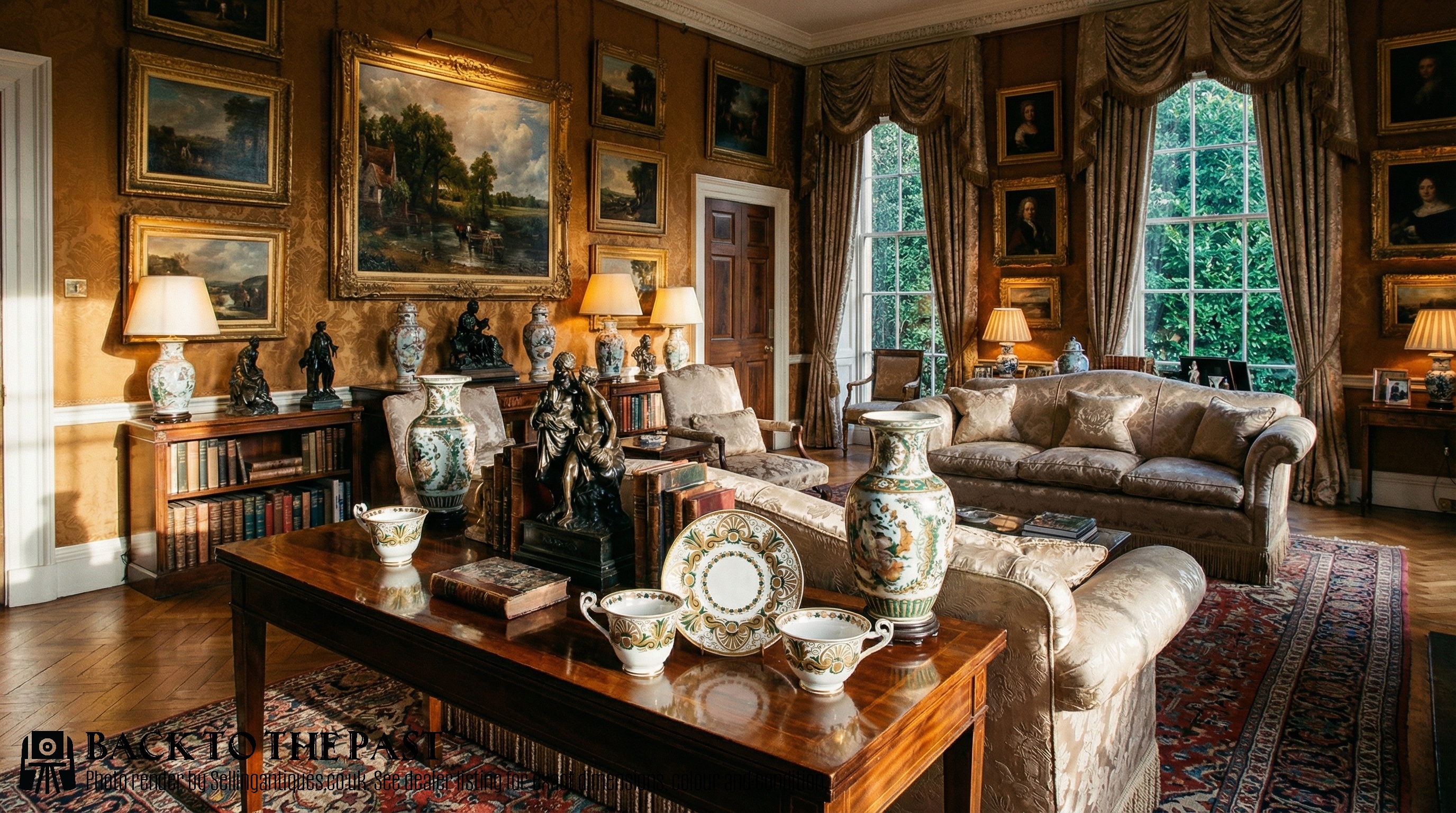
Antique Porcelain Cabinet Cup
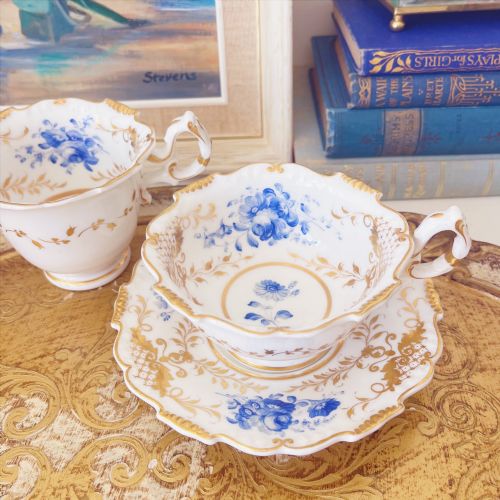
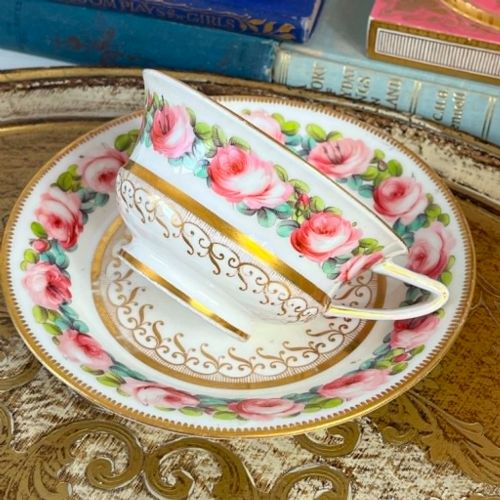
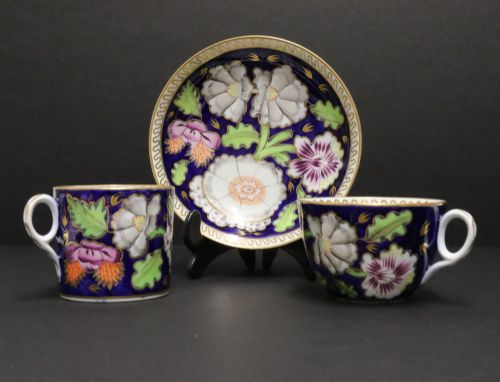
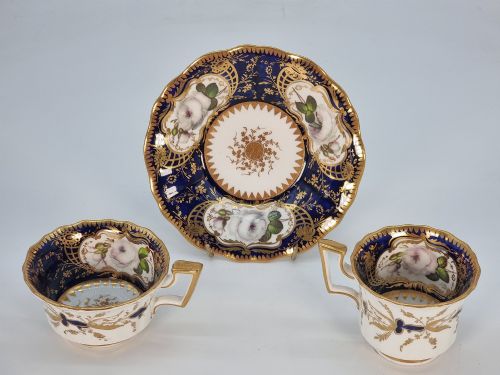
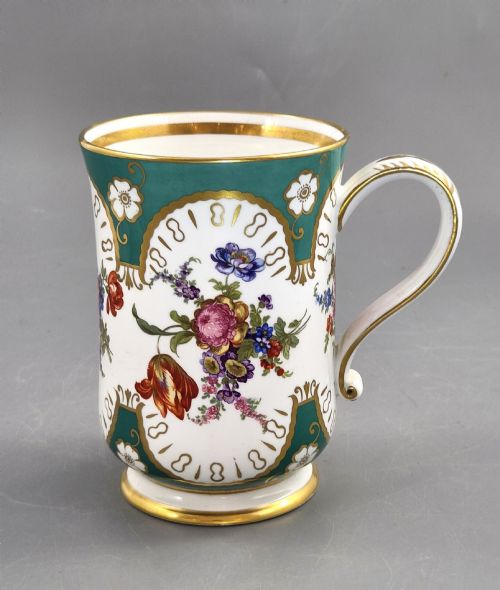
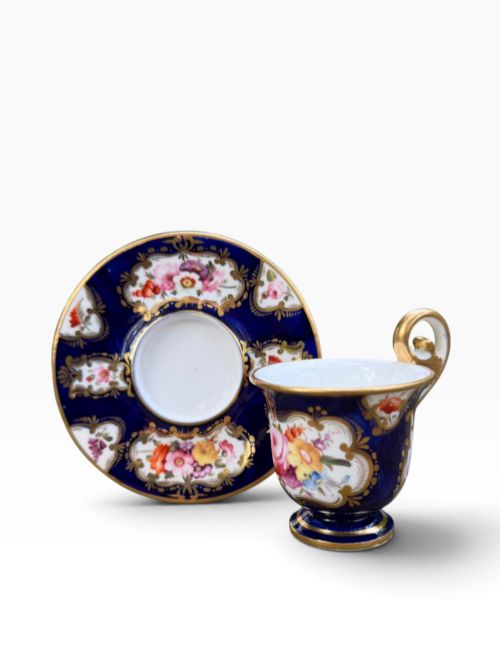
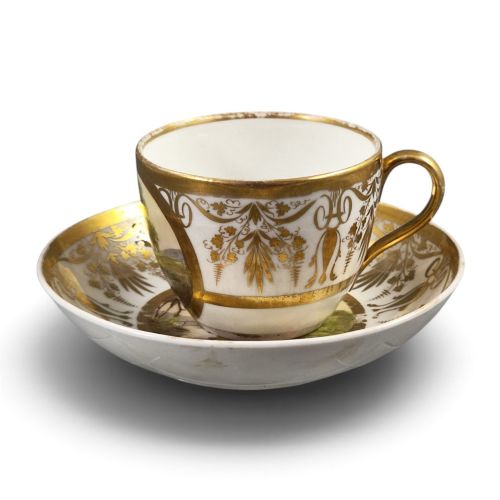
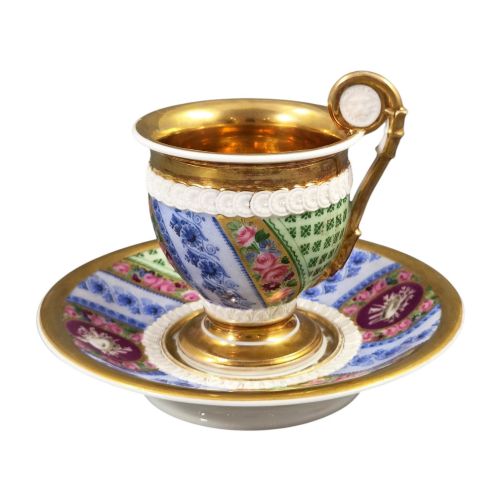
An antique porcelain cabinet cup is a small, decorative ceramic vessel created primarily for display in a cabinet rather than for daily tea or coffee service. These pieces emerge in various forms including cabinet cups, demitasse cups, trios, and trembleuses dating from the Georgian, Regency, and Victorian periods.
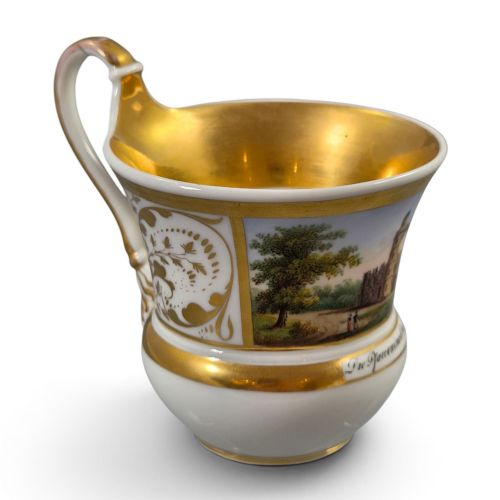
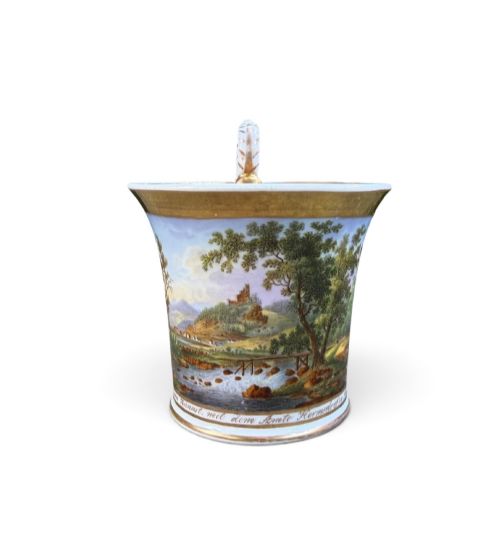
English and continental potteries dominate the selection, showcasing distinct regional aesthetics from Staffordshire factories to Berlin and Paris workshops. The most common survivals feature hand-painted landscapes, floral motifs, or classical scenes accompanied by matching saucers or stands.
Materials and production methods
Makers utilised hard-paste porcelain, bone china, and soft-paste bodies, shaping them into pedestals, mugs, and handled cups before firing at high temperatures. The surfaces then received meticulous hand-painting in enamels, depicting topographical views, allegorical scenes, and botanical studies.
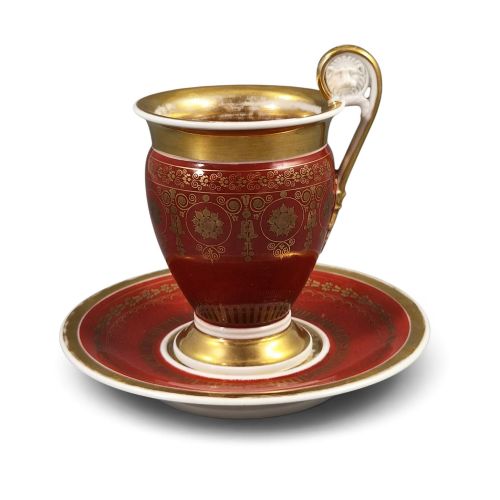
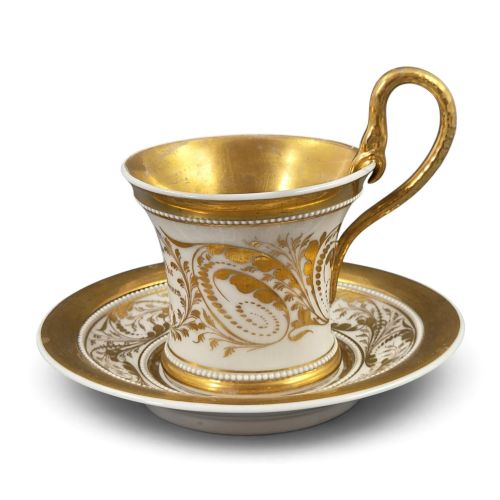
Gilding forms a major component of the decoration, applied as gold leaf or heavy gold gilding to rims, handles, and borders. Many pieces incorporate moulded details such as lion mask handles or raised neoclassical motifs to enhance the architectural silhouette.
Listings span multiple periods from the eighteenth-century Georgian era through Regency, Victorian, and Edwardian times, using porcelain, gold leaf, and enamel.
Judging quality and execution
The standard of quality rests heavily on the fineness of the hand-painting and the crispness of the porcelain body. Superior examples display miniature landscape or topographical art executed with precise brushwork, whereas lesser items rely on simpler transfer-printed outlines.
The application of gold leaf and gilding also separates standard production from exceptional presentation pieces. Thick, burnished gold work that retains its lustre indicates superior workshop output during periods like the Regency and Empire styles.
H and R Daniel·Davenport·Newhall·Coalport·KPM Berlin·Manufacture de la Reine·Wedgwood·Royal Vienna·Meissen·Spode·Royal Worcester·Hutschenreuther·Hirsch Dresden·Barr Flight Barr·Ridgeway
The Antique Porcelain Cabinet Cup Glossary
- Cabinet cup
- A decorative porcelain cup made for display rather than ordinary consumption. These items often feature elaborate painted scenes and extensive gilding.
- Trembleuse
- A specialised cup and saucer design featuring an elevated ring in the centre of the saucer to hold the cup steady. This form was originally intended for serving chocolate or hot drinks to guests who might tremble.
- Demitasse
- A small cup used for serving strong black coffee or espresso. They frequently appear paired with matching saucers in nineteenth-century porcelain.
- Hard-paste porcelain
- A durable ceramic composition fired at very high temperatures, composed of kaolin and petuntse. European factories like Meissen and Berlin became famous for this material.
- Trio
- A matched set consisting of a teacup, a coffee cup, and a saucer. These groupings are typical of early nineteenth-century English porcelain service sets.
Antique Porcelain Cabinet Cup: Frequently Asked Questions
What is a cabinet cup?
A cabinet cup is a decorative ceramic vessel made to be displayed in a cabinet rather than used for drinking. These pieces were produced in fine porcelain with elaborate hand-painted decoration.
They often include matching saucers or stands and showcase the highest artistic capabilities of historical European porcelain factories.
How do I date a porcelain cup?
Dating relies on examining the porcelain body, glaze characteristics, and decorative style, such as Empire, Regency, or Rococo Revival. Maker marks stamped or painted on the base also help identify the active period of the pottery.
Comparing the painting technique and gilding style to documented pieces from makers like Coalport or KPM Berlin narrows down the era of manufacture.
Were these cups used for tea?
While shaped like drinking vessels, cabinet pieces were primarily ornamental objects intended for visual appreciation. Wealthy collectors placed them in display furniture to showcase their taste and affluence.
Some forms, such as chocolate cups and demitasse sets, saw functional use in formal drawing rooms before becoming cabinet display items.
How should I display porcelain?
Display antique porcelain in enclosed cabinets away from direct sunlight to protect the fragile enamel colours and delicate gold leaf. Stable indoor humidity prevents stress on the ceramic body.
Ensure shelves are secure and avoid stacking pieces to prevent scratching the hand-painted surfaces and gilt rims.