


Antique Ceramic Cabinet Cup
An antique ceramic cabinet cup is a delicate, decorative vessel meant for display rather than tea, offering a glimpse into fine historical craftsmanship.
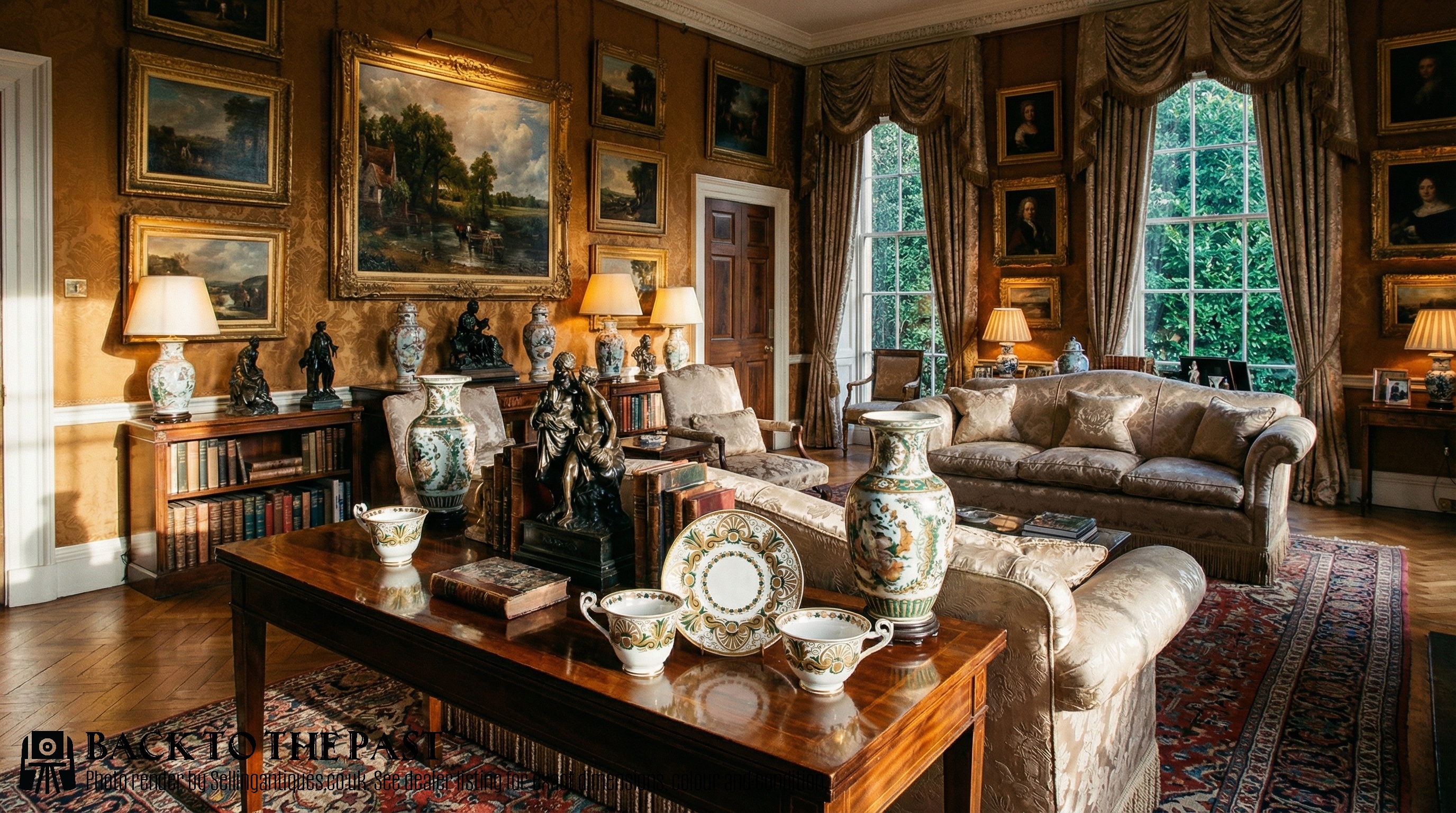
Antique Ceramic Cabinet Cup
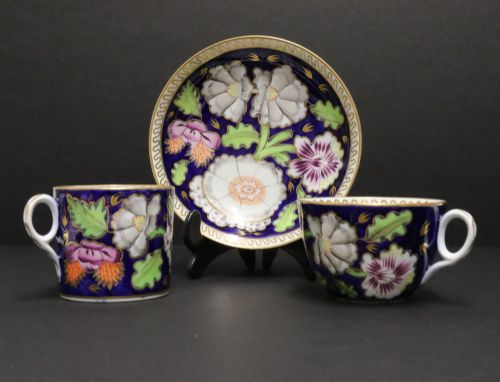
An antique ceramic cabinet cup is a decorative vessel produced during periods such as the Regency, Georgian, and 19th Century. These pieces were primarily designed for visual display within a cabinet rather than for daily use at the table.
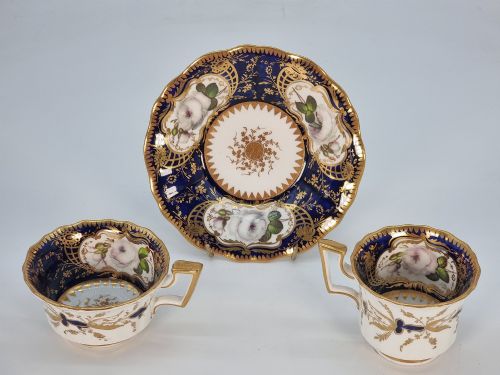
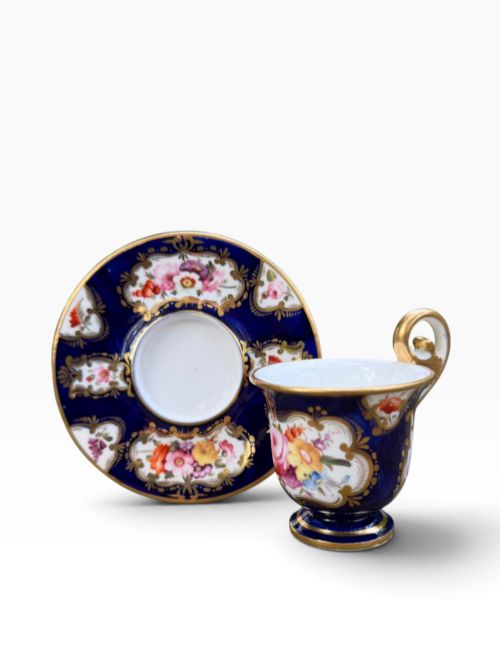
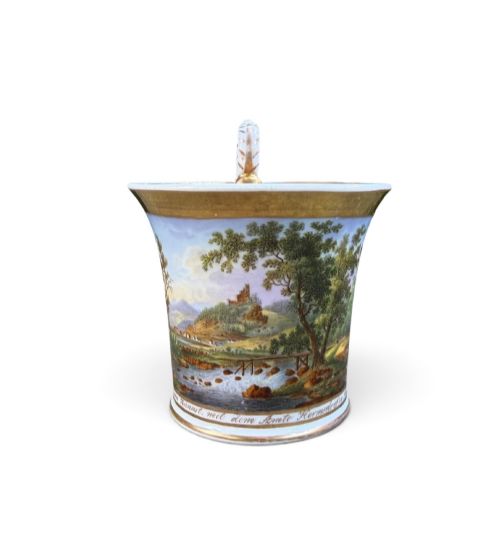
Buyers will most frequently encounter demitasse cups, teacups and saucers, and cabinet trios originating from English and European potteries. Forms range from miniature cups to chocolate cups adorned with hand-painted scenes and allegorical motifs.
The selection spans various stylistic influences, including Neoclassical, Rococo Revival, Art Nouveau, and Victorian designs. Each piece reflects the aesthetic preferences and manufacturing capabilities of its specific era.
Materials and manufacturing methods
Makers utilised fine paste bodies including porcelain, hard-paste porcelain, and bone china to achieve thin, translucent walls. These materials provided a smooth, stable surface suited to detailed hand-painting and enamel work.
Decoration typically involved applied enamel colours, intricate gilding with gold leaf, and rich glaze applications. Artisans often combined topographical painting or allegorical woodland scenes with heavy gilt borders.
Among the delicate teacups and demitasse sets, an unexpected gathering of shaving mugs with a mahogany stand occasionally joins the display.
Distinguishing quality in cabinet cups
Superior examples display exceptional refinement in the ceramic body and precision in the hand-painted artwork. The crispness of topographical details or the delicacy of figurative scenes elevates certain pieces above standard production wares.
The application of gold leaf and gilding contributes significantly to the distinction between tiers of quality. Finer items exhibit raised, burnished gold work executed by skilled hands, whereas lesser pieces show flatter, simpler ornamentation.
Newhall·Berlin·Wedgwood·Royal Vienna·KPM Berlin·Spode·Hutschenreuther·Royal Worcester·Barr flight Barr Worcester·Davenport
The Antique Ceramic Cabinet Cup Glossary
- Cabinet cup
- A decorative ceramic vessel produced for display in a cabinet rather than for practical domestic use. These pieces often feature elaborate painting and gilding.
- Demitasse
- A small cup used for serving strong black coffee or espresso. They frequently appear in later nineteenth and early twentieth-century ceramic listings.
- Cabinet trio
- A matching set comprising a teacup, saucer, and matching plate. They represent more comprehensive cabinet displays from early periods.
- Hard-paste porcelain
- A durable ceramic composition fired at high temperatures using kaolin and petuntse. It yields a hard, bright white body resistant to scratching.
- Gilding
- The application of gold leaf or gold powder to the surface of ceramics. This technique adds metallic brilliance to rims, handles, and painted borders.
Antique Ceramic Cabinet Cup: Frequently Asked Questions
What is a cabinet cup?
A cabinet cup is a decorative ceramic vessel made for display in a cabinet rather than everyday use. These cups often feature detailed hand-painting or rich gilding.
They reflect the artistic styles of their period, ranging from Regency Neoclassicism to Art Nouveau. Collectors prize them for their visual appeal and fine manufacture.
How were cabinet cups used?
Cabinet cups were primarily intended for display within glass-fronted cabinets to showcase the owner's taste and wealth. They were decorative showpieces rather than practical tableware.
Some forms, such as chocolate cups or demitasse sets, retained a functional shape but were finished with delicate decoration unsuited to heavy daily handling.
How do I date a cabinet cup?
Dating relies on identifying the ceramic body, maker's marks, and stylistic clues such as Neoclassical or Rococo Revival motifs. Examining the type of gilding and enamel colours also helps narrow the period.
Early nineteenth-century pieces often feature distinct paste characteristics and hand-painted topographical views compared to later Victorian or Edwardian examples.
Are cabinet cups fragile?
Cabinet cups are typically made of delicate porcelain or bone china with fine handles and raised gilding. Their thin walls require careful handling during viewing or cleaning.
Because they were designed for display, their survival depends on gentle treatment and stable placement away from high-traffic areas.