
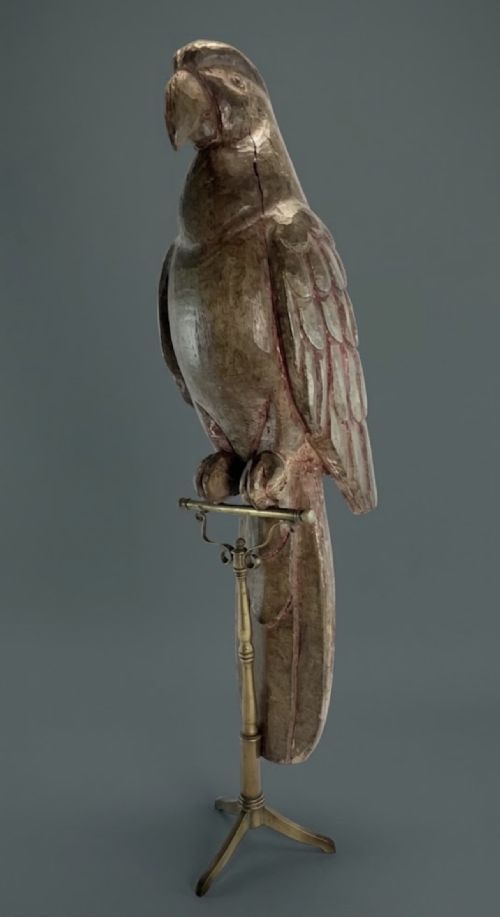
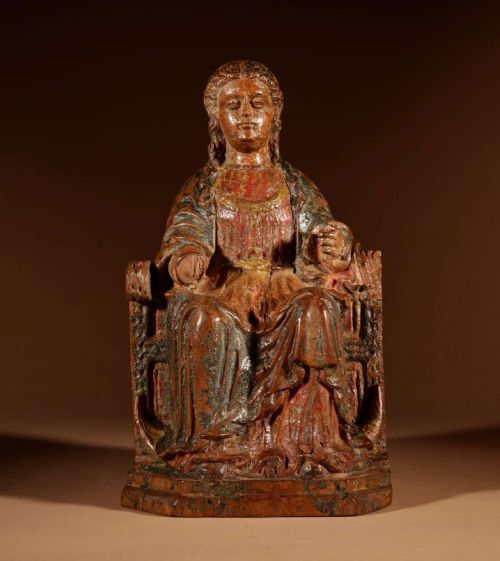
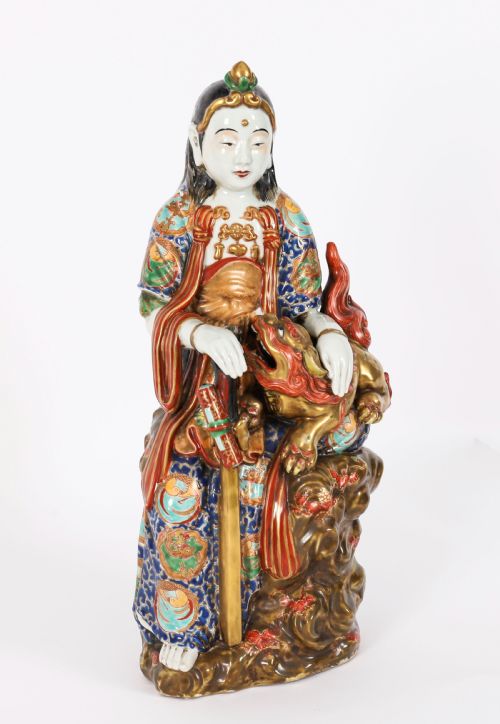
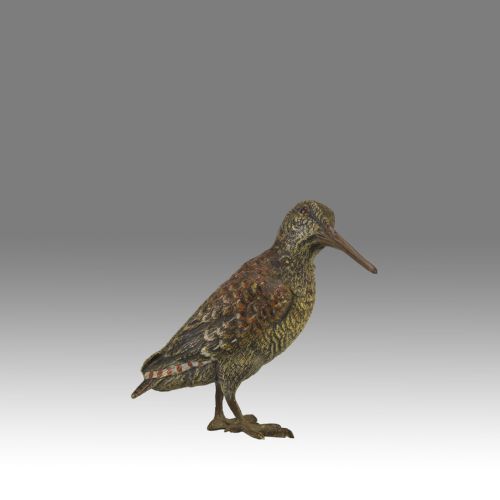
Antique Polychrome Figures
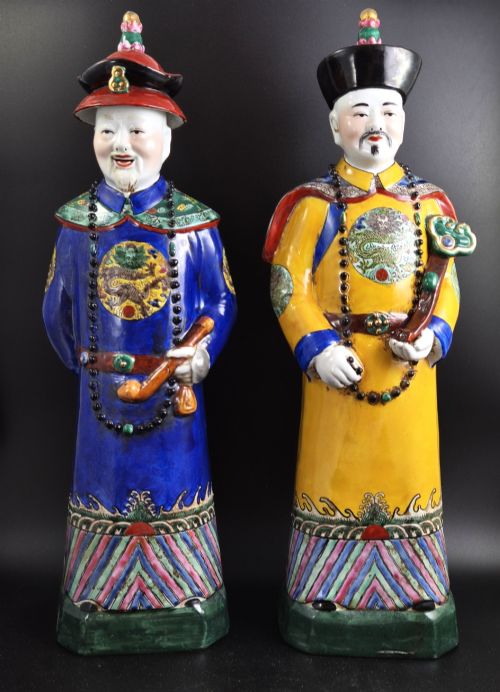
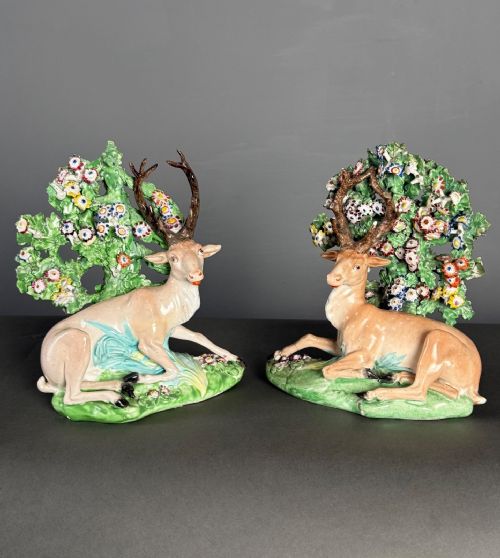
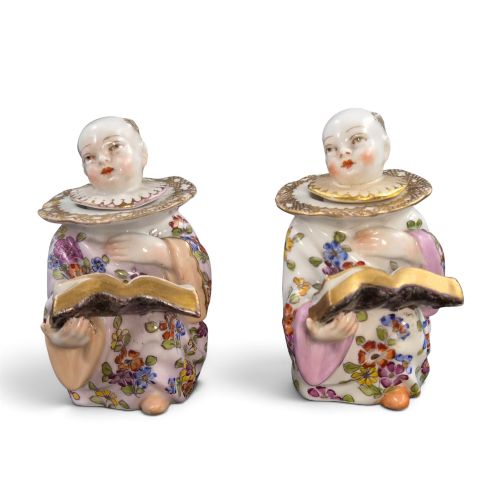
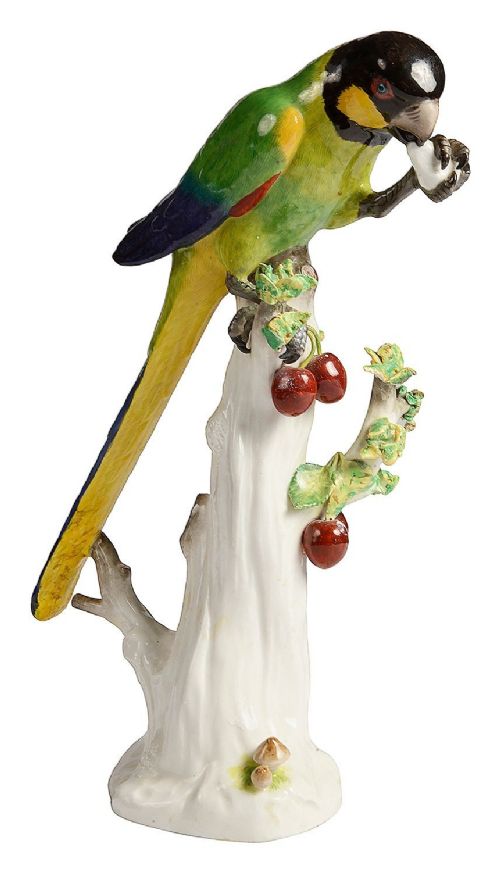
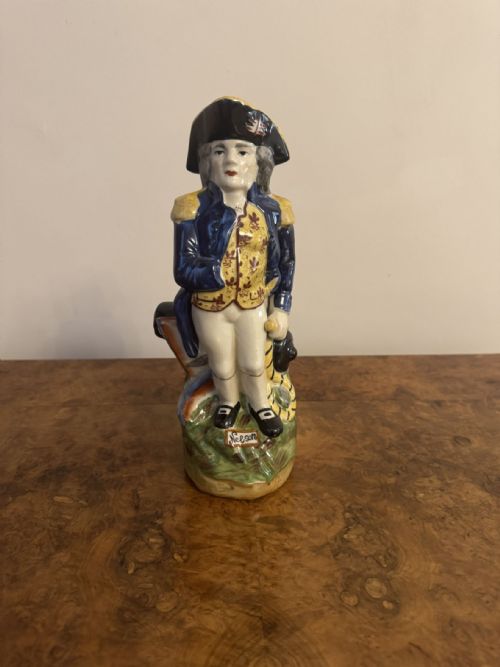
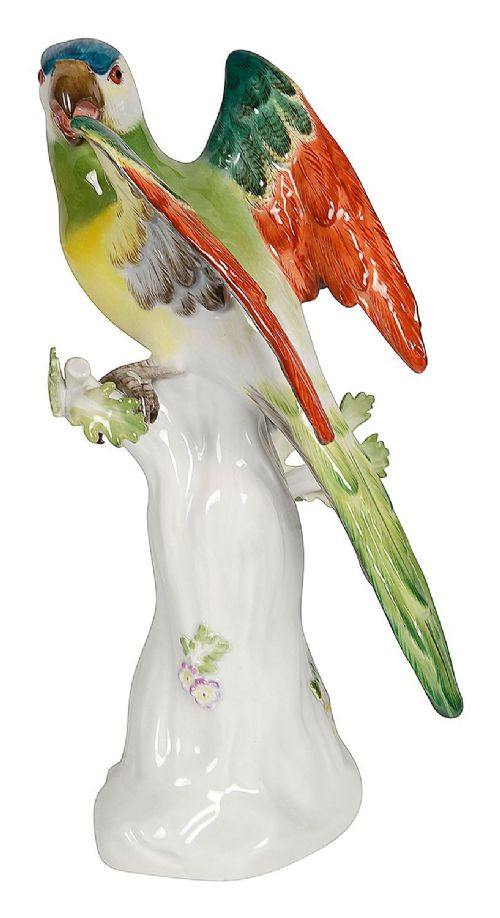
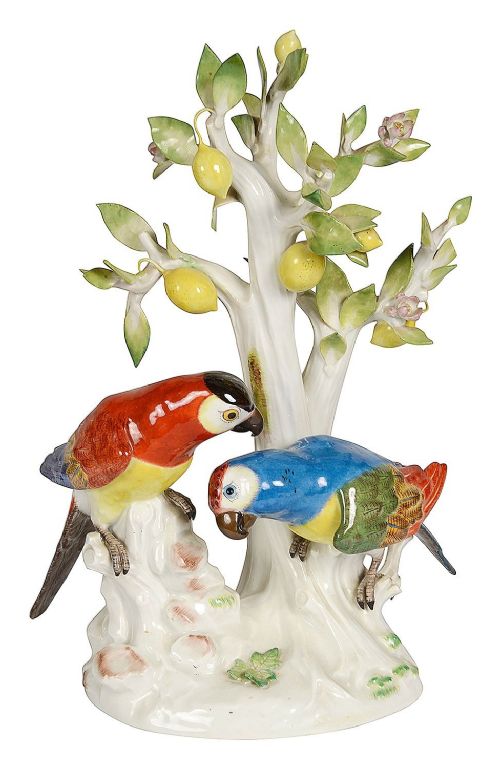
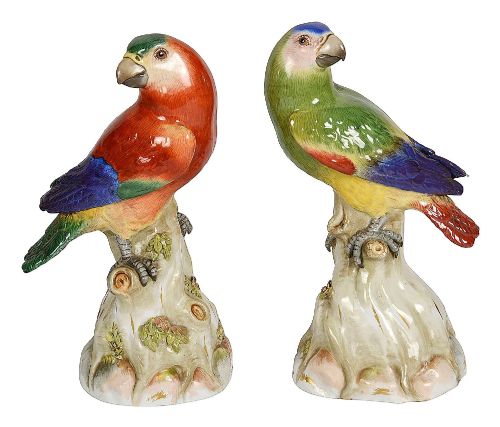
These antique polychrome figures bring vibrant colour and sculptural presence into a room, spanning delicate porcelain birds to robust earthenware soldiers.
Antique Polychrome Figures
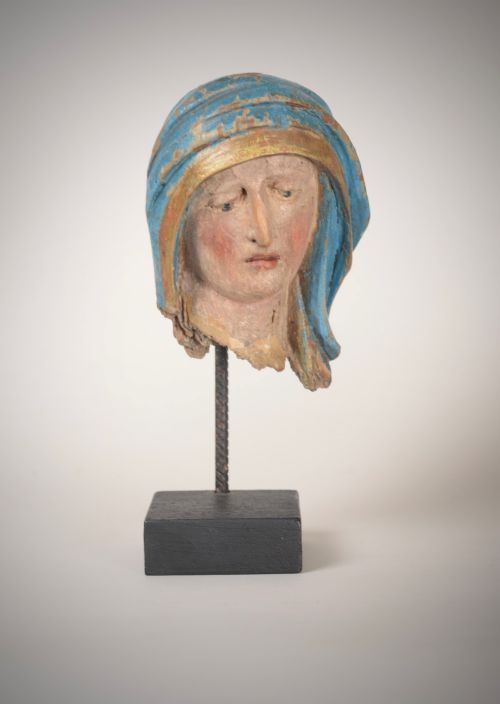
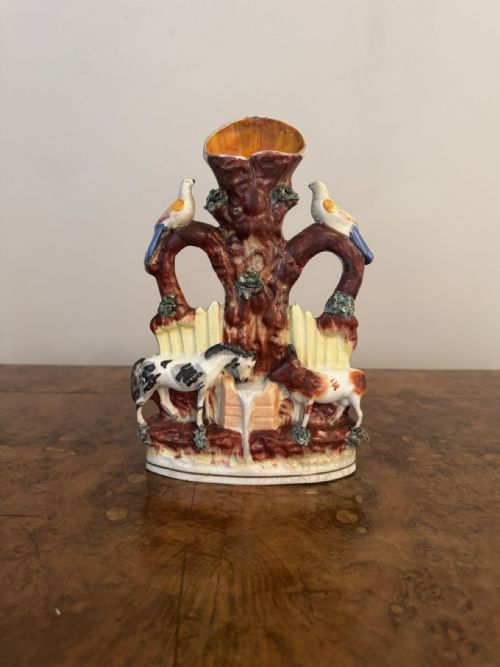
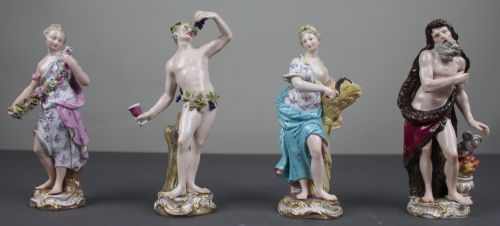
Antique polychrome figures encompass modelled representations of human subjects, animals, and religious icons executed in multiple colours across various eras. These pieces include porcelain pairs, earthenware groups, and carved wood or bronze sculptures decorated with surface pigments or glazes.
Buyers encountering this selection will frequently find 19th-century European porcelain birds, Staffordshire earthenware figures, and cold-painted bronzes. Works range from German factory groups and Japanese ceramics to early carved saints and decorative figures reflecting Victorian and Georgian tastes.
How they were made
Materials span soft and hard-paste porcelain, earthenware, terracotta, bronze, and carved woods such as walnut, limewood, and olive wood. Artisans applied pigment, enamel, glaze, gesso, or gold leaf directly onto the substrate or fired the colours into the ceramic body.
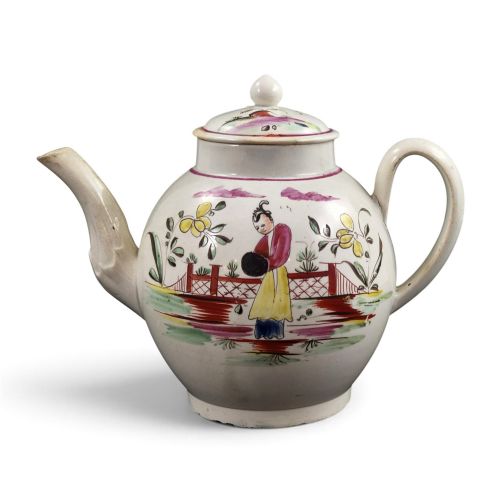
Listings feature 18th-century creamware and porcelain alongside 19th-century Staffordshire pottery and Meissen bird groups.
What varies in quality
The sophistication of the palette and the preservation of the original surface pigment or glaze heavily influence the standing of a piece. Original, undisturbed polychromy and sharp, unblemished mouldings command greater appreciation than heavily restored or worn surfaces.
Franz Bergman·Edmé Samson·Volkstedt Rudolstadt Factory·Charles Vyse
The Antique Polychrome Figures Glossary
- Polychrome
- Decorated or executed in a variety of colours. This term describes surfaces painted, enamelled, or glazed in multiple hues.
- Cold-painted
- A method where bronze sculptures are painted with oil or enamel paints without undergoing a high-temperature kiln firing. This technique was favoured by Viennese workshops.
- Biscuit
- Unglazed ceramic porcelain fired once to create a matte, porous finish resembling fine marble. Figures rendered in this state often show sharp details.
- Creamware
- A refined earthenware developed in the 18th century featuring a pale yellowish-cream glaze. It provided a smooth surface suited for transfer printing and enamel painting.
- Faience
- Tin-glazed earthenware produced in France and other European regions. The opaque white glaze serves as a ground for colourful painted decoration.
Antique Polychrome Figures: Frequently Asked Questions
What periods do these figures come from?
The pieces span several centuries, including 18th-century Georgian creations, Victorian works, and early 20th-century items. Earlier examples comprise carved wooden saints and oriental porcelain.
Later Victorian and Edwardian periods are well represented by Staffordshire earthenware, Meissen porcelain birds, and cold-painted bronzes from Vienna.
Where were cold-painted bronzes made?
The cold-painted bronzes in this category are largely associated with Viennese foundries active around the turn of the 20th century. Artists such as Franz Bergman produced animal and human figures using this technique.
These bronzes relied on layered paint rather than kiln firing, capturing subjects from nature and Orientalist themes with bright pigments.
How should I care for antique painted figures?
Painted and gilded surfaces require gentle maintenance using a soft, dry brush to remove dust. Moisture and harsh cleaning agents can damage vulnerable cold-painted finishes or old pigments.
Keep the pieces away from direct sunlight and areas of high humidity to protect the integrity of the wood, bronze, earthenware, or porcelain materials.