




Wall Hanging Cherubs
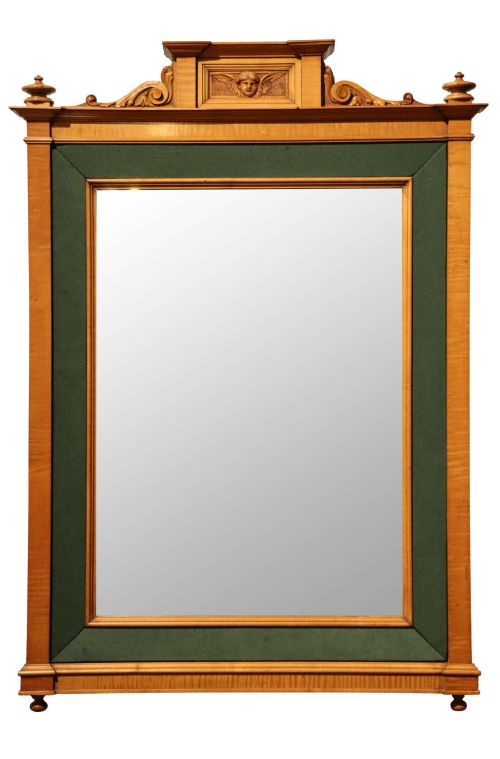
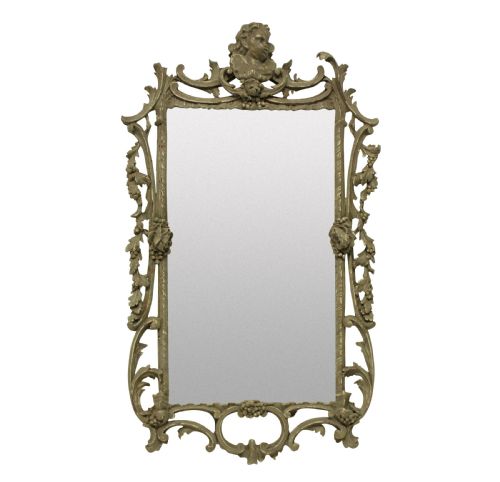
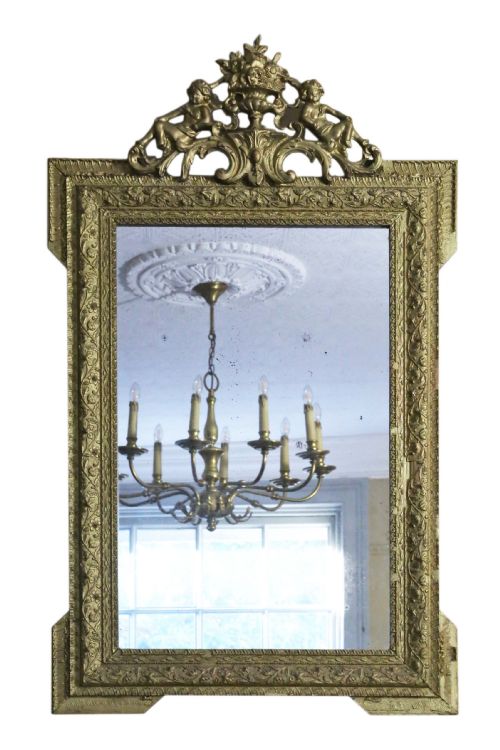
Wall hanging cherubs bring animated relief to a room, ranging from carved giltwood figures to mirrors framed in spirited winged infants.
Wall Hanging Cherubs
When you search for wall hanging cherubs, you find sculptural pieces designed for vertical display, predominantly originating from the nineteenth century in various European revivals. The selection on this page encompasses carved wooden figures, wall mirrors adorned with putti, and decorative plaques.
The Victorian and later nineteenth-century periods dominate these listings, drawing heavily on Baroque, Rococo, and Renaissance styles. These ornaments served to enrich interior spaces, often integrated into mirror frames, display cases, or presented as standalone carved wooden sculptures.
How they were made
Makers utilised carved wood, gesso, and brass, frequently applying gilt finishes to enhance the sculptural depth of the figures. Wood carving required steady handwork to shape the dynamic limbs and wings typical of the period.
Gesso application provided a smooth base for gilding on wooden frames and mirrors, while cast brass formed more rigid structural elements and detailed surrounds. These combined techniques allowed artisans to achieve both robust support and ornate surface detail.
Listings span the nineteenth century, incorporating materials like carved wood, brass, and glass across various revival styles.
What varies in quality
The distinction between ordinary and exceptional pieces lies in the crispness of the carving and the depth of the gilding. Skilled hands achieved expressive faces and naturalistic drapery, whereas lesser examples show softer edges and hurried surface treatment.
Integration of the cherubs with their host objects - such as mirrors or display cabinets - determines the visual harmony of the piece. Superior examples display thoughtful composition where the winged figures complement rather than crowd the primary function.
The Wall Hanging Cherubs Glossary
- Putti
- Winged infants depicted in classical art and revival pieces, commonly referred to as cherubs. They appear frequently in Baroque and Renaissance style mirrors and sculptures.
- Giltwood
- Timber treated with gold leaf or gold paint over a prepared ground. This finish catches the light and defines the contours of carved ornaments.
- Gesso
- A plaster mix applied to wood as a base for gilding or painting. It allowed craftsmen to model fine details before applying the gold leaf.
- Rococo Revival
- A nineteenth-century design movement favouring asymmetrical curves, scrollwork, and natural motifs. This style heavily influenced the frames and cherubic decorations of the period.
Wall Hanging Cherubs: Frequently Asked Questions
What periods do these pieces come from?
The listings here primarily date from the nineteenth century, including specific years such as eighteen-ninety and eighteen-eighty alongside broader Victorian eras. Makers of these decades drew inspiration from earlier artistic movements like the Renaissance and Baroque.
Craftsmen produced these wall ornaments across various European traditions, reflecting the revival styles popular during the eighteen-fifties through to nineteen-thirty.
How were these decorative items used?
These pieces functioned mainly as interior wall ornaments, mounted to add texture and sculptural interest to domestic spaces. Many served a dual purpose as frames for mirrors or housed small items like spill boxes.
Owners placed them in reception rooms and parlours where carved wooden cherubs and gilt mirrors could catch the light and display status or artistic taste.
What materials are commonly found?
Wood forms the primary structural and sculptural material, often carved by hand and finished with gesso and gold leaf to create giltwood surfaces. Brass and glass also appear frequently, particularly in mirror frames and wall hanging display cases.
Ceramics and earthenware occasionally represent the medium, seen in moulded plaques and decorative tiles from the late nineteenth century.
How do revival styles affect the design?
Revival styles dictate the ornamental vocabulary of each piece, borrowing heavily from Baroque, Rococo, and Renaissance traditions. These influences show in the swirling foliage, asymmetrical frames, and dynamic poses given to the winged figures.
Recognising whether a piece follows a Carolean or Italian Baroque revival helps place its aesthetic within the broader context of nineteenth-century decorative arts.