





Pair Italian Putti
Pair italian putti are sculptural figures of winged infants rooted in centuries of decorative tradition, offering a dramatic focal point for any interior.
Pair Italian Putti
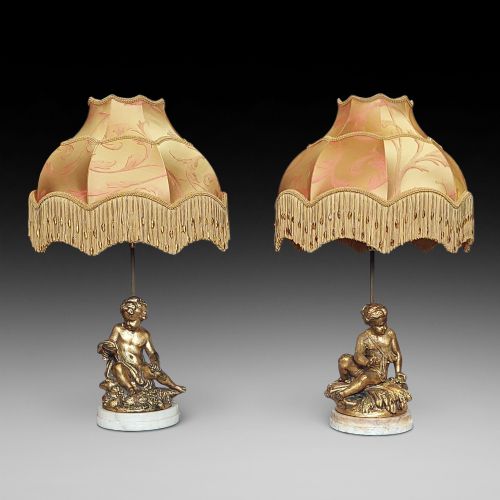
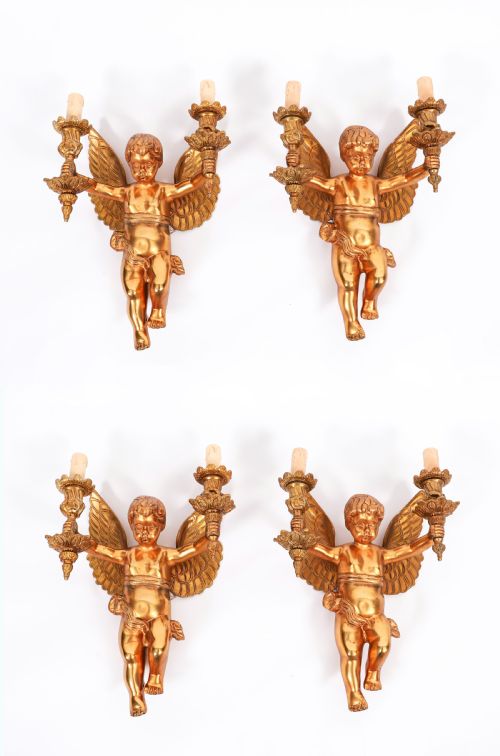
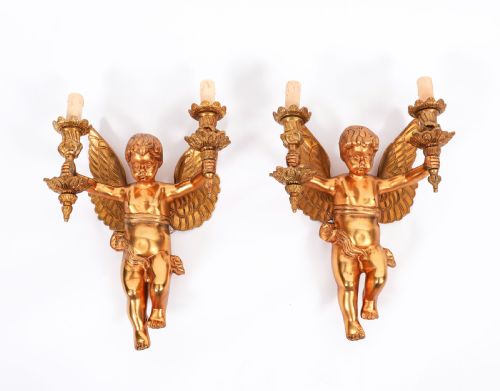
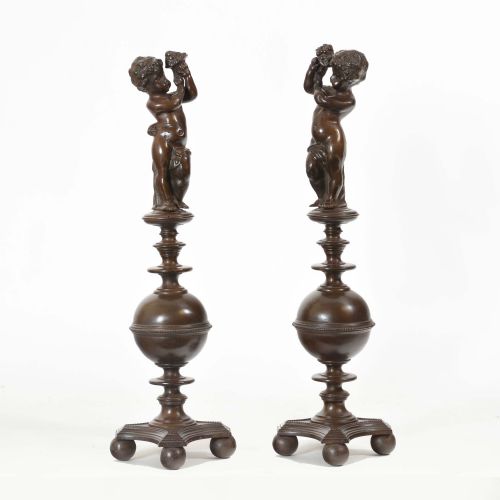
When looking for pair italian putti, you encounter sculptural works that span centuries of Italian craftsmanship, taking the form of wall brackets, table lamps, wall lights, and freestanding figures. The selection on this page shows a heavy concentration of nineteenth-century pieces alongside eighteenth-century examples, shifting between decorative urns, andirons, and traditional cherubic representations.
Most items you meet here display distinct regional design influences, ranging from Italian Baroque and Rococo Revival to Grand Tour and Renaissance Revival styles. These decorative objects frequently serve functional roles in a room, supporting wall lights, mounting lamps, or acting as bookends and architectural panels.
Makers and artisans created these matching figures to frame architectural elements or mantelpieces, ensuring symmetry in grand interiors. The forms vary from carved wood wall brackets to bronze statuettes, reflecting the diverse applications of the putto motif across different decades.
Materials and construction
Makers utilised carved wood, gesso, polychrome paint, and gold leaf or giltwood to achieve the ornate finishes seen on traditional figures. These wooden components often feature layered paint and gilding applied over gesso grounds, which created durable surfaces suitable for interior display.
Metal-working techniques shaped the bronze, ormolu, and cast iron pieces, particularly in items produced during the nineteenth century. Foundries cast these metals to capture intricate anatomical details and drapery before applying patination or mercury gilding.
Certain objects integrate stone elements, such as alabaster mounts and marble bases, combining heavy mineral supports with metal or wooden figures. Artisans also worked with earthenware and oil paints on panel, demonstrating a wide breadth of media within the category.
Materials across the selection range from organic timber and alabaster to cast iron, bronze, and glass components.
Assessing quality in the figures
The standard of carving or casting dictates the visual impact of the pieces, separating finely articulated facial expressions and naturalistic limbs from rigid or simplified moulding. Superior examples retain crisp detail in the feathers of the wings and the folds of the drapery.
Surface preservation plays a major role in the desirability of these objects, particularly where original polychrome paint, silvering, or gold leaf remains intact beneath centuries of oxidation. Pieces that show careful maintenance of their giltwood or bronze patination present greater visual depth.
The structural integrity of matching pairs depends on uniform wear and consistent proportions, ensuring that both items maintain symmetry when displayed together. Original mounts, such as period marble bases or functional wall brackets, add to the cohesive integrity of the set.
The Pair Italian Putti Glossary
- Putto
- A figure of a small winged infant, frequently found in classical and Renaissance art. These representations evolved from ancient cupid figures into a staple of decorative interior design.
- Giltwood
- Wood that has been coated with a thin layer of gold leaf or gold dust. This finish gives objects a luminous appearance while protecting the timber underneath.
- Ormolu
- Finely chopped high-karat gold applied to a bronze base using a mercury amalgamation process. This decorative technique creates a brilliant golden finish on metal hardware and mounts.
- Polychrome
- The practice of decorating architectural elements, sculpture, or pottery in a variety of colours. This surface treatment adds lifelike warmth to carved wooden figures.
- Wall bracket
- A projecting architectural support fixed to a wall to hold a lamp, shelf, or sculpture. These items often feature carved cherubs beneath the main platform.
Pair Italian Putti: Frequently Asked Questions
What rooms suit pair italian putti?
These sculptural figures suit spaces that benefit from classical or theatrical decorative accents, such as living rooms, libraries, or hallways. They mount easily on walls as brackets or sit on stable surfaces like tables and mantelpieces.
Matching sets work particularly well when positioned symmetrically to frame doorways, mirrors, or large artworks. Their varied forms, from lamps to andirons, allow them to integrate into both traditional and eclectic interiors.
How do I distinguish eighteenth-century pieces?
Eighteenth-century examples typically display deeper patination on their carved wood and polychrome surfaces, reflecting extended periods of handling and atmospheric exposure. The hand-carving on older figures often reveals distinct tool marks and subtle anatomical asymmetries characteristic of pre-industrial workshops.
Later nineteenth-century revivals often utilise standardised casting methods or crisper, machine-assisted finishing techniques. Examining the ground layers beneath the paint or gilding helps reveal the age of the underlying material.
Were these figures always purely decorative?
While many items functioned primarily as sculptural art or architectural reliefs, a significant portion served practical roles in historic interiors. Pairs frequently acted as wall lights, torchieres, table lamps, or structural andirons designed to hold firewood.
Even purely sculptural objects like bookends or display urns combined utility with symbolic or decorative themes. This dual purpose explains the diverse array of functional hardware integrated into many surviving examples.
How should I clean carved wood putti?
Dust these delicate surfaces gently using a soft, dry brush or a microfiber cloth to prevent abrasion to the aged finish. Avoid applying water, chemical solvents, or commercial cleaners, as moisture damages traditional gesso, polychrome paint, and gold leaf.
Stable indoor humidity and protection from direct sunlight help preserve the integrity of both the wood and the metallic components. Professional conservation is advisable if the surface shows signs of flaking or structural instability.