
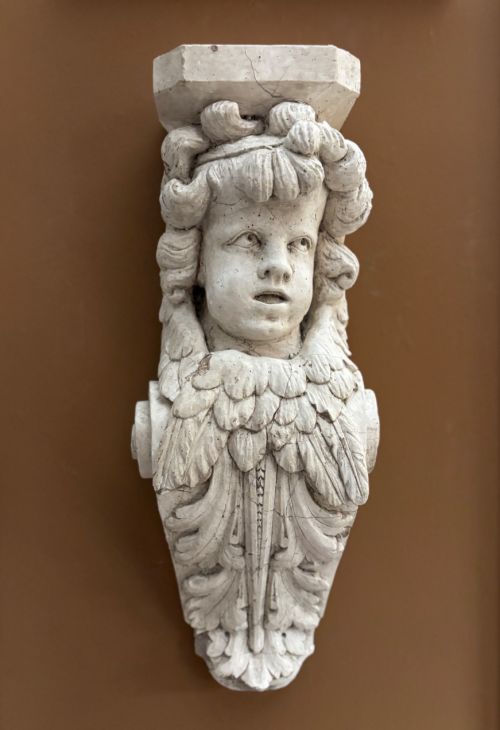


19th Century Carved Angels
These 19th century carved angels bring centuries of devotion and craftsmanship into a room, offering the collector dynamic timber figures and gilded putti.
19th Century Carved Angels
These pieces encompass carved wooden sculptures, wall brackets, corbels, and occasional paintings representing celestial figures from the nineteenth century. Buyers searching for 19th century carved angels will encounter Continental religious sculptures, Italian Baroque revival works, and Gothic walnut carvings.
The selection ranges from single putto wall corbels and gilded cherubs to matched pairs of altar figures and oak angels. Italian workshops and Black Forest carvers dominate the origin of these sculptural forms.
Many items derive from ecclesiastical settings or grand collections, presenting dynamic postures that range from contemplative prayer to lively musical accompaniment with lutes.
How they were made
Surface treatments combine oil on canvas for painted works with burnished gold leaf and polychrome pigments on carved timber figures. Some pieces utilise composition layers over wooden bases to build intricate decorative detail.
Listings feature 19th century periods alongside specific dates like 1850 and 1880, spanning oak, walnut, gold leaf, and polychrome paint.
What varies in quality
The depth and vigour of the carving separate ordinary production from superior work, particularly in the rendering of feather plumage, hair strands, and facial anatomy. Crisp tool marks and confident proportions distinguish the most accomplished workshop pieces from softer, more generalized interpretations.
Original surface finishes dictate the desirability of a piece, with undisturbed gold leaf and authentic polychrome layers holding greater interest than later repainting. The integrity of the underlying timber and the preservation of delicate wings or projecting hands further define the standard of survival.
The 19th Century Carved Angels Glossary
- Putto
- A representation of a chubby male child, often winged, derived from classical art and frequently seen in religious and secular sculpture. These figures populate Italian altars and architectural brackets.
- Corbel
- A structural piece of stone, wood, or metal projecting from a wall to carry a weight, often carved into figurative forms like angels. They support lintels or shelves while adding sculptural presence to an interior.
- Polychrome
- The practice of decorating architectural elements, sculpture, or pottery in a variety of colours. This surface treatment brings lifelike depth to carved wooden angels.
- Gesso
- A paint mixture consisting of a neutral binder mixed with chalk, gypsum, or pigment, used as a preparation for gilding. It provides a smooth base for gold leaf applications on wooden carvings.
- Caryatid
- A sculptured female figure serving as an architectural support taking the place of a column or a pillar. Winged variations appear among walnut angel carvings.
19th Century Carved Angels: Frequently Asked Questions
Where did 19th century carved angels originate?
These figures emerge predominantly from Italian workshops influenced by Baroque revival styles, alongside Black Forest carvers and British Gothic revival cabinet makers.
Many pieces were created for ecclesiastical settings, private chapels, and domestic architectural schemes across Europe during the nineteenth century.
How were carved angels used originally?
Ecclesiastical examples served on church altars or supported architectural elements like wall brackets and corbels, while others functioned as independent decorative sculptures.
Domestic interiors also incorporated carved figures into furniture, mirrors, and wall displays as symbols of protection and spiritual devotion.
How do I care for wooden carved angels?
Keep carved wooden and gilded surfaces away from direct sunlight, excessive heat sources, and rapid humidity fluctuations to prevent timber splitting.
Dust gently with a dry, soft brush rather than using wet cloths or chemical cleaning products that might damage fragile gold leaf or polychrome paint.
What woods were used for these sculptures?
Carvers utilised dense timbers such as oak and walnut for structural stability and fine detail work, alongside softer woods for gilded architectural ornaments.
These woods were often prepared with gesso layers before receiving polychrome paint or gold leaf finishes.