


Gilded Carved Wood Angel
These gilded carved wood angel pieces bring centuries of European craftsmanship and devout artistry straight into your home.
Gilded Carved Wood Angel
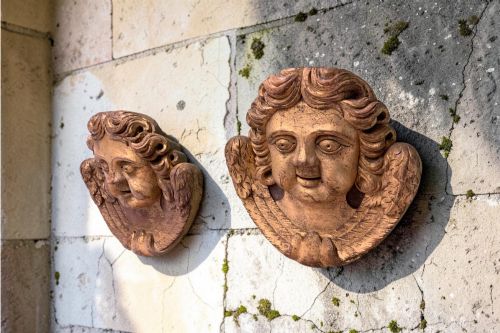
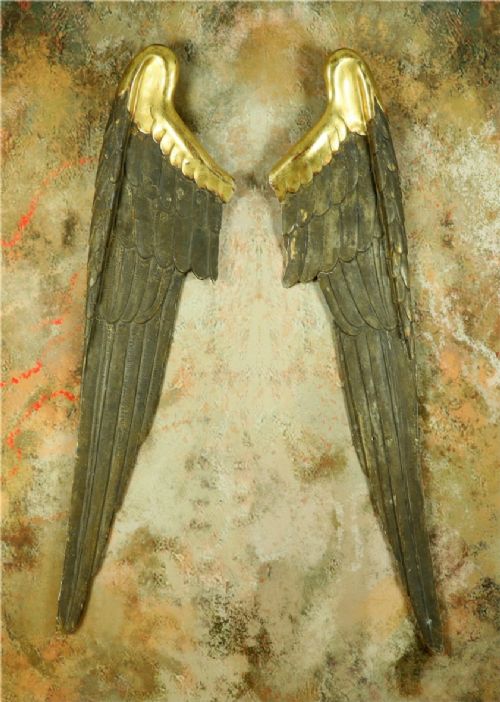
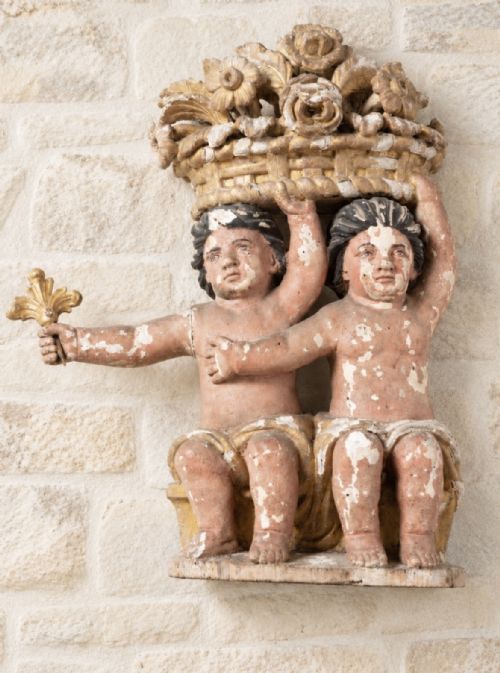
A gilded carved wood angel embodies the rich sculptural traditions of the seventeenth, eighteenth, and nineteenth centuries. Buyers searching for a gilded carved wood angel encounter wall brackets, panels, twin arm wall lights, and freestanding sculptures from Italian and French workshops. These religious and decorative carvings frequently take the form of cherubs, putti, and winged figures originating from domestic alters and architectural schemes.
The pieces appearing on this page span several distinct stylistic revivals alongside genuine period examples. Italian Baroque and French eighteenth-century designs dominate the selection, often rendered in pairs or as single wall sculptures. Collectors frequently find nineteenth-century interpretations that mimic earlier baroque exuberance with substantial gilded surfaces.
Materials and construction
Carved timber forms the foundational core of each piece, shaped by hand before receiving traditional surface treatments. Artisans applied layers of gesso to smooth the wood substrate and prepare it for finishing. Gold leaf was then carefully laid over the gesso, creating the luminous surfaces characteristic of giltwood and gold gilt objects.
Polychrome paint frequently accompanies the gilding, adding flesh tones, hair colour, and garment details to wooden putti and cherub heads. Metal components occasionally appear in functional items such as wall lights, integrating structural arms with carved wooden bodies.
The documented forms range from freestanding putti and cherub head panels to functional twin arm wall lights and decorative brackets.
Evaluating the craftsmanship
The depth and fluidity of the initial carving separate exceptional sculptures from simpler workshop productions. Master carvers achieved anatomical naturalism and expressive movement in the faces and drapery of putti, whereas lesser pieces rely on rigid symmetry and shallower relief.
The integrity of the original gesso and gold leaf application dictates the visual impact of the surface. Superior examples retain their original gilding and polychrome pigment without heavy modern overpainting obscuring the underlying hand-tooled wood.
The Gilded Carved Wood Angel Glossary
- Giltwood
- Wood that has been coated with gold leaf or gold paint. This technique provided objects with the opulent appearance of solid gold while utilising more accessible timber bases.
- Gesso
- A plaster-like mixture applied to wood as a smooth base for gilding or painting. It allowed carvers to achieve crisp detail before applying gold leaf.
- Putto
- A representation of a chubby male child, usually nude and sometimes winged, originating in classical art. These figures appear frequently in Italian Baroque and eighteenth-century religious carvings.
- Polychrome
- Decorated in several colours. This term describes carved wooden figures painted to resemble life rather than left in plain wood or monochrome gilding.
Gilded Carved Wood Angel: Frequently Asked Questions
What rooms suit a gilded carved wood angel?
These pieces integrate well into living spaces, hallways, and studies where architectural details require a focal point. Wall-mounted brackets and panels sit comfortably above mantlepieces or console tables.
Freestanding figures and wall lights introduce historical texture to both traditional and contemporary interiors. Proper placement protects the delicate gold leaf and polychrome surfaces from direct moisture and handling.
How do I care for antique giltwood?
Giltwood surfaces require gentle maintenance using a dry, soft cloth or a soft-bristled brush to remove dust. Avoid chemical cleaners, water, and polishing compounds which damage delicate gold leaf and gesso.
Keeping pieces away from direct sunlight and sudden temperature changes prevents the wood from expanding and cracking. Stable indoor humidity preserves the structural integrity of the carved timber and its historic finish.
How are wall lights mounted securely?
Antique wall lights featuring carved wooden angels often require professional installation to support their weight safely. Wall brackets and arm fixtures need appropriate fixings matched to the wall type.
Electrical components on older or converted light fixtures should be inspected by a qualified electrician before use. Ensuring a secure mechanical connection protects both the wall and the antique carving from accidental damage.
How do I distinguish between periods?
Seventeenth and eighteenth-century pieces often display the dynamic movement and dramatic expression characteristic of the Italian Baroque style. Carving techniques on earlier works tend to show deep, confident tool marks beneath the gesso.
Nineteenth-century revivals frequently adopt heavier proportions and cleaner mechanical execution associated with Victorian and continental historicism. Examining the wear patterns on the gold leaf and the oxidation of the underlying gesso helps confirm age.