



Gilt Baroque Style Cherubs
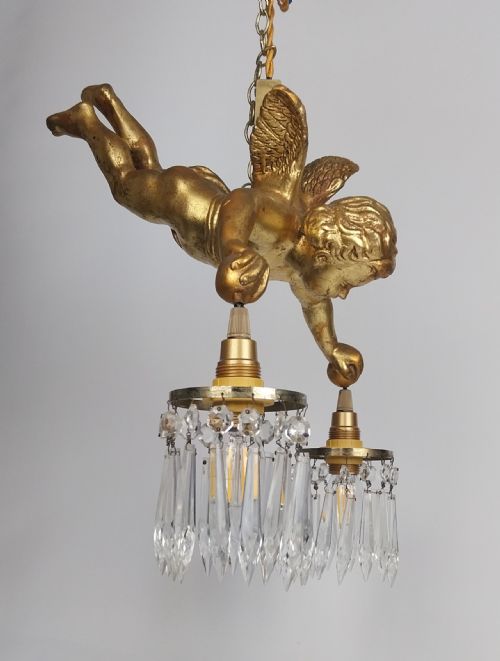
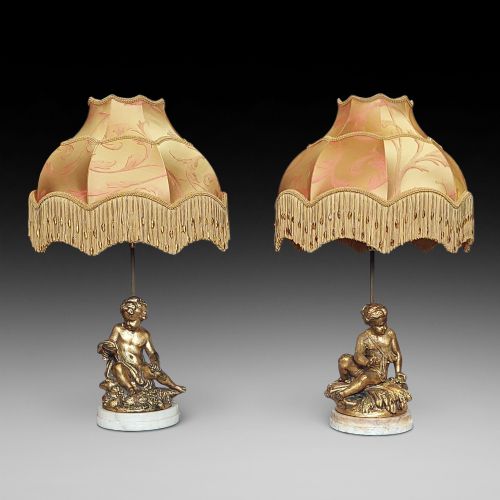
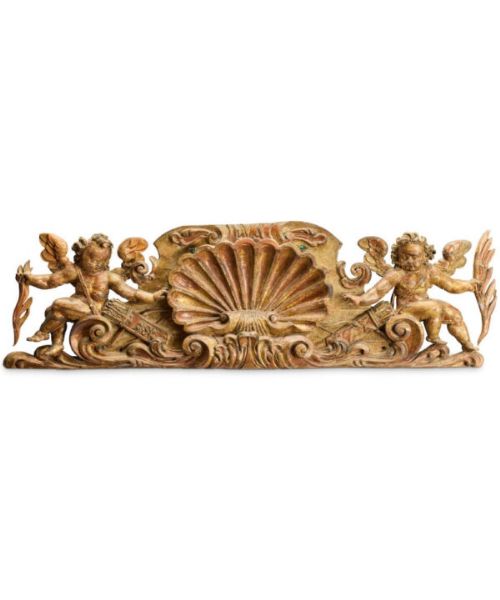
These gilt baroque style cherubs bring theatrical golden drama and sculpted putti into a room with undeniable presence.
Gilt Baroque Style Cherubs
When you search for gilt baroque style cherubs, you encounter a dramatic collection of decorative objects populated by winged putti and gilded surfaces. These pieces span centuries from the seventeenth to the twentieth, reflecting revivals such as Louis XIV, Rococo, and Italian Baroque.
The selection on this page includes wall lights, table lamps, architectural fragments, console tables, and mirrors. You will regularly find lighting fixtures and carved wooden elements displaying the characteristic exuberance of the baroque style.
Origins stretch across European traditions, with Italian craftsmanship strongly represented alongside French and English influences. The forms range from functional fireplace accessories and chandeliers to purely decorative sculptures and wall brackets.
How they were made
Carved wood provides the structural base for many items, often finished with layers of gesso and gold leaf or parcel gilt. Artisans shaped timber into complex architectural pediments and figures before applying metallic leaf to achieve a luminous surface.
Gilt metal and cast bronze or ormolu appear frequently in lighting and fireplace equipment, shaped through metalworking techniques. Alabaster, glass, and marble also integrate into these pieces, combining solid stone and glass components with gilded frames and mounts.
Several pieces feature winged cupids gazing intently into empty space, presumably plotting where to direct their next invisible golden arrow.
What varies in quality
The depth and definition of the carving separate standard items from finer examples, particularly in the rendering of facial expressions and feathered wings. Master craftsmen achieved anatomical realism and fluid movement in the figures, whereas lesser pieces exhibit stiffness.
The application of gilding alters the visual impact, distinguishing hand-applied gold leaf from simpler metallic paints. Original surface patination and the integrity of the underlying gesso or wood structure dictate the enduring character of each object.
The Gilt Baroque Style Cherubs Glossary
- Putto
- A plump, often winged child figure frequently depicted in classical and baroque art. These figures form the central motif of the cherub pieces found here.
- Giltwood
- Timber that has been coated with gold leaf or powder. This material defines the opulent surface finish of many baroque frames and wall brackets.
- Gesso
- A plaster mixture applied to wood surfaces as a preparation for gilding. It allows craftsmen to model intricate relief decoration before applying gold leaf.
- Ormolu
- Finely ground high-carat gold applied to a bronze object using mercury amalgamation. This technique creates a rich golden finish on nineteenth-century metalwork.
- Chenets
- Ornamental metal bars placed horizontally in a fireplace to support logs. Pairs of these often incorporate figural cherubs or architectural brass mounts.
Gilt Baroque Style Cherubs: Frequently Asked Questions
Where should I place a cherub wall light?
These wall lights and sconces suit locations where they can act as focal points, such as flanking a mirror or framing a fireplace. Their projecting arms and gilded surfaces reflect ambient light effectively.
Ensure the wall construction supports the weight of carved wood or gilt metal fixtures before installation. Positioning them at eye level allows the detail of the putti figures to be appreciated fully.
How do I identify Italian baroque pieces?
Italian pieces often display deep, exuberant carving in giltwood alongside characteristic motifs like putti, scrolls, and acanthus leaves. Their regional origins frequently show in the warmth of the gesso and the style of the wooden substrate.
Compare the proportions and surface treatments with French and English examples from the same era. The handling of the gilding and the specific wood species underneath offer further clues to origin.
What is a console table with a putto base?
A console table featuring a putto base is a wall-mounted or freestanding table supported by carved sculptural figures. These tables typically feature a marble top resting upon a gilded wooden structure.
They were designed for formal reception rooms to display decorative objects or mirrors above. The combination of heavy stone and carved timber requires stable placement against a secure wall.
How do I clean gilded surfaces safely?
Gilded surfaces require gentle maintenance to preserve the delicate gold leaf and underlying gesso. Dusting with a soft, dry brush prevents the accumulation of dirt without disturbing the finish.
Avoid using liquid cleaners, chemical solvents, or abrasive cloths on giltwood or ormolu. Moisture can penetrate old gesso and cause the metallic leaf to flake away from the wood.