


Carved Church Angels
These carved church angels bring centuries of ecclesiastical craftsmanship into domestic spaces, offering character and sculptural presence for the home.
Carved Church Angels
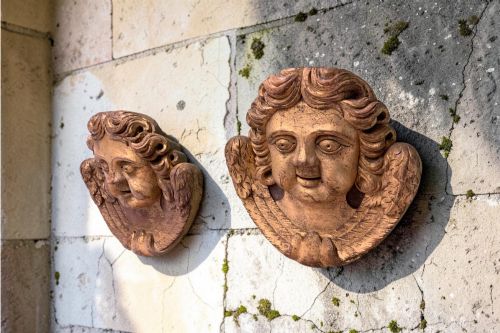
Carved church angels encompass wall sculptures, architectural carvings, and religious sculptures drawn from centuries of ecclesiastical tradition. When exploring carved church angels on this page, buyers encounter architectural fragments, altar figures, and wall reliefs originating from the seventeenth, eighteenth, and nineteenth centuries. These pieces represent distinct stylistic movements, including Baroque, Gothic Revival, and French provincial designs.
How they were made
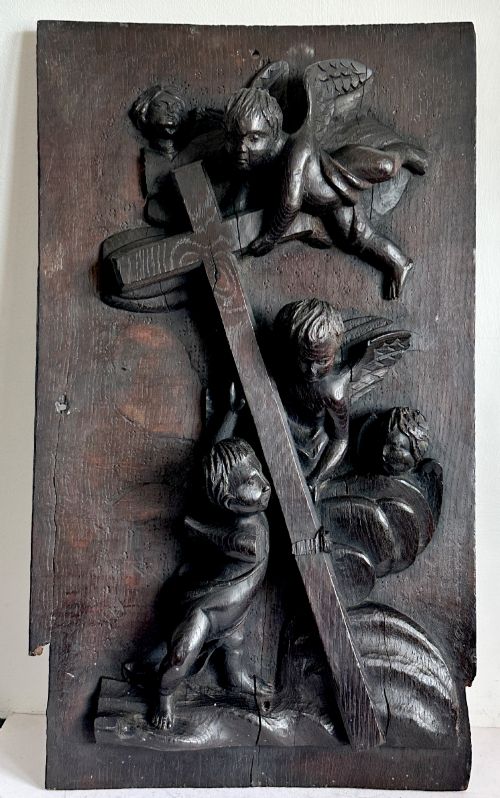
Carvers shaped these figures from dense hardwoods like oak alongside softer timbers such as pine, employing hand chisels to create deep relief and three-dimensional form. Timber selection dictated the depth of the carving and the longevity of the sculptural detail within ecclesiastical buildings.
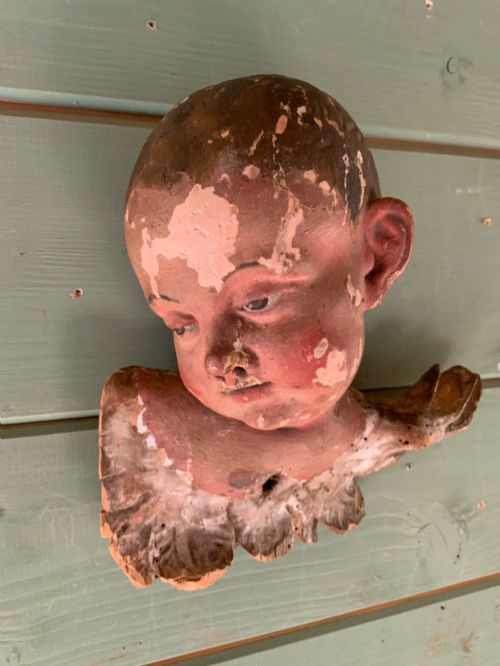
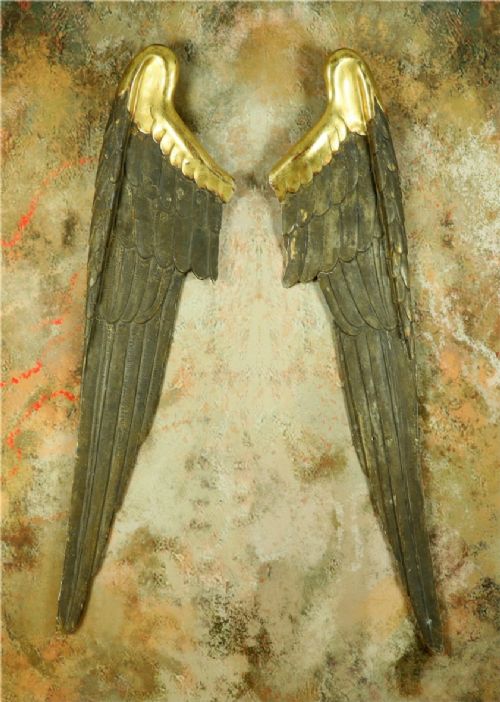
Surfaces received specialised finishes including polychrome paint, gesso, gold leaf, and giltwood layers to enhance visual impact under candlelight. These traditional coatings weathered centuries of church environments, frequently leaving behind patinated layers over the exposed wood underneath.
Some winged fragments spent centuries watching silent sermons before finding new life guarding modern mantelpieces.
What varies in quality
The survival of original surface treatments, whether polychrome pigment or gold leaf, dictates the visual integrity of each piece. Remnants of early gesso and historic paint layers provide direct evidence of age and original aesthetic intent.
The Carved Church Angels Glossary
- Polychrome paint
- Decoration applied in multiple colours directly onto wood or gesso surfaces. This technique added lifelike realism to religious figures in European churches.
- Gesso
- A plaster mixture applied as a smooth preparation layer for gilding or painting. It creates a stable base that holds fine detail carved into wooden sculptures.
- Giltwood
- Timber coated with gold leaf or gold paint to simulate solid gold objects. It reflects candlelight effectively within dim ecclesiastical interiors.
- Architectural carving
- Ornamental woodwork integrated into the permanent structure of a building. These elements were later removed and repurposed as standalone wall sculptures.
- Relief sculpture
- Figures projecting from a flat background surface rather than standing in the round. This technique suited wall panels and architectural friezes.
Carved Church Angels: Frequently Asked Questions
Where were carved church angels originally placed?
These figures typically originated on altars, choir stalls, rood screens, and architectural cornices within churches and chapels across Europe.
Craftsmen designed them to elevate sacred spaces, often positioning them high above congregations to frame architectural focal points.
How do I hang a heavy wooden wall sculpture?
Substantial timber carvings require secure fixings anchored directly into wall studs or masonry using appropriate weight-rated brackets.
Professional assessment of the backplate and mounting points ensures the sculpture remains safely supported without damaging historic wood.
How do I tell an 18th century carving apart from a 19th century one?
Eighteenth-century pieces often exhibit the softer tool marks and organic asymmetry typical of hand-wrought Baroque and provincial workshops.
Nineteenth-century Gothic Revival pieces frequently display sharper, more academic precision reflecting renewed archaeological interest in medieval design.
Should I clean the historic paint on my angel carving?
Historic surfaces benefit from minimal intervention, generally restricted to gentle dusting with a soft, dry brush to remove loose debris.
Harsh cleaning agents or moisture can strip fragile gesso and historic polychrome pigments, permanently reducing the character and age of the piece.