
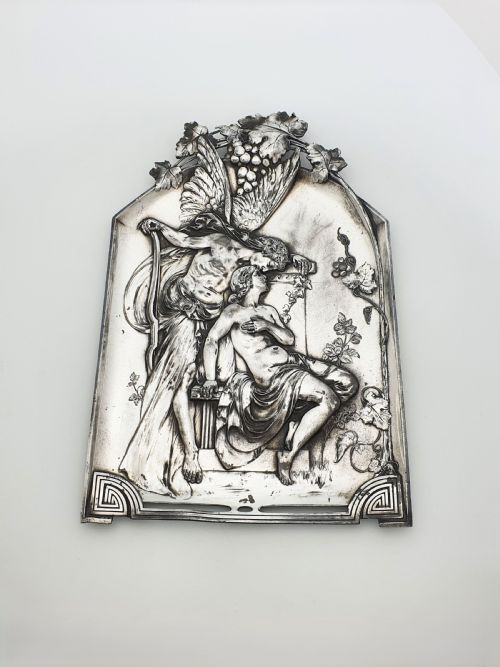



Antique Pewter Plate
An antique pewter plate brings the quiet weight of domestic history into your hands, shaped by centuries of touch.
Antique Pewter Plate
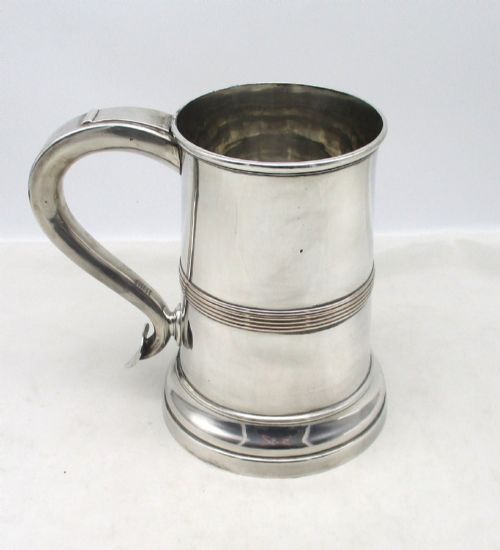
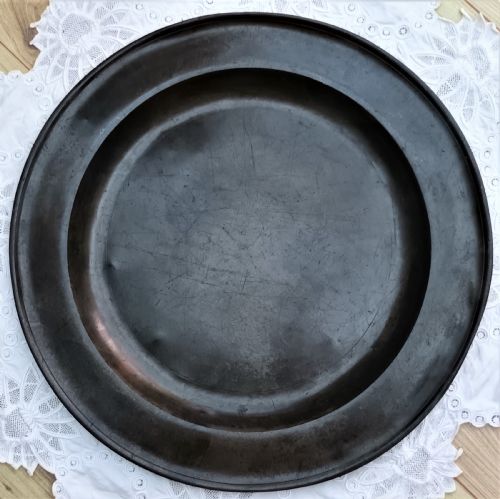
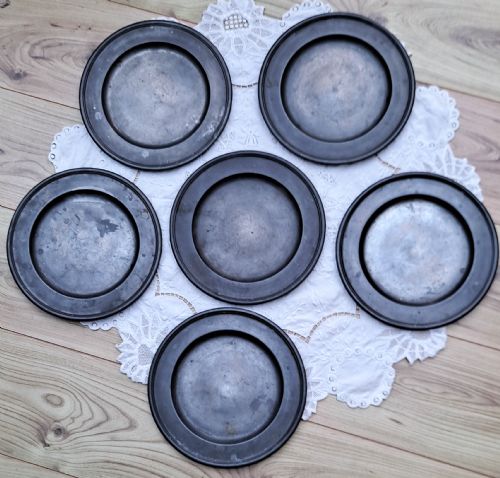
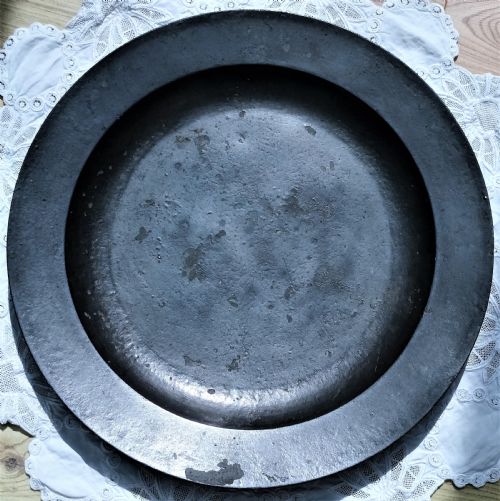
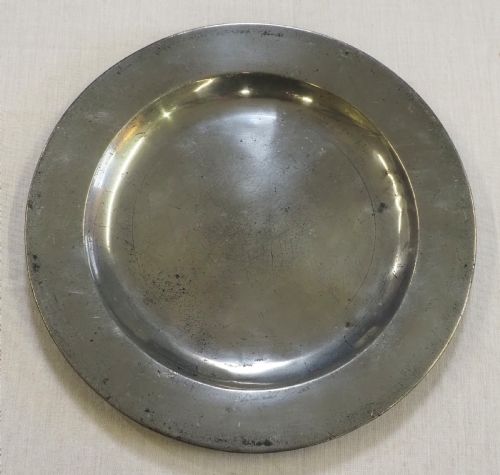
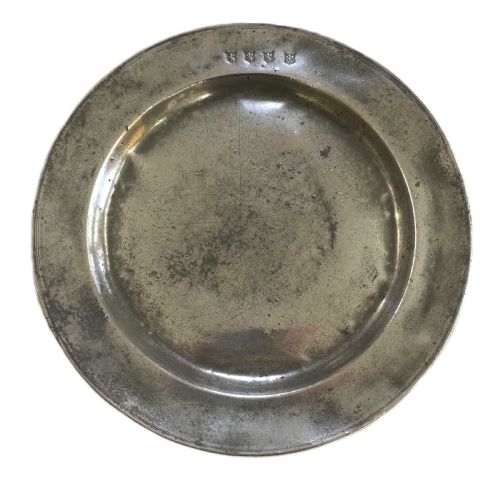
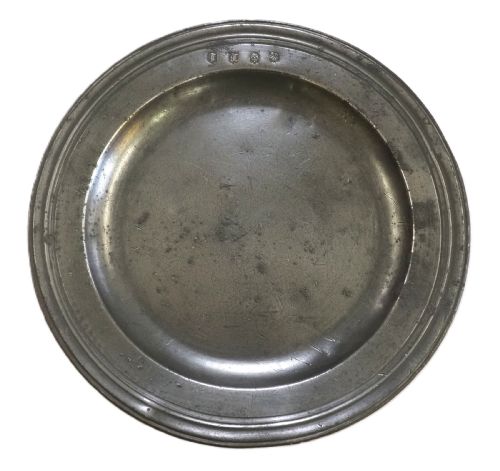
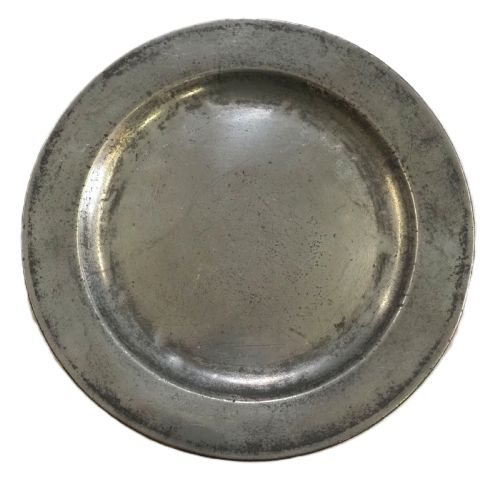
When you search for an antique pewter plate, you are looking at domestic metalware spanning from the Stuart and Charles II periods through the Georgian era and into the nineteenth century. These items include plain rim plates, multi-reeeded dishes, broad rim chargers, and deep plates used for daily dining or display.
You are most likely to meet eighteenth-century plain rim plates and chargers bearing touchmarks from London and provincial makers. English examples dominate the selection, alongside continental European pieces and later nineteenth-century sets.
The heavier chargers from the seventeenth century offer broad rims and hammered surfaces that reveal the earlier domestic interior. Sets of plates allow collectors to appreciate matching groups from known workshops.
How They Were Made
Pewter is an alloy composed primarily of tin, mixed historically with lead, copper, or bismuth to achieve durability and lustre. Makers cast the molten metal into moulds before hammering the surface by hand to harden the plate and refine its shape.
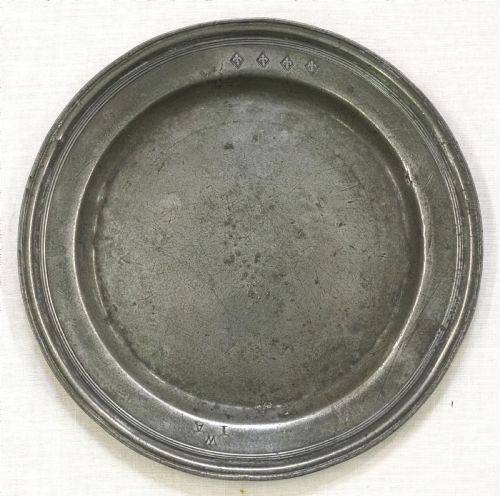
Rim details such as single, double, or triple reeds were formed using specialised turning tools on a lathe. Makers then stamped their touchmarks directly onto the soft metal to record their guild membership and workshop origin.
Antique Pewter Plate Retail Price Guide 2026
Typical asking prices for pewter plate among the pieces listed under this phrase on Sellingantiques today, from the lower quarter to the upper quarter. They describe what is for sale here now, not the wider market.
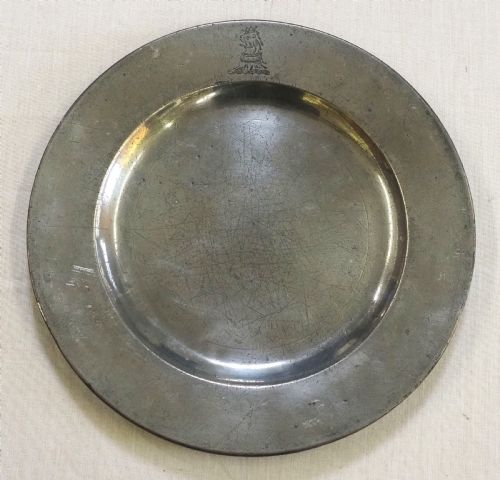
Some seventeenth-century plates carry family crests so sharp you can still trace the lion's whiskers with your thumb.
What Varies in Quality
The distinction between ordinary utility wares and top-tier pieces rests on the weight of the metal and the crispness of the touchmark. Heavy broad rims with hand-hammered surfaces command greater attention than thin, late utilitarian plates.
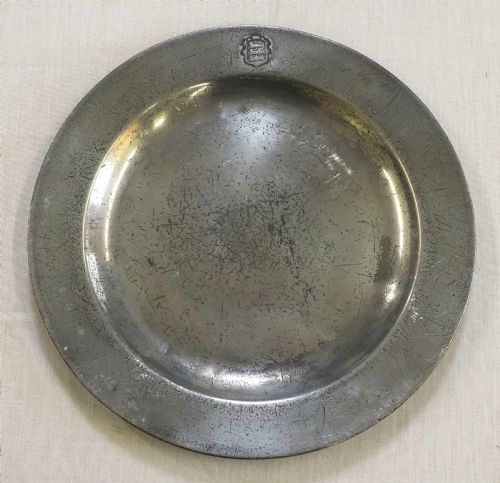
Engraved family crests, armorial bearings, or specific town touchmarks elevate a piece from standard domestic stock to a documented historical artefact. The preservation of the original surface texture without excessive polishing determines the visual depth of the metal.
John Duncomb·William Wright·Samuel Smith·T & H Compton·James Spackman·Richard King·Wood & Michell·John Trapp II·John Tubb·Robert Moulins II·Humphrey Evans II·Thomas Alderson·Thomas Templeman·Lawrence Dyer·Thomas Haward·Thomas Powell·Edward Leapidge I·William Box·John Hulls·Christopher Banckes I·Hugh Masham·Russell Laugher·John Osborn II·John Williams·Francis Piggott
The Antique Pewter Plate Glossary
- Touchmark
- The stamped signature or symbol of the pewterer pressed into the metal to certify the maker and standard. These marks are essential for dating and attribution.
- Broad Rim
- A wide outer border characteristic of seventeenth-century chargers and plates. This extra width provides space for armorial engravings and family crests.
- Reeded
- A decorative series of parallel raised rings on the rim of a plate or dish. Single, double, and triple reeded variations help identify the period of manufacture.
- Charger
- A very large plate or platter used either for serving joints of meat at the table or as a decorative display piece on a dresser. They often display extensive hand-hammering.
- Britannia Metal
- A specific form of tin-based alloy introduced later, known for its silver-like appearance and harder composition. It is frequently found on nineteenth-century tableware.
Antique Pewter Plate: Frequently Asked Questions
What is an antique pewter plate made of?
Pewter is a malleable alloy composed mainly of tin, combined historically with small amounts of copper, lead, or antimony to add strength.
This metal composition allowed makers to cast and hammer plates that held their shape while developing a deep, dark patina over centuries of use.
How do I know who made a pewter plate?
Makers stamped their personal touchmarks directly into the metal surface, often including their initials or workshop names alongside regional symbols.
Reference guides match these distinct stamps to recorded pewterers working within specific guilds and towns.
Were these plates used for daily dining?
Earlier broad rim chargers and plates served functional roles in wealthy households before passing into service in taverns and smaller homes.
Over time, larger chargers transitioned into decorative display items arranged on wooden dresser racks.
How should I clean antique pewter?
The historic surface requires minimal intervention, and gentle dusting preserves the soft grey patina built up over generations.
Aggressive metal polishes remove the aged skin and historical touchmarks that give these pieces their character.