




Antique Metalware Plate
An antique metalware plate spans centuries of domestic and decorative craft, from heavy seventeenth-century pewter chargers to refined Georgian silver plate.
Antique Metalware Plate
The antique metalware plate category encompasses flat vessels, chargers, and dishes made from durable metallic compositions across the seventeenth, eighteenth, and nineteenth centuries. A buyer searching this phrase encounters utilitarian dining wares alongside ornamental objects shaped by diverse international traditions.
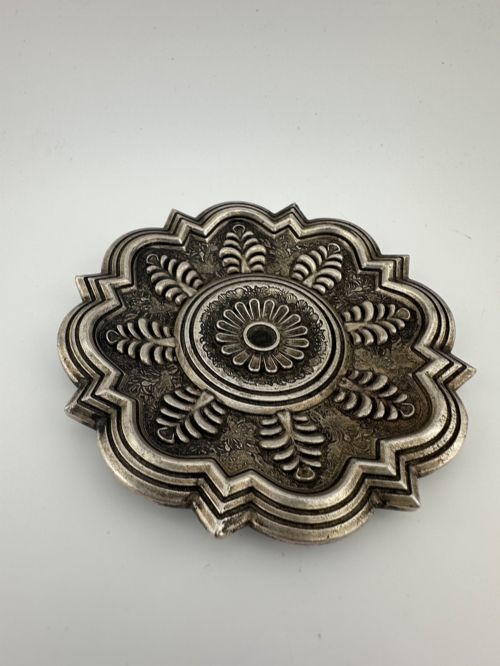
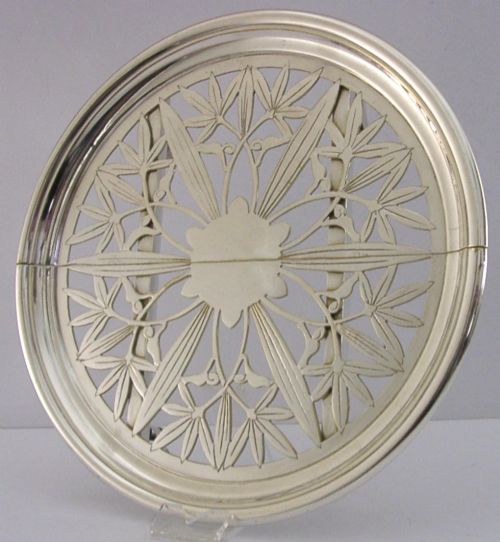
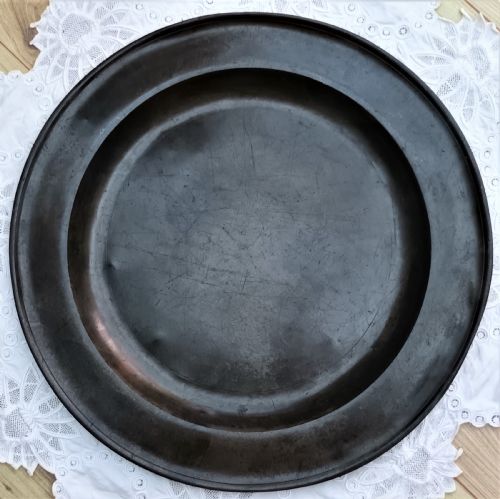
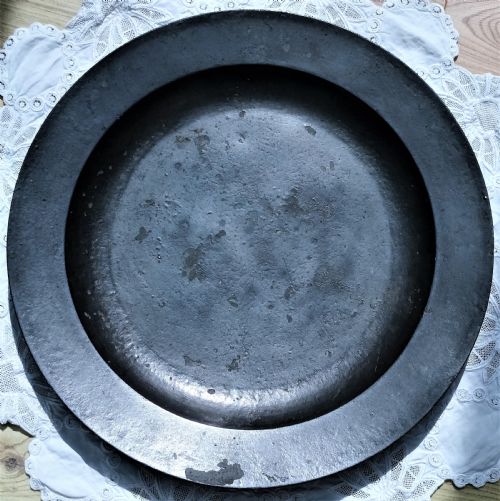
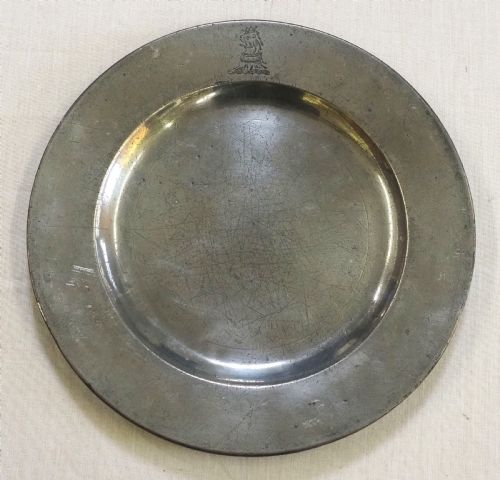
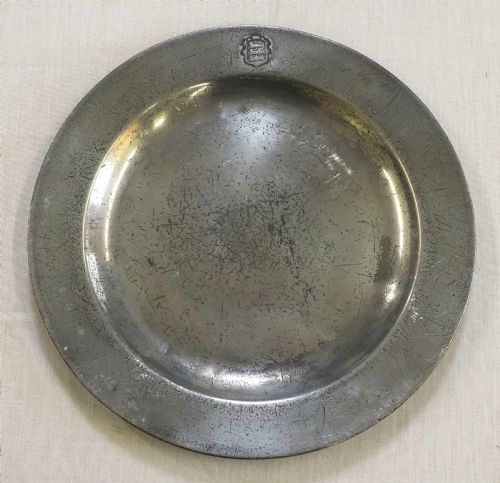
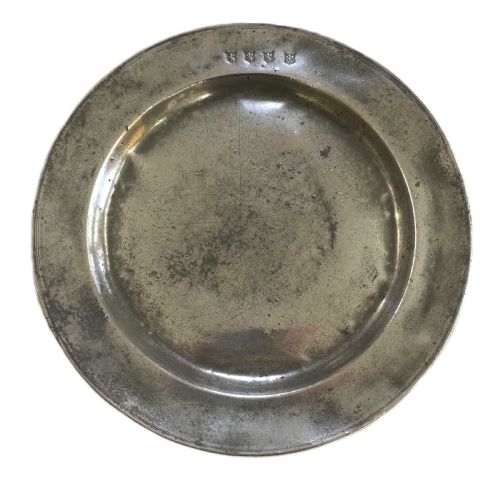
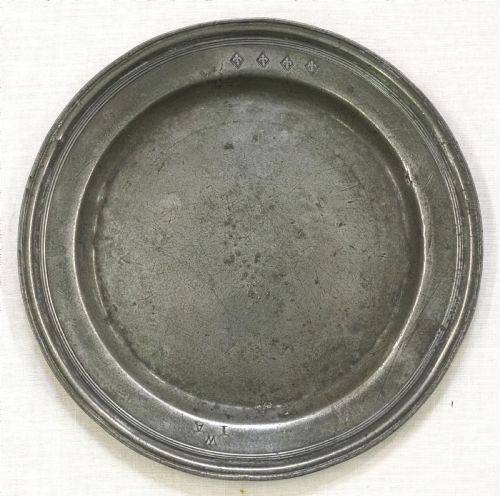
English pewter plates dominate the earlier periods, often featuring plain rims, reeded edges, or broad borders bearing touchmarks and family crests. Alongside these utilitarian eating vessels sit decorative chargers, silver-plated display dishes, and copper items originating from British, European, and Asian workshops.
How they were made
Pewter objects were cast from a mixed alloy of tin and lead or copper, then hammered by hand to achieve density and finished with lathe-turned details. Makers inscribed borders with incised lines and stamped touchmarks directly into the metal.
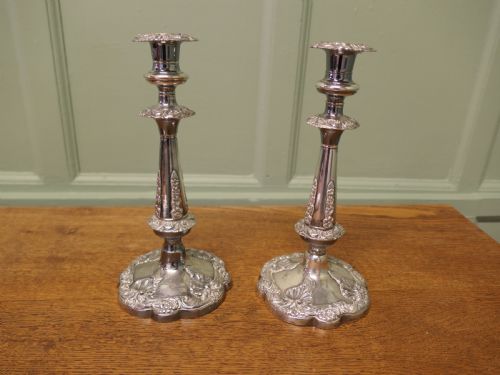
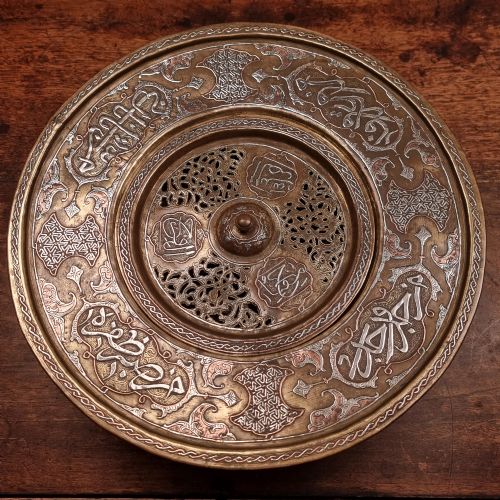
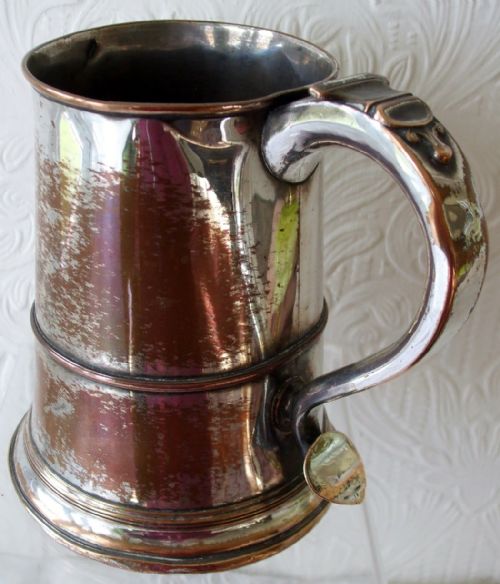
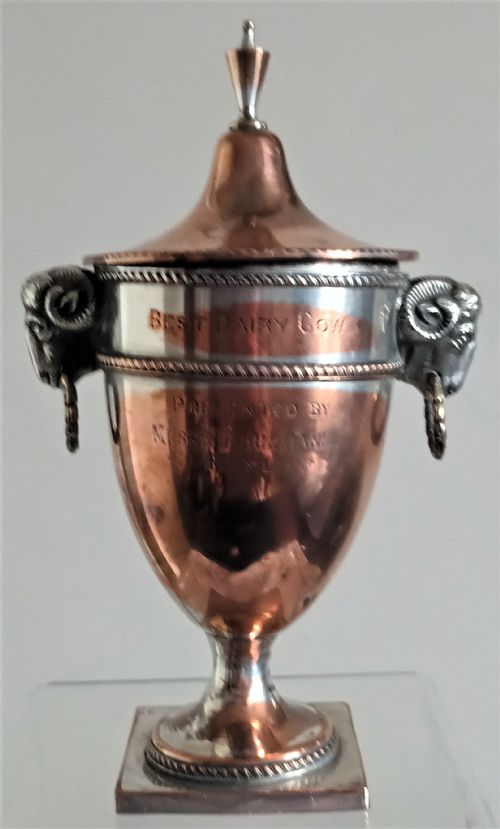
Silver plate and Old Sheffield Plate involved fusing thin layers of silver onto copper or base metal matrices, creating durable tableware that mimicked solid silver. Other pieces employed silver inlay on copper bases, electroplating, or cloisonne enamel over metal foundations.
Listings feature seventeenth-century pewter chargers alongside nineteenth-century silver-plated wares and twentieth-century cloisonne dishes.
What varies in quality
The distinction between standard domestic items and superior examples rests on the crispness of touchmarks, the weight and thickness of the metal, and the restraint or ambition of the decoration. Master pewterers and established firms applied precise hammerwork and clear maker attribution that elevate certain vessels above ordinary kitchenware.
Condition and originality dictate value in older metalwork, particularly where surface patination, engraved crests, and unpolished repairs remain intact. Pieces retaining sharp reeding, clear armorial bearings, and untouched patination demonstrate superior historical integrity.
John Duncomb·Samuel Smith·James Spackman·Wood And Michell·John Trapp Ii·Robert Moulins Ii·Thomas Templeman·Lawrence Dyer·Thomas Haward·Edward Leapidge·William Box·John Hulls·Henry Bourne·Elkington Mason·Wmf·Maison Christofle·William Wright
The Antique Metalware Plate Glossary
- Touchmark
- A stamped maker's mark impressed into pewter to identify the guild member or workshop responsible for the piece. These small stamps often provide dates and initials crucial for attribution.
- Charger
- A large ornamental or serving plate, typically measuring substantially wider than standard dining plates. Seventeenth-century examples frequently feature broad rims.
- Old Sheffield Plate
- An early composite material produced by fusing a sheet of silver to a copper ingot before rolling them together into plates. This technique predates nineteenth-century electroplating.
- Reeding
- Parallel raised mouldings or bands encircling the rim of a plate or dish. Multiple reeded borders are characteristic of specific late-seventeenth-century English pewter manufacturing traditions.
Antique Metalware Plate: Frequently Asked Questions
How do I clean antique pewter plates?
Antique pewter requires minimal intervention to preserve its historic surface and soft grey patina.
Wash gently with warm soapy water and dry thoroughly, avoiding harsh metal polishes that remove age and reduce value.
What is Old Sheffield Plate?
Old Sheffield Plate is a fused bilayer material where a thin sheet of silver is bonded to a copper core.
Developed in the eighteenth century, it allowed makers to create elegant tableware without the cost of solid silver.
How do I identify seventeenth-century pewter?
Seventeenth-century pewter plates are distinguished by heavy broad rims, hand-hammered textures, and deep touchmarks.
Many bear ownership initials or armorial crests engraved into the metal surface by early owners.
Can antique metalware plates be used for food?
Most antique metalware plates are intended for display rather than modern dining.
Older pewter often contains lead, and historic silver plate can have worn surfaces that expose underlying copper.