




English Metalware Charger
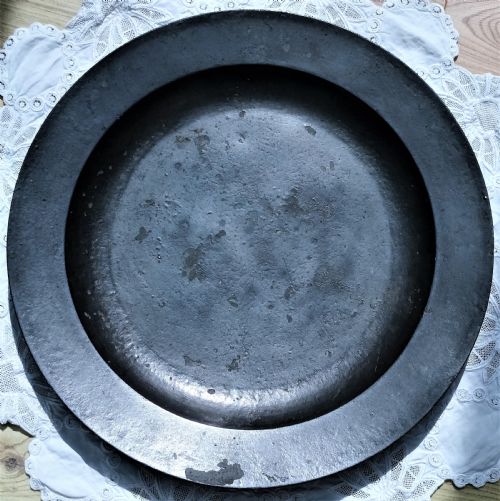
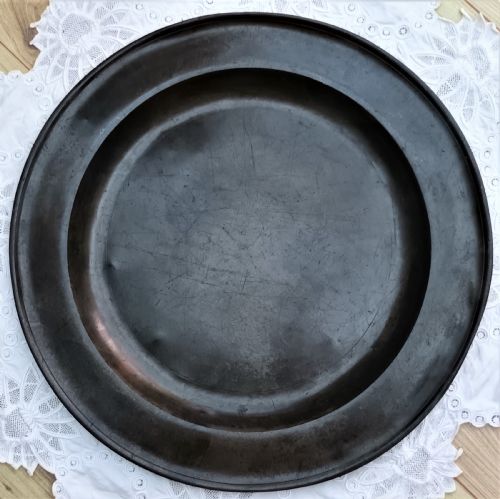
These english metalware charger examples are substantial domestic vessels cast in pewter, prized for their historic weight and patinated metal surfaces.
English Metalware Charger
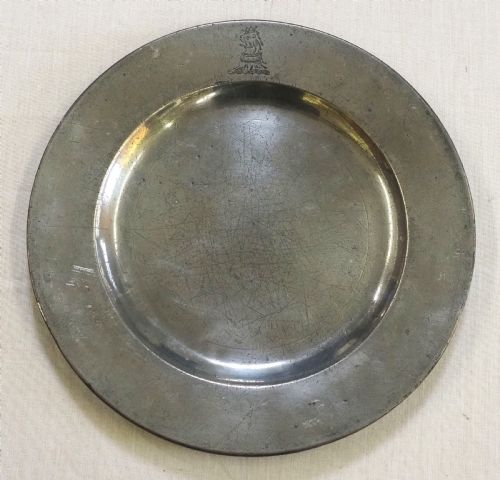
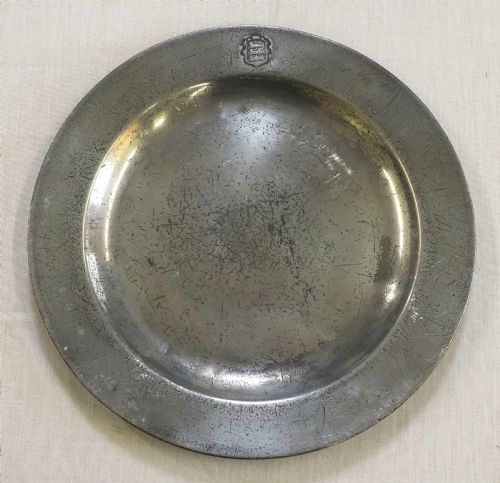
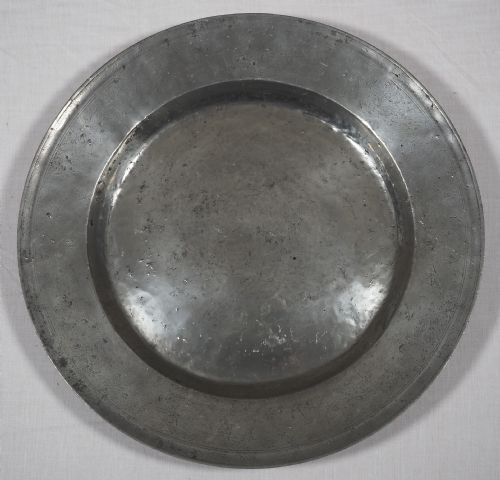
When searching for an english metalware charger, you are looking at large historic platters and dishes fashioned primarily from pewter during the seventeenth and eighteenth centuries. These substantial pieces served functional roles in domestic dining before evolving into decorative displays in country houses.
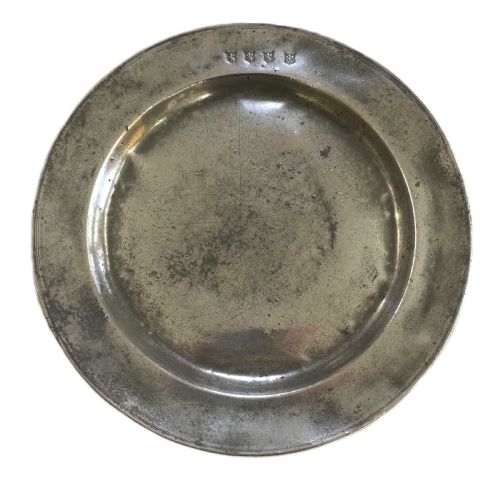
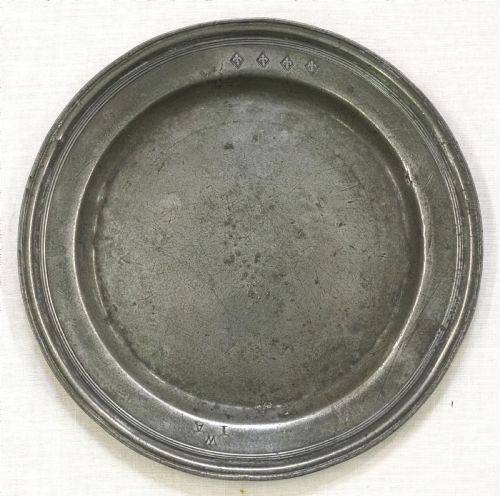
The versions most commonly met on this page date from the Georgian and Stuart periods, featuring plain rims, multiple reeded edges, or incised borders. Makers marked many of these plates with heraldic crests, coats of arms, or personal touches that denote their original ownership.
How they were made
These metalware vessels rely on traditional casting techniques using pewter, a malleable alloy of tin combined with lead or copper. Craftsmen poured molten metal into moulds to form the basic plate or charger shape before finishing the surface.
Post-casting work involved hammering all over to strengthen the metal and turning the plates on a lathe to smooth the surfaces and add decorative rim details such as multiple reeding or incised lines.
English Metalware Charger Retail Price Guide 2026
Typical asking prices for english metalware charger among the pieces listed under this phrase on Sellingantiques today, from the lower quarter to the upper quarter. They describe what is for sale here now, not the wider market.
The listings span the late seventeenth and eighteenth centuries, focusing entirely on English pewter forms such as chargers, plates, and dishes.
What varies in quality
Quality in these historic metal pieces rests upon the crispness of the maker touchmarks and the preservation of the original surface texture. Examples that retain their substantial weight and display clear ownership crests or heraldic engraving command greater interest.
The method of manufacture also distinguishes the tier of a piece, where skilled overall hammering and deliberate rim profiling demonstrate the workshop competency of the period.
John Duncomb·Samuel Smith·James Spackman·Wood and Michell·John Trapp II·Robert Moulins II·Thomas Templeman
The English Metalware Charger Glossary
- Pewter
- A traditional metal alloy composed principally of tin, often mixed with lead, copper, or bismuth, used widely for domestic tableware. This material develops a soft, dark grey patina through centuries of handling and oxidation.
- Charger
- A large ornamental or serving plate, measuring significantly broader than standard dining plates, used historically for grand table service or ceremonial display. These substantial pieces anchor historic dining room collections.
- Touchmark
- An identifying stamp or hallmark struck into the metal by a pewterer to register their name and workshop standard with the trade guild. These marks help researchers attribute pieces to specific makers.
- Reeding
- A decorative moulding consisting of parallel raised bands carved or turned into the rim of a metal plate. This technique adds structural rigidity and visual refinement to the vessel border.
- Incised rim
- A border decoration formed by cutting shallow linear grooves directly into the face of the pewter plate. This subtle detailing frames the central well of the charger.
English Metalware Charger: Frequently Asked Questions
What is an english metalware charger used for?
These large pewter vessels functioned historically as grand serving platters for communal dining tables in substantial households. Over time, many transitioned into decorative items displayed on dresser backs or walls.
Today, collectors appreciate them for their historic presence and use them as centrepieces or decorative wall platters in traditional interiors.
How do I clean antique pewter chargers?
Historic pewter requires minimal intervention to preserve the aged surface skin and dark grey patina that collectors value. Washing gently with mild soap and warm water followed by immediate drying is usually sufficient.
Avoid using abrasive metal polishes or harsh chemical cleaners, as these strip away centuries of accumulated oxidation and reduce the historical character.
How can I date an antique pewter plate?
Dating relies on examining the rim style, manufacturing technique, and any maker touchmarks stamped into the metal surface. Plain rims and hammered finishes often point towards seventeenth-century production, while later Georgian examples display distinct stylistic refinements.
Cross-referencing recorded touchmarks with historic pewterer registers provides a reliable framework for establishing the active working years of the maker.
Where were these metal objects made?
English pewterers operating in London and regional workshops produced these domestic vessels during the Stuart and Georgian eras. Guild regulations required makers to stamp their touchmarks to certify the quality of the tin alloy.
Many surviving pieces carry regional town marks or personal initials that connect the domestic items to specific British workshops and trading centres.