


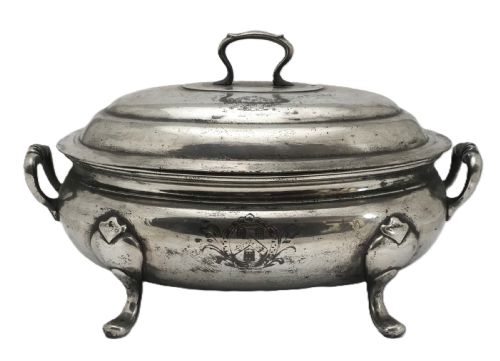
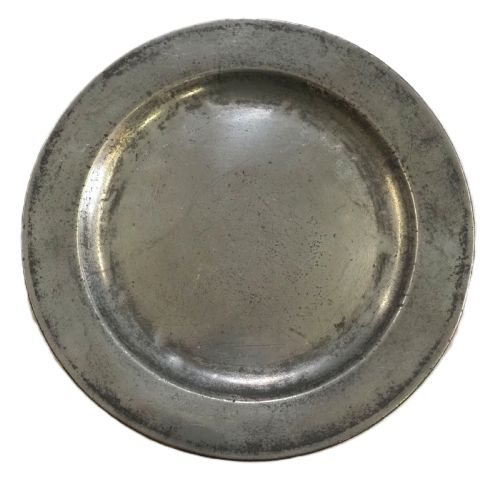
Antique Pewter Dish
An antique pewter dish carries centuries of metalworking heritage into the modern home through its tactile weight and subdued lustre.

Antique Pewter Dish
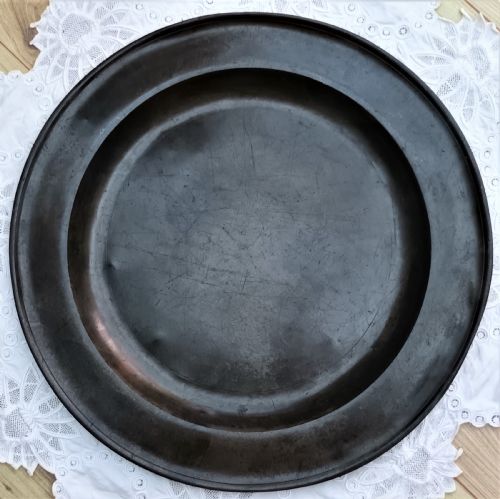
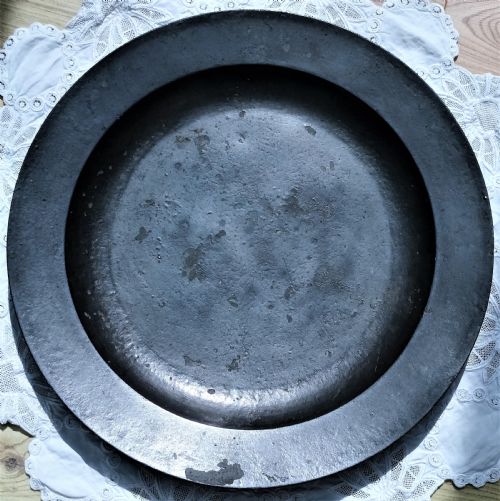
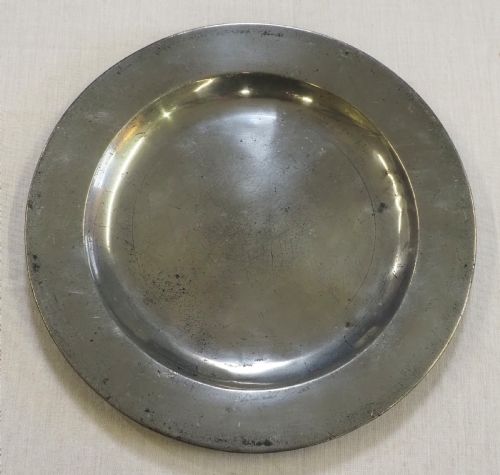
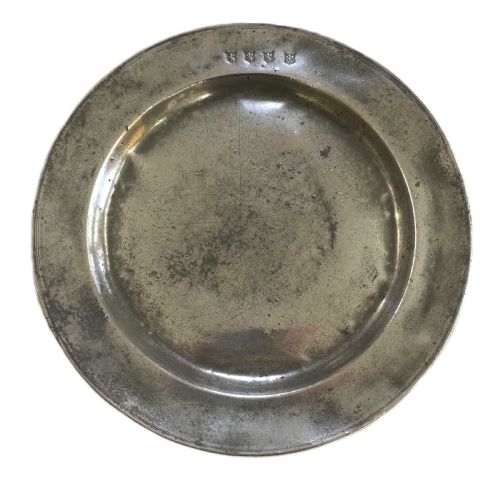
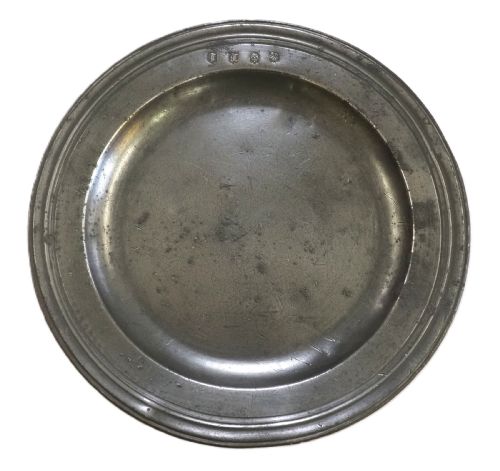
An antique pewter dish encompasses everything from broad seventeenth-century chargers and plain rim plates to nineteenth-century basins and twentieth-century decorative bowls. These items span periods from Charles II and William & Mary through the Georgian era to Art Nouveau and Arts & Crafts designs.
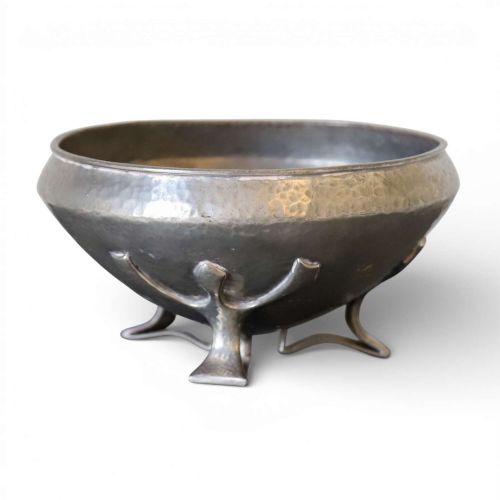
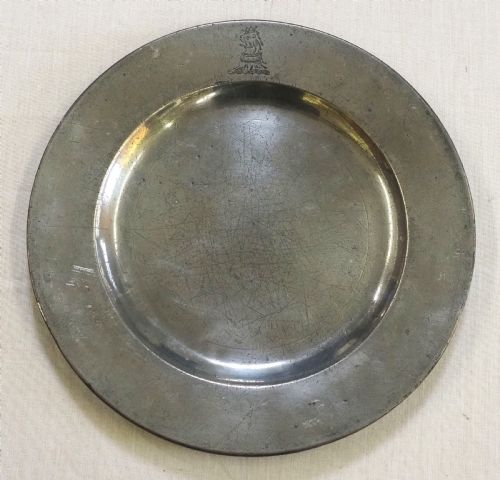
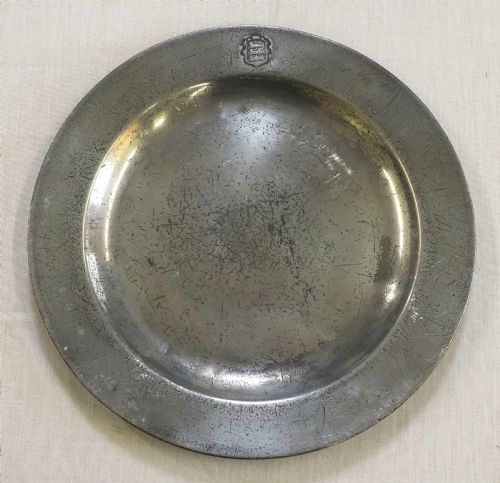
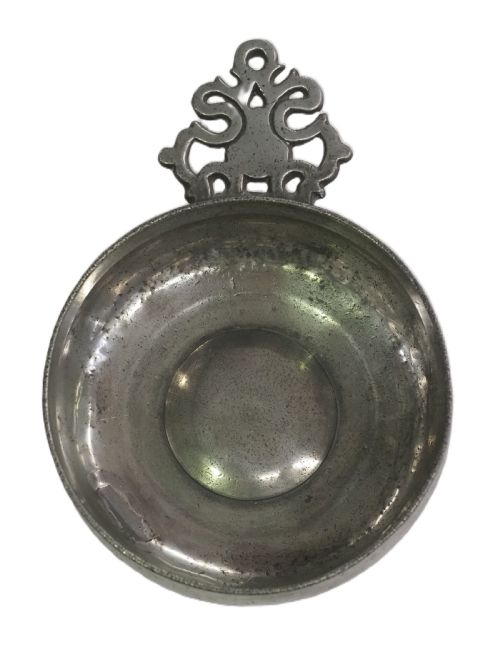
Makers utilised tin alloy compositions to form utilitarian domestic vessels and ornamental serving pieces alike, featuring engraved family crests, coats of arms, or hammered surfaces. The selection ranges from wide dining chargers to small porringers and card trays.
How they were made
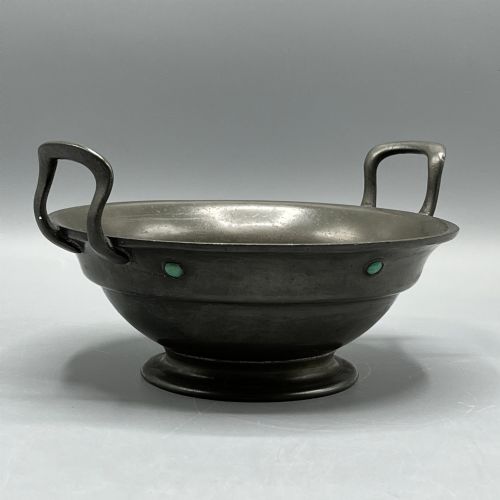
Pewter and Britannia metal formed the primary body of these vessels, sometimes combined with glass inserts such as ruby glass or cut glass, and occasionally enhanced with cabochons or enamel work. Artisans shaped the alloy through casting, hammering, and lathe-turning to achieve sturdy plates, chargers, and bowls.
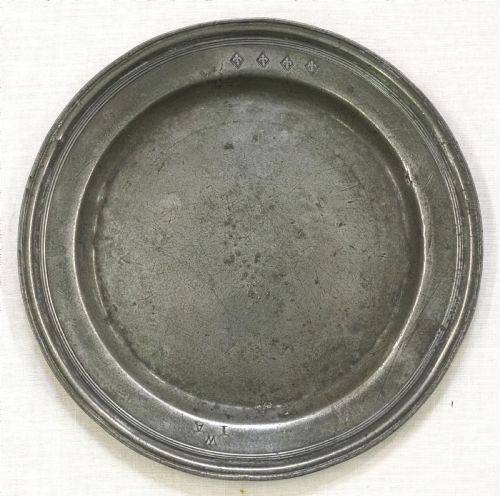
Makers marked their output using touchmarks stamped directly into the metal, while surface decoration involved hand-engraving crests, incising rims with reeding, or beating the metal all over to create textured finishes.
Antique Pewter Dish Retail Price Guide 2026
Typical asking prices for pewter dish among the pieces listed under this phrase on Sellingantiques today, from the lower quarter to the upper quarter. They describe what is for sale here now, not the wider market.
Some seventeenth-century plates carry the proud scratches of family crests meant to deter dinner table thieves.
What varies in quality
The distinction between ordinary and exceptional examples rests upon the crispness of the touchmark, the weight and gauge of the metal plate, and the presence of original heraldic engraving or crests. Thicker broad rims and deliberate all-over hammering demonstrate superior craftsmanship.
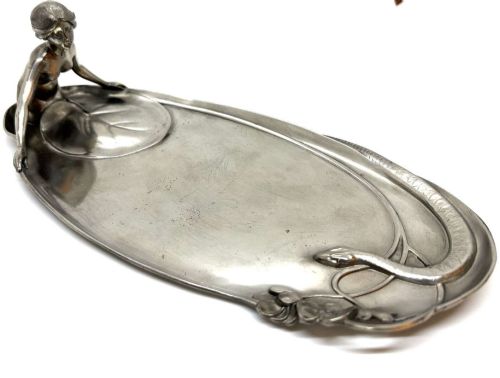
Artistic collaboration elevates certain pieces, such as Tudric designs produced by Liberty & Co. or figural works by WMF, where sculptural detail and integrated glass elements distinguish the object from standard utilitarian ware.
John Duncomb·Samuel Smith·T & H Compton·James Spackman·Richard King·Wood & Michell·John Trapp II·John Tubb·Robert Moulins II·Humphrey Evans II·Thomas Alderson·Lawrence Dyer·Thomas Haward·Thomas Powell·Edward Leapidge I·Oliver Baker·John Whitaker·John Batcheler·Robert Garratt·John Shorey I·Archibald Knox·Carpenter and Hamberger·Henry and Richard Joseph
The Antique Pewter Dish Glossary
- Charger
- A large decorative or serving plate, often measuring over sixteen inches in diameter. These substantial pieces sat at the centre of early dining tables.
- Porringer
- A small, handled bowl used for porage, liquids, or as a sugar basin. They frequently feature pierced or solid ear handles.
- Touchmark
- A maker's stamp pressed into the pewter to indicate the workshop or guild member responsible for the piece. Guild regulations required these marks to guarantee alloy standards.
- Reeding
- Raised parallel rings encircling the rim of a plate or dish. Single, double, and triple reeded borders define distinct chronological styles.
- Britannia metal
- A specific tin-based alloy introduced in the eighteenth century, valued for its bright finish and suitability for spinning into modern forms like Art Nouveau tazze.
Antique Pewter Dish: Frequently Asked Questions
How do I clean antique pewter?
Wash the metal gently with warm soapy water and dry it immediately with a soft cloth to protect the surface. Avoid harsh commercial polishes that strip away the historic dark patina.
Preserving this natural oxidation keeps the authentic antique character intact for future generations of collectors to appreciate.
Can I use these dishes for food?
Older compositions often contain lead alongside tin, meaning they are unsuited for acidic or wet foodstuffs today. Displaying them as decorative objects prevents any potential chemical interaction.
Twentieth-century iterations made from Britannia metal or modern pewter alloys are generally stable, though visual display remains the standard practice for antiques.
What is a touchmark?
A touchmark is an individual stamp impressed by the metalsmith into the soft alloy to denote their workshop. These symbols functioned as a quality guarantee regulated by guilds.
Locating and identifying a clear touchmark allows collectors to trace a piece back to a specific maker and era.
Why are some rims reeded?
Rim mouldings evolved across decades, shifting from plain flat borders to single, double, or triple raised parallel rings. These decorative lines stiffened the plate rim and reflected changing stylistic preferences.
Examining the rim style provides a reliable indicator for dating seventeenth and eighteenth-century items.