





Antique Persian Tribal Art
Antique persian tribal art brings together nomadic textiles, woven bags and floor coverings created across Persia using traditional methods.
Antique Persian Tribal Art
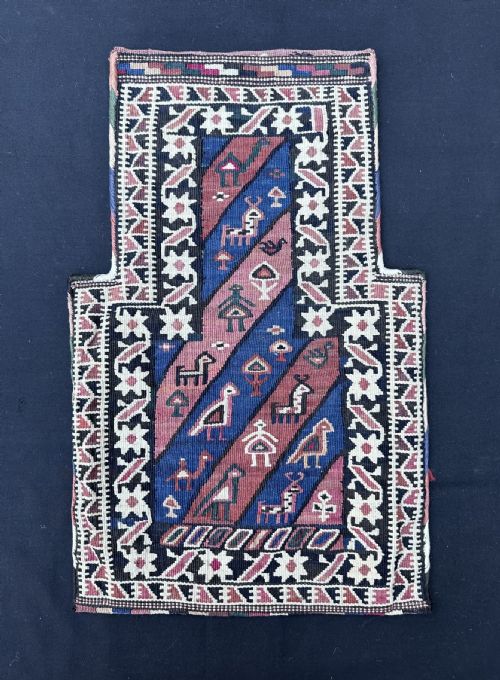
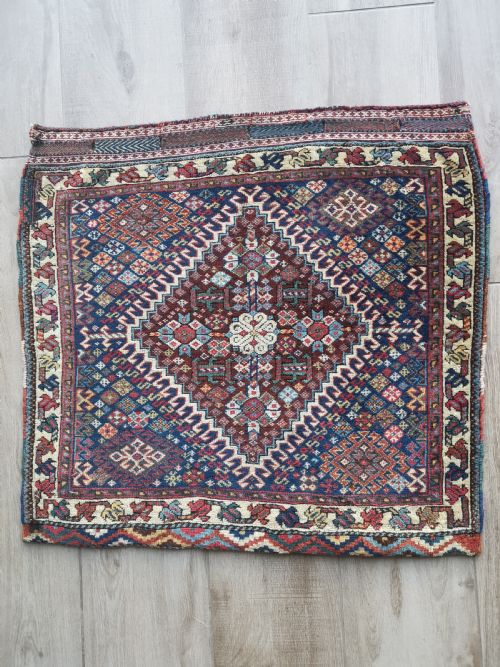
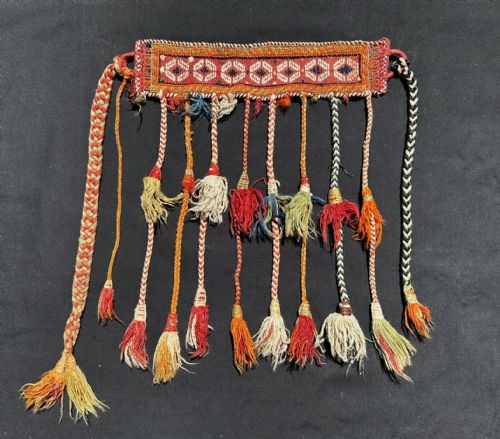
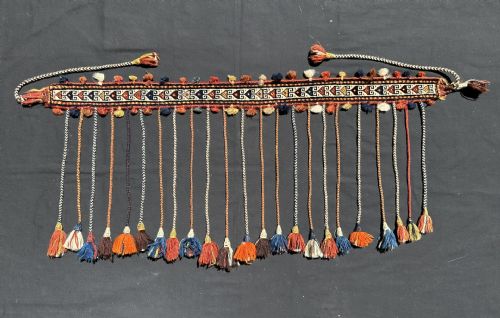
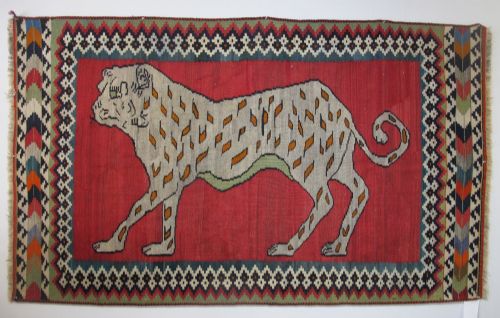
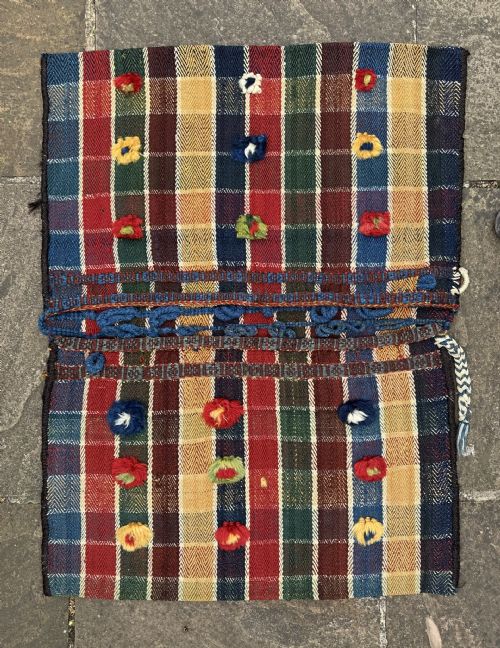
Antique persian tribal art comprises woven nomadic items such as salt-bags, saddle bags, kilims, and wall hangings produced by various regional groups. These functional objects served daily purposes within nomadic life, from grain storage to horse decoration.
Materials and construction
Weavers utilised hand-spun wool, cotton foundations, and sometimes goat hair or silk to create durable textiles. Natural dyes provided the deep colour palette seen across these nineteenth-century pieces.
Techniques range from standard pile weaving to flat-woven soumak work and jajim structures. These methods allowed nomadic makers to produce both heavy storage pouches and lightweight decorative hangings.
The inventory includes specialised forms such as baby cradles, bread sofrehs, and horse decorations alongside standard saddle bags.
Judging quality in tribal weaving
Quality rests in the tightness of the weave, the clarity of the tribal motifs, and the vibrancy of the natural dyes. Tightly packed knots and precise geometric execution separate finer regional examples from simpler utility pieces.
The sophistication of the design, such as complex bird or animal depictions within soumak work, also indicates a higher standard of craftsmanship. Age and original completeness further distinguish exceptional survivals.
The Antique Persian Tribal Art Glossary
- Soumak
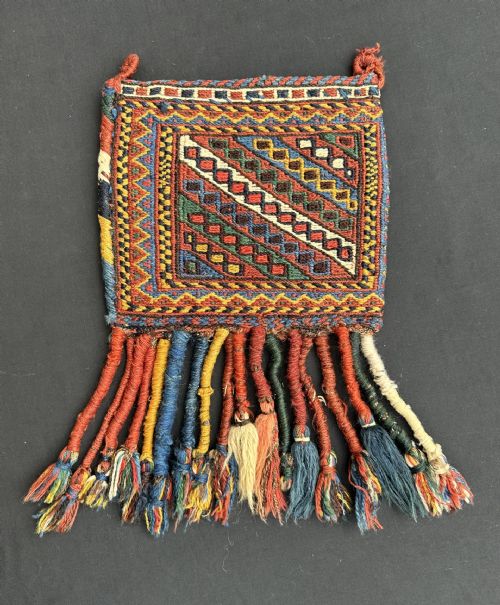
- A flat-weaving technique that wraps supplementary weft threads around the warp to create a textured, durable surface. This method appears frequently on storage bags and bag faces.
- Chanteh
- A small traditional tribal bag or pouch used for personal items or documents. These pieces often feature characteristic geometric designs.
- Sofreh
- A flat-woven spread or cloth used for serving bread or meals within nomadic households. They display striking regional patterns.
- Jajim
- A flat-woven textile typically constructed in narrow strips and stitched together. Silk examples occasionally appear in nineteenth-century collections.
- Kilim
- A tapestry-woven carpet or rug made without a pile. These flat surfaces highlight the sharp geometry favoured by nomadic weavers.
Antique Persian Tribal Art: Frequently Asked Questions
What is a nomadic salt bag?
Nomadic salt bags, or namakdan, were specialised woven pouches utilised by tribal groups to store rock salt for livestock or domestic use. Their narrow necks prevented the contents from spilling during travel.
These functional items often display intricate regional patterns and pile weaves on the front face. Collectors prize them today as compact examples of tribal textile design.
How do I identify Qashqai weavings?
Qashqai weavings originate from nomadic groups in the Fars province of south-west Persia. They frequently incorporate boteh motifs, animal figures, and rich madder-red tones.
The handle of the wool and the specific structural characteristics help separate them from other regional groups. Detailed horse decorations and saddle bags are typical forms associated with these makers.
How should I display tribal textiles?
Smaller textile pieces like bagfaces and chantehs suit mounting on neutral linen behind glass or hanging directly from a discreet rod. Proper support prevents the wool foundation from stretching under its own weight.
Keeping them away from direct sunlight protects the natural dyes from fading over time. Rotating the position occasionally helps ensure even environmental exposure.