
Nomadic Wall Hanging
A nomadic wall hanging brings the rich textile traditions of Central Asian and Persian tribal groups directly into a modern interior.
Nomadic Wall Hanging
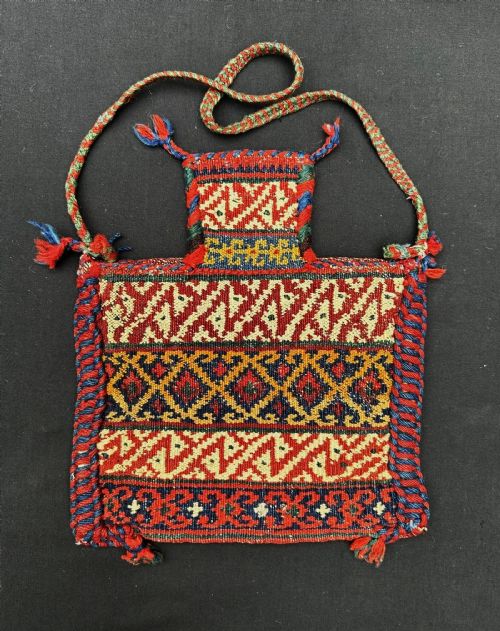
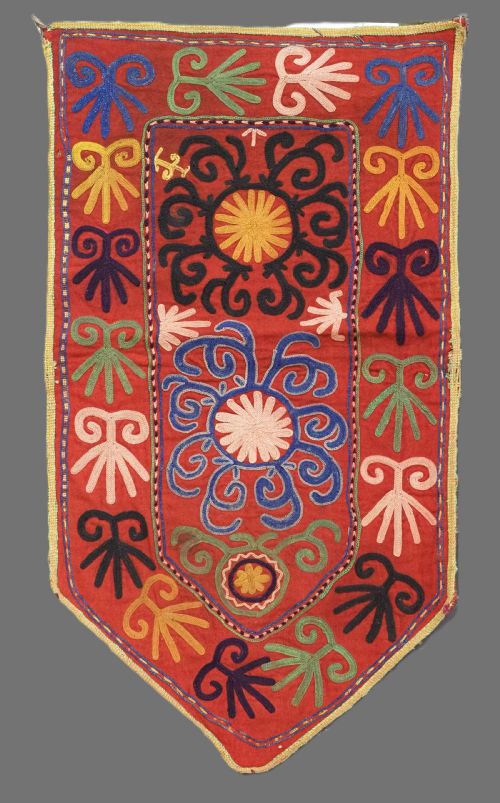
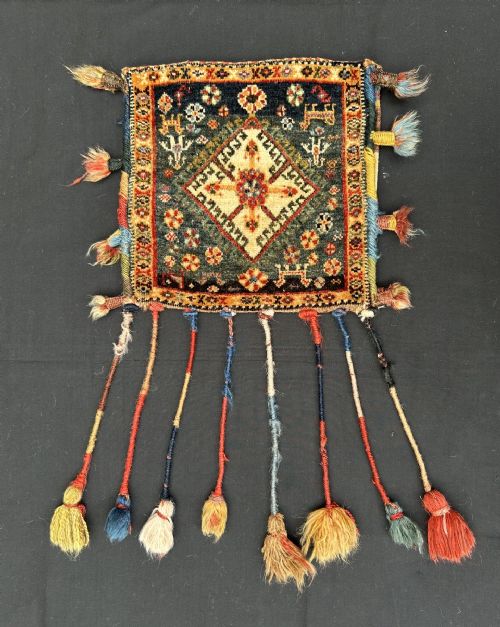
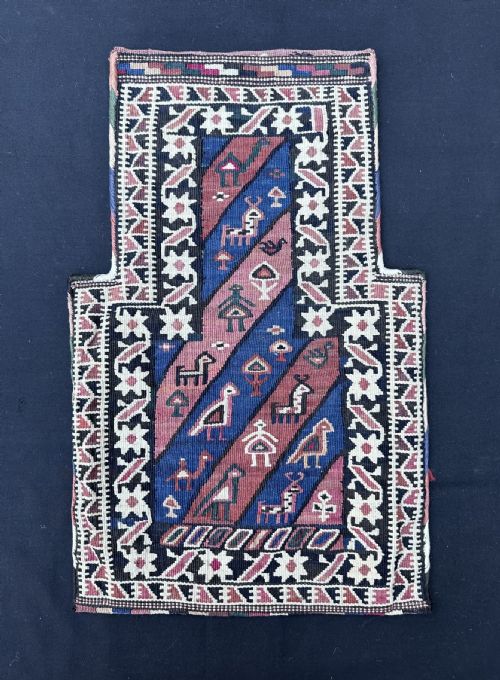
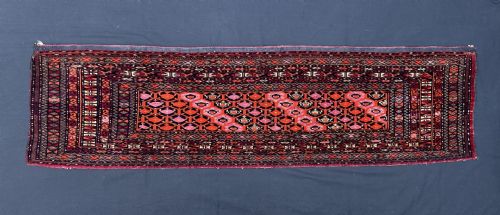
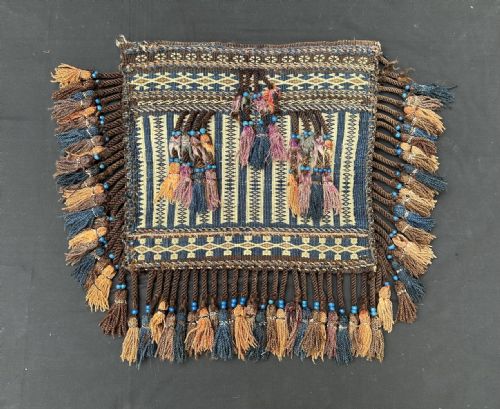
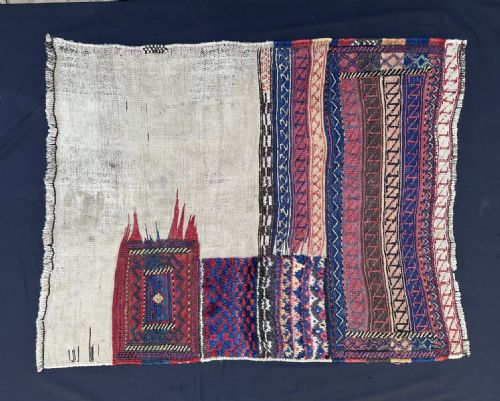
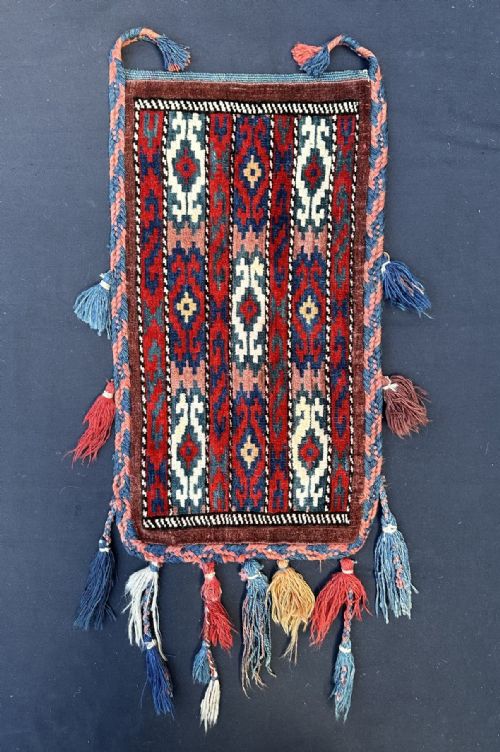
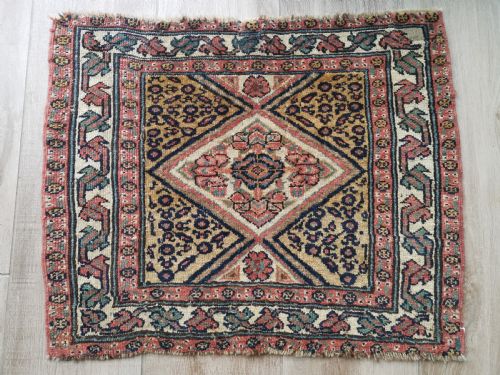
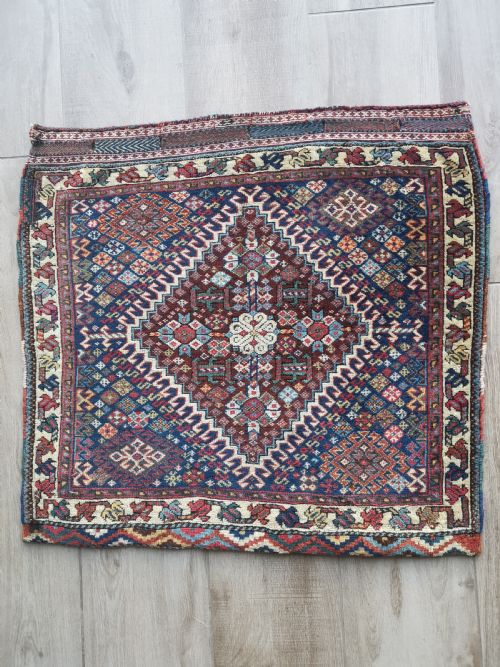
A nomadic wall hanging on this page typically originates from nineteenth and early twentieth-century tribal groups across Persia, Central Asia, and Afghanistan. Buyers will find that many of these items began their lives as utilitarian objects, such as storage bags, salt bags, animal trappings, and dowry embroideries.
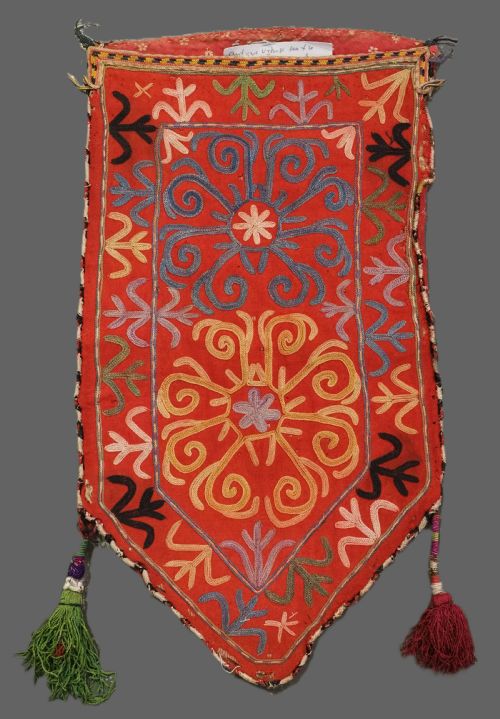
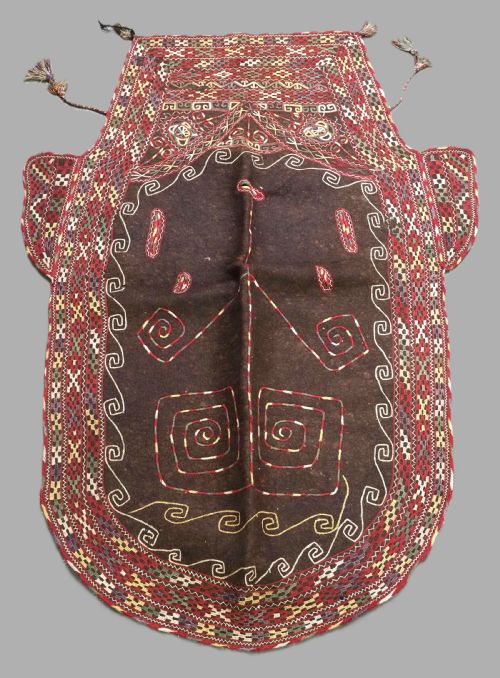
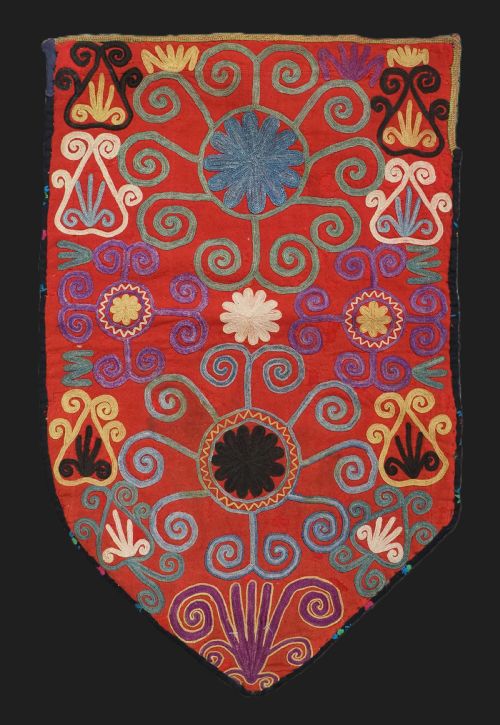
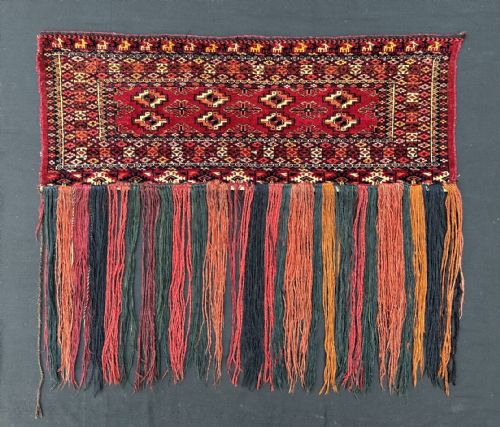
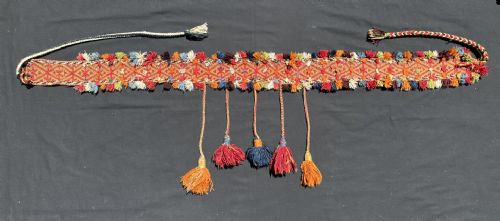
The selection ranges from Yomut and Tekke Turkmen tent bands and bag faces to Uzbek Lakai tribal embroideries intended specifically for wall display. These textiles display distinct regional motifs that reflect the specific nomadic confederacy or tribe of their makers.
Materials and construction methods
These textiles rely principally on hand-spun wool and cotton, often combined with silk elements and structured felted wool for durability. Artisans utilised natural dyes derived from local plants and minerals to achieve deep, lasting shades of red, indigo, and earth tones.
Construction techniques vary from intricate pile weaving and flatweave structures to dense silk and cotton embroideries applied to wool or felt foundations. Many pieces incorporate specialised looping and supplementary weft techniques unique to specific tribal groups.
Nomadic Wall Hanging Retail Price Guide 2026
Typical asking prices for nomadic wall hanging among the pieces listed under this phrase on Sellingantiques today, from the lower quarter to the upper quarter. They describe what is for sale here now, not the wider market.
Current listings feature nineteenth and early twentieth-century pieces constructed from hand-spun wool, cotton, silk, and felt using natural dyes.
Assessing quality in tribal textiles
Quality in these pieces rests upon the tightness of the weave or density of the embroidery, alongside the complexity and precision of the tribal motifs. Superior examples maintain crisp geometric alignment and secure structural integrity across the foundation wool or cotton.
The depth and brilliance of the natural dyes significantly influence the visual impact of a piece, with well-preserved chromatic ranges indicating careful preparation and dyeing methods. Original elements, such as surviving tassels, complete borders, and untouched backs, further distinguish finer examples.
The Nomadic Wall Hanging Glossary
- Torba
- A small Turkmen wall hanging or storage bag traditionally used inside a yurt. These rectangular pieces often display repeating guls and were hung against the lattice walls.
- Asmalyk
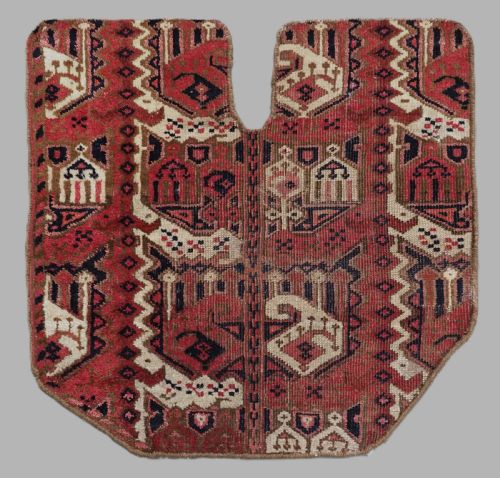
- A ceremonial camel trapping produced by Yomut and other Turkmen tribes for wedding processions. They are typically pentagonal or hexagonal in shape and later repurposed as wall decorations.
- Ilgich
- An Uzbek Lakai tribal embroidery piece used for domestic decoration and dowry display. They are characterised by dynamic, curvilinear silk embroidery on a wool or cotton ground.
- Sofreh
- A flatwoven spread or cloth used for sharing meals or preparing bread in nomadic households. Their minimalist designs often focus on central medallions and border geometry.
- Chuval
- A large Turkmen storage bag face woven in tent-dwelling communities. These pieces demonstrate high knot densities and complex primary and secondary gull patterns.
Nomadic Wall Hanging: Frequently Asked Questions
What is a nomadic wall hanging?
A nomadic wall hanging is a textile originating from tribal and nomadic communities in regions such as Persia, Central Asia, and Afghanistan. Many examples on this page were adapted from utilitarian items like storage bags, horse blankets, and dowry pieces.
These textiles are now displayed on interior walls to showcase traditional tribal motifs, natural dye palettes, and historical hand-weaving techniques.
How were these tribal textiles used originally?
In nomadic societies, these woven and embroidered pieces served practical and ceremonial functions within portable dwellings like yurts and tents. Items stored household possessions, carried salt or personal items, or decorated riding animals during tribal weddings and migrations.
Over time, many of these functional objects have been transitioned into decorative wall art to preserve their cultural history and craftsmanship.
How do I care for an antique wall hanging?
Protecting an antique textile involves keeping it away from direct, prolonged sunlight to prevent natural dyes from fading. Displaying the piece using a padded sleeve or archival mounting system distributes the weight evenly across the fabric.
Routine maintenance requires gentle surface dusting with a soft brush rather than rigorous vacuuming or chemical cleaning methods.
How can I tell different tribal styles apart?
Tribal styles are distinguished by their specific structural formats, regional colour palettes, and characteristic geometric or curvilinear motifs. Turkmen pieces frequently feature repeating guls on deep red grounds, whereas Uzbek Lakai embroideries display vibrant, raised silk chain-stitch patterns.
Persian confederacies such as the Qashqai and Afshar typically utilise finely knotted wool structures with stepped medallions and animal figures.