



Antique Felt Wall Hanging
These antique felt wall hanging selections bring tangible nomadic heritage and rich tribal texture into a modern interior.
Antique Felt Wall Hanging
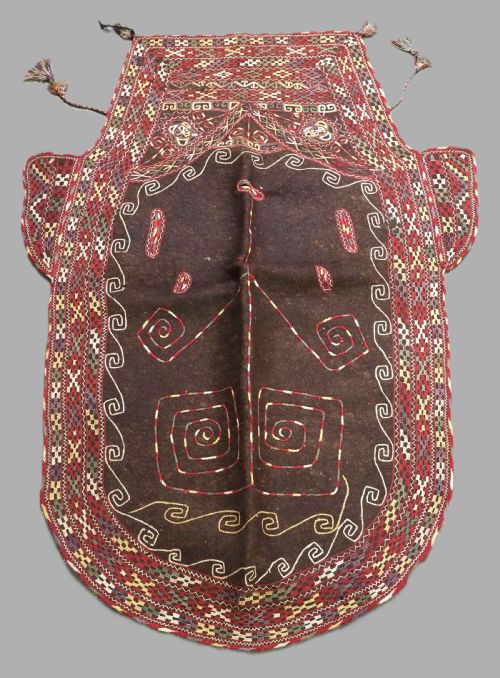
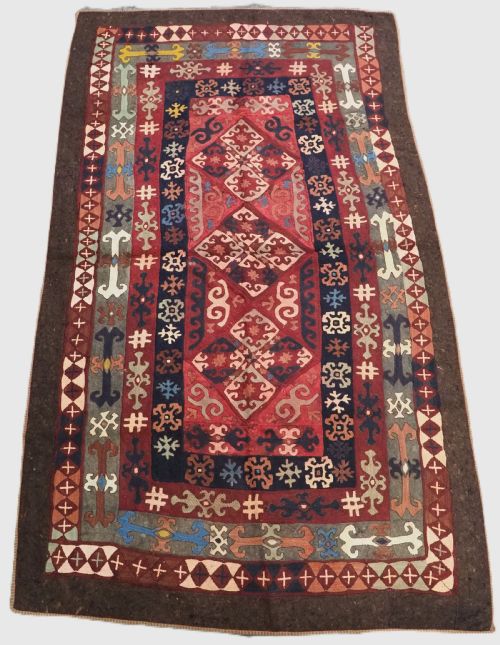
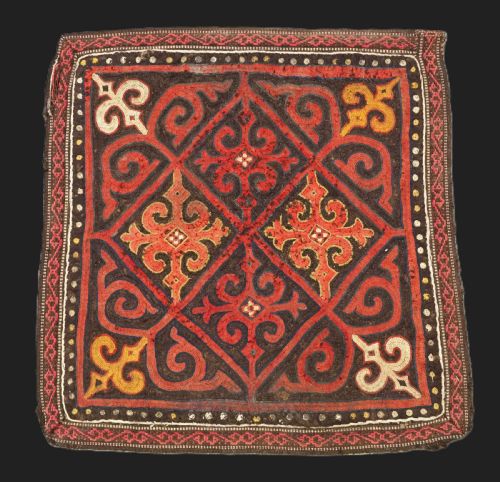
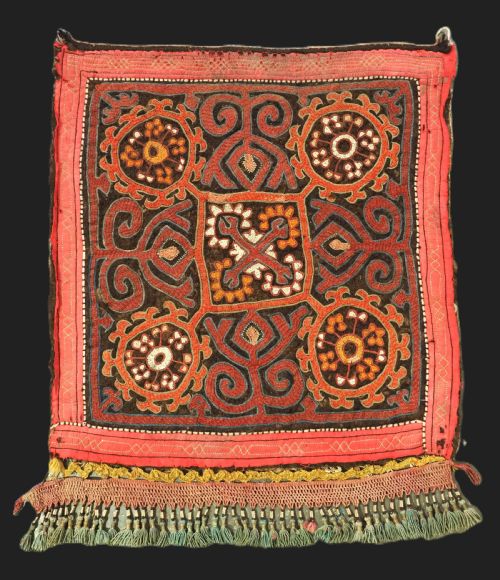
An antique felt wall hanging represents a tradition of textile art shaped by Central Asian nomadic and tribal makers. These pieces encompass ceremonial horse blankets, embroidered rugs, and detailed decorative panels created around the turn of the twentieth century.
The assortment on this page draws heavily from Persian Rasht embroidery, Kyrgyz and Kirghiz panels, and Yomut Turkmen horse blankets. Each object demonstrates the practical application of felted wool transformed into significant interior decoration.
Makers utilised heavy wool felt as a sturdy foundation for intricate needlework executed in silk and cotton thread. The resulting panels combine robust pastoral materials with refined ornamental design.
What varies in quality
The sophistication of the needlework and the complexity of the design separate different grades of execution. Finer examples display meticulous silk embroidery and balanced composition across the felt field.
The condition and weight of the underlying wool felt influence the integrity of the piece. Superior specimens retain their original fringes, tassels, and vibrant thread colours without excessive fibre loss.
Antique Felt Wall Hanging Retail Price Guide 2026
Typical asking prices for felt wall hanging among the pieces listed under this phrase on Sellingantiques today, from the lower quarter to the upper quarter. They describe what is for sale here now, not the wider market.
Listings span the period from eighteen-eighty to nineteen-hundred, featuring wool felt, silk thread, and cotton.
The Antique Felt Wall Hanging Glossary
- Felt
- A non-woven textile produced by matting, condensing and pressing wool fibres together. This material forms the primary heavy backing for these tribal panels.
- Appliqué
- A needlework technique where smaller pieces of fabric are sewn onto a larger foundational ground. In these textiles, contrasting fabrics create distinct patterns on the felt surface.
- Rasht embroidery
- A traditional Persian textile craft originating from the city of Rasht, characterised by dense inlay and chain stitch embroidery on wool felt. These works frequently feature floral and star medallions.
- Ok bash
- A traditional Kyrgyz felt container or cover traditionally used for tent poles. These objects often incorporate decorative tassels and precise embroidery.
- Turkmen
- Pertaining to the nomadic and semi-nomadic tribal groups of Central Asia. Their textile traditions include ceremonial horse blankets and utilitarian felt items.
Antique Felt Wall Hanging: Frequently Asked Questions
How do I hang a felt textile?
These panels require gentle support across the upper edge to distribute weight evenly without pulling the fibres. A professional framer or textile conservator can mount the piece using a concealed fabric sleeve or archival backing.
Direct attachment through the felt itself should be avoided to prevent tearing. Using a supportive wooden batten or custom mount preserves the structural integrity of the wool.
Where were these textiles made?
The pieces originate primarily from Central Asia and Persia, created by nomadic and tribal communities. Regions such as Uzbekistan, Kyrgyzstan, and towns like Rasht contributed distinct regional styles.
Maker communities included Turkmen, Lakai, and Kyrgyz groups who utilised local pastoral materials. Each culture developed specific embroidery patterns and assembly methods.
How do I clean an antique felt panel?
Surface dust can be removed gently using a soft brush or low-suction vacuum through a protective mesh screen. Water and standard cleaning agents risk shrinking the wool and destabilising the silk threads.
Professional textile conservators should handle any significant staining or structural repair. Keeping the panel away from direct sunlight prevents fading in the dyed wool and silk.
What is the difference between a rug and a panel?
Rug formats generally served functional roles within nomadic dwellings, providing ground cover or heavier insulation. Panels and ceremonial covers were often created for decorative display or specific rituals.
While both share wool felt foundations, panels frequently feature more delicate silk embroidery and applied fringes intended for vertical viewing.