






Nomadic Embroidery Panel
These nomadic embroidery panel pieces bring vibrant Central Asian tribal artistry into a room, offering rich textile history for your walls.
Nomadic Embroidery Panel
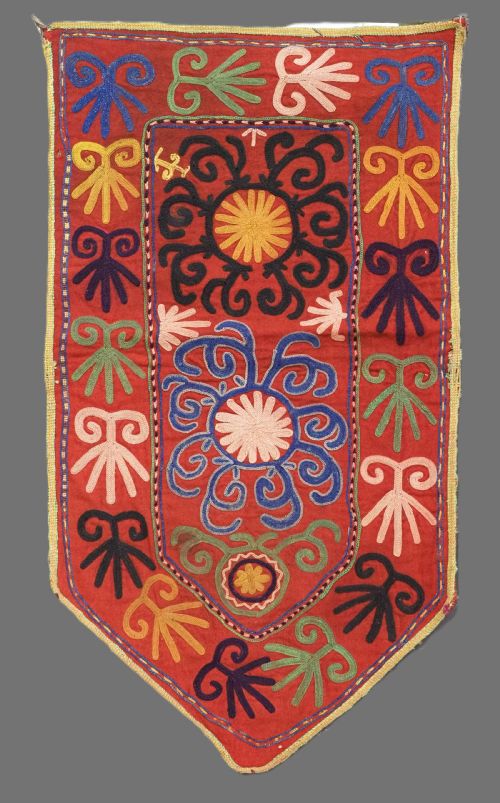
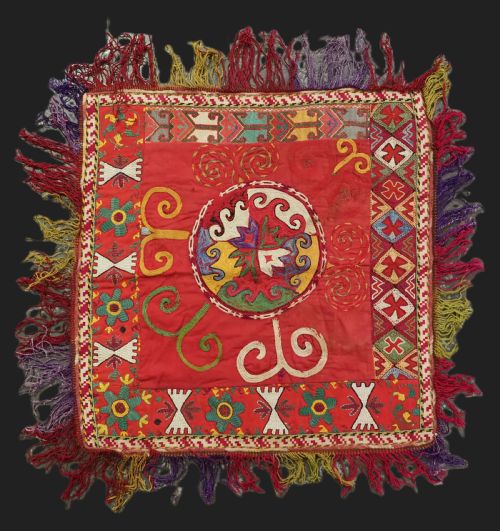
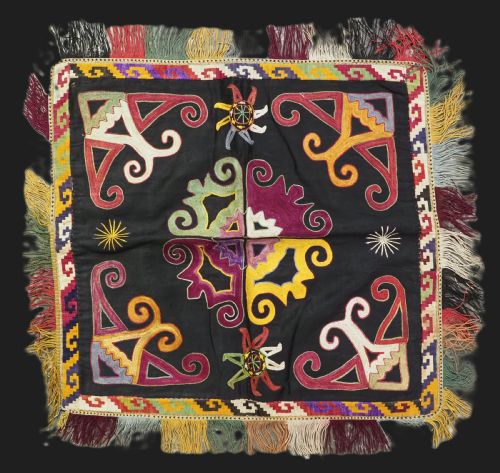
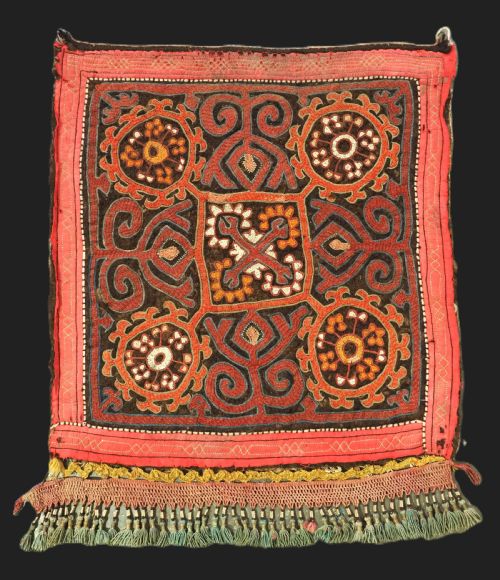
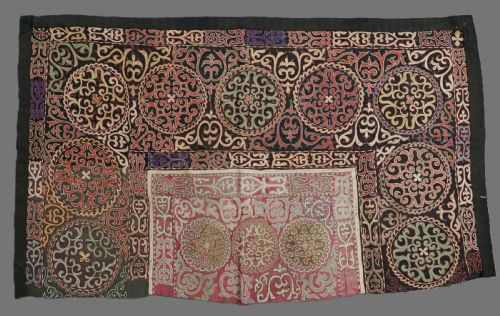
A nomadic embroidery panel represents the textile traditions of Central Asian tribal makers, specifically from groups such as the Lakai Uzbeks and Kyrgyz communities. These pieces often originate as dowry items, yurt wall hangings, or functional bags like uut kapilgich.
The version most commonly met on this page is a nineteenth-century or early twentieth-century wall hanging from Central Asia. They arrive as vibrant textile panels or decorative textiles meant to be displayed framed or suspended on walls.
Makers fashioned these works across Uzbek, Kyrgyz, and Banjara traditions, applying expressive tribal designs to domestic spaces. Each piece carries the distinct regional identity of its nomadic creators through traditional motifs and forms.
How they were made
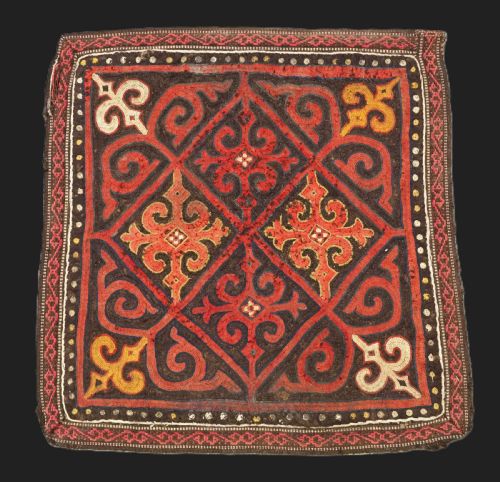
Artisans built these works using natural foundations of wool, cotton, and felt, frequently stitching silk embroidery threads across the ground fabric. Some pieces incorporate applied fringe, wood elements, or glass embellishments to add texture and visual depth.
Needlework techniques range from fine surface stitching on Mogul red wool grounds to heavier embroidery laid onto structured felt panels. These textile methods ensured the items could withstand daily nomadic life while serving ceremonial and decorative roles within the yurt.
Nomadic Embroidery Panel Retail Price Guide 2026
Typical asking prices for nomadic embroidery panel among the pieces listed under this phrase on Sellingantiques today, from the lower quarter to the upper quarter. They describe what is for sale here now, not the wider market.
Some yurt wall hangings arrived with extra glass details to ward off the evil eye.
What varies in quality
Quality separates through the density and precision of the stitchwork across the wool or felt ground. Pieces with tightly packed silk embroidery and complex tribal geometry represent the upper tier of execution.
The selection of materials and the preservation of the original foundation fabric further define the grade of the textile. Intact fringes, stable wooden or glass elements, and vivid colour retention elevate the visual presence of the panel.
The Nomadic Embroidery Panel Glossary
- Ilgich
- A Central Asian embroidered wall hanging, often created as part of a bride's dowry. These pieces typically display distinctive tribal geometric patterns.
- Uut Kap
- A traditional storage bag used within a yurt, designed to cover the wooden lattice wall struts. They frequently feature intricate embroidery.
- Tush Kyiz
- A large, elaborately embroidered yurt wall hanging made by Kyrgyz women to commemorate the marriage of a son or daughter. They are celebrated for their dense floral and symbolic stitching.
- Torba
- A small utilitarian bag or hanging used in nomadic households for storage. They showcase regional tribal weaving and embroidery styles.
- Felt
- A non-woven textile produced by matting, condensing, and pressing fibres together. Kyrgyz makers frequently utilised felt as a sturdy base for embroidery.
Nomadic Embroidery Panel: Frequently Asked Questions
What is a nomadic embroidery panel?
A nomadic embroidery panel is a traditional textile created by tribal makers in Central Asia, often functioning as a dowry piece or yurt decoration.
These works utilise wool, cotton, and felt grounds decorated with silk needlework and geometric motifs.
How were these panels used?
Nomads used these textiles primarily as wall hangings, decorative yurt furnishings, or functional storage bags within their portable dwellings.
They added colour, warmth, and status to the interior living space of the tent.
How do I hang a textile panel?
Textiles can be safely mounted by using a custom fabric sleeve attached to the reverse, allowing a thin rod to support the weight evenly.
Alternatively, conservation-grade framing behind UV-filtering glass protects delicate silk threads and wool grounds from environmental damage.
How do I tell periods apart?
Dating relies on examining the materials, dye types, and structural wear consistent with late nineteenth and early twentieth-century production.
Earlier pieces often feature hand-spun wool foundations and natural dyes, while later examples transition into the early twentieth century with slightly different chemical palettes.