





Red Wool Embroidered Textile
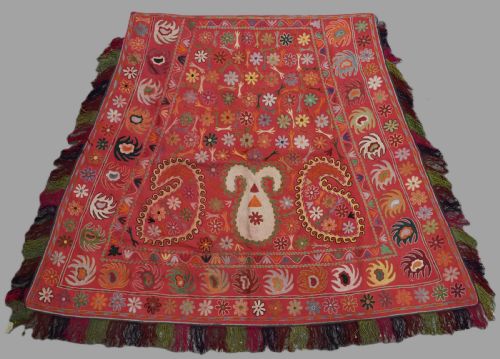
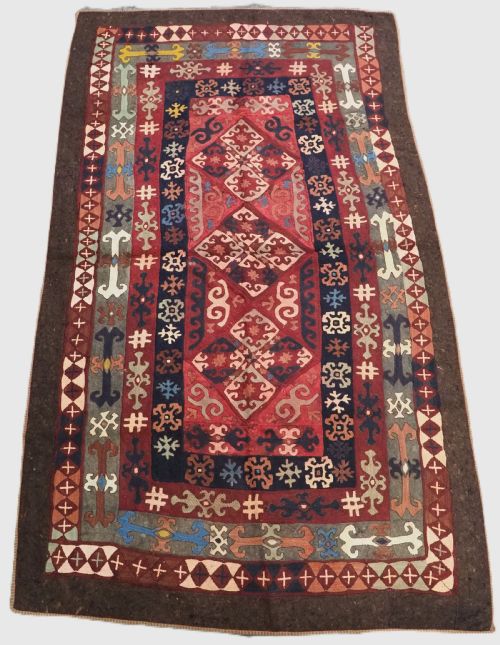
These robust red wool embroidered textile pieces bring rich tribal patterns and deep crimson grounds into modern interiors.
Red Wool Embroidered Textile
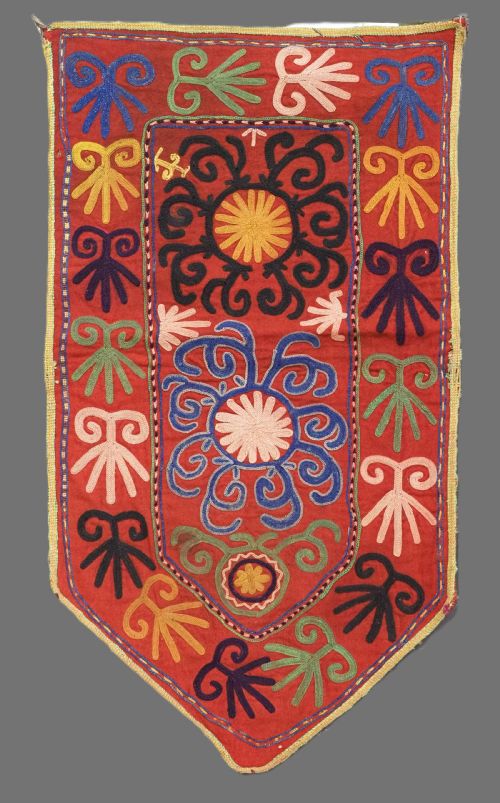
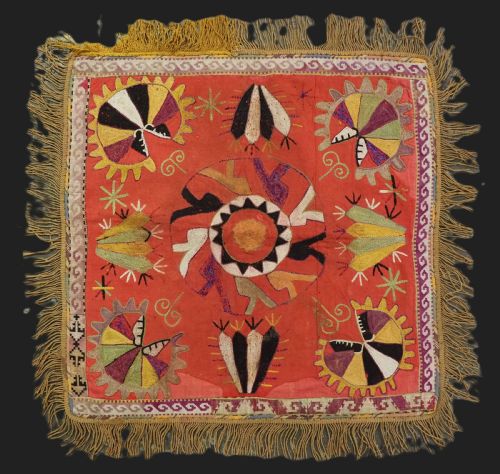
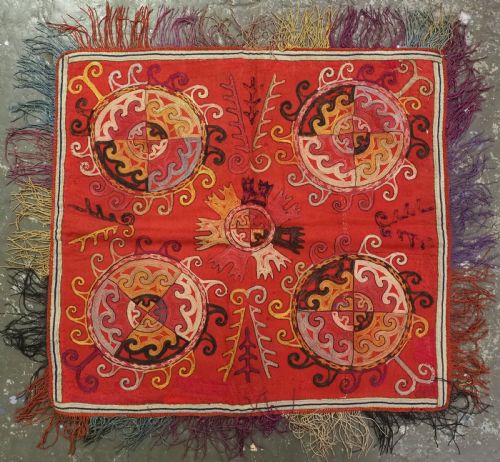
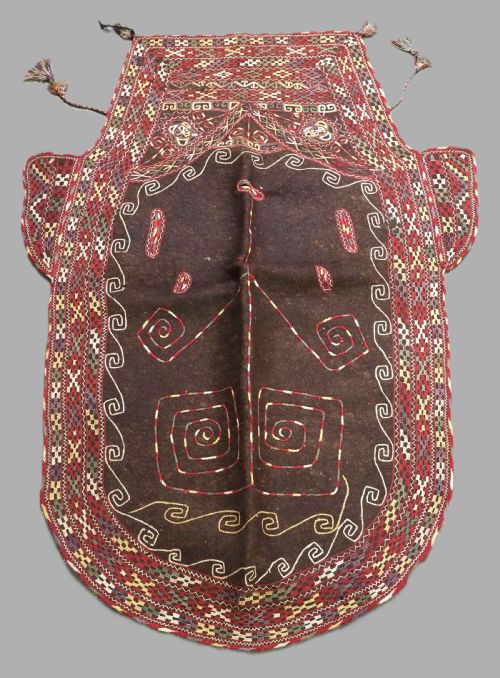
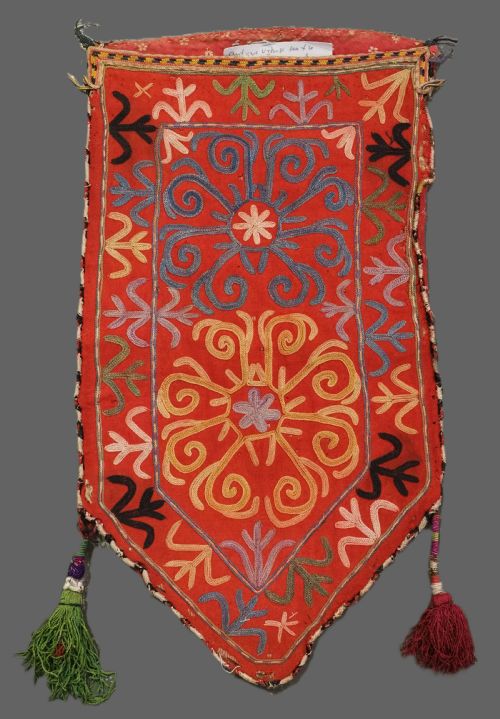
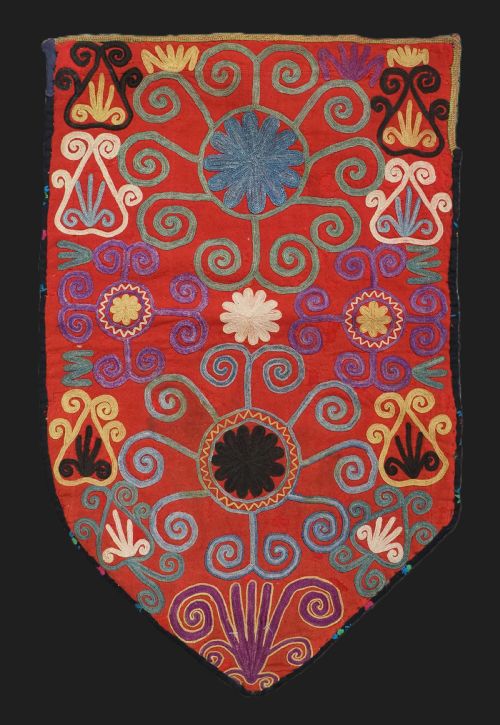
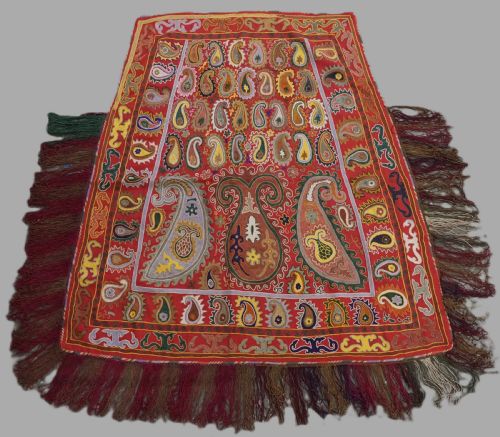
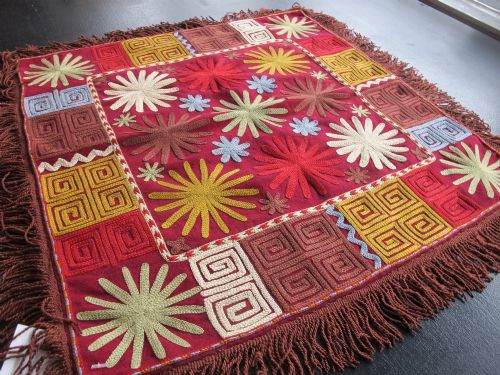
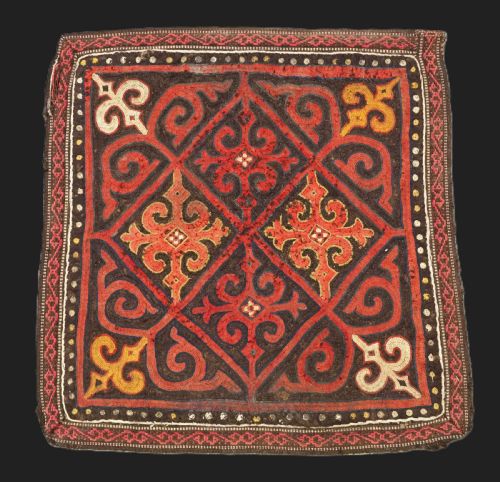
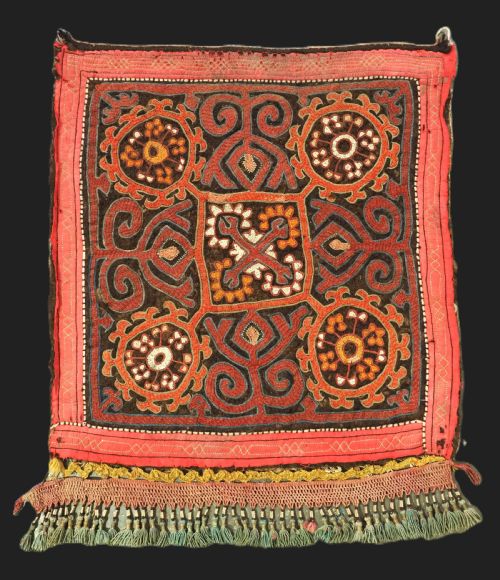
The material ground shifts between woven wool, heavy felt, and canvas, frequently decorated with intricate silk needlework. Pieces range from ceremonial horse blankets and saddle covers to yurt wall hangings and detailed framed needlework pictures dating from the eighteenth century through to the early twentieth century.
Materials and construction methods
The foundation rests primarily on sturdy wool, wool felt, or woven canvas dyed in deep red shades, providing a stable heavy backing for needlework. Artisans applied vibrant silk threads, cotton, and occasional glass beads using dense stitching techniques to build up geometric or floral motifs.
Nomadic and tribal makers stitched utilitarian items like horse trappings and tent bags intended for daily use, whilst European and regional workshops produced framed needlework pictures and decorative panels using fine needlepoint and gros-point methods.
Red Wool Embroidered Textile Retail Price Guide 2026
Typical asking prices for red wool embroidered textile among the pieces listed under this phrase on Sellingantiques today, from the lower quarter to the upper quarter. They describe what is for sale here now, not the wider market.
Object types span wall hangings, saddle covers, wedding shawls, and framed religious needlepoint pictures from 18th to 20th century periods.
Evaluating craftsmanship and design
Quality rests upon the tightness of the weave, the density of the silk embroidery, and the precision of the tribal motifs. Superior examples display complex, finely executed needlework with minimal loss to the delicate silk highlights and applied fringes.
The integrity of the red wool or felt ground significantly influences overall appeal, alongside the crispness of the original geometric or pictorial design. Pieces retaining their vibrant natural dyes and structural soundness stand apart from heavily worn or faded examples.
The Red Wool Embroidered Textile Glossary
- Uut Kap
- A nomadic storage bag or tent hanging used inside a yurt, often highly embroidered.
- Suzani
- A type of embroidered tribal textile originating from Central Asia, worked with silk on a wool or cotton ground.
- Torba
- A small rectangular Turkmen storage bag or trapping, frequently featuring elaborate face embroidery.
- Gros-point
- A heavy counted-thread needlepoint stitch used in European tapestries and pictorial panels.
Red Wool Embroidered Textile: Frequently Asked Questions
How were these textiles used originally?
Nomadic groups utilised many of these items as practical horse blankets, saddle covers, camel headdresses, and yurt storage bags.
Other pieces served decorative or ceremonial functions as dowry items, wedding shawls, and wall panels within domestic spaces.
How do I care for a wool textile?
Keep textiles away from direct sunlight to prevent the red dyes and silk threads from fading over time. Gentle dusting with a soft brush helps maintain the surface without disturbing the delicate stitching.
Mount wall hangings securely to distribute weight evenly across the wool or felt ground rather than suspending them by a single point.
How can I tell the regional styles apart?
Central Asian tribal items from groups like the Lakai and Yomut often feature bold geometric motifs, felts, and heavy silk embroidery.
Indian and Persian examples lean towards fine floral medallions, shawl weaves, and Rasht embroidery styles on felt grounds.
What is the typical age of these pieces?
The majority of pieces seen here date from the late nineteenth century to the early twentieth century, spanning roughly from 1880 to 1930.
Earlier examples from the eighteenth century generally consist of European needlework pictures and panels rather than Central Asian tribal trappings.