





Red Tribal Wool Weaving
These red tribal wool weaving pieces are hand-knotted and flatwoven nomadic textiles prized for rich natural dyes and geometric symbolism.
Red Tribal Wool Weaving
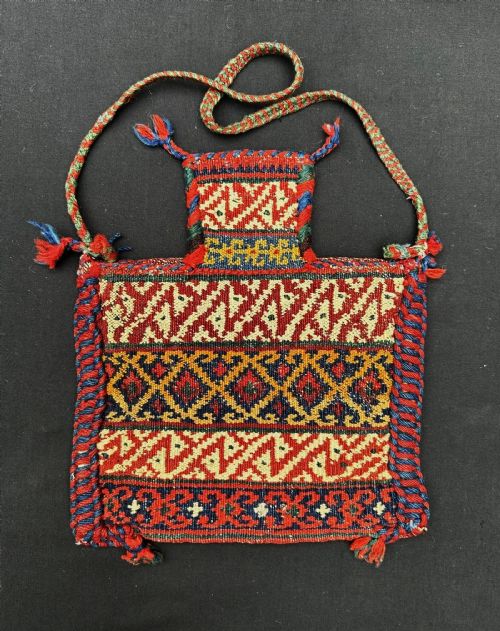
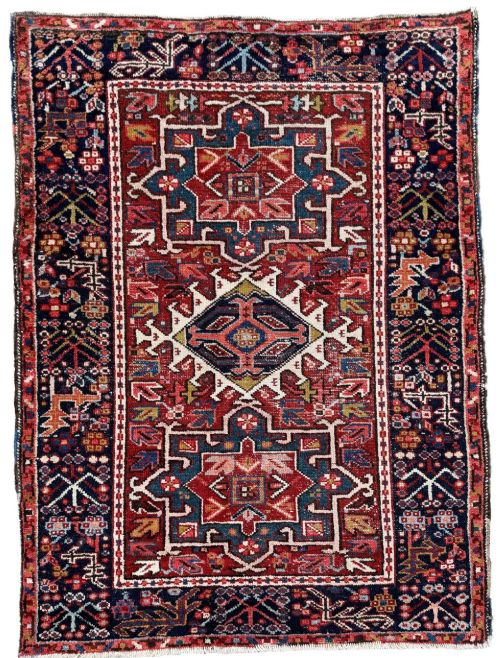
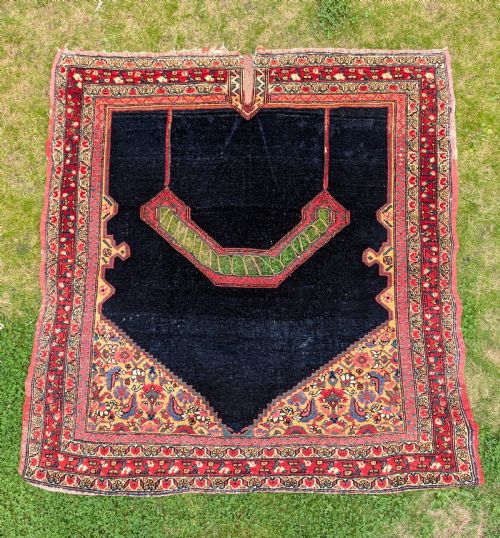
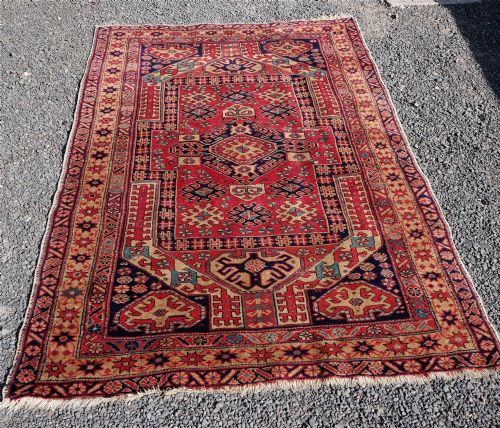
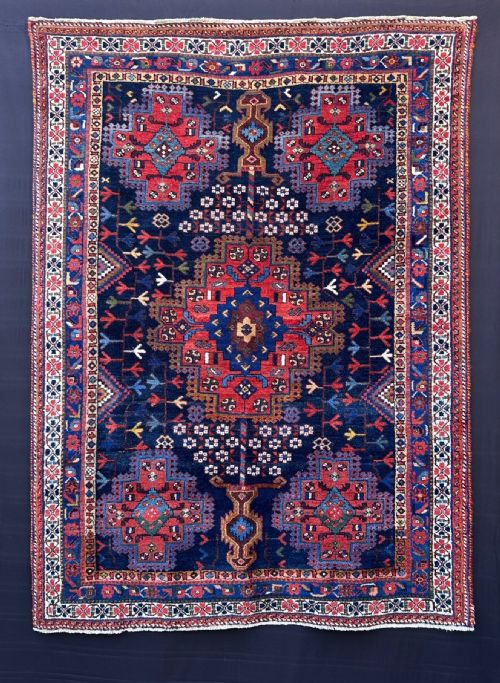
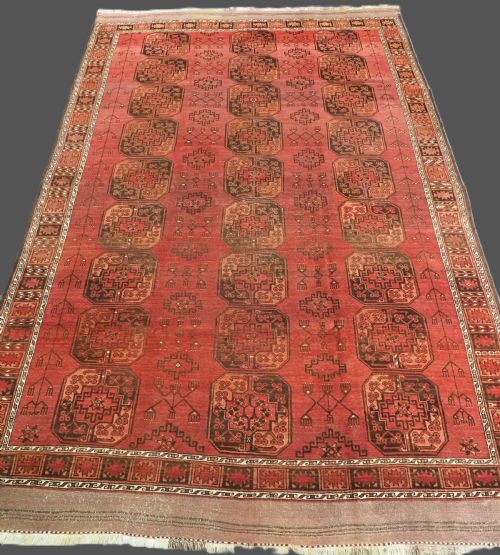
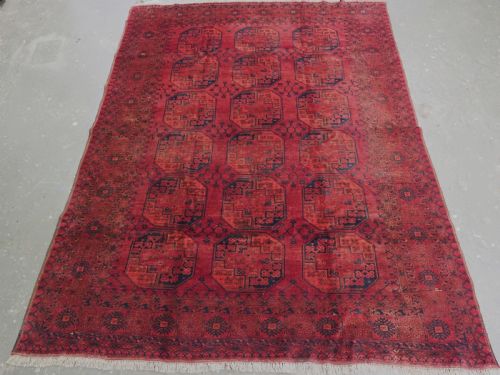
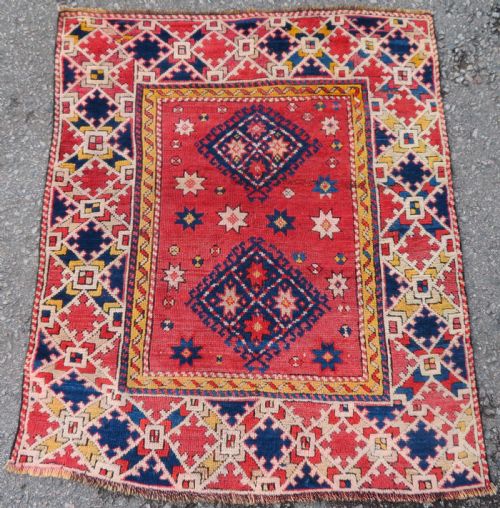
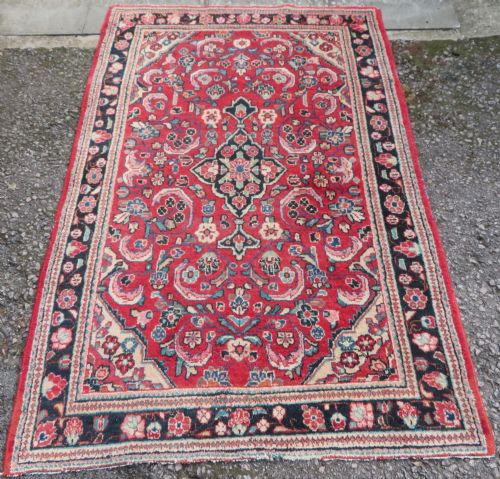
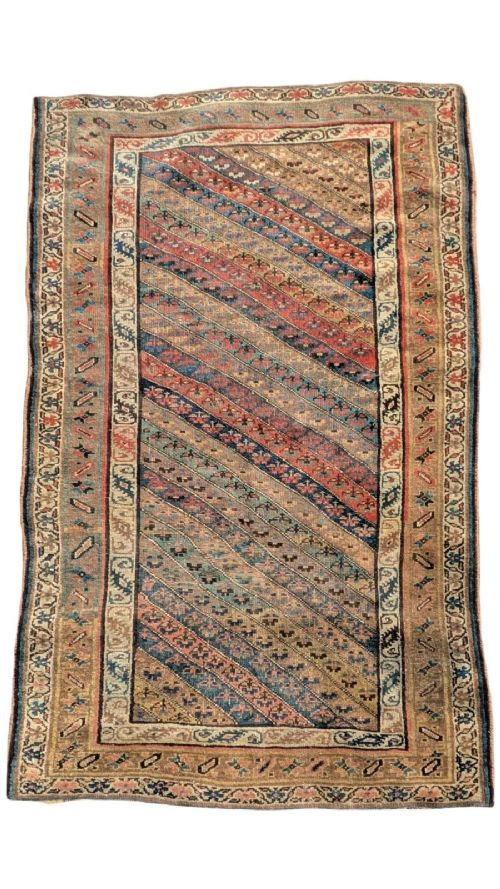
A red tribal wool weaving brings together centuries of nomadic artistry from Persia, the Caucasus, Anatolia, and Turkmenistan. You will encounter floor rugs, large carpets, runners, and smaller utilitarian items like saddle bags, salt bags, and prayer rugs.
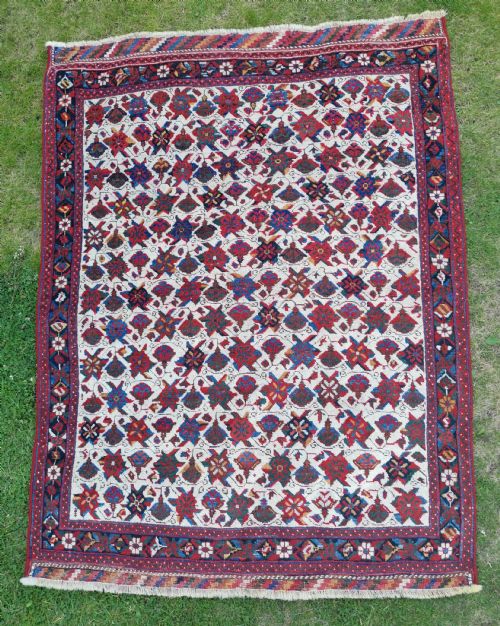
The dominant examples on this page date from the nineteenth century through the early twentieth century, reflecting traditional village and tribal production methods. Pieces such as Kazak, Afshar, Ersari, and Qashqai works dominate the selection, showcasing regional motifs passed down through generations.
Materials and construction methods
Each red tribal wool weaving relies primarily on durable wool, frequently hand-spun to create tactile irregularities and depth in the pile. Cotton often forms the foundation warps and wefts in specific regional carpets, while certain pieces utilise entirely woollen foundations.
Makers achieved the distinct palette through natural dyes derived from local plants and minerals, resulting in rich madder reds that age with a soft patina. The knotting and flatweaving techniques vary by tribe, producing sturdy pile carpets alongside intricate flatwoven kilims and animal trappings.
Nomads wove tiny protective amulets directly into their salt bags to ward off the evil eye.
Judging quality in tribal textiles
The fineness of the weave and the precision of the geometric design distinguish superior examples from simpler village work. A tighter knot density and well-balanced proportions demonstrate greater artisan skill during creation.
The vibrancy and complexity of the natural dye palette heavily influence the standing of a piece. Subtle tonal variations within the red fields indicate skilled dye baths that enhance visual depth over time.
The Red Tribal Wool Weaving Glossary
- Pile
- The upright yarn loops that form the tactile surface of a knotted rug. This layer takes the wear of foot traffic and reveals the design.
- Warp
- The vertical threads stretched tightly on the loom that carry the structural tension of the textile. Weft threads are interlaced across them horizontally.
- Weft
- The horizontal strands passed through the warp threads to bind the knots in place. In many flatweaves, these threads form the visible pattern itself.
- Natural Dyes
- Colourants extracted from plants, insects, and minerals before the advent of synthetic alternatives. They produce complex hues that mellow gracefully.
- Flatweave
- A textile constructed without a raised pile by interweaving warp and weft threads directly. Items like kilims and certain bags utilise this technique.
Red Tribal Wool Weaving: Frequently Asked Questions
What is a tribal weaving?
A tribal weaving is a textile produced by nomadic or village populations for their own domestic use, ceremony, or travel. These items include floor coverings, horse covers, and storage bags.
Unlike urban workshop carpets designed for export, tribal pieces reflect the specific cultural motifs and local materials of distinct ethnic groups and confederacies.
How do I identify different tribal styles?
Identifying styles depends on recognising specific geometric motifs, border arrangements, and structural materials unique to regions like the Caucasus or South Persia.
For instance, Kazak pieces often feature bold primary medallions with bright primary colours, whereas Afshar works tend towards intricate all-over patterns and deep reds.
Where were these textiles made?
These pieces originate from nomadic encampments and rural villages across the Caucasus, Persia, Anatolia, and Central Asia. Weavers worked on portable horizontal looms set up in tents or permanent village homes.
Each geographic area developed distinct weaving habits based on the local sheep breeds and available dye plants.
How do I care for an antique rug?
Caring for an antique wool textile requires gentle vacuuming without a rotating power brush to protect the vintage pile. Keeping the piece out of direct sunlight prevents natural dyes from fading prematurely.
Professional cleaning tailored to antique carpets ensures the wool and structural foundations remain intact for years to come.