
Antique Pepper Caster
An antique pepper caster brings table seasoning down through the centuries in sterling silver, cut glass, and ceramic.

Antique Pepper Caster
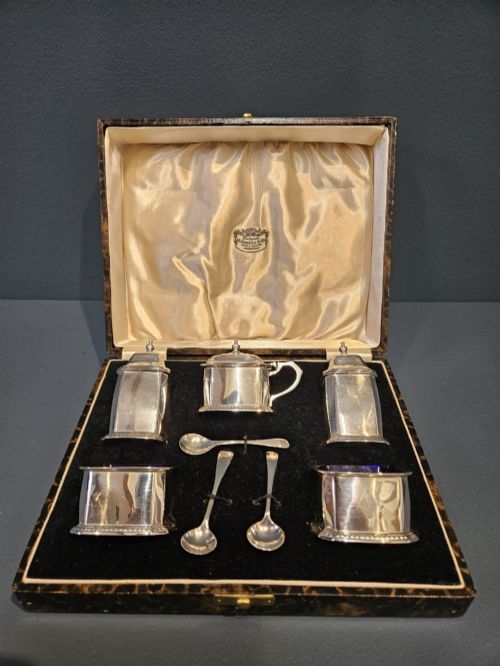
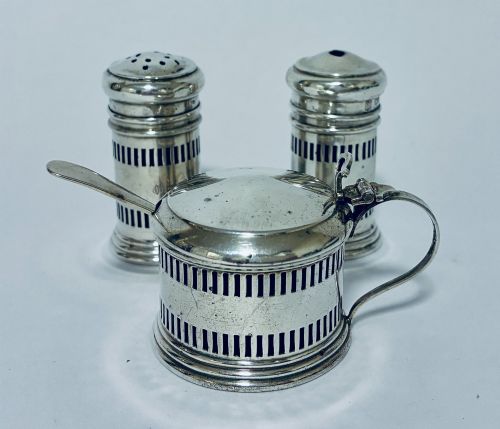
An antique pepper caster is a small tabletop vessel designed to shake ground seasoning over food, appearing across domestic dining settings from the eighteenth century onwards. These tablewares emerge in solitary pepper pots, matched pairs, multi-piece condiment sets, and larger cruet frames alongside mustard pots and salt cellars.
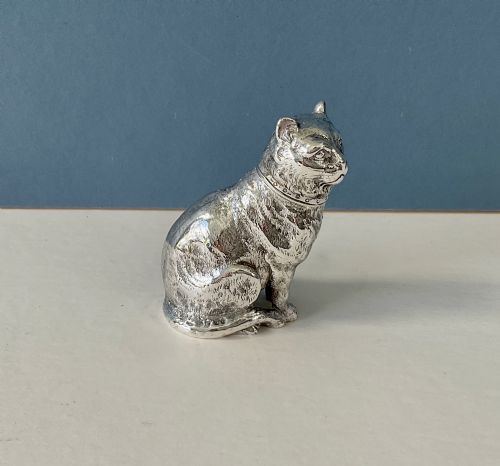
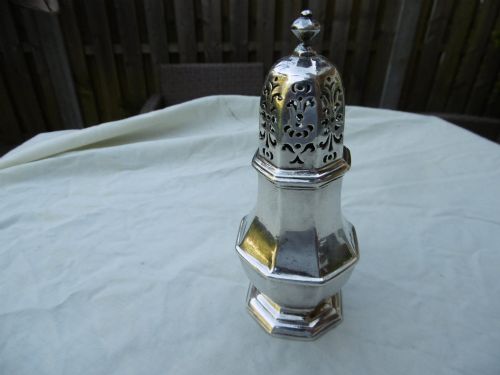
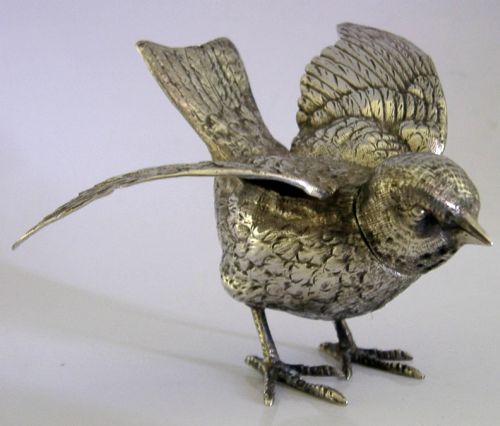
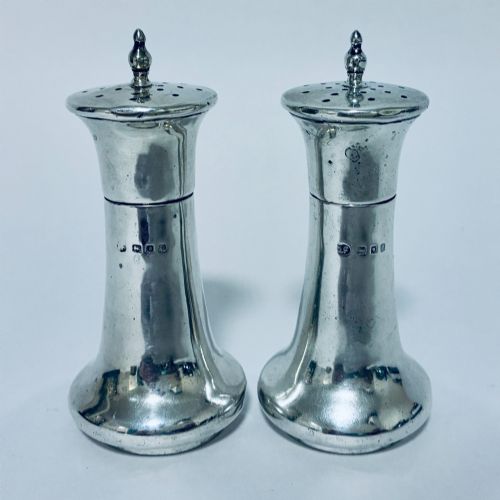
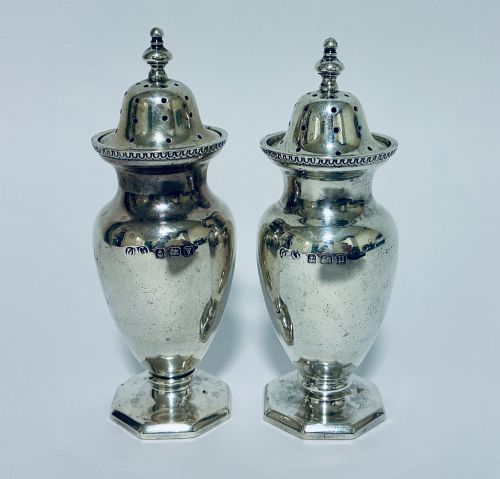
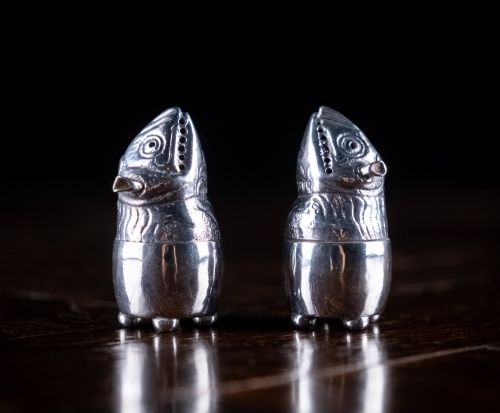
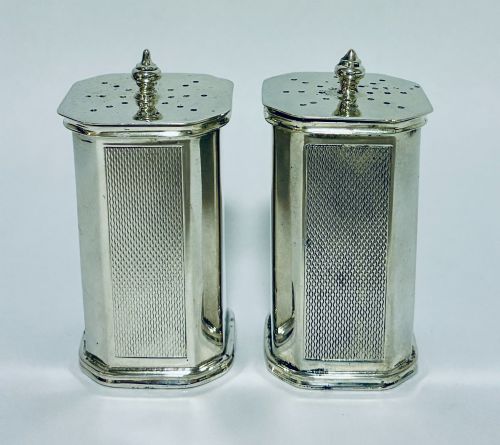
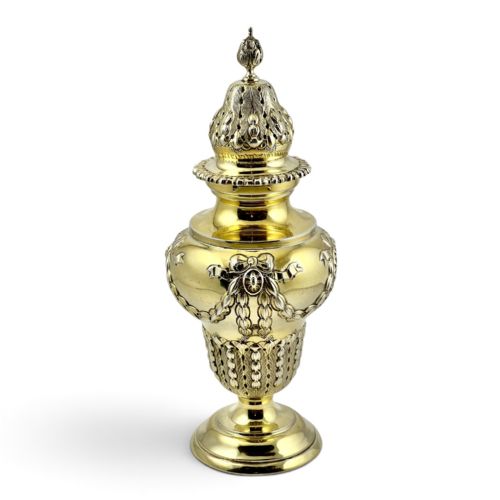
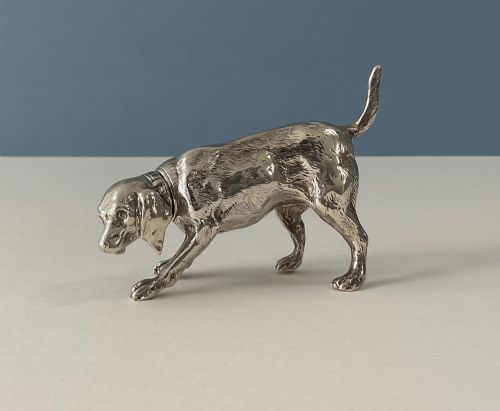
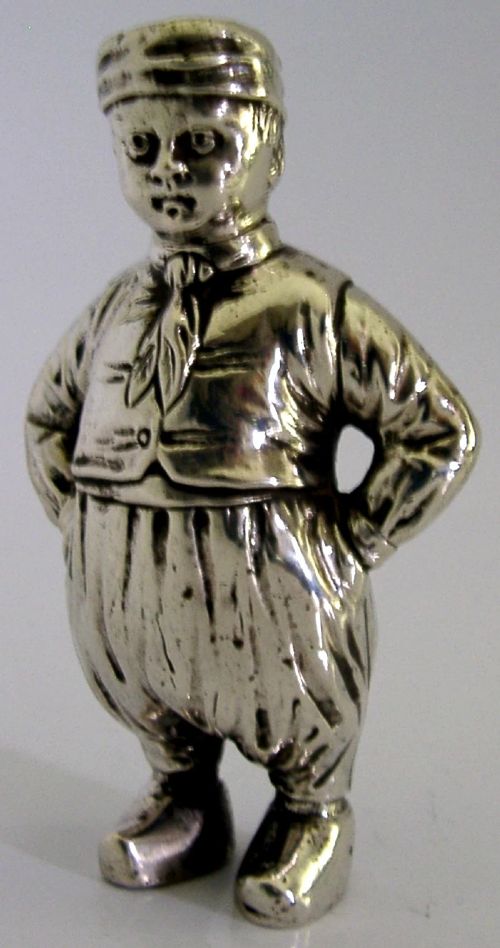
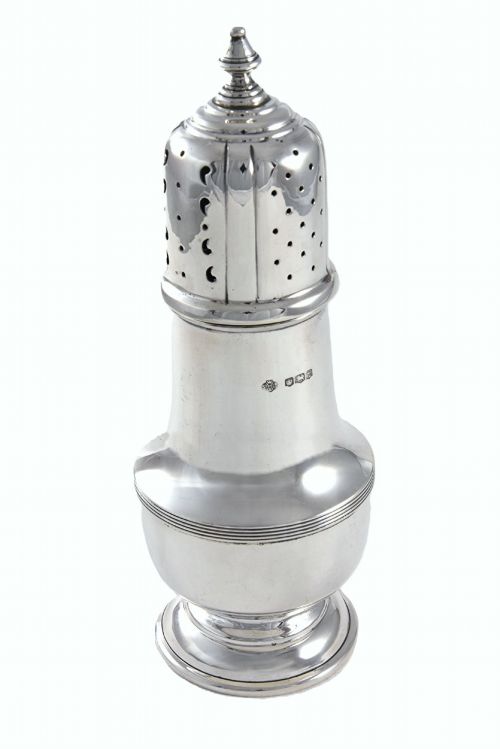
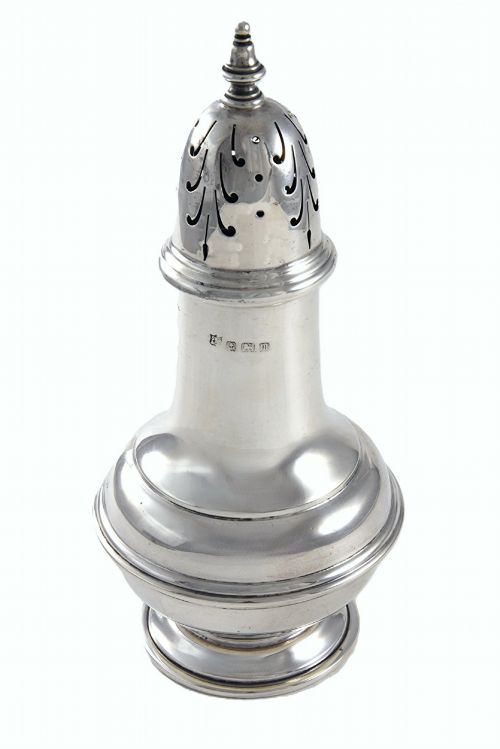
Buyers browsing this selection will most frequently encounter sterling silver and silver-plated examples dating from the Victorian, Edwardian, and George V periods. Forms range from straightforward octagonal and baluster muffineers to figurative novelty pots shaped as birds, cats, dogs, and owls.
How they were made
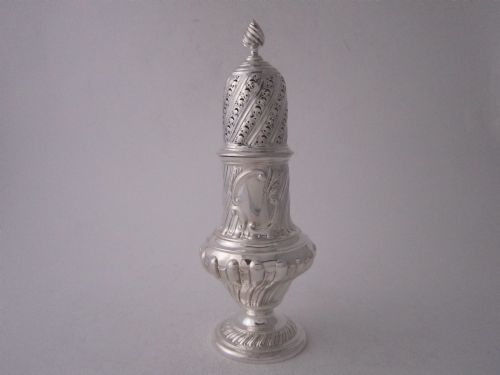
Silversmiths shaped solid silver and silver plate through spinning, stamping, and piercing, creating removable lids with small holes for dispensing fine powder. Many pieces combine sterling silver mounts with cut glass or cranberry-flashed glass bodies, secured with threaded collars or screw feet.
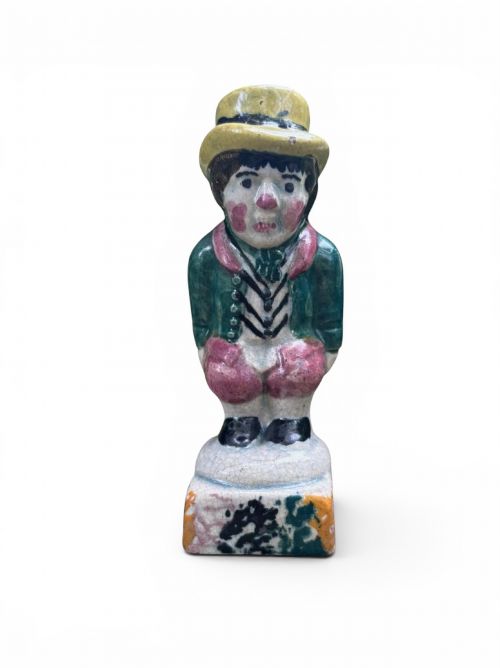
Ceramic examples like Prattware rely on moulded earthenware bodies decorated with coloured underglazes, while brass and copper spice dredgers utilise heavier cast or sheet metal construction.
Listings feature sterling silver, silver plate, cut glass, ceramic, and brass across periods spanning the early eighteenth century to the mid-twentieth century.
What varies in quality
Quality rests upon crispness in the piercing of the lid and the substantial weight of the silver or glass. Well-executed hand-chased detailing and clear hallmarks set finer workshop productions apart from simpler plated wares.
Figurative novelty items depend heavily on the sculptural fidelity of the animal form and the clean fit of the detachable head or base.
Frederick Brasted·Charles Thomas Fox·Stephen Adams·James Goodwin·Simon Pantin·James Dixon & Sons Ltd
The Antique Pepper Caster Glossary
- Caster
- A small container with a perforated lid used for sprinkling sugar, pepper, or other powdered condiments over food. These vessels date back to the seventeenth century and often appear alongside matching cruet sets.
- Muffineer
- A tall caster traditionally used for shaking sugar or salt over buttered muffins during breakfast or tea. They share the baluster silhouette common to pepper pots of the Georgian era.
- Cruet set
- A matched collection of glass bottles and silver pots housed in a frame for holding condiments at the dining table. Frames typically accommodate oil, vinegar, mustard, salt, and pepper.
- Pounce pot
- A small shaker used to sprinkle resin powder onto rough parchment before writing to prevent ink from bleeding. Their perforated tops resemble those found on early pepper casters.
- Prattware
- A type of English earthenware produced in the late eighteenth and early nineteenth centuries known for underglaze coloured reliefs. These pieces frequently depict historical figures or animals.
Antique Pepper Caster: Frequently Asked Questions
How do I clean tarnished silver casters?
Clean silver casters using a soft cloth and a dedicated silver polish designed to lift tarnish without abrading the metal surface. Avoid harsh chemical dips that strip away dark oxidation intended to accent engraved details.
After polishing, rinse the piece thoroughly in warm water and dry it completely with a lint-free cloth to prevent spotting on the silver.
Were these always used for pepper?
Many vessels catalogued as pepper pots or casters originally served multiple dry seasonings, including fine sugar, spices, or pounce for ink. Interchangeable shaker sizes often dictated whether a pot held coarse black pepper or fine powdered sugar.
Georgian cruet sets frequently grouped various shakers together regardless of whether their contents were sweet or savoury.
How can I date an unmarked caster?
Dating relies primarily on the silhouette, manufacturing technique, and any residual hallmarks stamped onto the base or lid rim. Georgian pieces tend to show heavier gauge silver with octagonal or baluster profiles, whereas Edwardian and later pieces often adopt lighter stamped mounts.
Glass thickness, cut patterns, and screw-thread design provide further clues to whether a piece originates from the eighteenth century or later revival periods.
Can I still use antique pepper pots?
Sterling silver and glass pots function perfectly well for modern dining provided the internal chamber is thoroughly washed and dried. Modern ground pepper works fine through older shaker holes, though very fine powder suits the smaller perforations best.
Take care when handling novelty animal pots with push-fit heads to ensure the lid does not detach during use.