
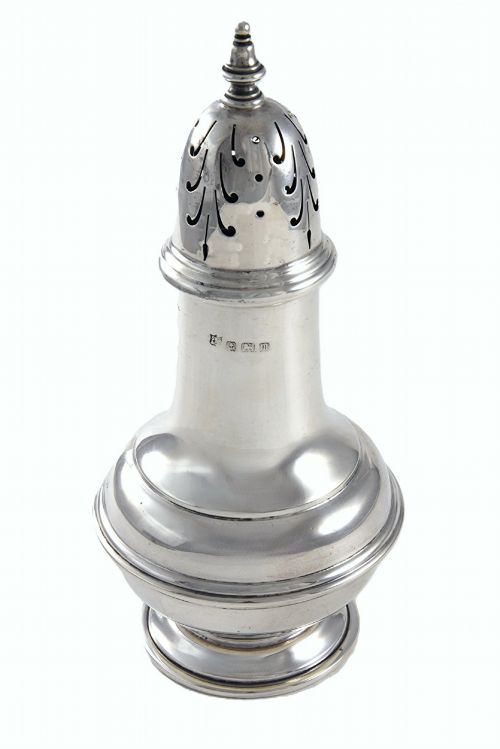


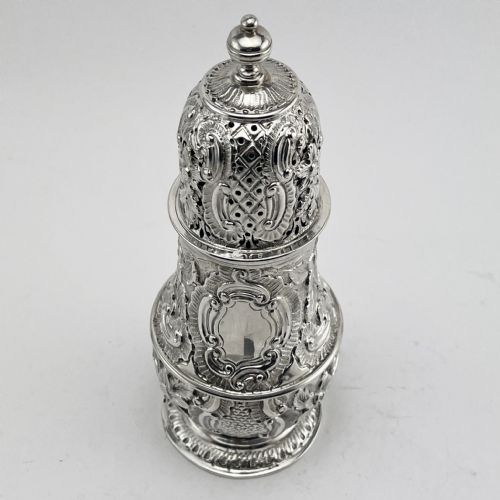


Antique Spice Shaker
An antique spice shaker brings the weight of sterling silver, brass and cut glass to the table, offering a tactile piece of dining history that collectors prize.
Antique Spice Shaker
When you search for an antique spice shaker, you encounter a range of small tabletop vessels designed to distribute seasoning, sugar or pounce across food and documents. The pieces on this page span several centuries, crossing Georgian, Victorian and Edwardian eras in various forms.
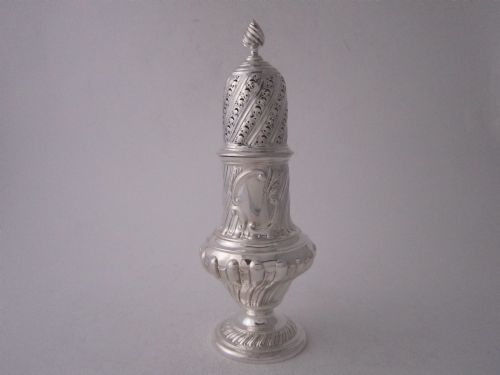
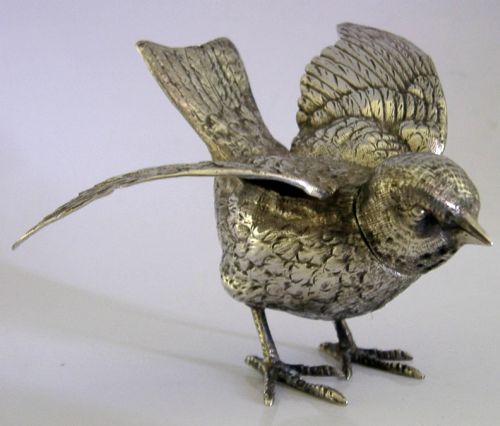
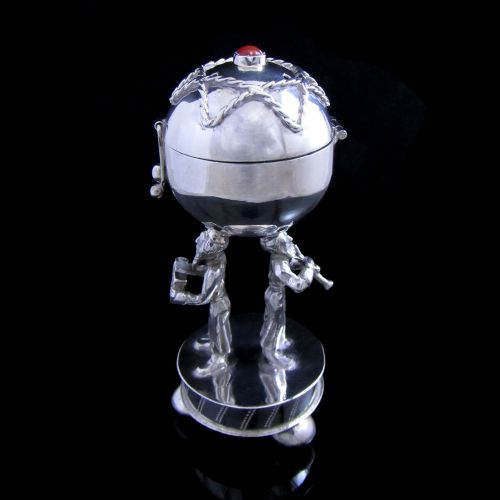
The most common forms you meet are pepper pots, sugar casters and muffineers alongside novelty animal shapes such as birds, owls and foxes. Materials shift from early brass and bronze to sterling silver, silver plate and cut glass.
Earlier examples often take the form of simple dredgers or pounce shakers, while later Edwardian and Victorian iterations lean towards decorative condiment sets and figural novelties. Each period brings distinct proportions and piercing patterns to the tabletop.
Assessing quality and craftsmanship
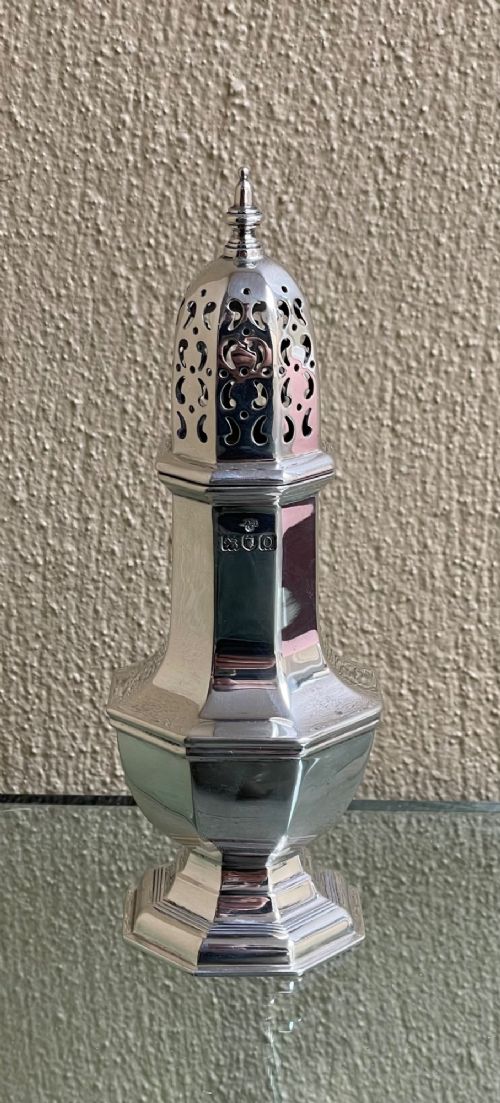
Quality rests in the crispness of the piercing on the lid and the weight of the metal in the hand. Superior pieces display finely drilled or saw-pierced apertures that remain sharp and even, avoiding the ragged edges seen on coarser domestic wares.
The distinction between standard production items and top-tier work shows in the depth of the maker mark, the heft of the sterling silver or bronze, and the precision with which the lid threads onto the body.
Figural novelties achieve higher distinction when the casting retains fine feather or fur detail without soft outlines, showing the artisan spent time chasing the surface after it left the mould.
Listings feature sterling silver, silver plate, cut glass, brass and bronze across Georgian, Victorian and Edwardian periods.
Stephen Adams·Simon Pantin·James Dixon & Sons Ltd·Evald Nielsen
The Antique Spice Shaker Glossary
- Muffineer
- A small caster used specifically for sprinkling sugar over hot muffins or toast. These tall silver vessels typically date from the Georgian and Victorian periods.
- Pounce shaker
- A small container used to sprinkle powdered resin or cuttlefish bone onto rough parchment to stop ink from bleeding. They frequently appear in bronze or brass.
- Caster
- A cylindrical container with a perforated lid for sprinkling sugar or spices. They range from small pepperettes to large table-sized sugar dredgers.
- Condiment set
- A matched group of small pots and shakers for holding salt, pepper and mustard on the dining table. Edwardian examples often include six glass bottles in a silver-plated frame.
- Pepperette
- A small individual pot designed exclusively for holding ground pepper at the dinner place setting. They often take whimsical animal forms in silver.
Antique Spice Shaker: Frequently Asked Questions
Were these always used for pepper?
Many taller vessels served as sugar casters or muffineers rather than pepper pots, dispensing fine sugars over baked goods and porridge. Smaller pots handled ground pepper and spices.
Early brass and bronze examples often functioned as pounce shakers for writing desks instead of kitchen spice containers.
How do I date a silver spice shaker?
Examine the hallmarks stamped on the body or lid, which reveal the assay office, date letter and maker mark. British silver uses standardised letter cycles to indicate the exact year of production.
Stylistic cues also help, as heavy Rococo embossing points to the Georgian era while sleek geometric lines suggest later Art Deco manufacture.
Can I still use them for cooking?
Sterling silver and glass shakers function well for everyday seasoning provided you clean the interior thoroughly before use. Modern moisture in fine spices can cause older metals to tarnish quickly.
Delicate figural novelties or fragile antique glass pieces are better suited for display rather than active kitchen duty.
Why do some lids screw on differently?
Early shakers often rely on a simple slip-on or bayonet fitting that twists slightly to lock into place rather than standard modern screw threads. Huguenot and Georgian makers favoured tight friction fits.
Over centuries, metal wear can alter how tightly these lids secure, so handling them with care prevents dropping the pierced top.