





Georgian Spice Caster
These georgian spice caster pieces are silver and metal vessels designed for seasoning food, prized for their classic proportion and fine domestic utility.
Georgian Spice Caster
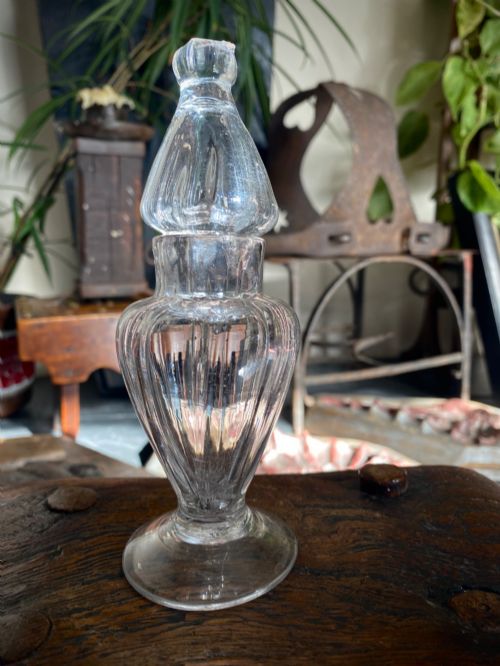
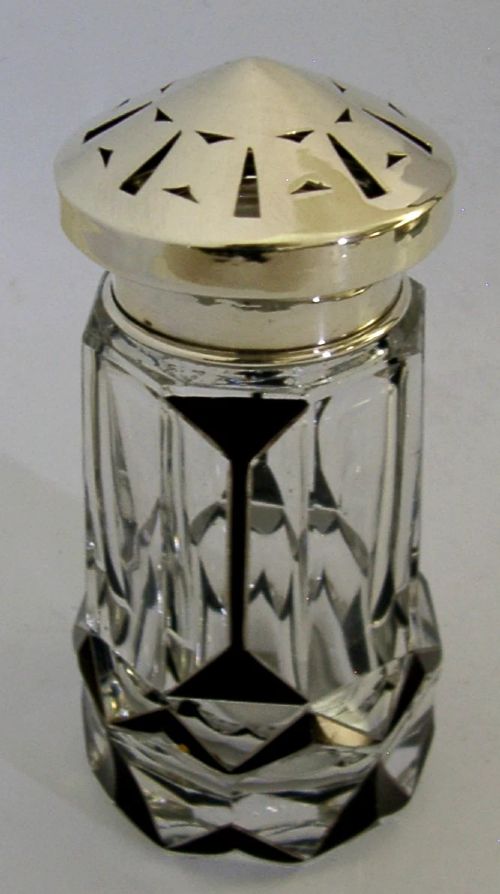
When you search for a georgian spice caster, you encounter small tabletop vessels designed to hold aromatic powders like pepper or sugar. The most frequent examples on this page belong to the Georgian and 18th century periods, taking forms such as pepper pots, muffineers, and sugar casters.
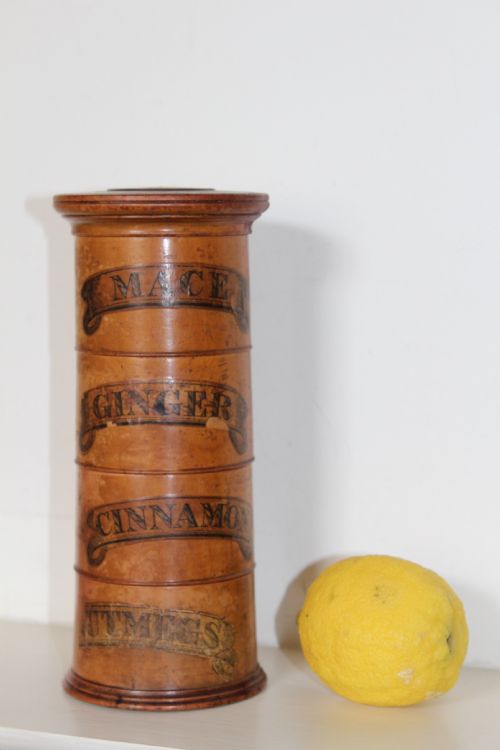
Beyond the standard silver caster, the category extends to brass spice shakers, bronze pounce shakers, and multi-compartment spice towers. These pieces range from simple kitchen metalware to fully articulated cruet sets on stands.
Materials and construction
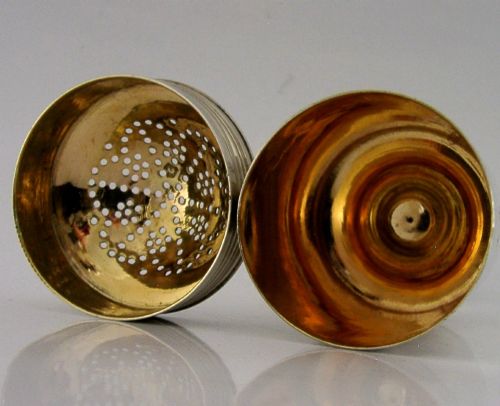
Makers fashioned these pieces primarily from sterling silver, supported by occasional examples in brass, bronze, boxwood, and timber. The metal versions utilise traditional smithing methods, including piercing for the shaker lids and hallmarking.
Surface decoration relies on fine chasing and structural turning rather than applied ornament. The materials reflect domestic utility adapted for refined dining tables.
Georgian Spice Caster Retail Price Guide 2026
Typical asking prices for georgian spice caster among the pieces listed under this phrase on Sellingantiques today, from the lower quarter to the upper quarter. They describe what is for sale here now, not the wider market.
Listings for this phrase combine sterling silver, cut glass, brass, bronze, boxwood, and timber across Georgian, Edwardian, and Victorian styles.
Distinguishing quality
Quality rests upon the crispness of the pierced lid pattern and the weight of the metal used in the body. Superior examples demonstrate balanced proportions and legible hallmarks confirming the date and maker.
Charles Thomas Fox·Stephen Adams·Simon Pantin
The Georgian Spice Caster Glossary
- Muffineer
- A tall caster originally intended for dusting sugar over muffins. It shares the pierced top common to spice shakers.
- Cruet set
- A matched group of condiment bottles and casters held on a central stand. These sets often incorporate multiple vessels for oil, vinegar, and spices.
- Pounce shaker
- A small container used for sprinkling fine sand or cuttlefish powder over wet ink to speed drying. They appear in pairs alongside spice shakers.
- Huguenot maker
- A refugee craftsman of French Protestant descent working in Britain. These makers introduced advanced casting and decorative techniques to English silver.
Georgian Spice Caster: Frequently Asked Questions
What is a spice caster used for?
These vessels served to dispense powdered spices, pepper, or sugar onto food at the dining table. The pierced lid allowed for an even distribution of fine seasonings.
They formed an essential part of elite and middle-class dining arrangements throughout the Georgian era.
How do I date a silver caster?
Dating relies primarily on the hallmarks stamped into the metal, which record the assay office, the year letter, and the silversmith's mark. Stylistic clues such as proportions and foot rims also point toward specific decades.
Matching the maker's mark against historical records confirms the exact period of manufacture.
Are brass shakers genuine antiques?
Many surviving examples rendered in brass, bronze, or timber date from the eighteenth century and served practical roles in kitchens or writing desks. These base metal pieces offer a different texture compared to sterling silver.
Their construction matches the domestic requirements of the period.
What is the difference between a pepper pot and a sugar caster?
Sugar casters and muffineers tend to be taller with larger capacities, designed to hold sweet ingredients for pastry and breakfast foods. Pepper pots are smaller and feature tighter piercing to control pungent spices.
Both share the fundamental mechanics of a removable pierced lid.