

Antique Paper Stand
An antique paper stand organises newsprint and folios, bringing period timber and brass into a room.
Antique Paper Stand
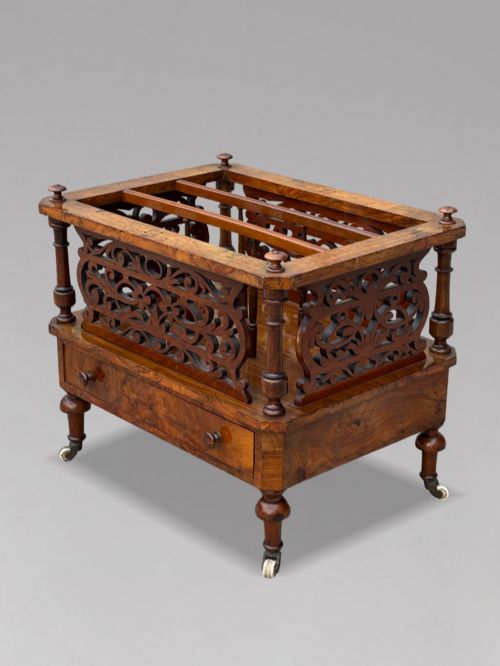
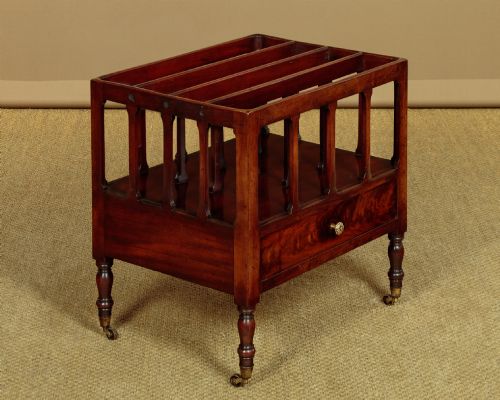
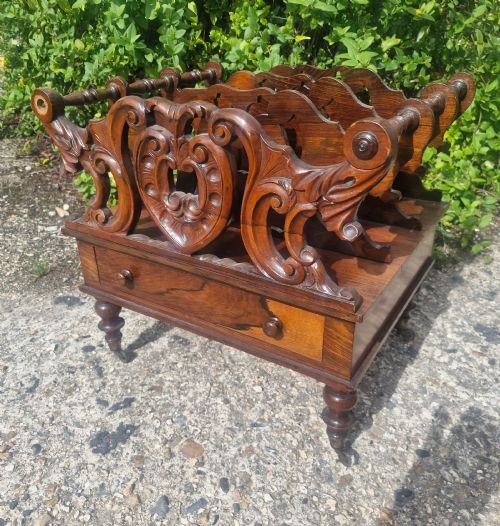
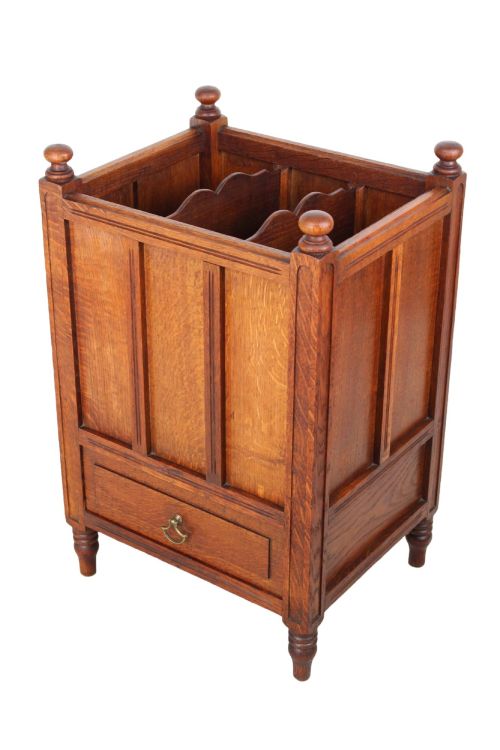
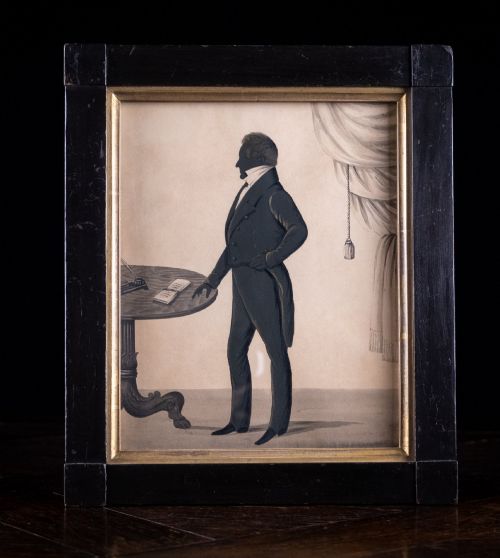
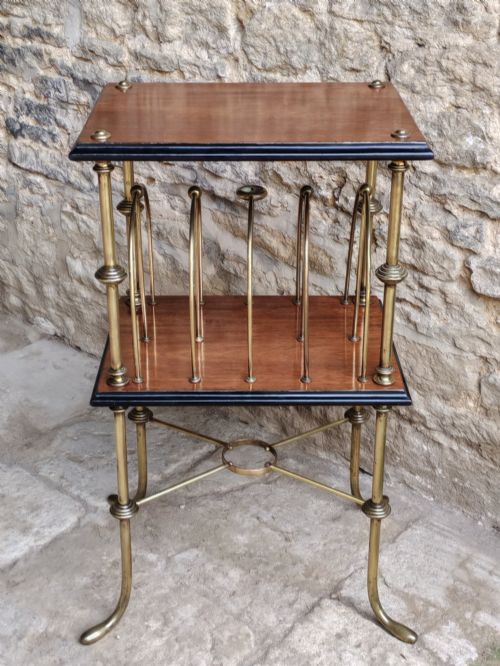
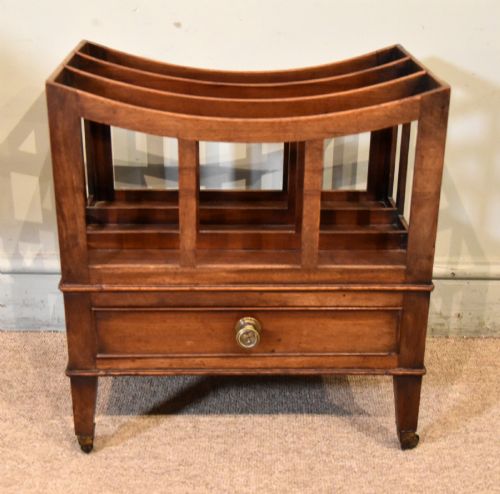
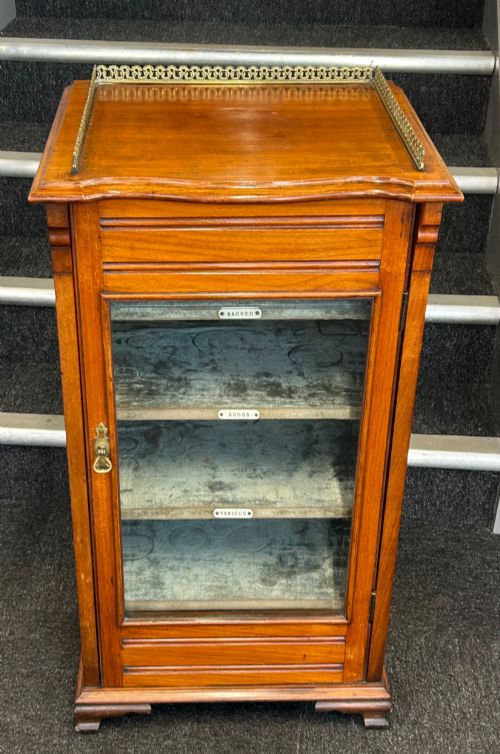
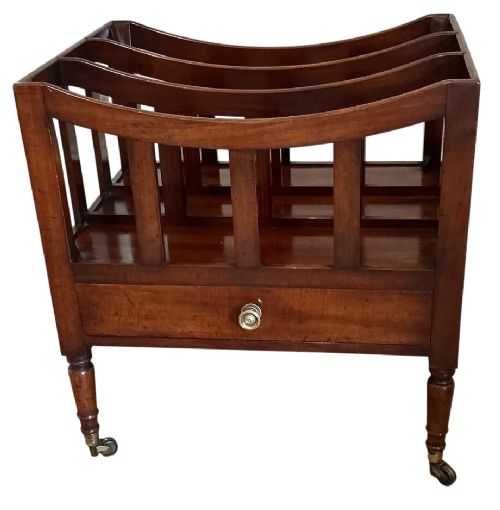
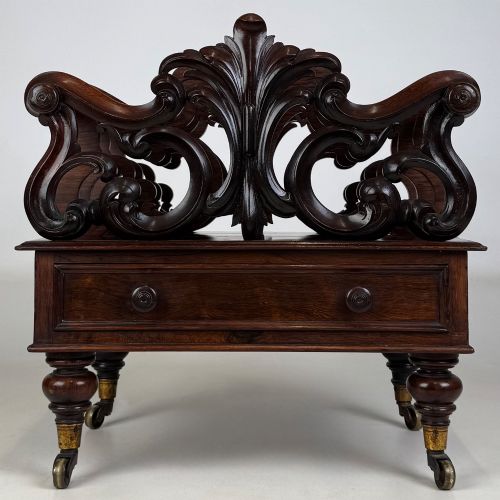
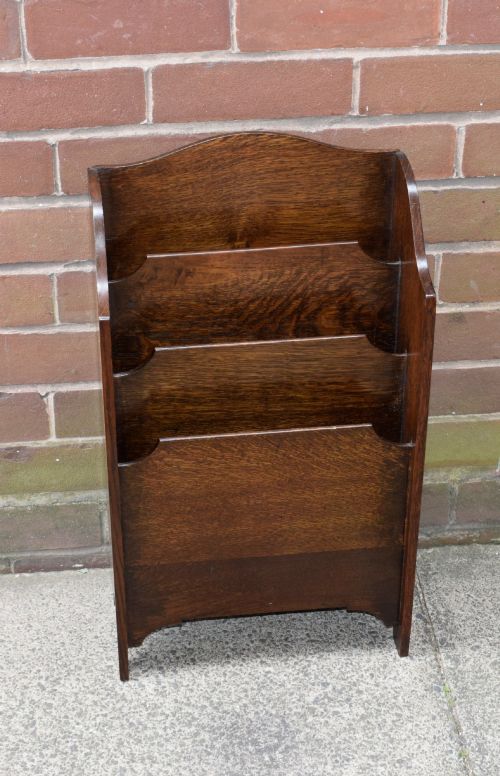
An antique paper stand encompasses various functional pieces designed to hold newspapers, magazines, sheet music, and folios. The most common form met here is the Canterbury, alongside magazine racks, music cabinets, and desk accessories.
The periods span from the 18th century through the Victorian and Edwardian eras into the 1920s and 1930s. Mahogany and rosewood examples often date to the Regency or William IV periods, while burr walnut and bamboo pieces appear frequently in Victorian iterations.
Materials and construction
Cabinetmakers utilised hardwoods such as mahogany, walnut, rosewood, oak, and fruitwood to construct these stands. Timber selection dictated the character of the piece, with burr walnut and figured mahogany favoured for decorative grain.
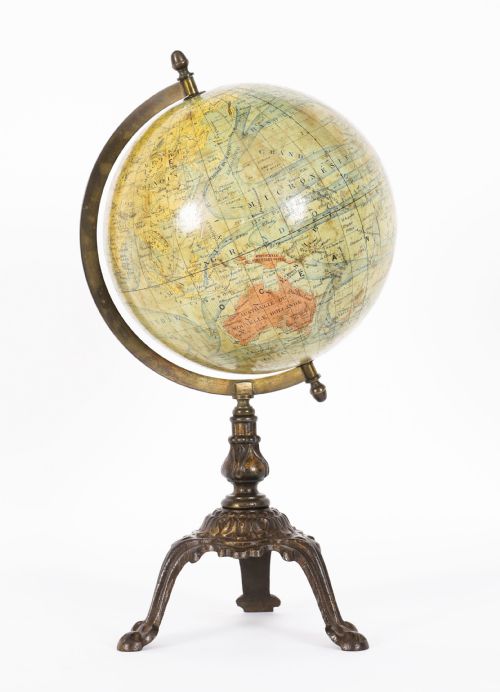
An eighteenth-century miniature table globe offers a remarkably tiny view of the world for your newspapers to sit beside.
Craftsmanship and distinction
The division between standard and superior pieces rests on the choice of timber veneer, the complexity of joinery, and the refinement of turned or carved details. Fine examples exhibit matched grain patterns and substantial brass fittings rather than stamped sheet metal.
Inlaid decoration, such as marquetry or stringing on burr walnut, elevates a piece from a utilitarian holder to a disciplined furniture item. The integration of functional elements like drawers, castors, and division slats demonstrates higher workshop skill.
William Tonks And Sons·Liberty And Co·Lebegue And Cie·Henry Arthur Roberts·Maison Krieger
The Antique Paper Stand Glossary
- Canterbury
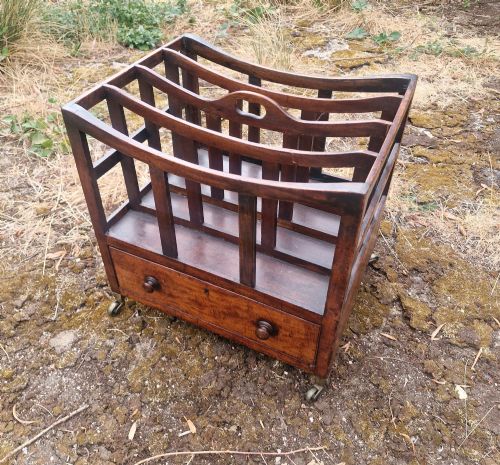
- A low stand with partitioned sections for holding sheet music, newspapers, or periodicals, often fitted with a drawer below and castors on the feet.
- Whatnot
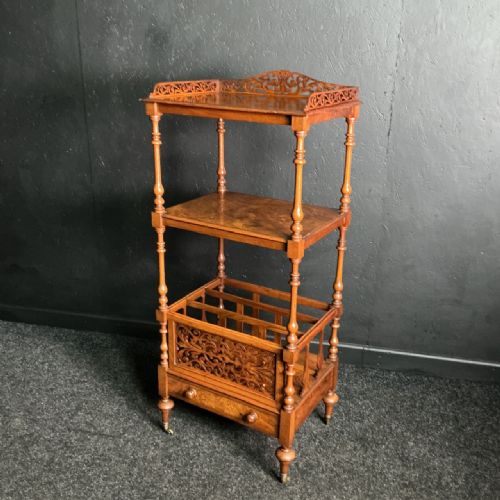
- A piece of open shelving with multiple tiers used for displaying or holding small items, frequently combined with a paper rack base.
- Aesthetic Movement
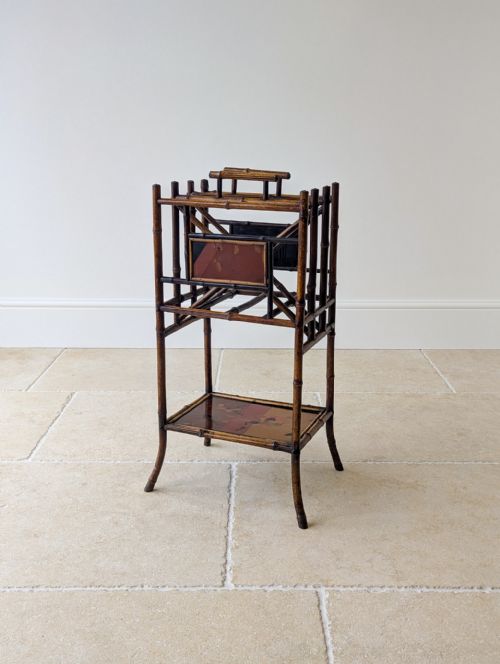
- A late 19th-century style emphasising artistic visual qualities, notable in these listings through the use of bamboo and lacquered surfaces.
- William IV
- A transitional British design period bridging Regency and early Victorian aesthetics, characterised by robust mahogany and rosewood construction.
- Magazine Tidy
- An alternative descriptor for desktop or freestanding paper holders designed to keep periodicals upright and sorted.
Antique Paper Stand: Frequently Asked Questions
What is a Canterbury stand?
A Canterbury is a low partitioned stand traditionally used for storing sheet music and newspapers. These pieces typically feature slatted dividers and rest on small castors.
Originating in the late 18th century, the form evolved through the Regency and Victorian periods into varied configurations with lower drawers.
How do I date a paper stand?
Dating relies on observing timber choices, construction methods, and stylistic cues recorded across periods. Regency and Georgian pieces display clean mahogany lines, whereas Victorian stands favour burr walnut, inlay, or bamboo.
Hardware such as brass castors and handles also provides chronological markers corresponding to manufacturing eras.
Where were these pieces used?
These stands functioned primarily in drawing rooms, studies, and music rooms to keep daily reading material ordered. Desk accessories and perpetual calendars served writing spaces and libraries.
Freestanding magazine racks and newspaper stands sat beside seating areas for easy access to periodicals and folios.
Are bamboo stands sturdy?
Bamboo and wicker stands from the late 19th century utilise natural materials shaped during the Aesthetic Movement. Their construction suits light paper storage rather than heavy volumes.
Careful handling preserves the original binding, lacquering, and structural joints characteristic of this specific style.