





Decorative Display Shelving
These decorative display shelving pieces range from carved wood wall brackets to burr walnut whatnots, offering practical display surfaces with distinct period character.
Decorative Display Shelving
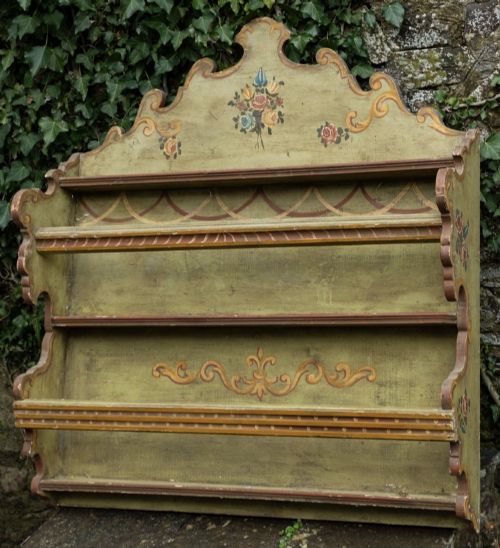
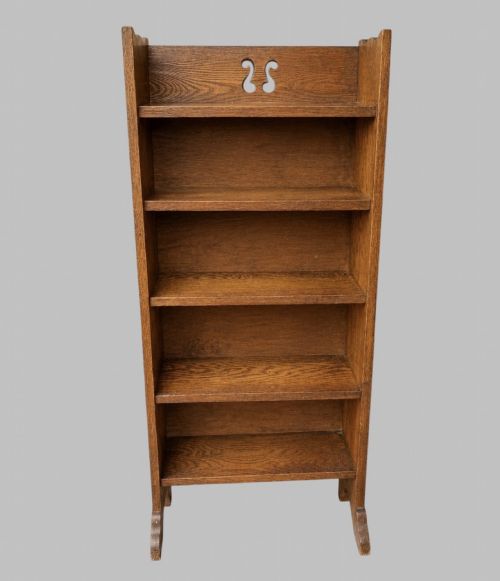
When you search for decorative display shelving, you encounter a diverse group of wall-mounted and freestanding furniture designed to exhibit objects. These pieces span centuries from seventeenth century oak to art deco forms.
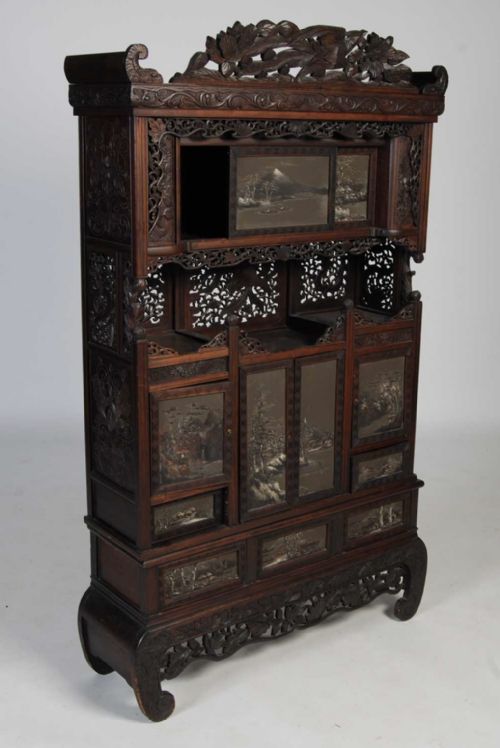
Origins and periods cover Victorian, Edwardian, and Regency eras alongside Renaissance revival and Japanese Meiji period examples. Materials range from walnut and mahogany to brass and gilded carved wood.
Materials and construction methods
Timbers such as oak, mahogany, walnut, and burr walnut form the structural core of these pieces. Cabinetmakers utilised carved wood, fretwork, and gesso to ornament surfaces.
Certain items incorporate brass mounts, mirrors, and hand-painted details. Construction techniques reflect the prevailing tastes of periods from the seventeenth century through to the twentieth century.
Listings feature items spanning the seventeenth century through to the nineteen-thirties, including oak, mahogany, walnut, and brass.
What separates the finest pieces
Quality rests upon the crispness of carved detail, the choice of timber veneers such as burr walnut, and the integrity of joints. Fretwork execution and hand-painted decoration distinguish superior examples.
Proportion and balance between decorative elements and structural utility dictate overall success. Pieces displaying restrained ornamentation often rival heavily carved counterparts in visual impact.
The Decorative Display Shelving Glossary
- Whatnot
- A freestanding piece of furniture with multiple open shelves for displaying ornaments and books. It gained popularity during the nineteenth century.
- Wall Brackets
- Architectural shelf supports fixed directly to a wall to hold decorative items. They frequently appear in pairs.
- Bespoke
- Made to individual order and specific measurements rather than produced in standard batches. This approach ensures unique proportions.
- Fretwork
- Ornamental design created by cutting patterns through thin wood with a fret saw. It appears on lighter display shelving.
Decorative Display Shelving: Frequently Asked Questions
What is an etagere?
An etagere is a tiered shelving unit designed specifically for displaying small ornamental objects. These pieces provide multiple open levels while taking up minimal floor space.
Originating in France, they appeared in various woods and decorative styles throughout the nineteenth and early twentieth centuries.
How do I hang wall brackets?
Wall brackets require sturdy fixings suited to the wall material and the weight of the bracket itself. Most feature integrated hanging loops or screw holes.
Ensuring proper anchoring protects both the antique timber and the items displayed upon the shelf.
Where should I place a whatnot?
Whatnots suit corners or empty wall spaces in living areas where they can hold books or decorative objects. Their open construction allows light to pass through.
Placing them away from direct sunlight preserves the timber and any fine veneer work.
What is burr walnut?
Burr walnut is a veneer taken from the growth growths of walnut trees. It exhibits complex swirling grain patterns.
Cabinetmakers utilised this timber to create highly decorative surfaces on nineteenth-century furniture.
How do I clean antique shelves?
Dusting with a soft, dry cloth prevents the accumulation of grime on carved wood and polished surfaces. Avoid liquid polishes containing silicones.
Applying a traditional beeswax occasionally helps nourish older timbers without building up residue.