
Antique Paper Holder
An antique paper holder brings order to correspondence and reading matter, combining utility with period craftsmanship.
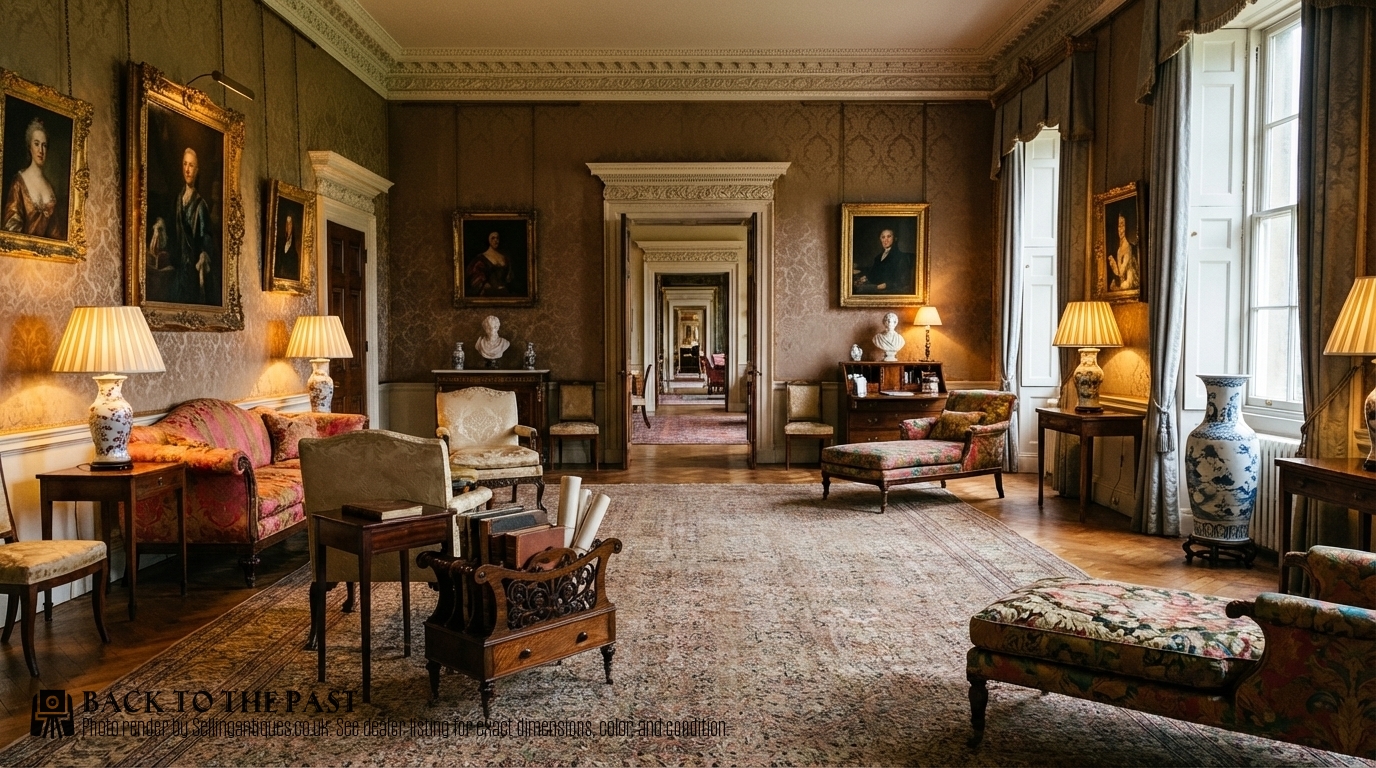
What an antique paper holder is
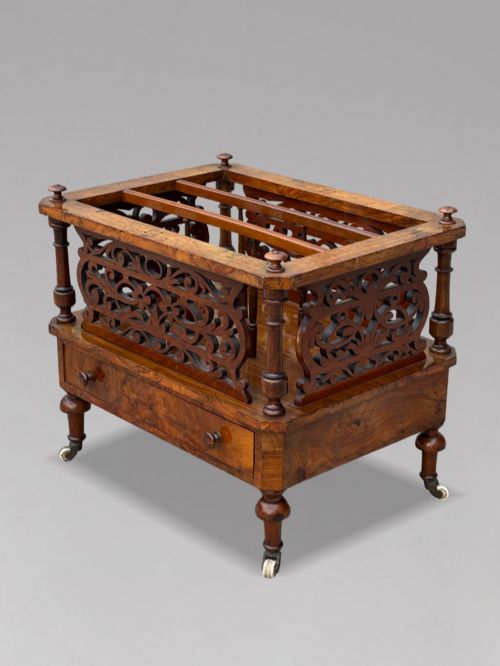
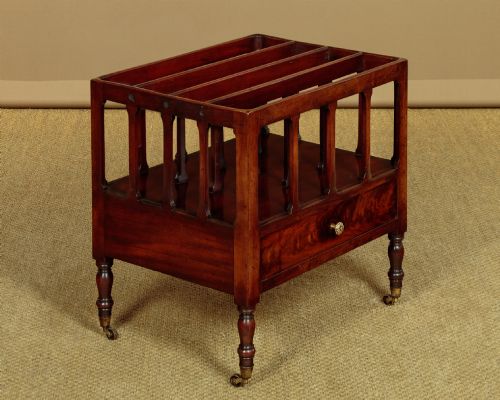
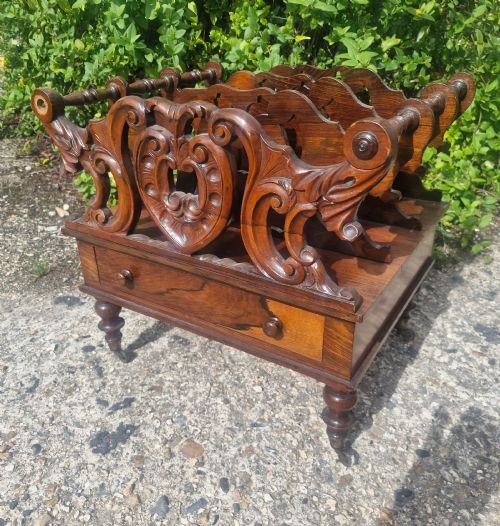
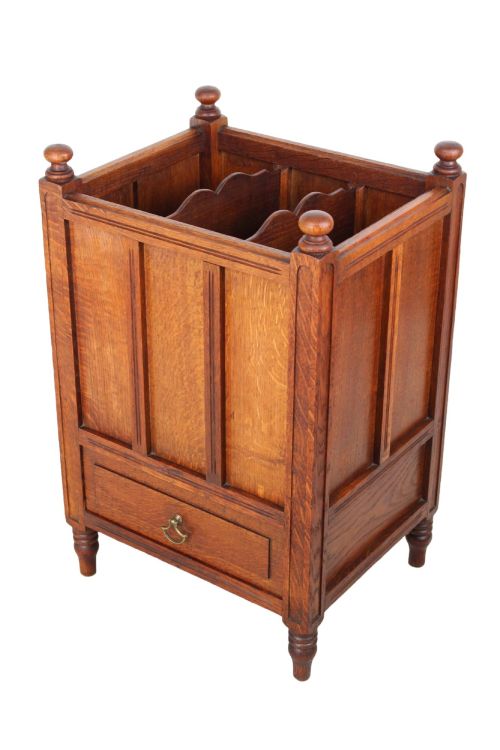
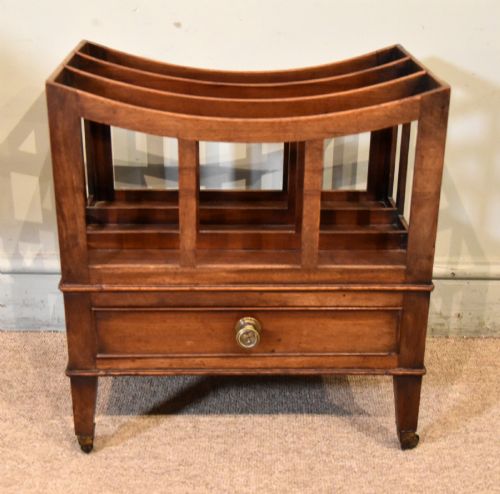
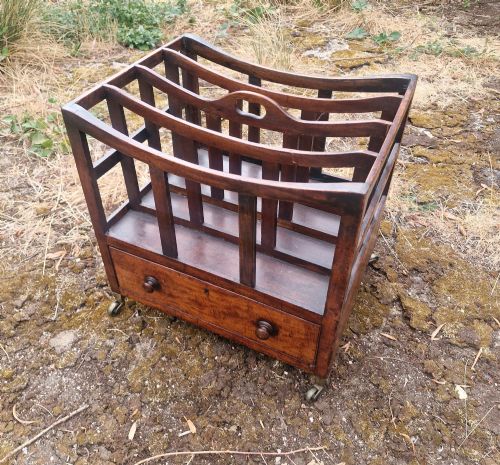
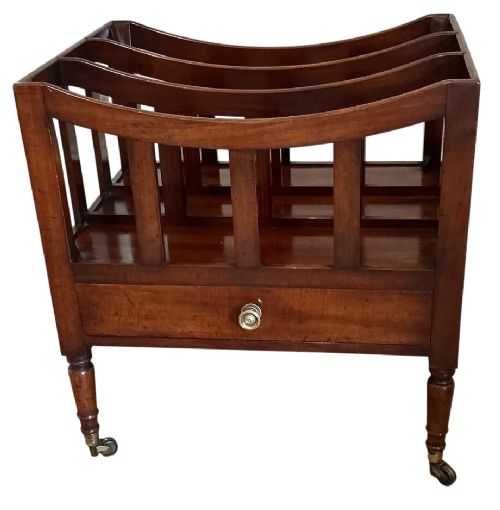
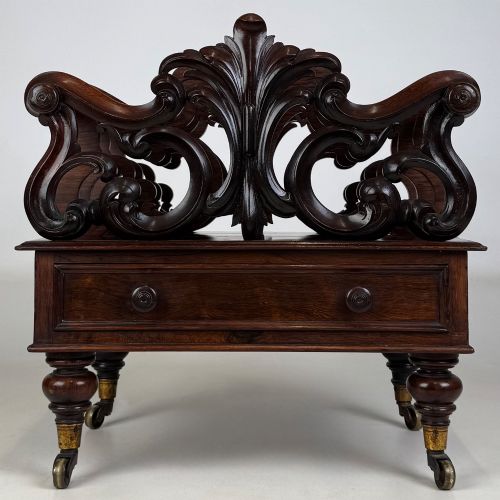
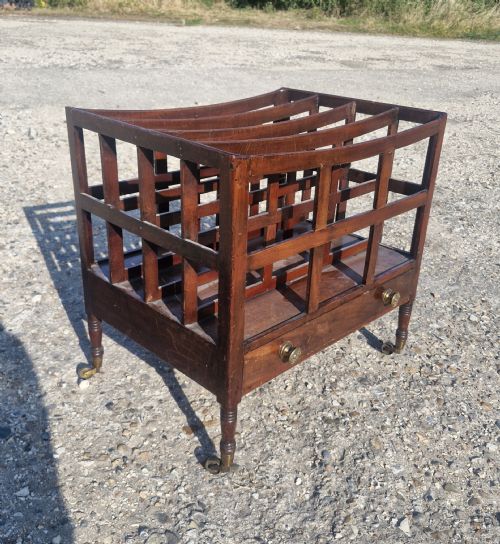
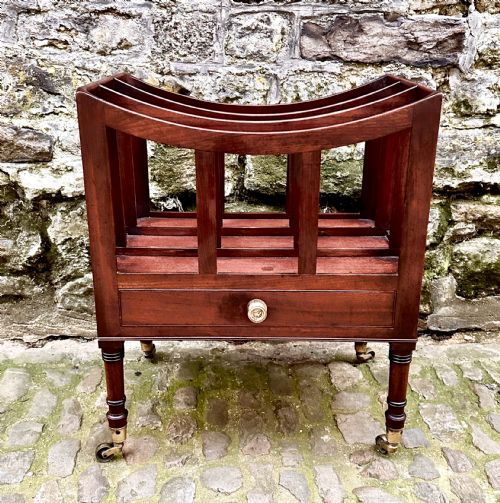
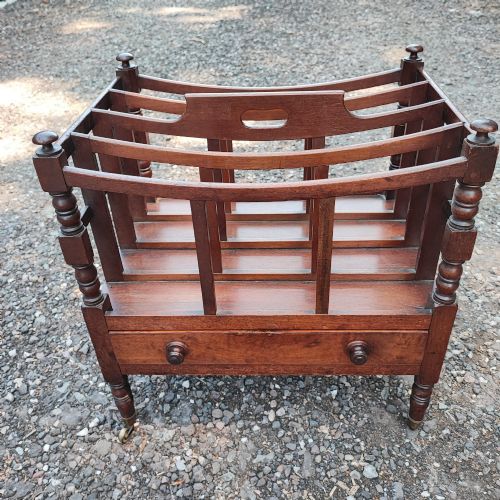
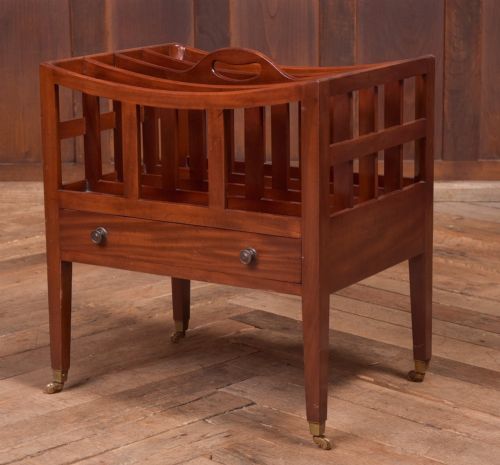
When you search for an antique paper holder, you encounter a variety of desk accessories, letter racks, wall pockets, and floor-standing canterburys designed to organise letters, newspapers, and magazines. These domestic and office items span the Georgian, Victorian, and Edwardian eras, reflecting the changing reading habits of past centuries.
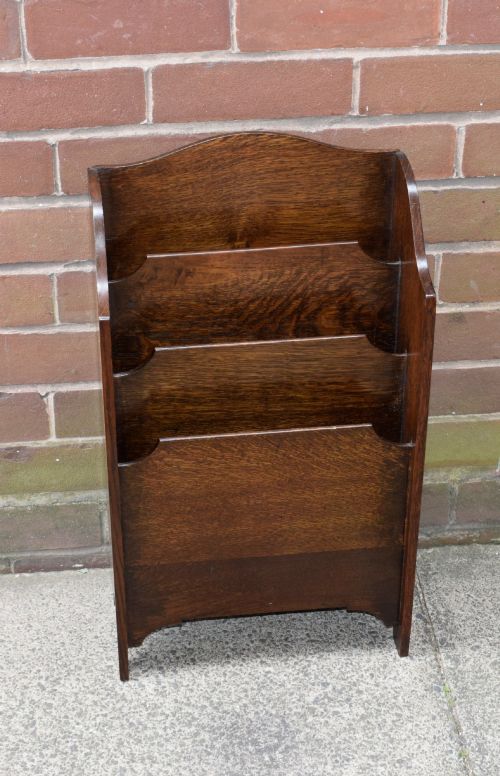
The pieces you meet most often on this page include desktop letter organisers and magazine racks made from traditional timbers and metals. They range from utilitarian desk tidies used by insurance agents to decorative wall pockets intended for domestic studies and reception rooms.
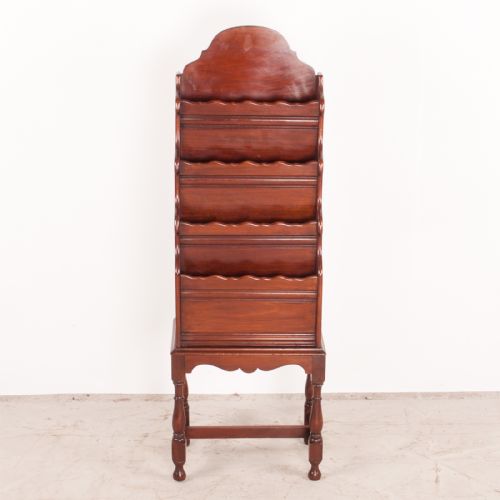
Forms vary from compact desktop tidies with multiple slots to larger floor-standing canterburys and wall-mounted papier-mache pockets. Each piece demonstrates how Victorians and Edwardians managed the steady flow of daily correspondence and periodicals.
How they were made
Joiners and cabinetmakers utilised woods such as mahogany, rosewood, oak, hardwood, and bamboo to build the structural frames of these holders. Carpenters shaped these materials into desktop compartments and tiered compartments designed to hold folded documents upright.
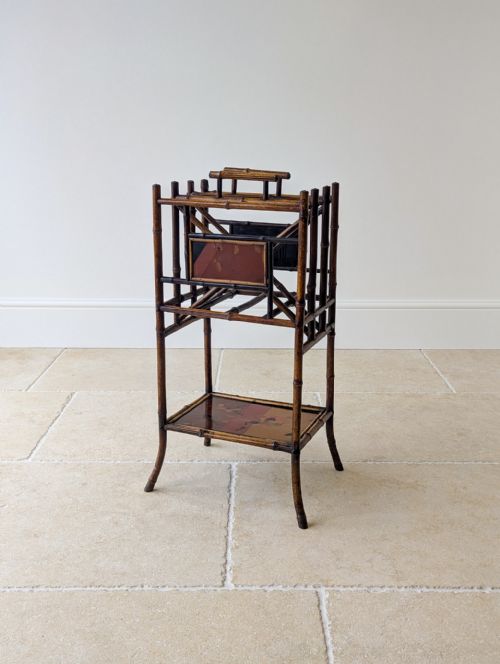
Metalworkers incorporated brass for handles, feet, and structural dividers, adding durability and contrast to wooden bodies. Papier-mache and lacquer techniques provided smooth surfaces suitable for decorative wall pockets, while bamboo framing captured the exotic tastes of the Aesthetic Movement.
Retail Price Guide 2026
Typical UK retail prices for paper holder, calculated from the Sellingantiques database of over a million retail prices indexed since 2003. This retail price guide relies exclusively on Sellingantiques data; no external sources or auction records are used, so the figures do not describe the wider market.
Listings feature items from the Georgian, Victorian, and Edwardian eras, constructed from mahogany, brass, bamboo, and papier-mache.
What varies in quality
The distinction between standard utility items and finer pieces lies in the selection of materials and the finesse of the construction. Superior examples feature carefully matched timbers, robust brass fittings, and hand-finished details that endure heavy daily use.
Plain office letter organisers focus purely on functional compartmentalisation, whereas pieces from the Aesthetic Movement or decorative pairs of papier-mache wall pockets display artistic ambition through form and surface treatment.
The Antique Paper Holder Glossary
- Canterbury
- A low stand with partitions used for holding sheet music, books, or periodicals. These pieces often feature carrying handles and small legs.
- Papier-mache
- A composite material made of paper pulp or layers of paper bound with glue, moulded while moist, and dried to form a rigid surface suitable for lacquering.
- Letter rack
- A desktop accessory featuring vertical wooden or metal dividers designed to keep correspondence sorted and upright.
- Aesthetic Movement
- A late nineteenth-century design style emphasising visual and decorative qualities over narrative content, often incorporating bamboo and Japanese-inspired motifs.
Frequently Asked Questions
What is an antique paper holder used for?
These pieces served to organise incoming correspondence, documents, and newspapers on desks, tables, and walls. In offices and country houses, they kept working papers accessible and tidy.
Today, they function well in modern interiors for sorting mail, stationery, and contemporary magazines while adding period character to a room.
How do I date an antique paper holder?
Dating relies on identifying the prevailing styles, timber choices, and construction methods associated with specific periods. Georgian and William IV pieces often show heavier mahogany or rosewood frames, while Edwardian examples frequently use oak combined with brass.
Stylistic markers like bamboo frames point directly to the later nineteenth century and the Aesthetic Movement.
Are wall pockets and desk tidies the same?
Wall pockets feature hanging loops or flat backs designed to be mounted on a wall to save surface space. Desk tidies and letter racks stand independently on flat surfaces like writing desks or tables.
Both forms solve the same domestic storage problem but suit different rooms and furniture arrangements.
What materials should I expect to find?
The recorded pieces utilise a range of materials including mahogany, rosewood, oak, bamboo, and hardwood. Many incorporate brass dividers or handles, and some decorative examples employ papier-mache.
Each material reflects the aesthetic preferences and manufacturing capabilities of its specific period.