


Antique Paper Engraving
When you search for antique paper engraving, you encounter centuries of printed artistry from portraits to cartography.
Antique Paper Engraving
The term antique paper engraving covers a broad category of printed works on paper, spanning from the seventeenth century through to the mid-twentieth century. Buyers searching this phrase typically encounter framed prints, wall art, and historical maps originating from diverse periods including the Georgian and Victorian eras.
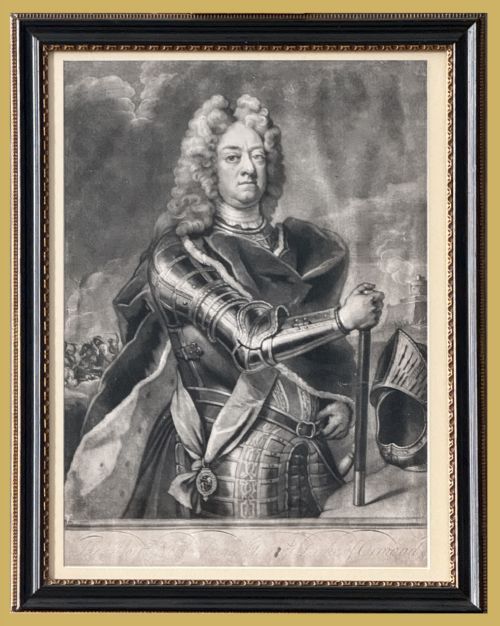
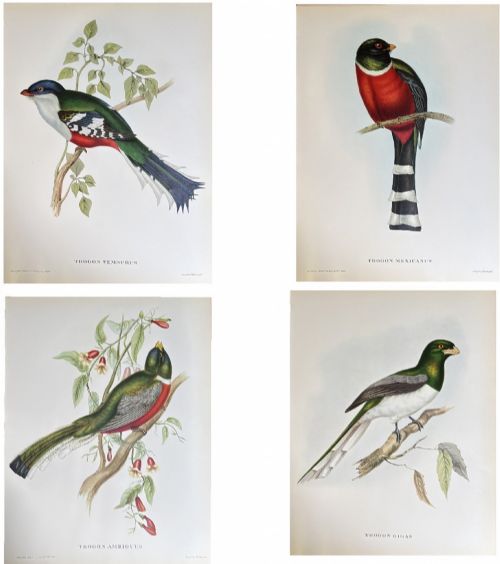
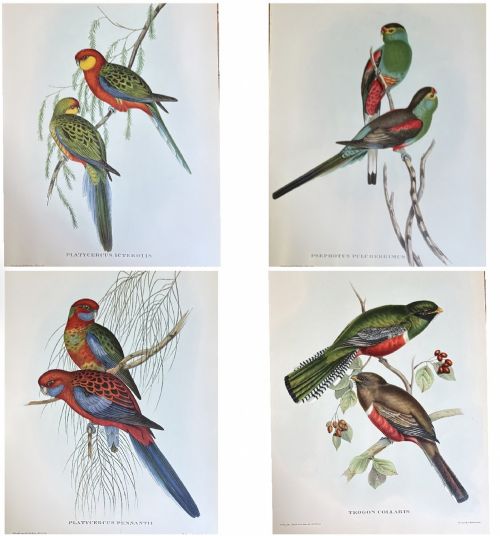
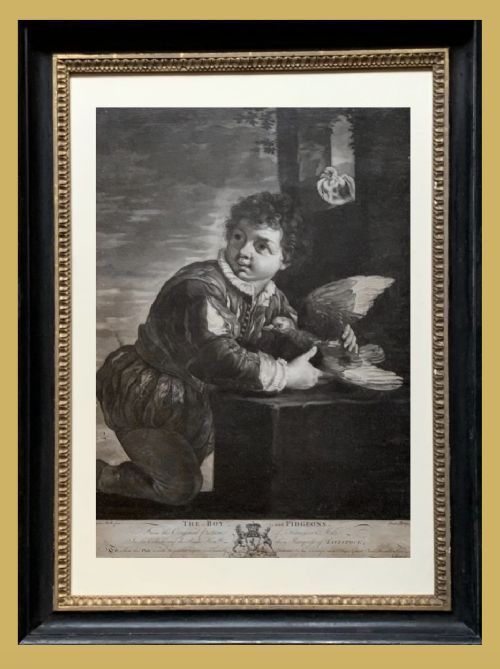
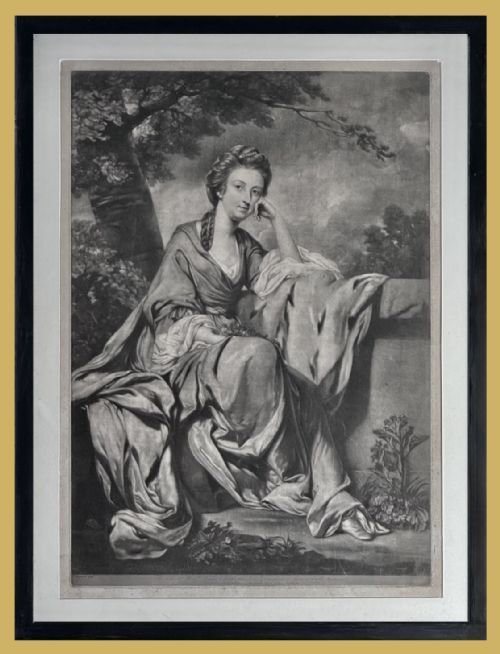
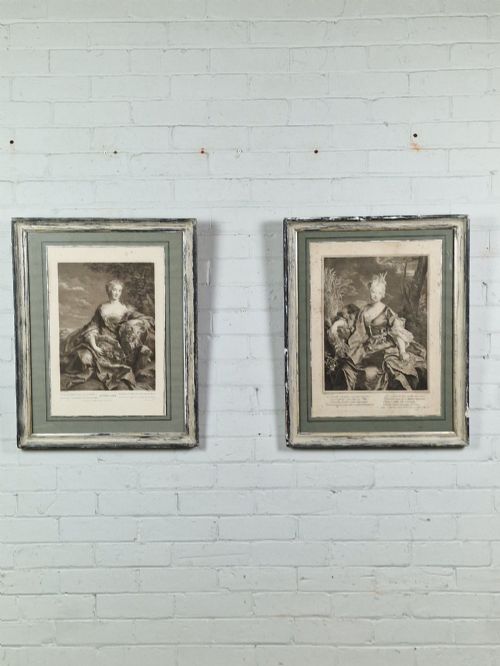
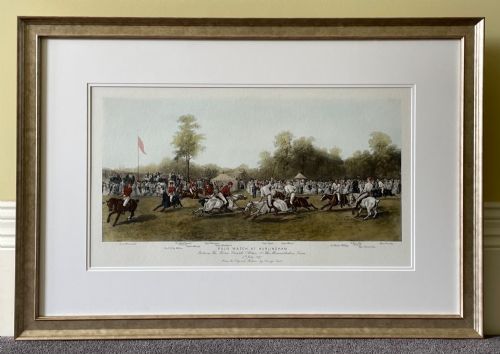
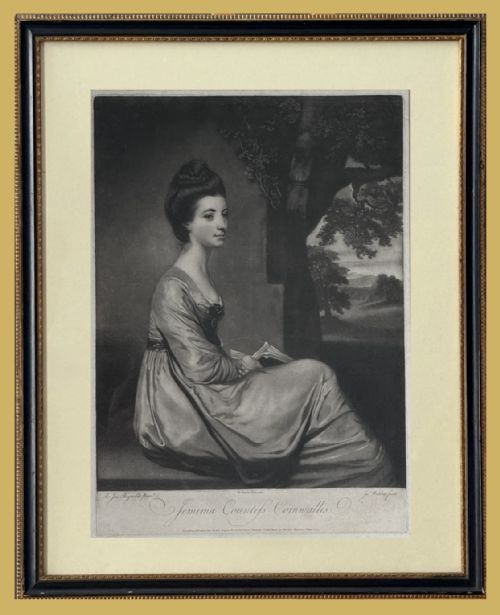
The selections available range from eighteenth-century mezzotint portraits of nobility and political figures to nineteenth-century sporting scenes and botanical studies. Many examples pair the printed sheet with period framing materials such as gilt wood.
Portraits after renowned painters like Sir Joshua Reynolds and Sir Peter Lely form a substantial portion of these listings. Alongside these, buyers find architectural subjects, anatomical plates, and maps documenting distant voyages and regional topography.
Materials and Techniques
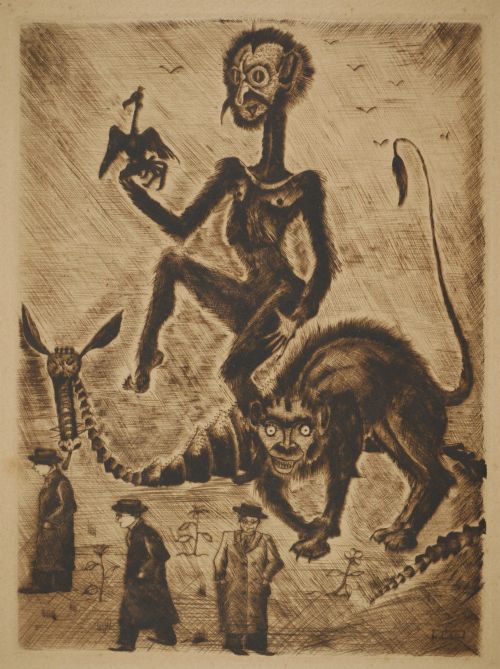
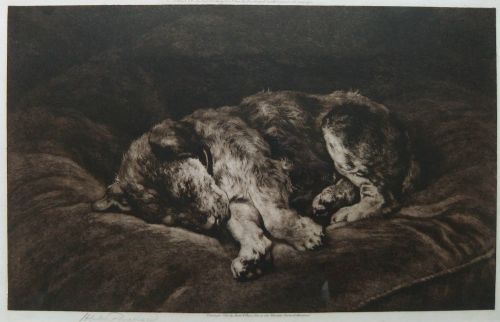
These works rely fundamentally upon paper as a substrate, combined with ink applied through various intaglio and relief printing methods. Mezzotint, stipple engraving, and etching dominate the technical repertoire visible in the listings.
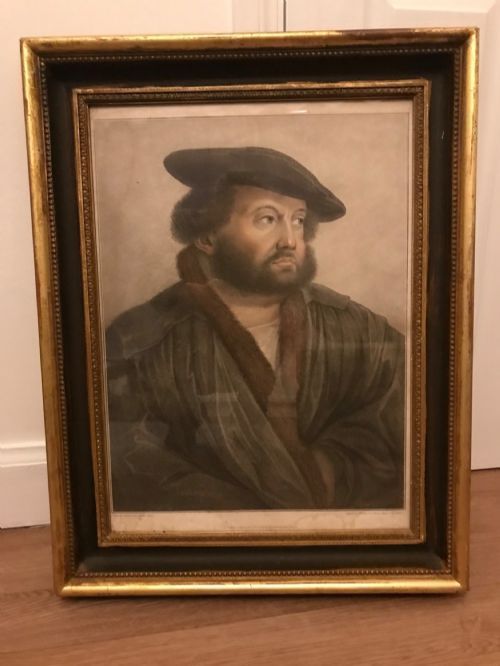
Makers utilised copper or steel plates to incise lines or texture the surface before transferring ink under pressure to damp paper sheets. Certain later examples incorporate hand-applied watercolour washes over the printed black ink lines to add visual depth and colour.
Framing components utilise wood, glass, and occasional gold leaf accents to protect and display the delicate paper sheets. Original Hogarth frames and carved gilt wood surrounds frequently accompany the prints from earlier centuries.
Materials documented across the inventory include handmade paper, copper plate ink, gold leaf accents, and occasional watercolour washes.
Factors That Separate the Range
The distinction between standard works and superior pieces rests upon the crispness of the impression pulled from the printing plate. Early impressions carry fine tonal gradations and sharp linear details that fade as the metal plate wears down over multiple print runs.
The reputation of the original artist, the skill of the engraver, and the eminence of the publisher heavily influence the standing of an individual print. Works executed by celebrated printmakers after major portrait painters command greater attention from collectors.
The preservation of the paper sheet and the survival of contemporary or period framing contribute significantly to desirability. Clean margins, minimal foxing, and authentic historical mounts elevate the overall character of the piece.
John Simon·Kurt Lorein Victor Peiser·John Boydell·Edward Fisher·Francesco Bartolozzi·Herbert Dicksee·John Smith·James Watson·François Perrier
The Antique Paper Engraving Glossary
- Mezzotint
- A printmaking process where the copper plate is roughened uniformly to produce rich dark tones and subtle gradations of light. This technique became the preferred method for reproducing oil paintings during the seventeenth and eighteenth centuries.
- Etching
- A method where lines are bitten into a metal plate using acid rather than direct manual cutting tools. The resulting prints exhibit flowing, expressive lines characteristic of the artist's hand.
- Stipple engraving
- A technique using dots of varying density to create tonal effects and flesh tones without relying heavily on solid lines. This method was widely adopted for portraiture in the late eighteenth century.
- Foxing
- The appearance of brown spots on antique paper caused by chemical reactions within the pulp over long periods. This condition occurs frequently in works stored in humid environments.
- Plate mark
- The indentation left in the paper by the edge of the metal printing plate under high pressure. Its presence confirms an authentic intaglio print.
Antique Paper Engraving: Frequently Asked Questions
What is an antique engraving?
An antique engraving is a printed image produced by transferring ink from an incised metal plate onto paper during past centuries. These works served as accessible art, political propaganda, and scientific illustration before the advent of modern photography.
Collectors prize them for their fine linear detail and direct connection to historical printmaking traditions. They capture the likenesses of historical figures, distant landscapes, and natural history subjects.
How should I frame paper art?
Paper engravings require professional framing utilising acid-free mounts and UV-protective glass to prevent fading and chemical degradation. Keeping the paper elevated away from the glass surface prevents moisture accumulation.
Displaying these pieces away from direct sunlight preserves the ink and the integrity of the paper substrate. Many buyers seek out period frames like Hogarth moulding to maintain historical context.
How do I date an engraving?
Dating relies upon printed publication lines, watermarks within the paper structure, and the stylistic clothing or hair of depicted subjects. Contemporary inscriptions and publisher addresses often provide precise years of creation.
Comparing the printing technique to known historical periods helps narrow the timeframe when explicit dates are absent. Experts examine the paper stock quality and plate wear to corroborate the era.
Are these prints original works?
These listings consist of original period printings pulled from historical plates during the era in which they were created. They are not modern photographic reproductions or digital facsimile prints.
Each impression carries the physical characteristics of period printing presses, including plate marks and paper age. This authenticity distinguishes them from contemporary decorative prints.