
Antique Painted Storage
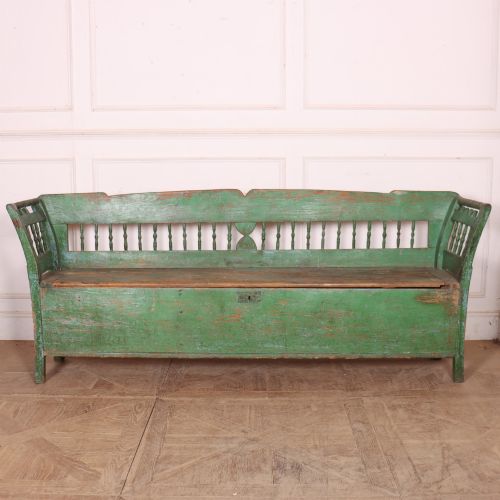
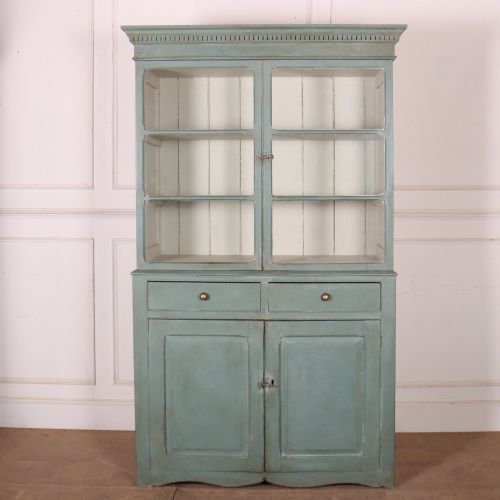
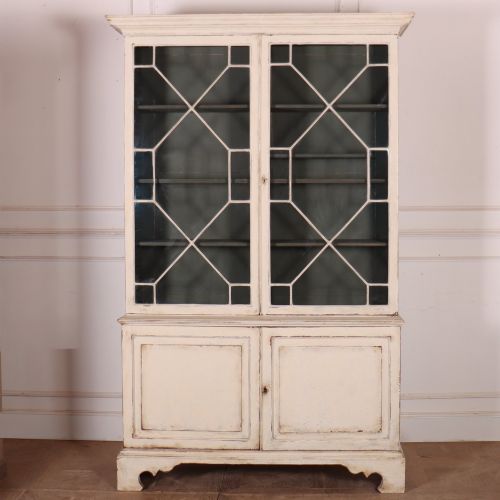
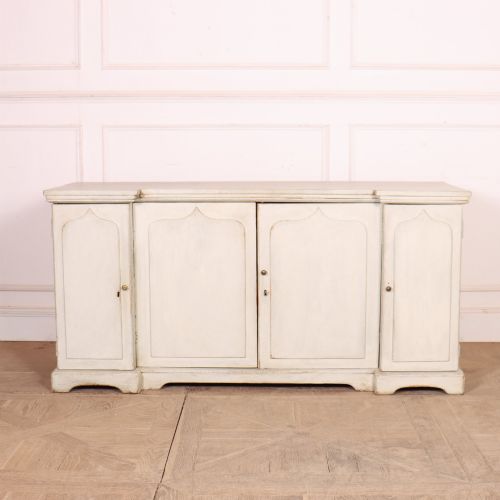
These pieces of antique painted storage bring utilitarian charm and colour to a room through centuries of decorative finishes.
Antique Painted Storage
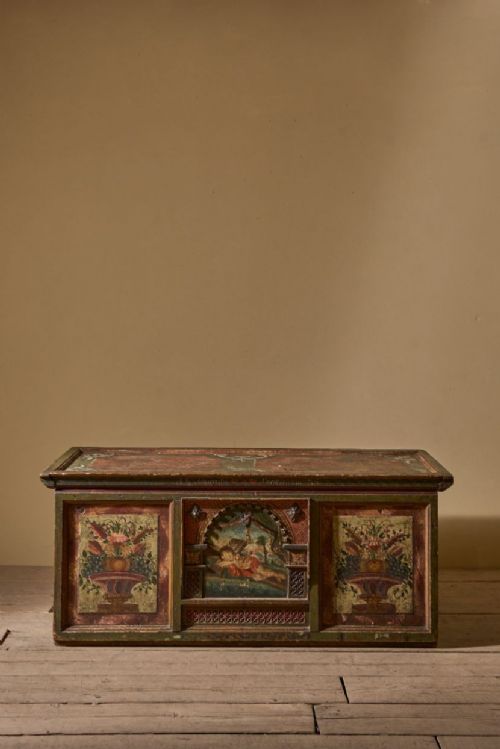
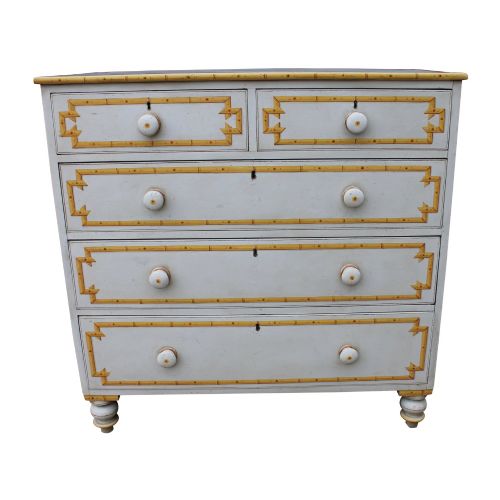
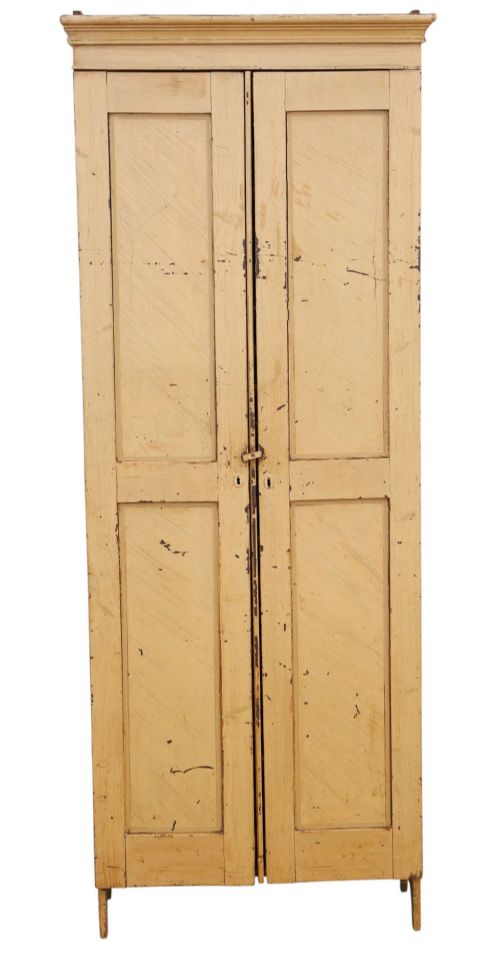
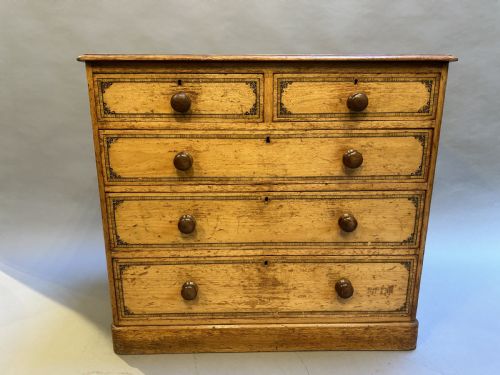
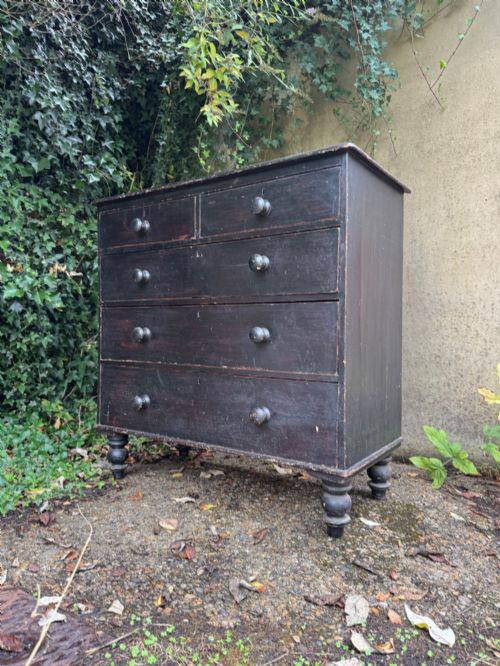
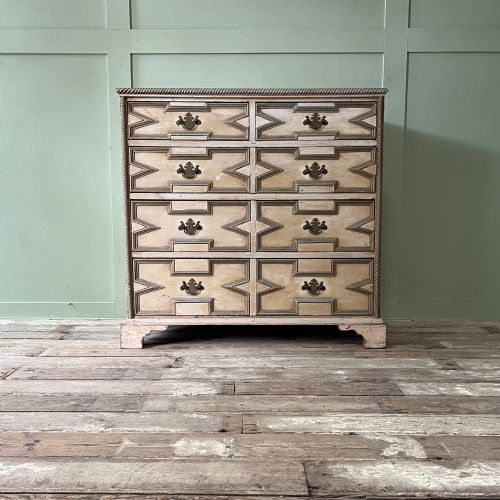
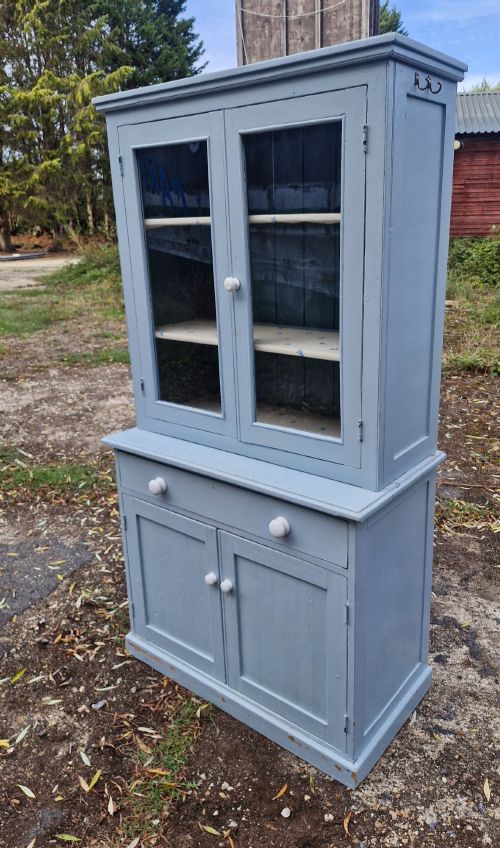
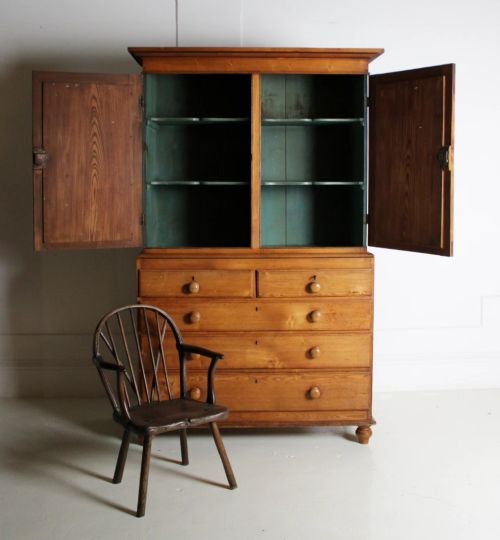
When you search for antique painted storage, you encounter functional furniture designed to hold garments, household linens, and domestic goods. The selection spans robust pine chests, kitchen cupboards, and wardrobes dressed in historical coats of paint.
You are most likely to meet Victorian and nineteenth-century pine examples on this page, often showing layers of cream, blue, or teal pigment. These practical items originated in farmhouses, country houses, and provincial town dwellings across Britain and continental Europe.
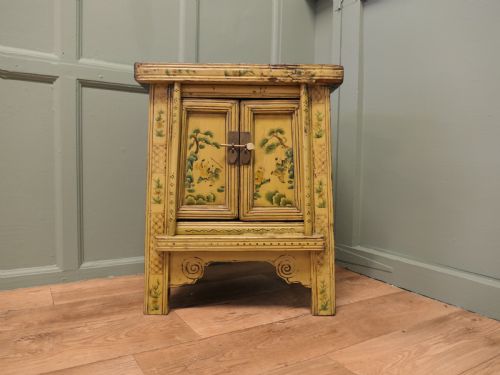
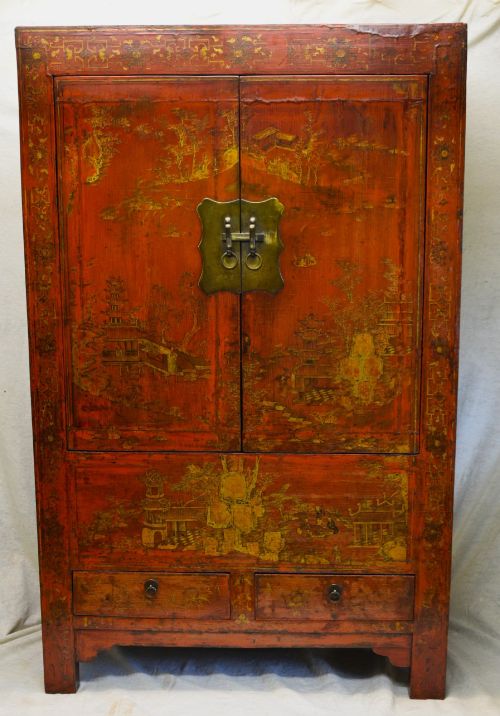
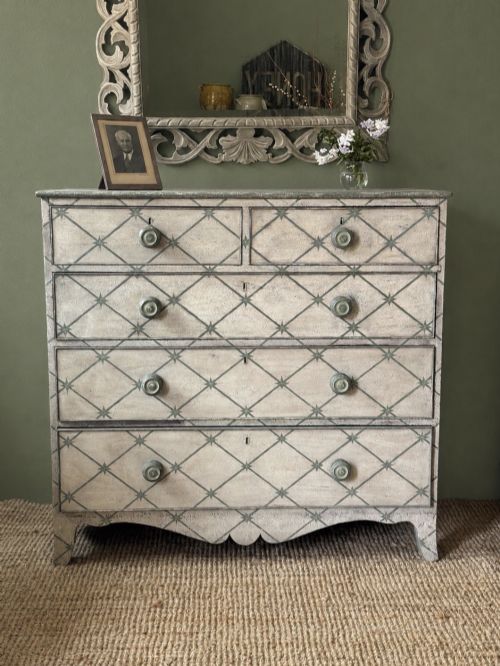
The category also encompasses specialised forms such as linen presses, military campaign chests, and decorative Chinoiserie cabinets. Each piece combines heavy-duty storage capacity with the enduring character of a hand-applied surface.
How they were made
Makers constructed the primary carcasses of these storage pieces using sturdy domestic timbers like pine, ash, and other solid woods. Carpenters utilised dovetail joints for drawers and hand-forged iron strapwork or brass hardware for structural reinforcement and security.
Surface decoration involved applying traditional oil or water-based paints directly to the wood, sometimes building up decorative schemes with stencils or lacquer. Artisans frequently sealed these painted finishes with wax to protect the pigment against daily domestic wear.
Materials recorded across the inventory include solid pine, lacquered wood, brass hardware, and hand-forged iron strapwork.
What varies in quality
The distinction between ordinary and superior pieces rests in the integrity of the original construction and the preservation of the surface. Furniture built with thick timber boards and retaining its first or early painted coat commands greater attention from collectors.
Artistry in the decorative finish also separates standard utility items from finer examples. Delicately executed Chinoiserie motifs, hand-stencilling, or well-preserved folk art painting display a level of craftsmanship that elevates basic storage into notable decorative art.
Sir Clough Williams-Ellis·Maples & Co.
The Antique Painted Storage Glossary
- Chinoiserie
- European decorative style employing Chinese-inspired motifs and lacquer techniques. This aesthetic appears frequently on cabinets and wardrobes dating from the nineteenth and early twentieth centuries.
- Linen press
- Large upright cupboard containing sliding trays or shelves originally used for storing freshly laundered household textiles. The lower section usually incorporates a chest of drawers.
- Japanned
- European imitation of Japanese or Chinese lacquerware produced by applying layers of varnish and metallic powder. The surface is often cured and polished to achieve a glossy sheen.
- Campaign chest
- Portable furniture made in sections with brass corners and recessed handles designed for military transport. These pieces split into modular units for easy movement during campaigns.
Antique Painted Storage: Frequently Asked Questions
How do I clean an antique painted surface?
Dust the surface regularly with a soft, dry cloth to prevent dirt accumulation. Avoid using modern chemical cleaners or excessive water, which can strip or soften historical paint layers.
Apply a microcrystalline wax sparingly if the finish appears dry, buffing it gently with a clean cloth to restore a soft sheen.
Are these cupboards suitable for modern clothing?
Many nineteenth-century wardrobes and linen presses offer generous internal depth and adjustable shelving suited for contemporary wardrobes. Measure your available space and check internal hanging heights before committing to a specific piece.
Keep in mind that older timber may have natural scent retention, so airing out interiors with scented sachets is common practice.
How do I date a painted pine chest?
Examine the construction methods visible inside the drawers and along the back panels. Hand-cut dovetails and forged iron nails point towards eighteenth or nineteenth-century origins, whereas machine-sawn timber indicates later periods.
Inspect the paint layers under natural light to differentiate between early surface coatings and later decorative over-painting.
What is the difference between a commode and a chest?
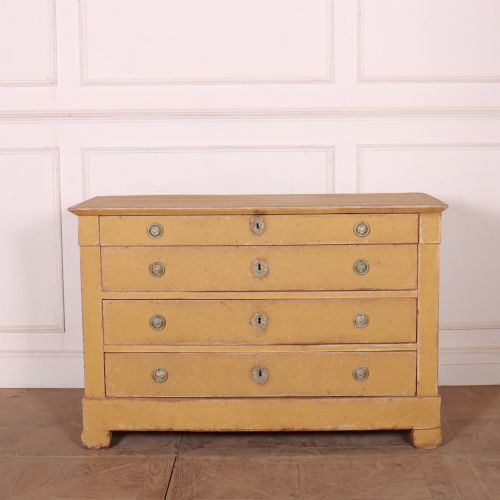
A commode typically refers to a low, decorative French or continental cabinet featuring drawers or doors. They often exhibit refined styling, such as curved fronts or specialised painted finishes.
A chest of drawers is generally a more utilitarian British or regional piece focused purely on stacked drawer storage capacity.