




Vintage Floral Chest
A vintage floral chest brings painted botanicals and inlaid blooms into a room, offering practical storage alongside centuries of decorative craft.
Vintage Floral Chest
When you search for a vintage floral chest, you encounter a varied group of storage forms spanning centuries of domestic life. These pieces range from substantial marriage trunks and commodes to small tea caddies, boxes, and bedside cabinets.
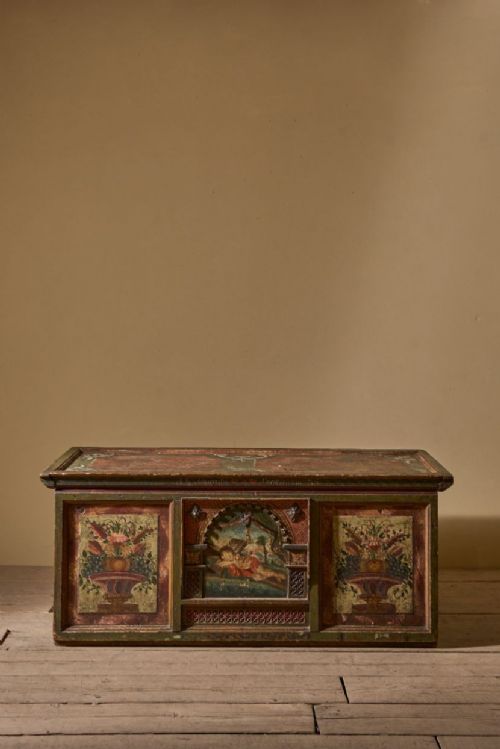
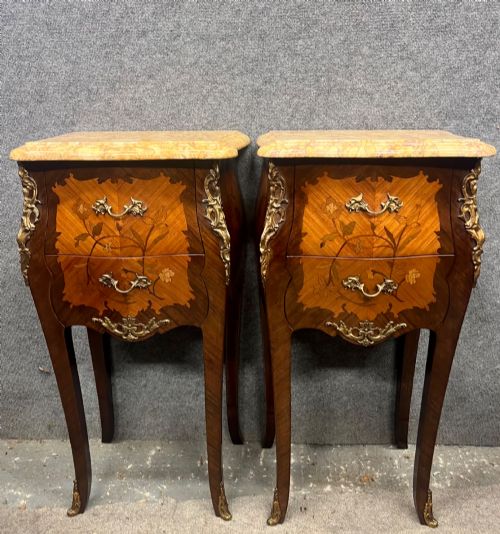
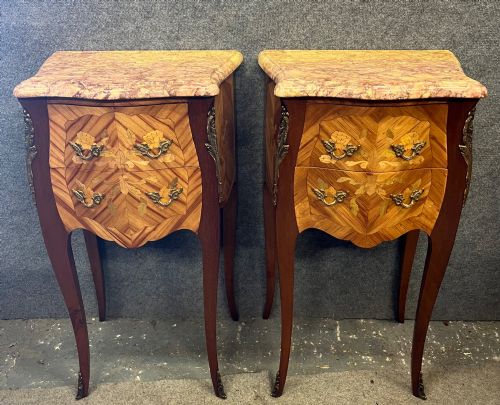
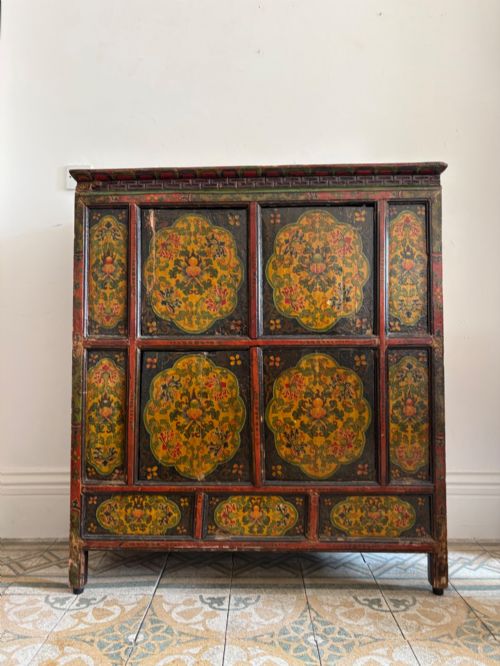
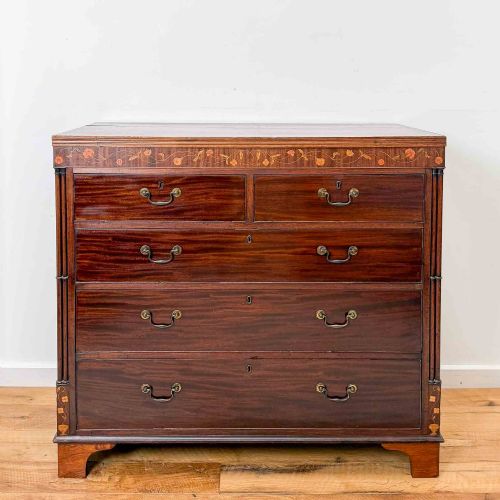
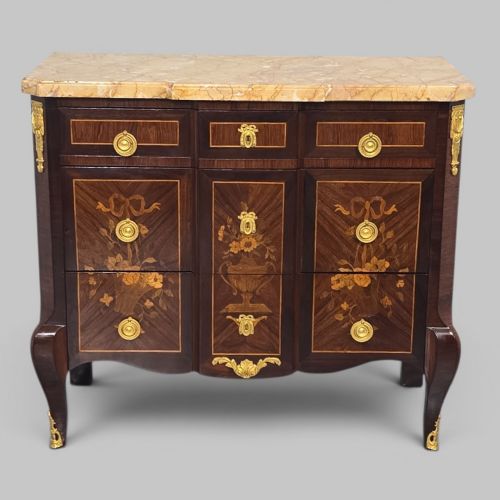
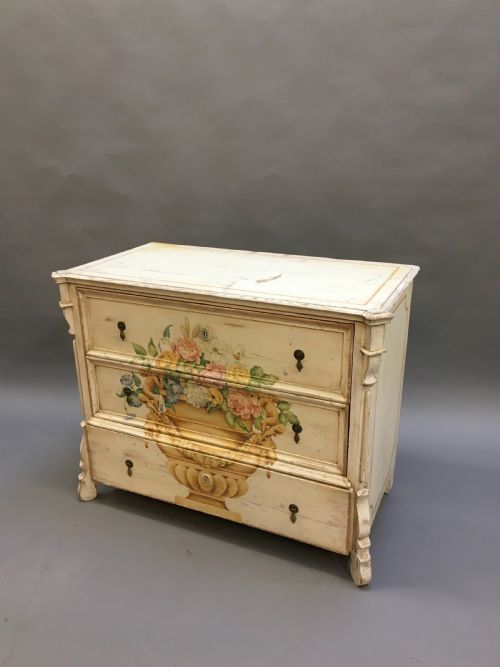
The selections here lean heavily toward painted decoration and marquetry inlay. Pieces originate from diverse traditions, including nineteenth-century Scandinavian folk art, Hungarian pine coffers, Dutch walnut, and French commodes.
Forms extend beyond standard chests of drawers to incorporate decorative boxes, trunks, and compact bedside tables. Each object utilises wood, paint, or inlay to bring floral motifs into everyday utility.
Materials and construction
Construction relies on traditional timber framing, utilising woods such as pine, walnut, mahogany, rosewood, and camphor-wood. Surfaces are transformed through hand-applied paint or intricate marquetry inlay using contrasting veneers.
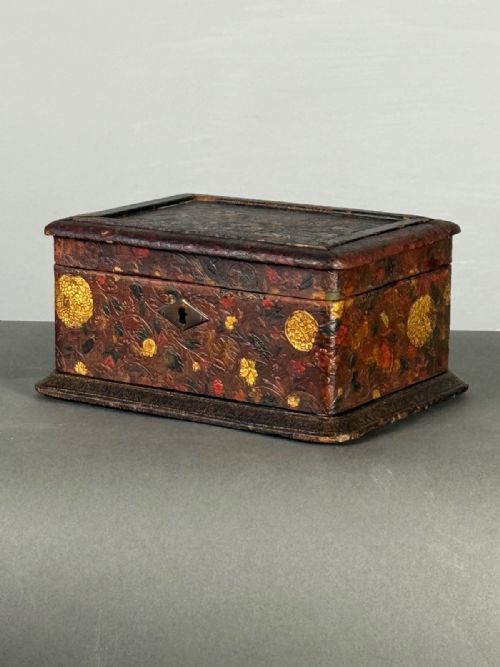
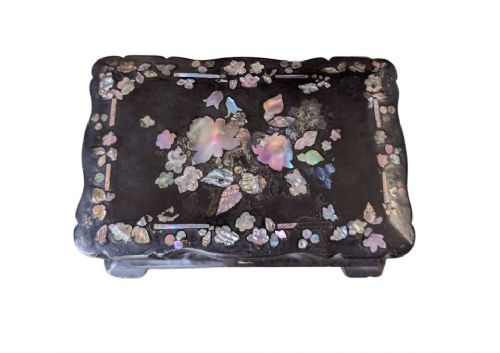
Many examples incorporate decorative metalwork, including brass mounts, iron fastenings, or ormolu details. Leather, mother of pearl, and marble tops also appear, reflecting the specific origins and stylistic periods of individual pieces.
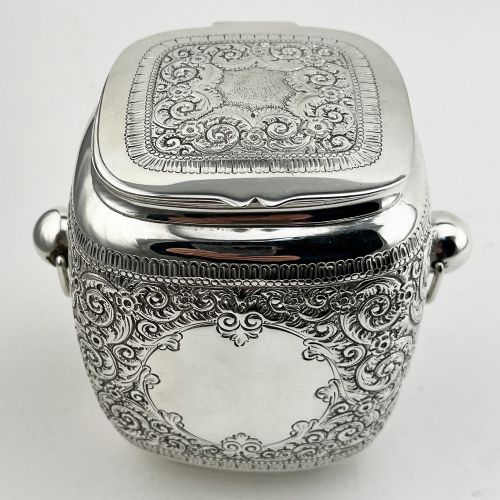
A tiny box once held prized tea leaves under lock and key, proving that the Victorians took their herbal refreshments very seriously indeed.
Assessing quality and execution
Quality rests upon the precision of the cabinetwork and the execution of the floral decoration. Fine marquetry displays tight joints and subtle shading within the wood veneers, while painted pieces rely on the clarity and preservation of the brushwork.
The integrity of the structure and the retention of original surface finishes dictate the standing of an item. Pieces retaining their early or original painted schemes or detailed inlays command greater interest than those with later alterations.
Susse Freres Paris·Martin Hall Co·Edwards and Roberts
The Vintage Floral Chest Glossary
- Marquetry
- The art of applying pieces of veneer to a structure to form decorative patterns. Floral designs utilise various tinted and shaded woods to depict petals and stems.
- Commode
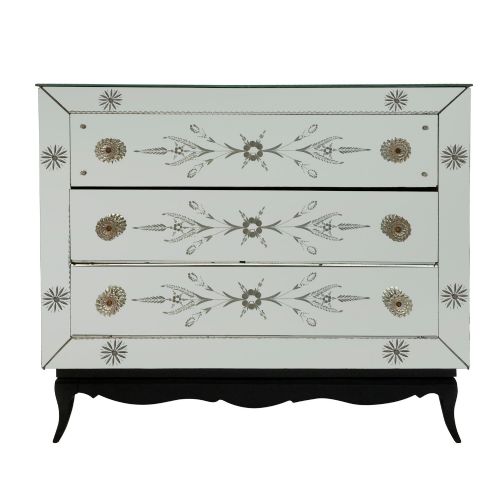
- A low chest of drawers or cabinet. French examples often feature curved bombe profiles and elaborate veneer work.
- Caddy
- A small box or container originally used for storing tea. Many surviving examples feature intricate inlays or painted finishes.
- Cofer
- A large chest or trunk used for storage of valuables or textiles. Often decorated with folk art painting.
- Ormolu
- Gilded bronze used for mounts and decorative details on furniture. It provides metallic contrast to wood and lacquer surfaces.
Vintage Floral Chest: Frequently Asked Questions
What is a vintage floral chest?
A vintage floral chest encompasses storage furniture and small boxes decorated with painted flowers or floral marquetry. These items span various centuries and European or international traditions.
They serve as both functional storage and decorative focal points within a room, combining traditional cabinetmaking with botanical artwork.
How were these chests used?
These pieces served multiple domestic purposes depending on their scale. Large trunks and commodes stored garments, linens, or household goods, while smaller boxes held tea or personal trinkets.
Bedside cabinets and tables provided surface space and enclosed storage within sleeping quarters, integrating utility with decorative craft.
How do I live with one?
Integrating a floral chest into a modern interior works best by allowing the piece to serve as a focal point. Use surface areas for lamps or display objects while keeping the surrounding decor complementary.
Protect wood and painted surfaces from direct sunlight and excessive moisture to preserve the integrity of the floral decoration over time.
How do I tell periods apart?
Identifying periods relies on observing construction techniques, hardware styles, and prevailing design motifs. Seventeenth and eighteenth-century pieces often display dense walnut marquetry, while nineteenth-century items include folk art painted pine or Victorian walnut.
Later twentieth-century examples frequently incorporate French revival styling or simplified art forms, aligning with the materials and aesthetics of their specific decade.