


Antique Painted Floral Plates
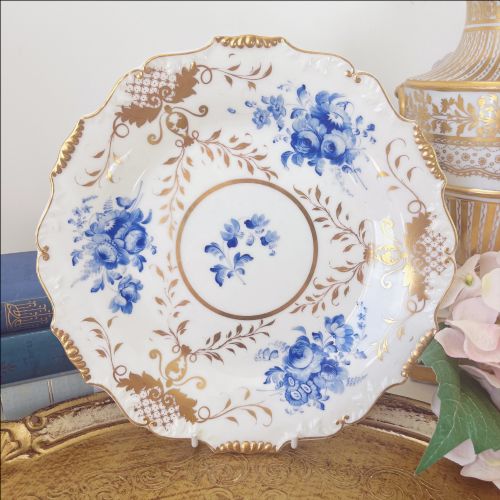
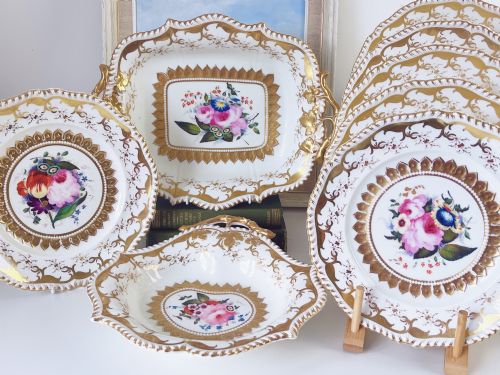
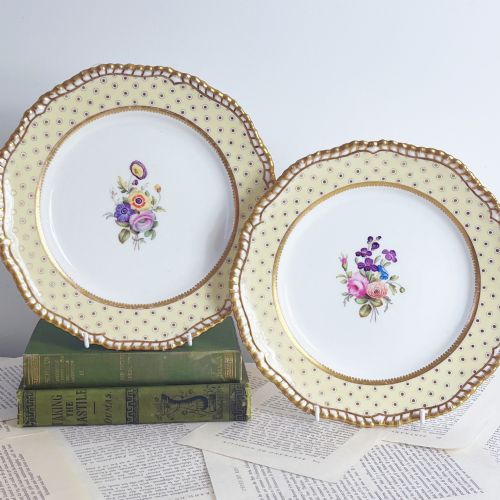
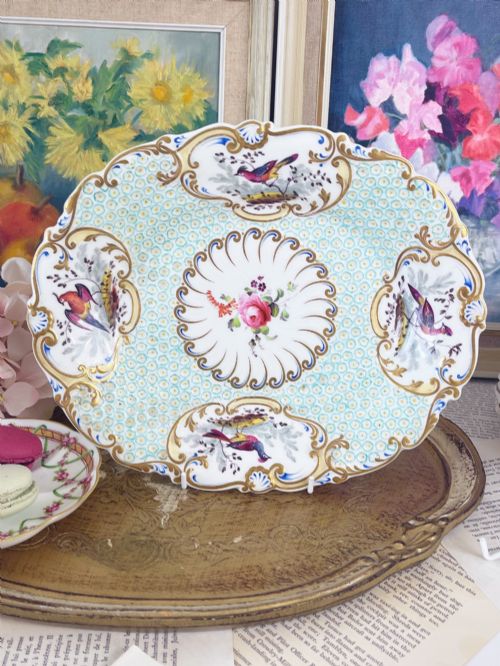
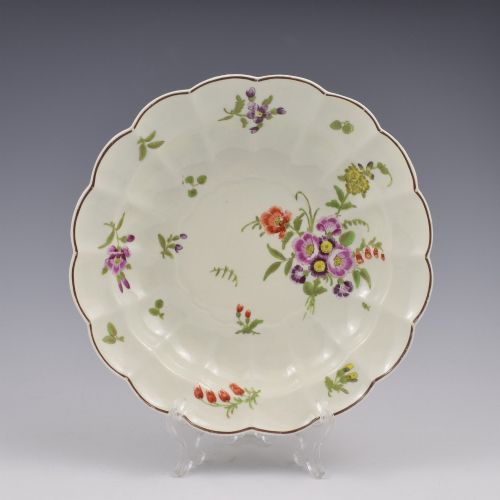
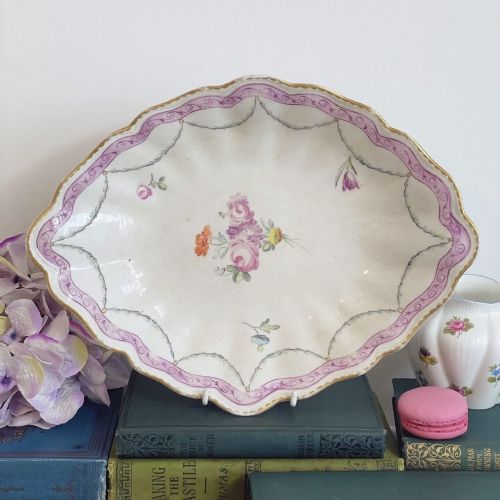
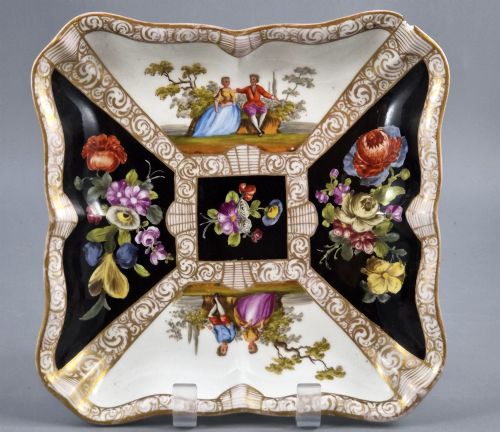
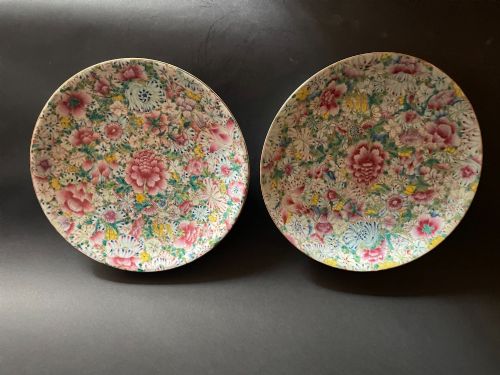
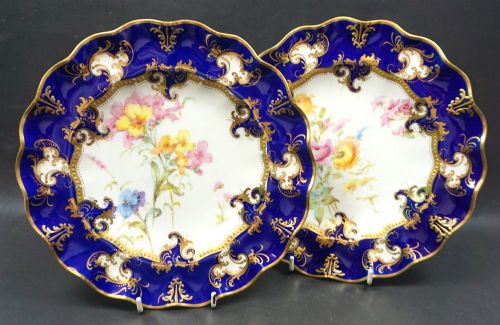
These antique painted floral plates bring hand-rendered botanical detail and historic porcelain craft straight to the table or cabinet.
Antique Painted Floral Plates
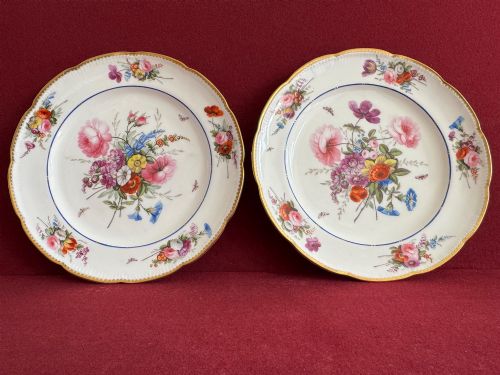
When you search for antique painted floral plates, you encounter pieces designed for formal dining, dessert services and cabinet display across the eighteenth and nineteenth centuries. The selection spans English factories such as Worcester, Derby and Spode, alongside continental porcelain and exported Asian wares.
You are most likely to meet individual dessert plates, serving dishes and large chargers featuring hand-applied botanical motifs. These items range from Georgian porcelain bowls to Victorian ironstone plates decorated with polychrome flowers.
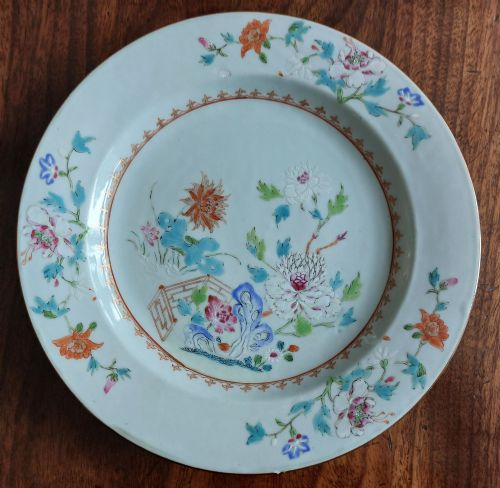
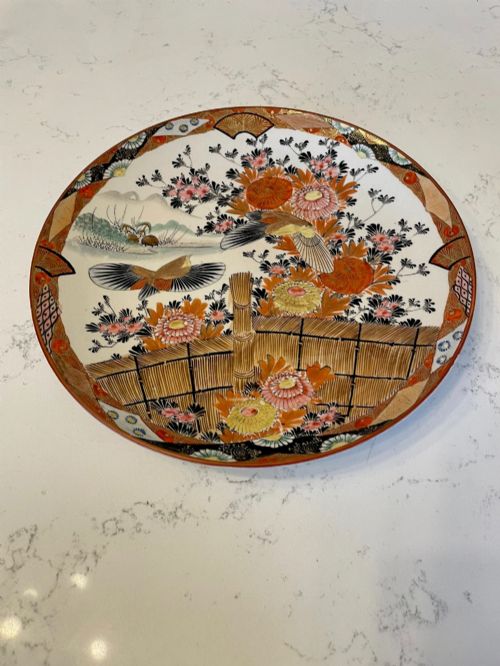
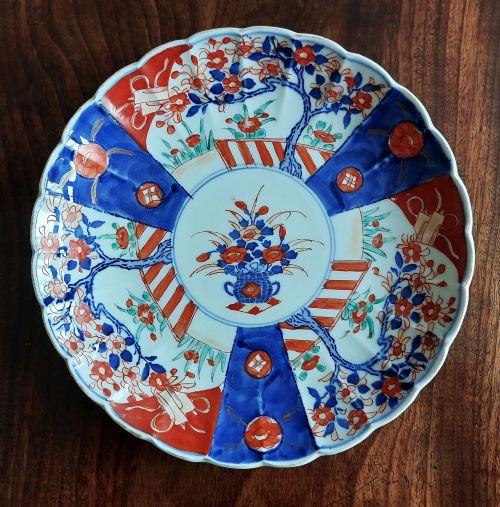
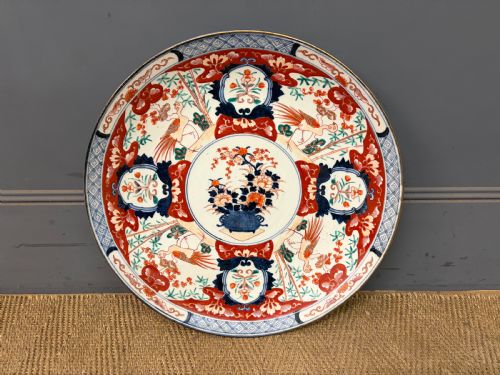
The category extends to Japanese Imari plates and Chinese export pieces which incorporate floral patterns alongside traditional birds and landscapes. Pieces often arrive as matched sets, pairs or individual cabinet dishes preserved from larger dinner services.
How they were made
Makers relied on hard-paste porcelain, bone china, soft-paste porcelain and ironstone bodies, shaped by hand or moulded before kiln firing. Artisans then applied underglaze pigments and overglaze enamel colours, often incorporating gold leaf and gilding to accentuate borders.
Painters used fine brushes to render botanical subjects directly onto the glazed ceramic surface before a final low-temperature firing fixed the polychrome pigments. Cobalt blue underglaze decoration appeared frequently on Delftware chargers and Japanese Imari porcelain.
Listings feature porcelain, bone china, ironstone and Delftware materials across Georgian, Victorian and Regency periods.
What varies in quality
The standard of an antique painted floral plate rests on the precision of the brushwork and the complexity of the hand-rendered botanical detail. Skilled painters achieved naturalistic depth in floral subjects, whilst standard production pieces relied on repetitive or simplified patterns.
The refinement of the porcelain paste, the evenness of the glaze and the preservation of the gold leaf or gilding distinguish finer cabinet plates from utilitarian wares. Pieces bearing named factory marks or attributed artist signatures generally indicate higher workshop execution.
H and R Daniel·Grainger Lee and Company·Spode·Meissen Porcelain·Chamberlains Worcester·Hicks and Meigh·Royal Doulton·John Davenport·Coalport·New Hall·Copeland·John Ridgway·Walker and Hall
The Antique Painted Floral Plates Glossary
- Bone china
- A type of soft-paste porcelain incorporating animal bone ash, developed in England to create a durable, highly translucent white ceramic body.
- Charger
- A large decorative plate or round dish, typically measuring over twelve inches, used historically for serving food or displayed upright on a sideboard.
- Cabinet plate
- A decorative ceramic plate intended primarily for display in a cabinet or on a wall rather than for everyday dining use.
- Polychrome
- Decoration employing multiple distinct colours, commonly seen in hand-painted floral enamels on eighteenth and nineteenth century ceramics.
- Imari
- A style of Japanese export porcelain featuring a distinctive palette of underglaze blue, iron red and gold overglaze, often incorporating floral motifs.
Antique Painted Floral Plates: Frequently Asked Questions
Were antique painted floral plates used for dining?
Many of these pieces formed part of larger dessert services intended for the final course of formal meals. Wealthy households utilised specialised plates for serving fruit, sweetmeats and pastries.
Over time, finer examples transitioned into cabinet pieces displayed on walls or within glass-fronted furniture to protect the delicate enamel and gold leaf decoration.
How do I identify the maker of a plate?
Manufacturers frequently applied painted, printed or impressed marks to the underside of the ceramic body. These symbols, numbers and factory names help date the piece and pinpoint the workshop origin.
Some items lack factory marks but feature handwritten pattern numbers or artist attributions which connect the dish to a specific period of production.
What is the difference between porcelain and ironstone?
Porcelain is a vitrified, highly refined ceramic material known for its translucency and delicate structure. It includes soft-paste and hard-paste variations common in European cabinet pieces.
Ironstone is a heavier, highly durable earthenware developed in the nineteenth century to withstand robust everyday use while accommodating colourful enamel decoration.
How should I care for antique ceramic plates?
These pieces require gentle handling and should be washed by hand in lukewarm water using mild detergent when cleaning is necessary. Dishwashers and harsh abrasives will damage the historic glaze and wear away hand-painted gilding.
When displaying items on walls or in cabinets, utilise specialised plate hangers padded with non-scratch materials to protect the edges from chipping.