


Antique Padded Couch
An antique padded couch brings deep upholstery and classic timber frames together, offering substantial comfort and historical presence for a traditional room.
Antique Padded Couch
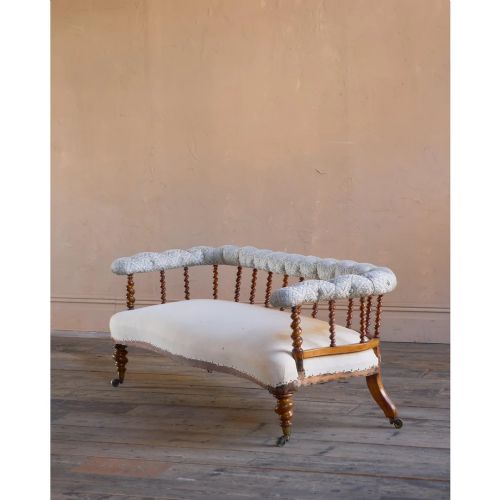
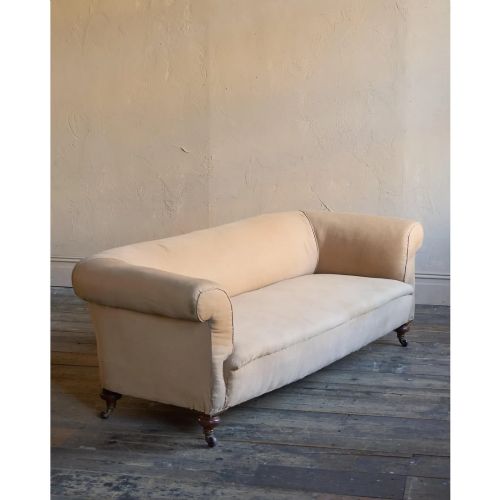
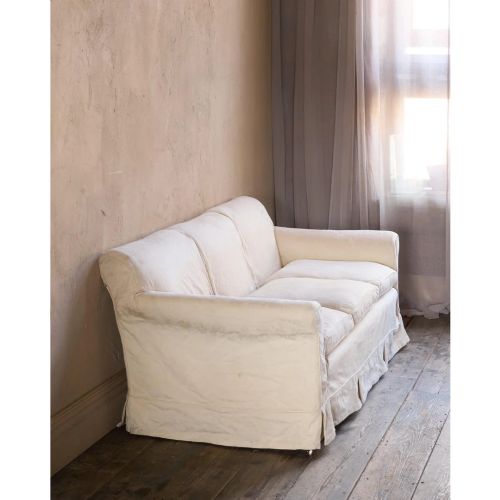
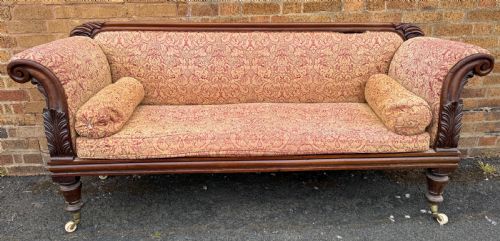
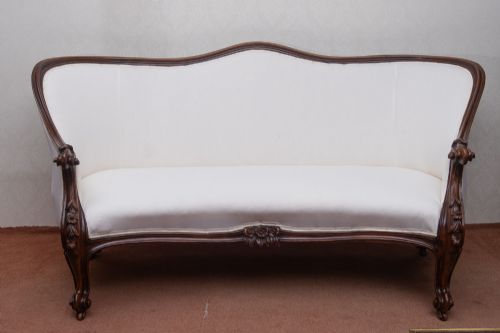
An antique padded couch encompasses various forms of upholstered seating, including scroll-end settees, day beds, and spacious three-seater sofas. These pieces emerge predominantly from the nineteenth century, alongside Edwardian and 1930s examples.
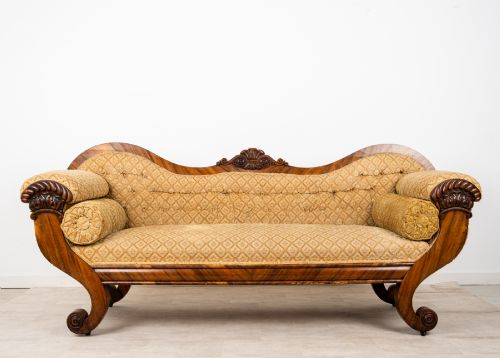
Makers shaped these items across distinct stylistic movements, ranging from Regency and William IV to Victorian and French Rococo Revival. Buyers frequently encounter robust mahogany frames, alongside rosewood and walnut constructions.
The aesthetic bridges formal parlour seating and relaxed country house comfort. Different eras introduced specific silhouette shifts, from heavily carved scroll ends to inlaid woodwork and spindle backs.
Judging quality in upholstered seating
Superior examples distinguish themselves through the crispness of the timber carving and the architectural balance of the frame. Heavy, richly grained woods like rosewood and figured mahogany denote higher tier production.
C. Hindley & Sons
The Antique Padded Couch Glossary
- Scroll end
- A sweeping, outward-curving wooden or upholstered terminal at the arm of a sofa. This feature defines many Regency and Victorian seating designs.
- Day bed
- An elongated couch designed for reclining during the day rather than sleeping through the night. These often feature low backs and supported ends.
- Calico
- A plain-woven cotton fabric frequently utilised as the underlying upholstery layer on antique seating before top fabric application.
- Inlay
- A decorative technique where contrasting woods or materials are inserted into recessed portions of the primary timber surface.
Antique Padded Couch: Frequently Asked Questions
How do I date an antique sofa?
Dating relies on examining the timber species, structural joinery methods, and the prevailing style of the carved woodwork. Specific design traits like scroll arms or inlay work often align with documented periods.
Secondary indicators include the presence of original turned wooden legs and fitted castors. Comparing the overall silhouette to documented nineteenth-century forms provides further clarity.
Were these couches used daily?
Original nineteenth-century settees served as principal seating in formal drawing rooms, parlours, and country house reception spaces. They were built for household entertaining and formal gatherings.
Over time, many transitioned into private family rooms for relaxed lounging. Their deep upholstery accommodated prolonged sitting during reading or social calls.
How do I care for wooden frames?
Protect antique timber frames by keeping them away from direct sunlight and sudden temperature shifts. Regular dusting with a soft, dry cloth preserves the polished wood finish.
Avoid applying harsh chemical polishes that can degrade historical surface treatments. Occasional careful waxing helps maintain the natural lustre of mahogany and walnut.
Can I replace the upholstery fabric?
Replacing worn upholstery fabric is a common practice that ensures the couch remains functional for modern domestic use. Traditional materials like calico can be renewed while retaining the internal padding structure.
Consulting a specialist restorer helps preserve the underlying nineteenth-century webbing and springs. Choosing period-appropriate textiles maintains the historical integrity of the piece.