
Antique Oval Glass Mirror
An antique oval glass mirror brings a soft, curved line to a room, reflecting light through centuries of carved giltwood and polished mahogany.
Antique Oval Glass Mirror
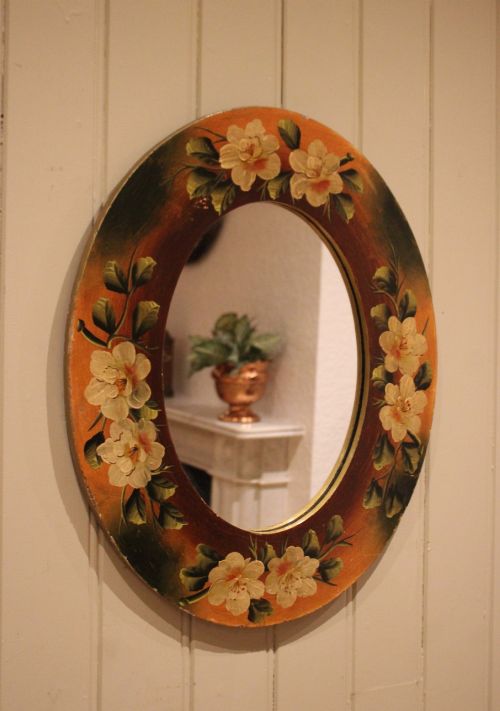
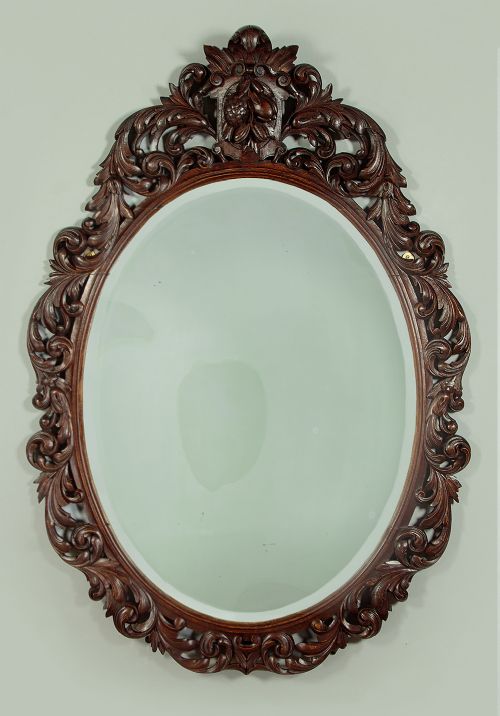
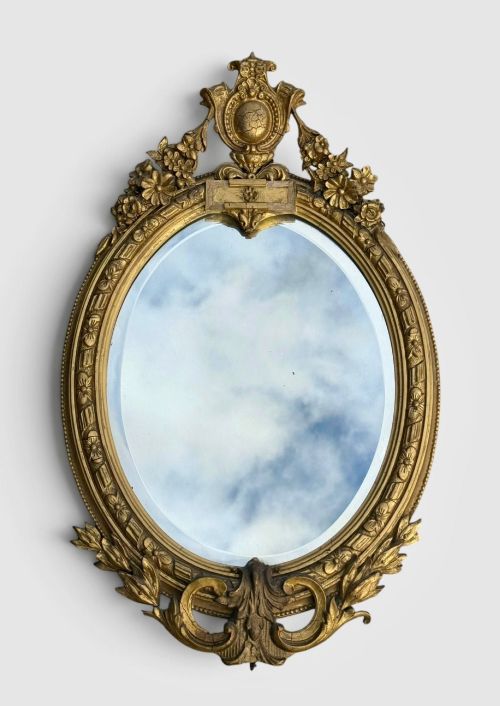
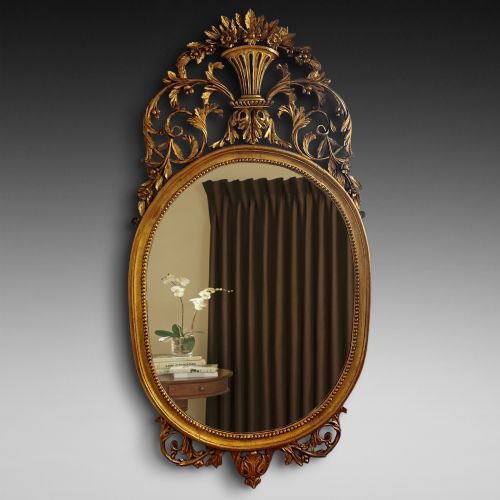
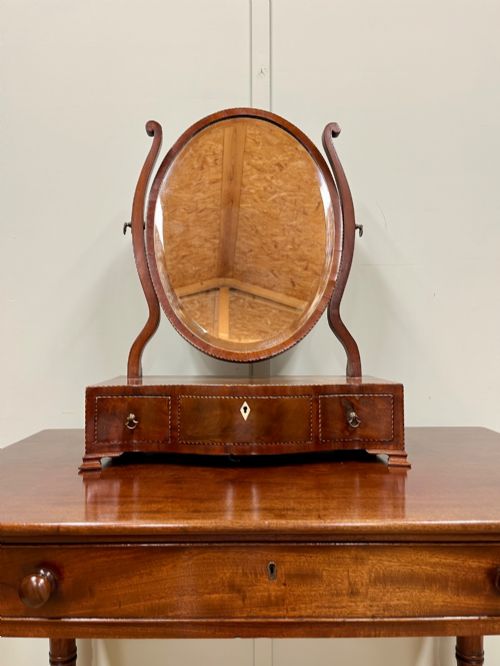
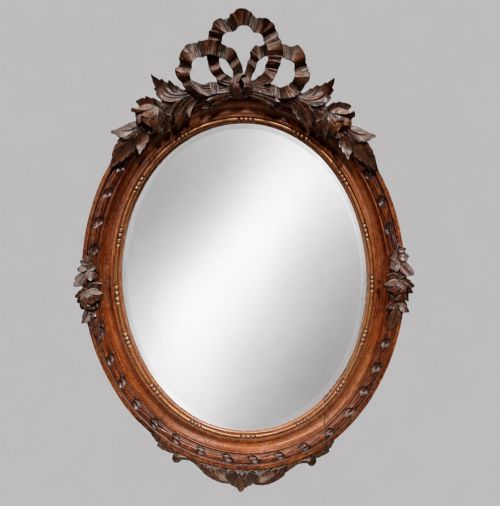
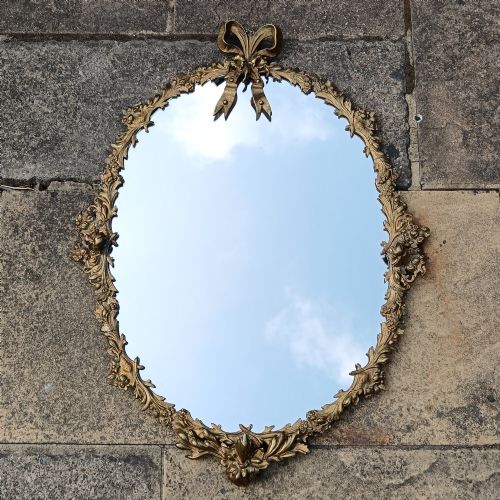
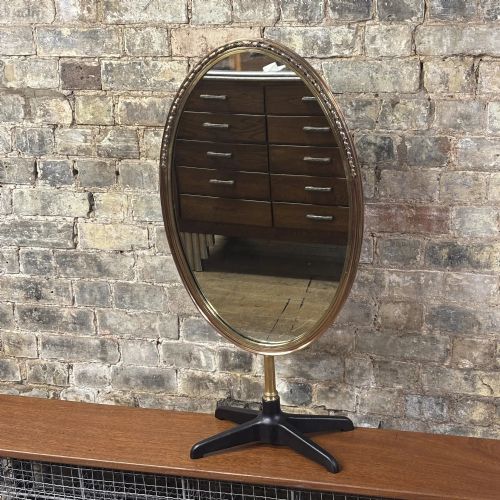
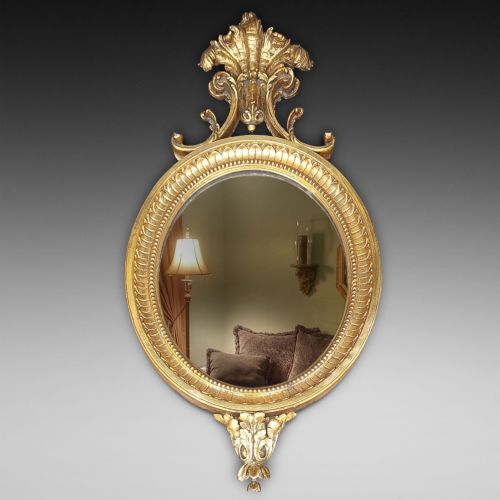
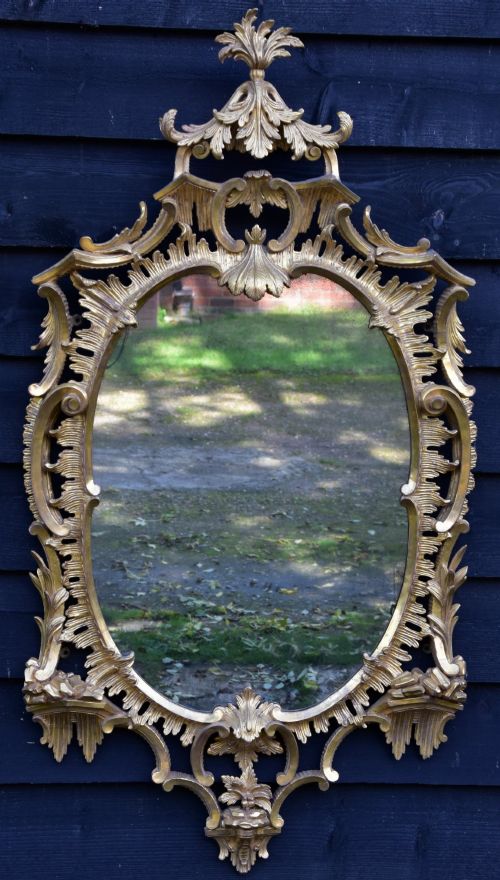
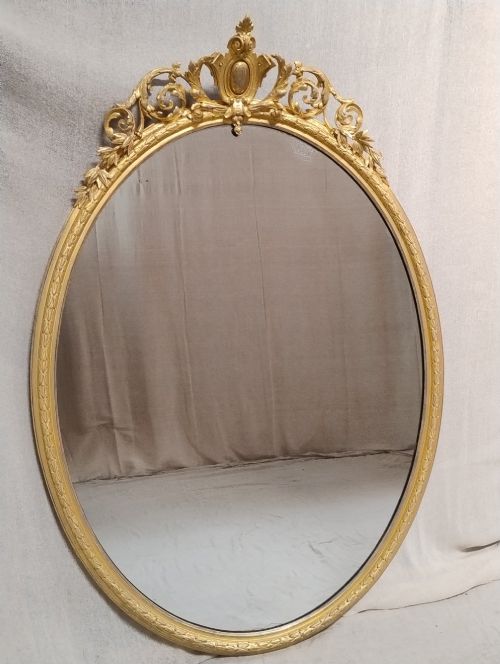
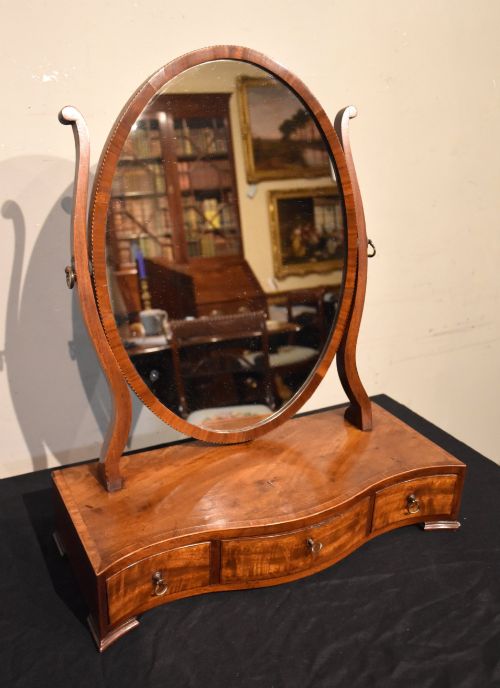
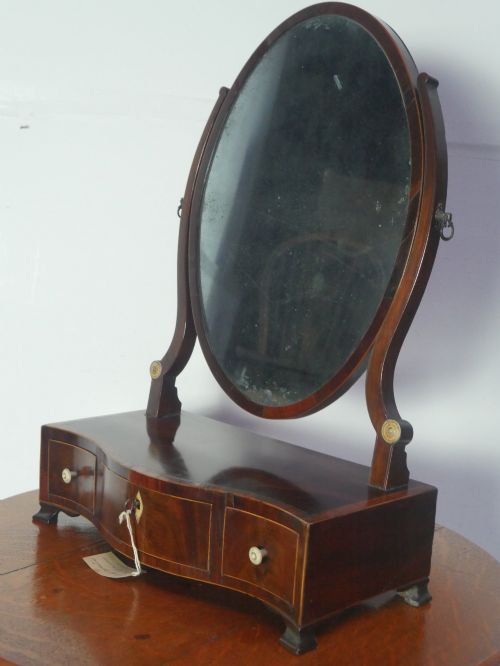
An antique oval glass mirror appears in various forms throughout these listings, ranging from large wall-hanging pier mirrors to compact dressing table swings. Buyers searching for an antique oval glass mirror will encounter pieces spanning the Georgian, Victorian, and Edwardian eras, executed in styles from Rococo Revival to Neoclassical.
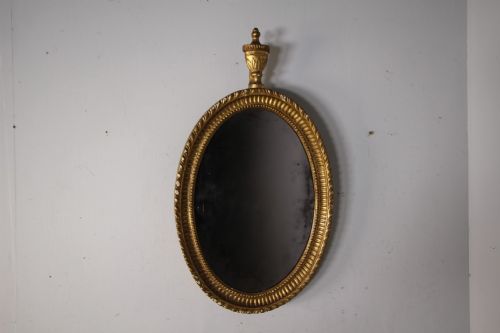
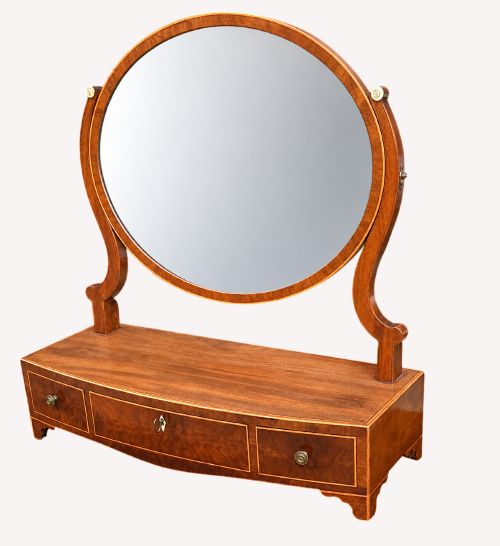
The wall-mounted versions often display elaborate giltwood and gesso frames adorned with carved urns and swags. Meanwhile, dressing table variants typically utilise mahogany, sometimes featuring serpentine drawers or crossbanded details designed to sit upon bedroom chests.
Origin points vary across the inventory, with English and French pieces dominating the selection alongside occasional Chinese reverse-painted examples. These items serve both functional vanity purposes and decorative focal points in halls and reception rooms.
How They Were Made
The construction of these pieces relies heavily on timber framing, predominantly mahogany and oak, alongside softwood bases built to support ornate plasterwork. Artisans applied gesso over carved wooden foundations before gilding the surfaces with gold leaf or metal paint.
Glass production during the earlier periods often involved mercury plates, which create a distinctive, mottled depth in the reflection. Later nineteenth-century examples frequently incorporate bevelled glass plates held securely by original metal fittings and wooden backs.
Periods represented on the page span from the 18th Century through the Georgian, Victorian, and Edwardian eras up to the 1920s.
What Varies in Quality
The refinement of the hand-carved decoration dictates the distinction between standard production and exceptional work. Crisp detailing in giltwood gesso ornamentations, such as deeply undercut swags and intact original gilding, elevates a piece significantly.
The integrity of the reflective plate also defines the standard of an item. Original mercury plates or early bevelled glass retain their historical authenticity, whereas later replacements alter the character and integrity of the object.
The Antique Oval Glass Mirror Glossary
- Giltwood
- Wood that has been coated with a thin layer of gold leaf. This finish was widely applied to formal wall mirrors during the Georgian and Regency periods.
- Gesso
- A plaster-like mixture applied to wood frames and carved into intricate decorative motifs before gilding. It allows for sharp relief work on Victorian and earlier frames.
- Mercury Plate
- An older style of mirror glass backed with a tin-mercury amalgam. It produces a warm, characteristic speckled reflection found in eighteenth-century pieces.
- Serpentine Front
- A curved furniture front with a convex centre flanked by concave sides. This contour appears frequently on the base drawers of Georgian dressing table mirrors.
- Girandole
- A decorative wall mirror fitted with candle sconces attached to the frame. The polished glass and gilt surfaces helped multiply candlelight in dim rooms.
Antique Oval Glass Mirror: Frequently Asked Questions
How do I hang a heavy antique wall mirror?
Large wall-hanging pieces require secure fixings into structural wall studs or masonry rather than standard plasterboard plugs. The weight of the timber and gesso frame demands robust hardware.
Professional mirror hangers should assess the original backing and hanging loops to ensure the structure can safely bear the vertical load.
What is the difference between a pier mirror and a dressing mirror?
Pier mirrors are designed to hang on the wall, often specifically in the narrow space between windows. Their primary function is to reflect interior light and anchor formal room layouts.
Dressing mirrors include a base or pivot stands intended to sit upon a chest of drawers or vanity table. They allow the user to adjust the tilt of the glass for personal grooming.
How should I clean an antique mirror glass?
Cleaning requires a soft microfiber cloth and a mild, ammonia-free glass cleaner applied to the cloth rather than directly onto the surface. This prevents moisture from seeping behind the old silvering or mercury backing.
Harsh commercial cleaners can permanently damage vulnerable historical plates and degrade the surrounding gilt or wooden frames.
Are original mirror plates common?
Many surviving pieces retain their original glass, which often exhibits gentle foxing, light scratches, or dark spots gathered over generations of use. These optical imperfections confirm the age and authenticity of the object.
Replaced plates appear cleaner and sharper, which changes the visual character of an antique frame significantly.