


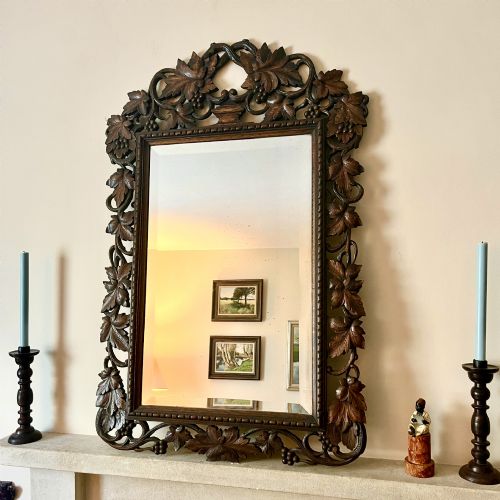
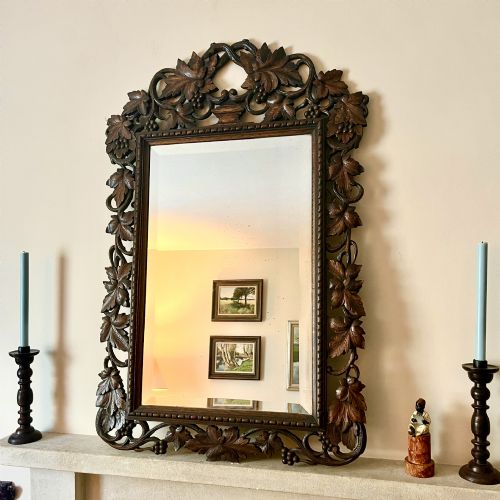

Carved Oak Framed Mirror
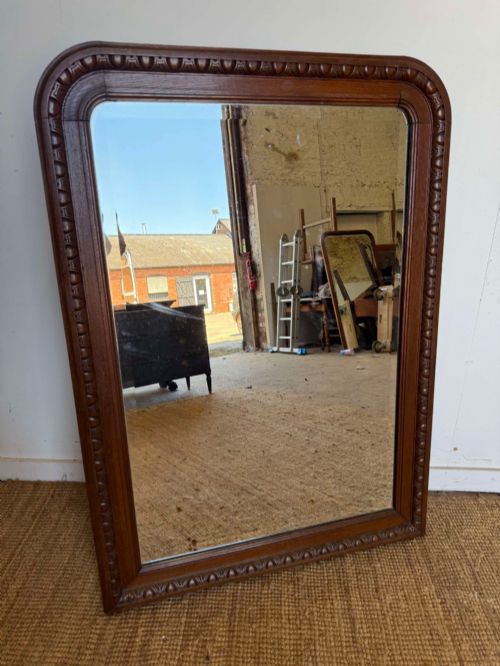
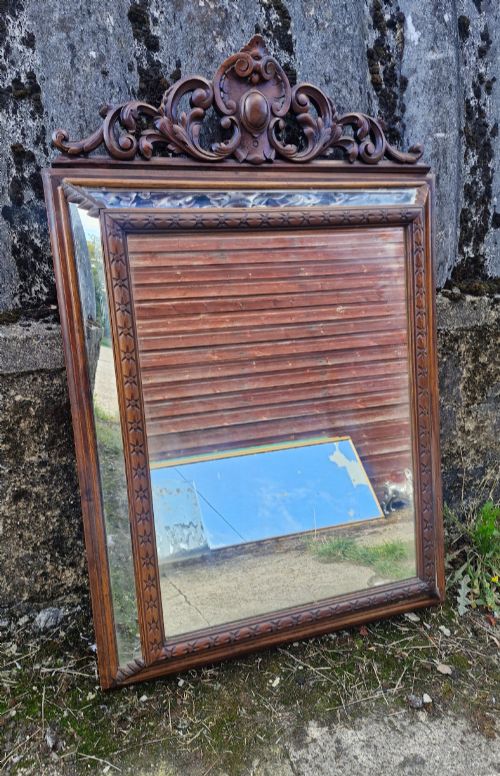
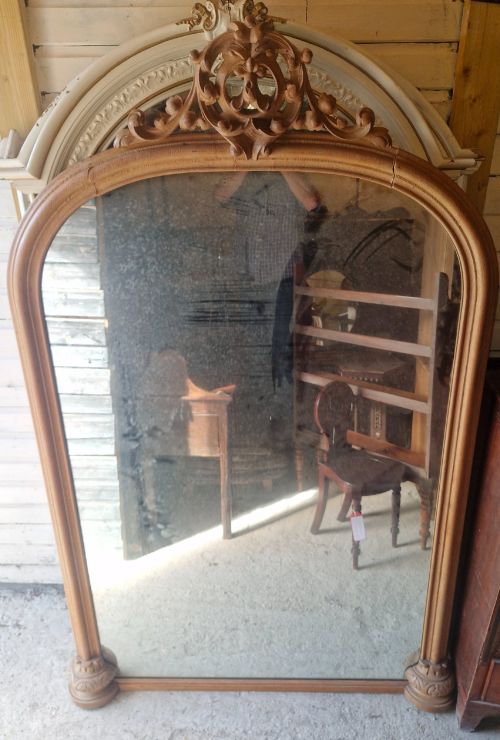
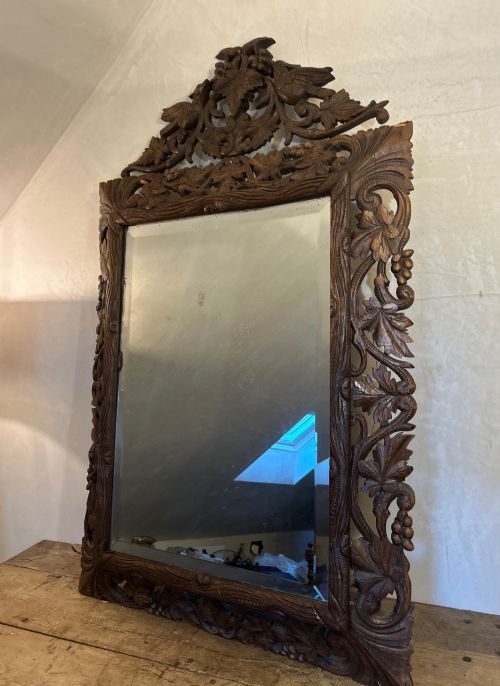
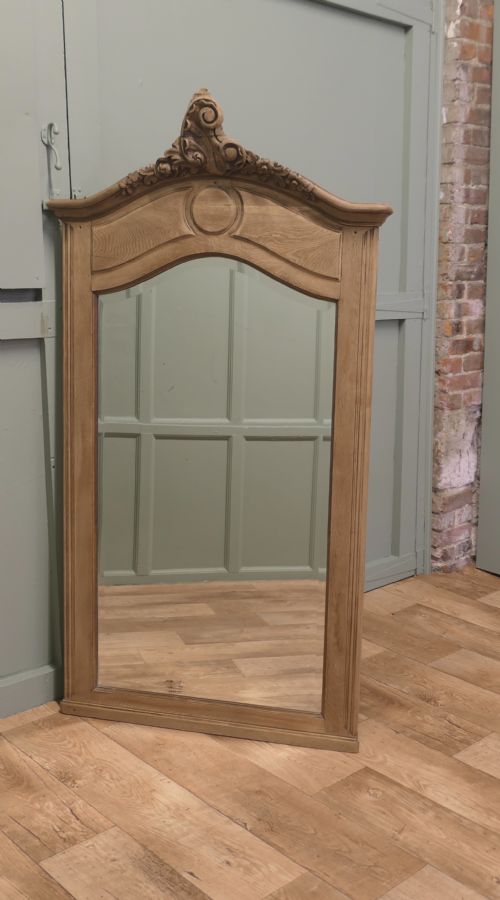
A carved oak framed mirror brings solid timber grain and deep relief carving into a room, offering both function and architectural weight.
Carved Oak Framed Mirror
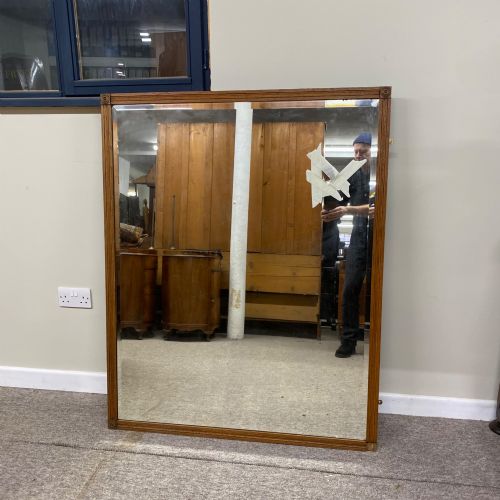
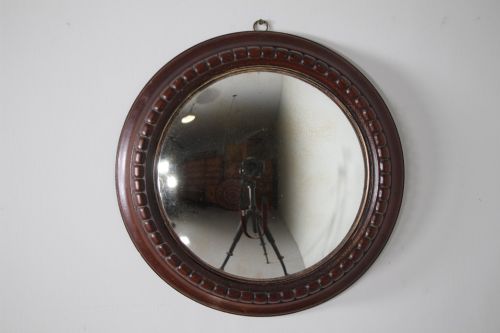
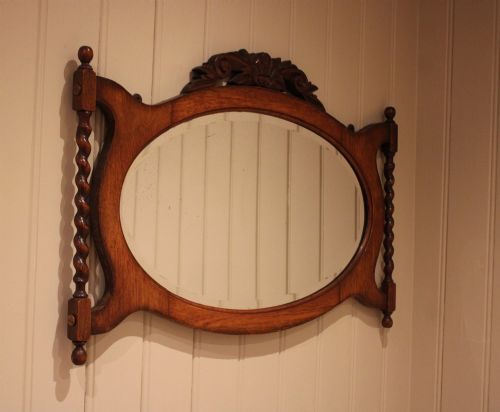
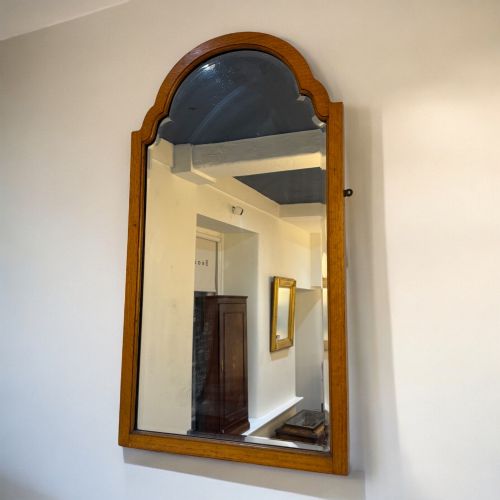
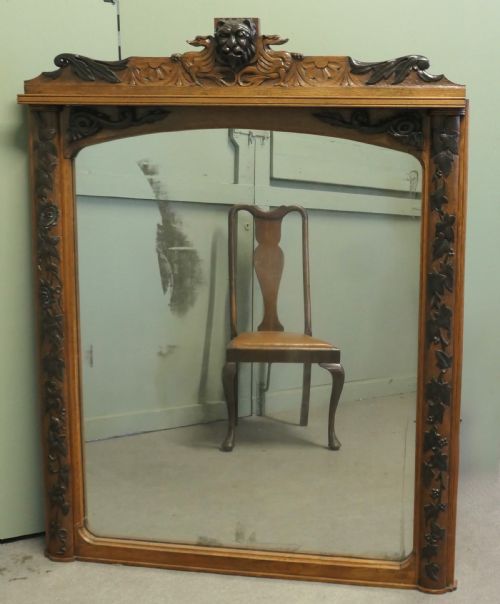
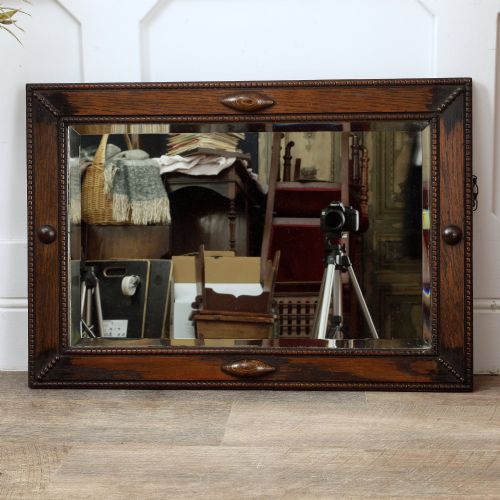
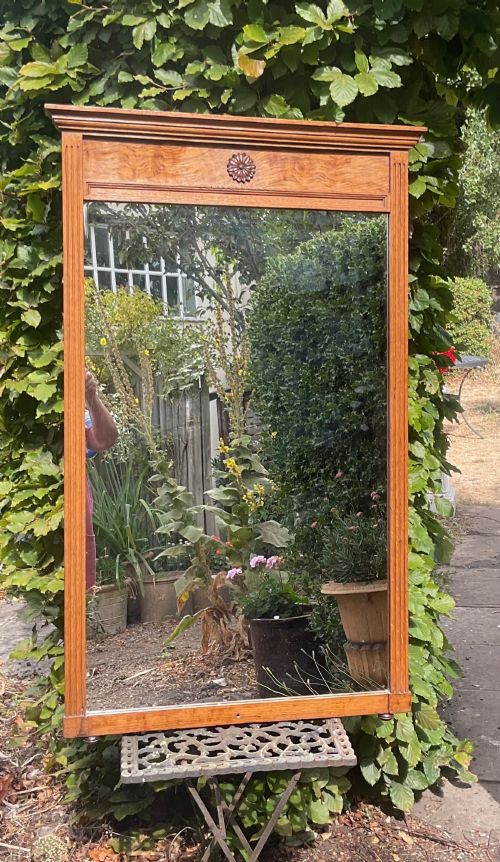
A carved oak framed mirror is a heavy wooden looking-glass designed for walls, mantels, or dressing tables, frequently encountered from the Victorian period through to the early twentieth century. These pieces appear in forms ranging from simple rectangular wall hangings to grand overmantels and large floor-standing leaner mirrors.
The selection on this page draws heavily on nineteenth-century craftsmanship, alongside Edwardian and later pieces from nineteen-twenty. Styles span from strict Gothic Revival and French Renaissance Revival to Arts and Crafts designs and simpler vernacular formats.
Origin varies between English workshops and continental makers, particularly French pieces exhibiting Rococo Revival or scrubbed cushion frames. Buyers encounter everything from compact hall mirrors with accessory hooks to imposing hunting lodge overmantels.
Materials and construction methods
Makers utilised solid oak, sometimes bleached, scrubbed, or polished, providing a sturdy chassis capable of supporting deep relief carving. Frames frequently incorporate mirror glass set alongside secondary materials such as brass, gesso, and gold leaf, particularly in French revival and Gothic pieces.
Joinery methods rely on heavy timber framing, mitred corners, and secure backing boards to support substantial glass plates. Carving is executed directly into the solid wood grain, creating three-dimensional floral, geometric, or figural motifs.
Carved Oak Framed Mirror Retail Price Guide 2026
Typical asking prices for carved oak framed mirror among the pieces listed under this phrase on Sellingantiques today, from the lower quarter to the upper quarter. They describe what is for sale here now, not the wider market.
Several items carry stories of Bavarian hunting lodges and royal association.
Assessing craftsmanship and execution
Quality rests in the depth and crispness of the carving, where hand-chiselled relief work shows sharp undercut details rather than soft, moulded resin substitutes. The selection of the timber grain, choice of quartersawn oak, and the integrity of the frame construction dictate the stature of the piece.
The nature of the glass plate also separates standard domestic items from superior examples. Thick mirror glass with bevelled edges and minimal distortion reflects the higher cost and ambition of the original commission.
The Carved Oak Framed Mirror Glossary
- Overmantel mirror
- A large looking-glass designed to hang directly above a fireplace mantelpiece. These pieces often feature wide oak frames sized to match the proportions of a chimney breast.
- Gesso
- A plaster-like material applied to wooden frames as a smooth base for gilding or painting. It is frequently found on mirrors combining oak with gold leaf elements.
- Cheval mirror
- A freestanding full-length dressing glass hung within a moveable frame. This allows the mirror plate to tilt on axis pins.
- Cushion frame
- A convex profile framing member that swells outward toward the outer edge. This style creates a pronounced volumetric border around the glass plate.
- Gothic Revival
- An architectural and decorative style drawing on medieval forms. Pieces in this category utilise pointed arches, tracery, and heavy oak mouldings.
Carved Oak Framed Mirror: Frequently Asked Questions
How do I hang a heavy oak mirror?
Heavy oak frames require robust wall fixings screwed directly into studwork or masonry using appropriate heavy-duty brackets. Hanging wire alone is generally insufficient for large nineteenth-century timber frames.
Professional mirror hangers often utilise a French cleat system to distribute the substantial weight evenly across the wall surface.
Where should I place an overmantel mirror?
An overmantel mirror sits naturally above a fireplace, anchoring the vertical space of the chimney breast. It reflects light back into the room and balances the visual mass of the hearth below.
These pieces also function effectively on large blank walls in reception rooms when mounted at appropriate eye level.
How do I clean antique oak frames?
Dust the carved oak surfaces regularly with a dry, soft-bristled brush to lift debris from the recesses of the relief work. Avoid modern silicone sprays or harsh chemical polishes that build up within the grain.
An occasional application of high-grade beeswax feeds the dry timber and preserves the natural lustre of the polished or scrubbed oak.
How can I date an oak mirror?
Dating relies on examining the style of the carving, the assembly methods at the reverse, and the characteristics of the mirror plate. Victorian and Gothic Revival pieces show deeper hand-carved relief, while later twentieth-century examples often feature simpler profiles.
Original backboards, hand-cut screws, and foxed silvering on the glass plate provide further physical evidence of age.