


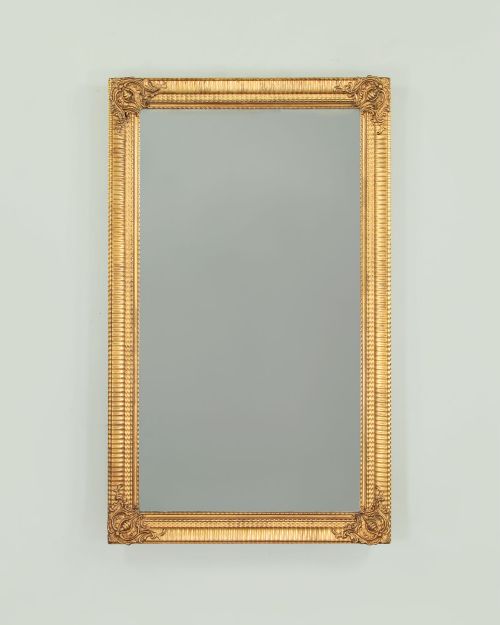
French Carved Wall Mirror
When choosing a french carved wall mirror, you are selecting a decorative architectural piece designed to reflect light and expand domestic interiors.
French Carved Wall Mirror
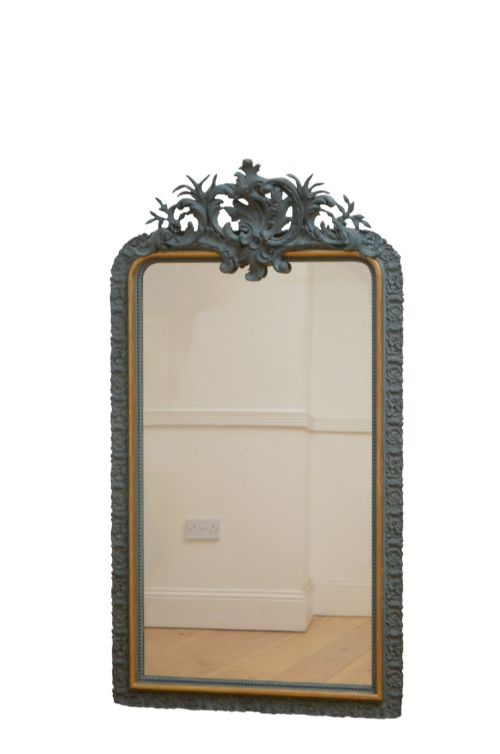
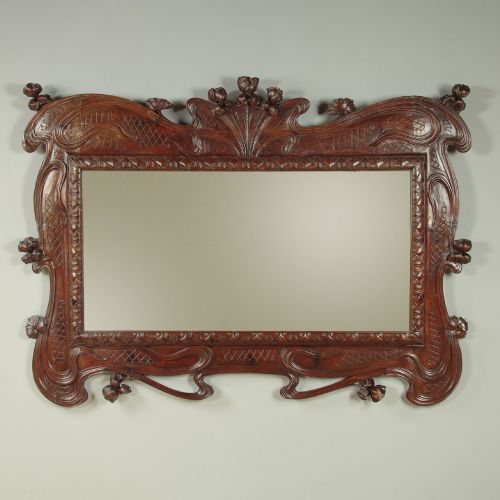
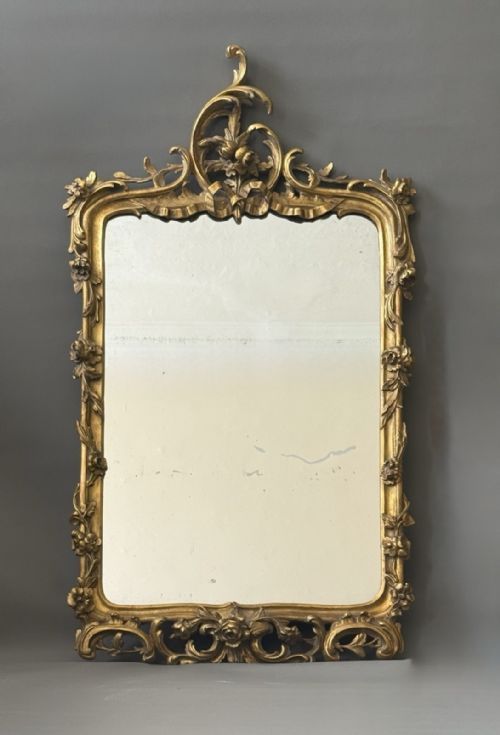
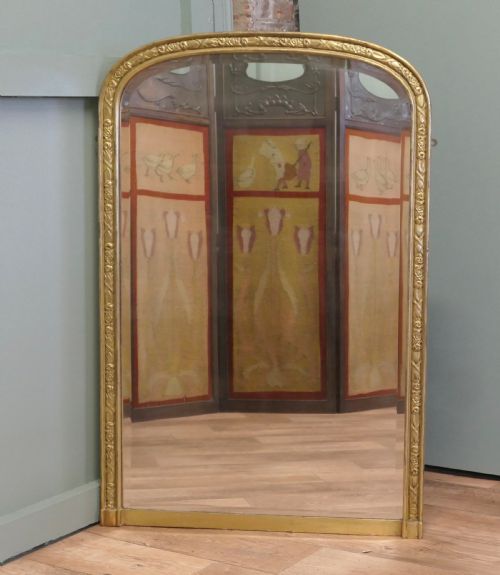
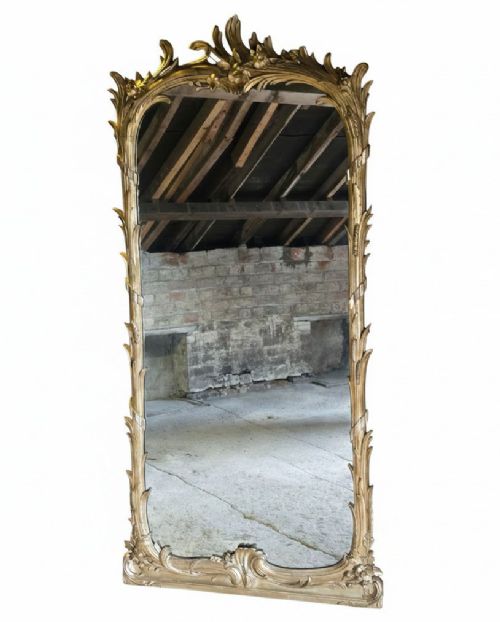
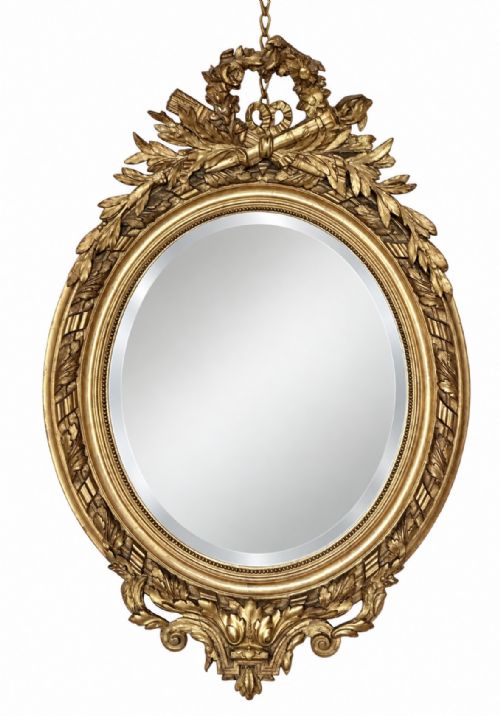
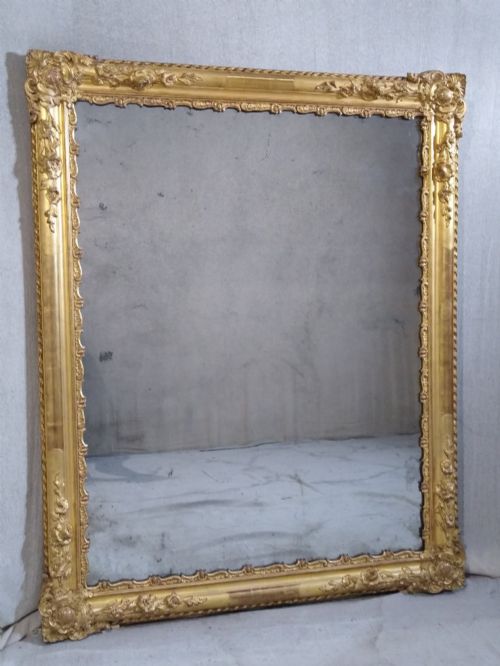
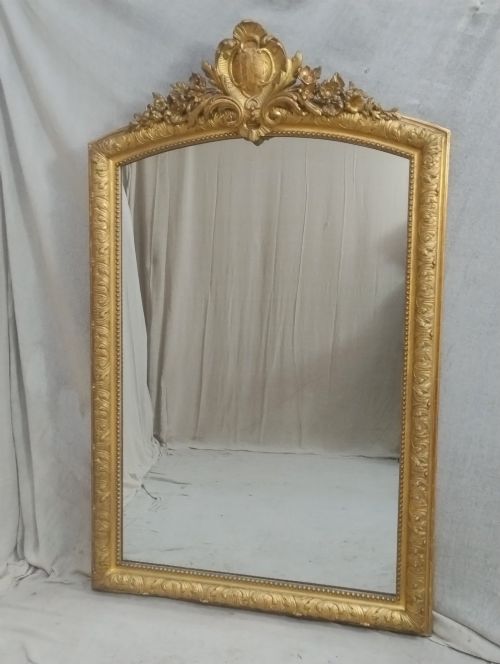
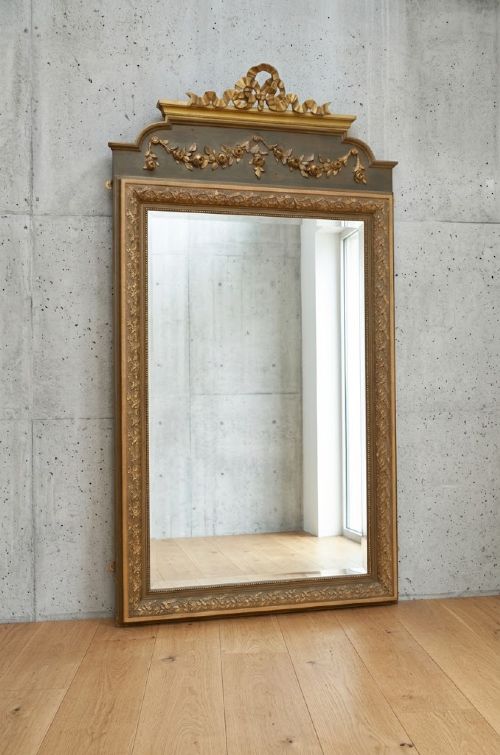
A french carved wall mirror encompasses tall pier glasses, expansive overmantels, and ornate wall-hanging frames originating across the eighteenth, nineteenth, and early twentieth centuries.
Buyers commonly encounter nineteenth-century examples displaying revival aesthetics such as French Rococo, Louis Philippe, and Napoleon III designs.
These pieces utilise traditional timber frames, predominantly oak, walnut, and beech, alongside giltwood and gesso formations designed for prominent placement above mantelpieces or console tables.
Assessing Quality
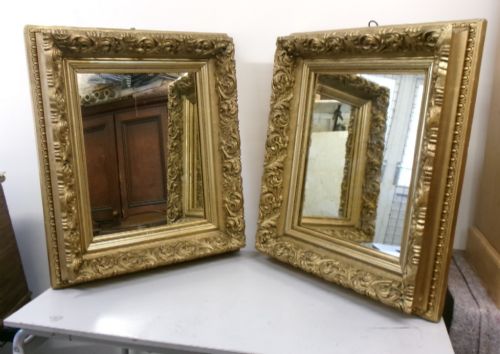
Quality rests in the depth and crispness of the hand-carved ornamentation, where skilled undercutting and sharply defined floral or mythological motifs distinguish superior frames from mass-produced substitutes.
The integrity of the original mercury glass plate or heavy bevelled mirror glass, alongside the stability of the timber frame joints, determines the preservation status of the piece.
Listings feature eighteenth-century pieces alongside nineteenth-century Victorian, Napoleon III, and Edwardian examples utilising oak, walnut, giltwood, and gesso.
The French Carved Wall Mirror Glossary
- Giltwood
- Timber coated with gold leaf over a prepared gesso ground. This finish provides the characteristic metallic sheen seen on formal period frames.
- Gesso
- A plaster-like mixture applied to wooden frames to create a smooth surface for gilding or to receive detailed moulded ornamentation.
- Overmantel Mirror
- A wide glass specifically proportioned to hang on the wall directly above a fireplace mantelpiece. These often incorporate horizontal proportions.
- Pier Glass
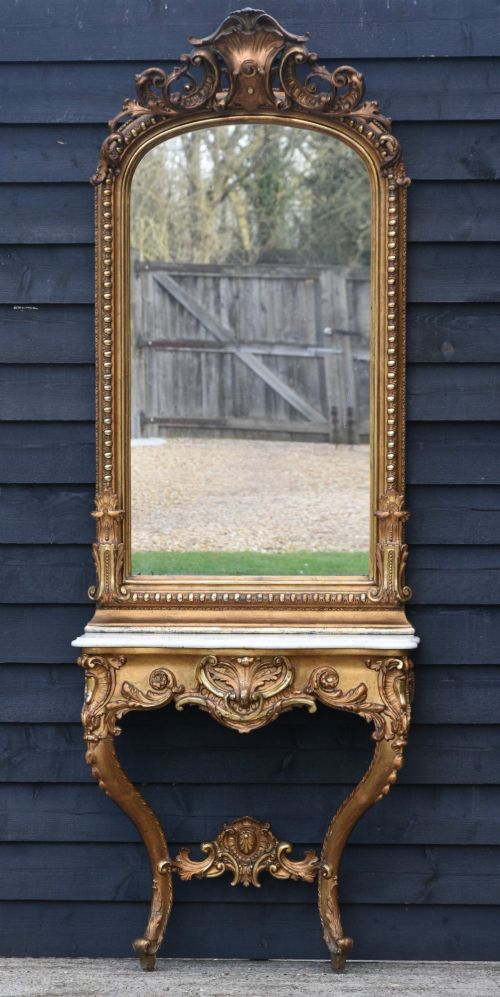
- A tall, narrow mirror designed to hang on the section of wall between two windows, frequently paired with a matching console table.
- Mercury Glass
- An early type of mirror plate produced by applying a tin and mercury amalgam to the back of the glass. It produces a mottled, foxed appearance over time.
French Carved Wall Mirror: Frequently Asked Questions
Where should I hang a large overmantel mirror?
These mirrors are traditionally positioned directly above a fireplace mantelpiece to anchor the room and reflect natural light across the interior.
Ensure the wall fixings are secured firmly into structural studs or masonry to support the substantial weight of the timber and glass.
How do I identify a Louis Philippe mirror?
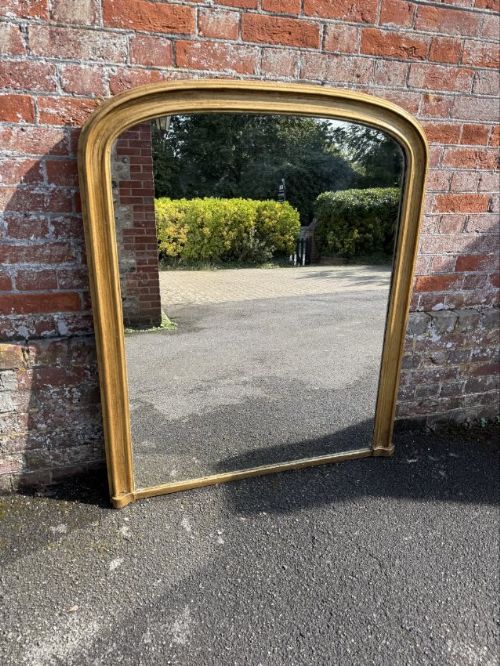
Louis Philippe frames are recognised by their restrained architectural lines, often featuring rounded upper corners and subtle classical moulding rather than excessive ornamentation.
They offer a simpler profile compared to heavily carved Rococo Revival pieces while maintaining substantial nineteenth-century proportions.
What is foxed mirror glass?
Foxed glass refers to the natural ageing process where the reflective backing degrades over time, creating dark spots and a characteristic speckled patina.
Many collectors value this characteristic as proof of age and authenticity on eighteenth and nineteenth-century mirror plates.
Are these mirrors heavy to mount?
Period frames utilising solid oak, walnut, or heavy gesso over wood carry significant weight and require robust professional wall fixings for safe installation.
It is essential to check the frame construction and weight distribution before attempting to hang large overmantel or leaner formats.