

Gilded Leaf Mirror
A gilded leaf mirror brings warm metallic reflection and carved botanical detailing to a room, drawing the eye with period craftsmanship.
Gilded Leaf Mirror
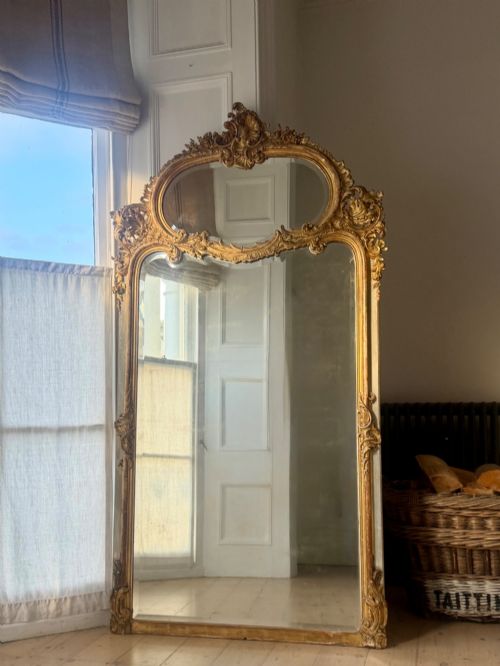
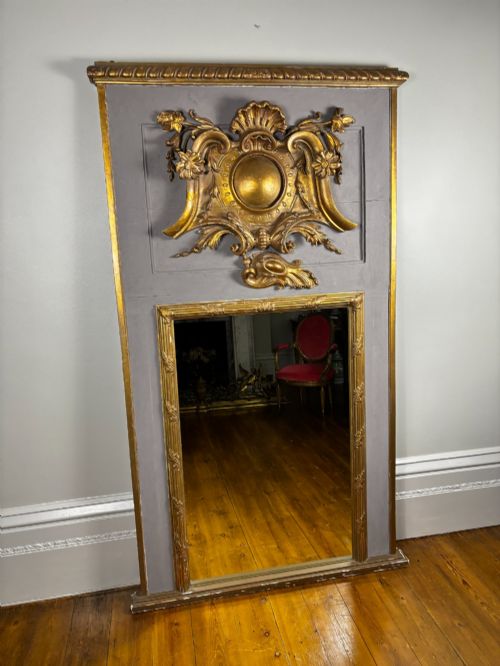
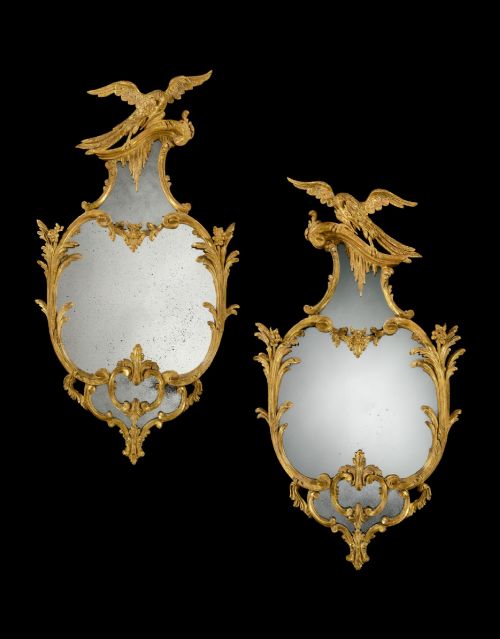
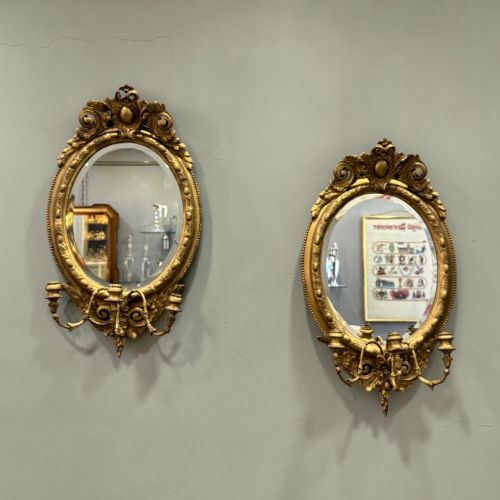
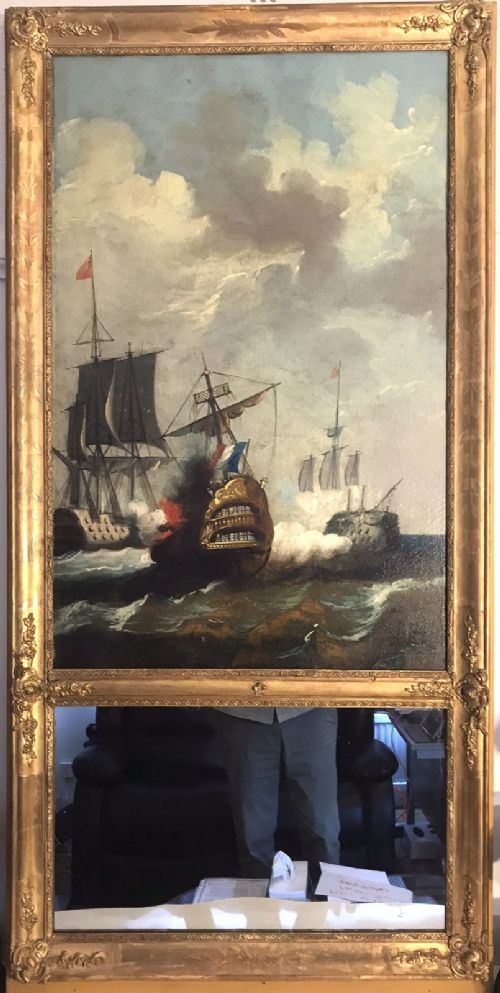
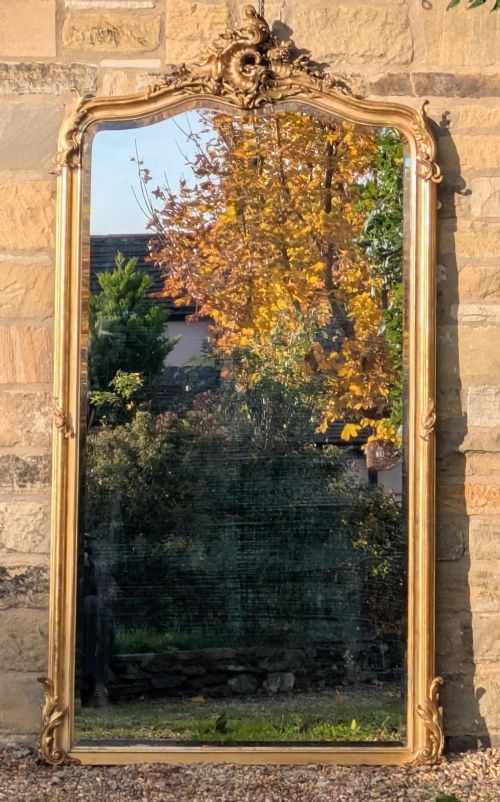
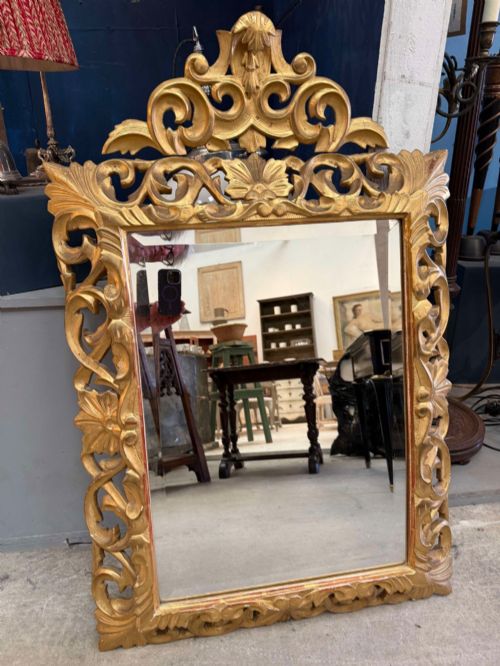
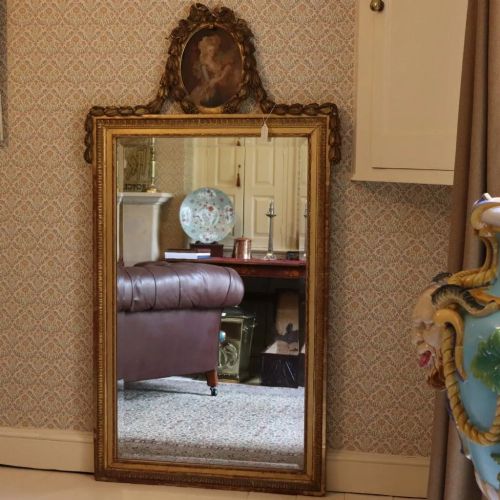
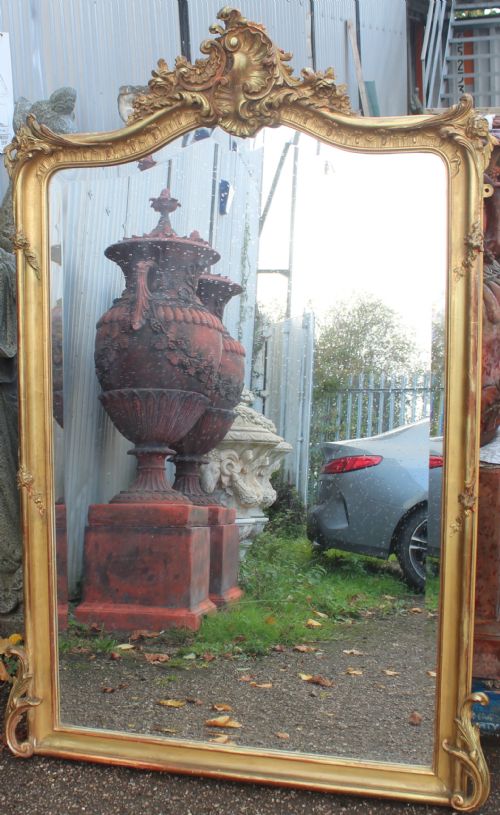
When you search for a gilded leaf mirror, you encounter wall mirrors, overmantel mirrors, and occasional console sets originating primarily from the nineteenth century. The selection leans heavily towards French provincial and classical designs, particularly Louis Philippe, Napoleon III, and Regency styles.
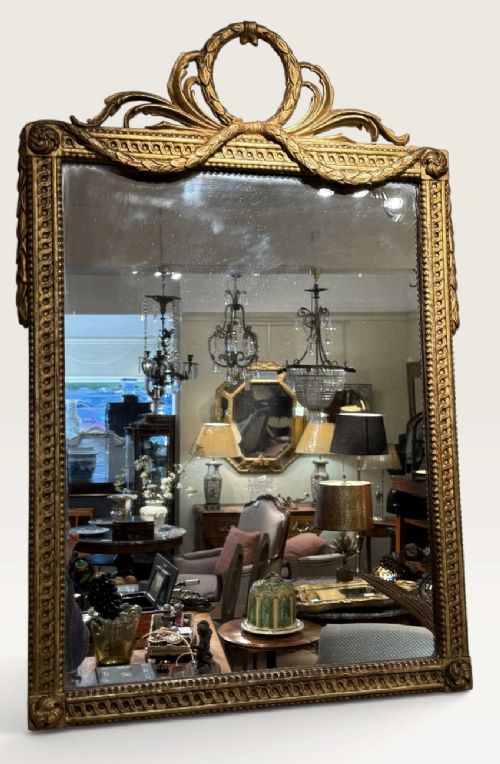
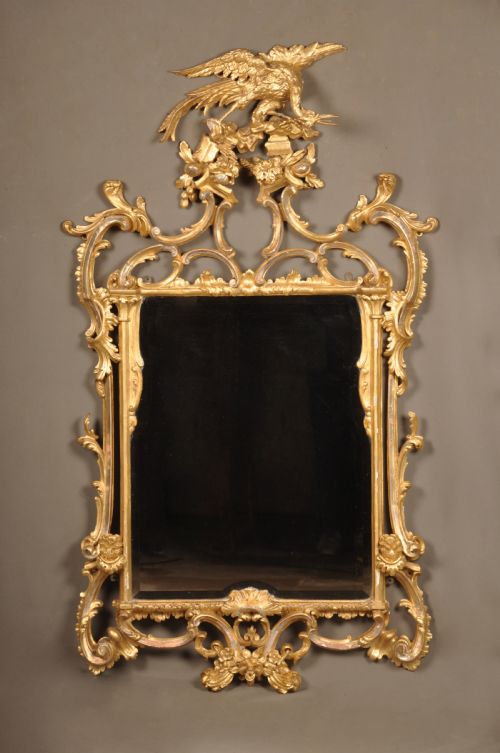
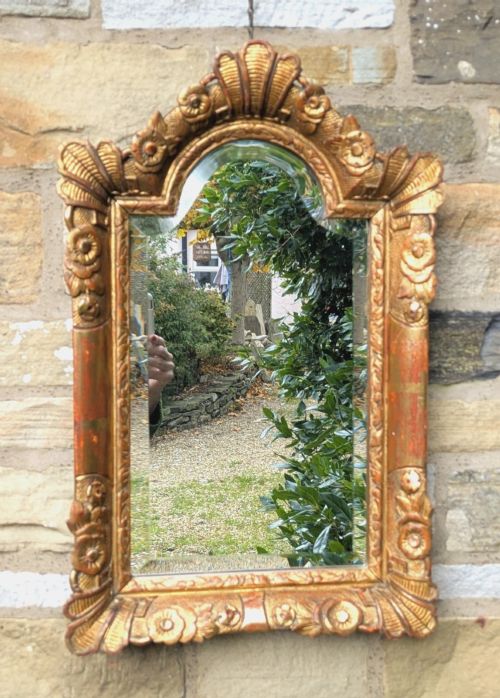
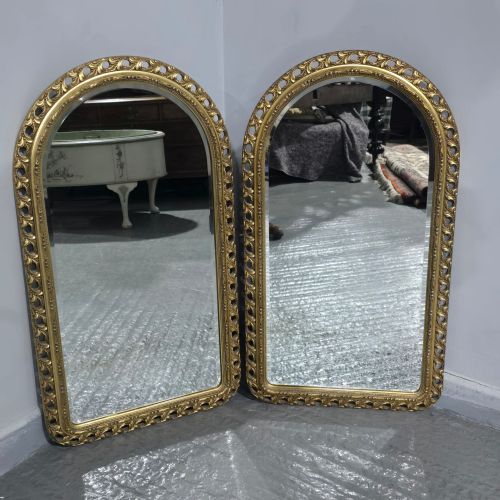
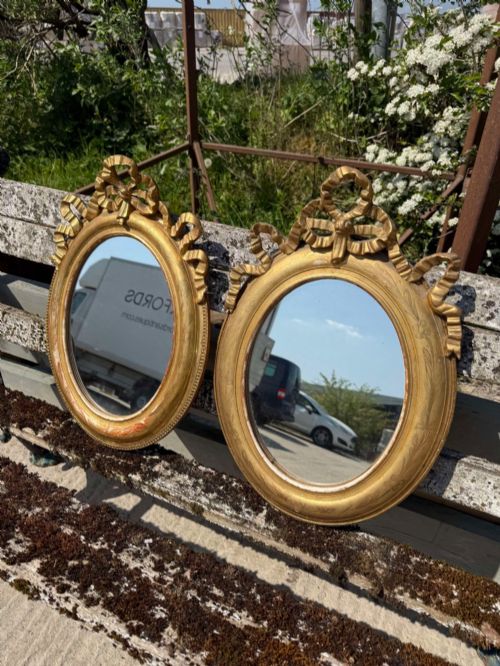
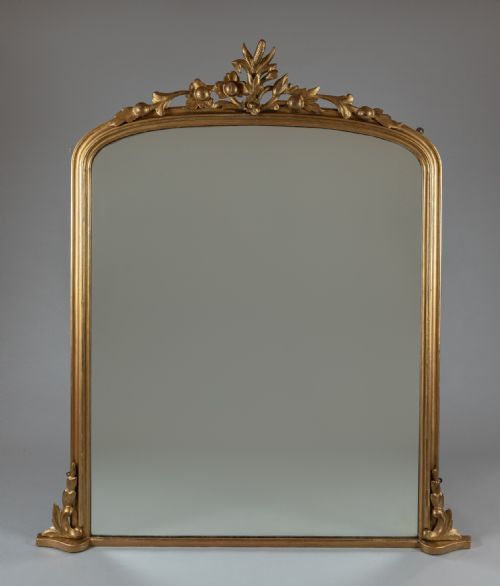
Most examples combine carved wooden frames with applied gesso, finished in gold or silver leaf. Wall-hanging formats and large leaner mirrors dominate the selection, often featuring distinctive foliate crests or berry motifs.
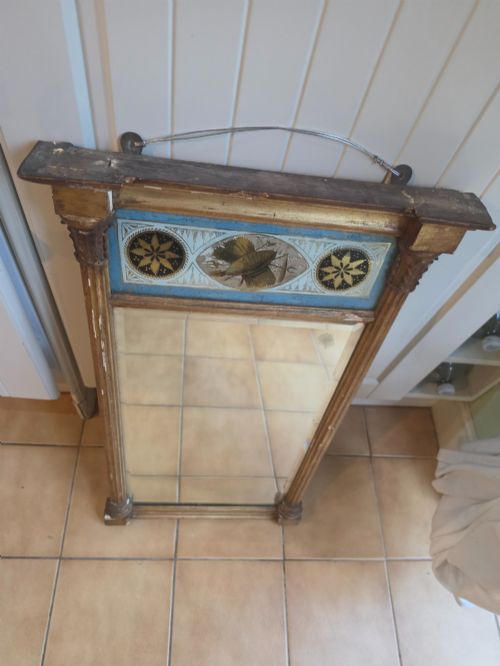
Georgian and eighteenth-century items appear alongside later Victorian and Edwardian interpretations. These range from modest rectangular wall pieces to monumental overmantels designed to sit above a fireplace.
How they were made
Carvers shaped wooden frames from softwoods or hardwoods before applying layers of gesso to build up decorative relief. Artisans then laid delicate sheets of gold or silver leaf over the prepared surfaces, burnishing the metal to achieve a luminous sheen.
Glass production relied heavily on mercury backing in earlier periods, which yields a characteristic dark, mottled reflection known as foxing. Later pieces utilised bevelled plate glass set securely into the rebated frame backs.
Gilded Leaf Mirror Retail Price Guide 2026
Typical asking prices for gilded leaf mirror among the pieces listed under this phrase on Sellingantiques today, from the lower quarter to the upper quarter. They describe what is for sale here now, not the wider market.
Listings feature eighteenth-century Georgian pieces alongside nineteenth-century French Louis Philippe and Napoleon III designs.
What varies in quality
The crispness of the hand-carved foliage distinguishes finer frames from simpler moulded versions. Crisp undercutting in the wooden or gesso leafwork shows the hand of a skilled artisan rather than a commercial press.
The integrity of the original gilding and the condition of the glass plate shape the overall character. Traces of bare gesso beneath worn gold leaf reveal age honestly, whilst surviving mercury glass plates add considerable historic depth.
Arsène Rochette of Versailles
The Gilded Leaf Mirror Glossary
- Giltwood
- Wood that has been coated with gold leaf or gold paint. This technique creates a rich, reflective surface that protects the timber underneath.
- Gesso
- A plaster mixture applied to wooden mirror frames to provide a smooth base for gilding. Artisans carve fine details directly into this hardened layer.
- Mercury glass
- A double-walled glass blown with a silvering mixture inserted between the layers. It produces a deep, atmospheric reflection often showing foxed spots.
- Louis Philippe
- A French nineteenth-century style characterised by simple rectangular frames with rounded upper corners. These mirrors frequently incorporate subtle foliate motifs.
- Overmantel mirror
- A large horizontal mirror designed specifically to hang above a fireplace mantelpiece. They often feature shaped tops and substantial carved crests.
Gilded Leaf Mirror: Frequently Asked Questions
How do I hang a heavy antique mirror safely?
Large gilded mirrors carry substantial weight due to their dense wooden frames and thick glass plates. Secure fixings must anchor directly into wall studs or masonry rather than relying on standard plasterboard plugs.
Professional mirror hangers often utilise heavy-duty steel brackets or French cleats distributed across the frame width. This spreads the load evenly and prevents the piece from tilting forward.
What causes foxing on old mirror glass?
Foxing occurs when atmospheric moisture penetrates behind the glass and reacts with the silvering compound over many decades. This chemical breakdown creates dark patches and cloudiness across the reflective surface.
Many collectors prize foxed mercury glass for the authentic historic character it brings to a room. It proves the glass predates modern industrial manufacturing methods.
How should I clean a gilded frame?
Dust accumulated on delicate gesso and gold leaf should be removed gently using a very soft, dry artist brush. Moisture and household chemical sprays will strip or discolour fragile historical finishes.
Avoid touching the exposed metallic leaf directly with bare fingers, as natural oils can damage the surface over time. Professional conservation advice is recommended for deeper cleaning.
How do I identify a Louis Philippe mirror?
Louis Philippe mirrors are defined by their rectangular frames with distinctive rounded upper corners. They usually present clean lines with minimal ornamentation, though some examples feature subtle leaf crests.
Originating in nineteenth-century France, these pieces suit both traditional and contemporary interiors. Their restrained geometry contrasts nicely with more elaborate Rococo revival designs.