

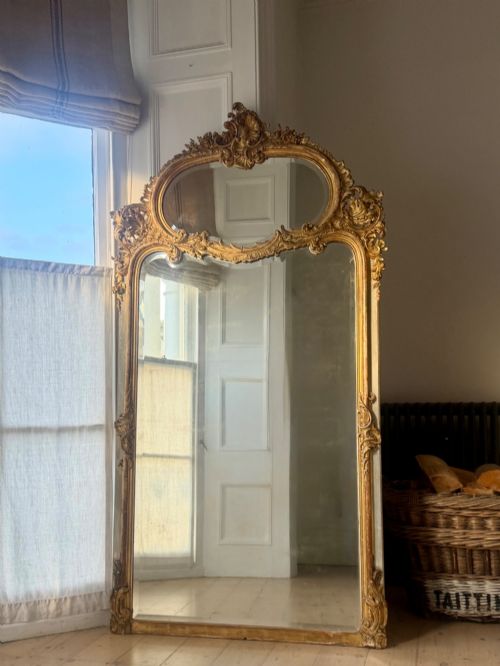
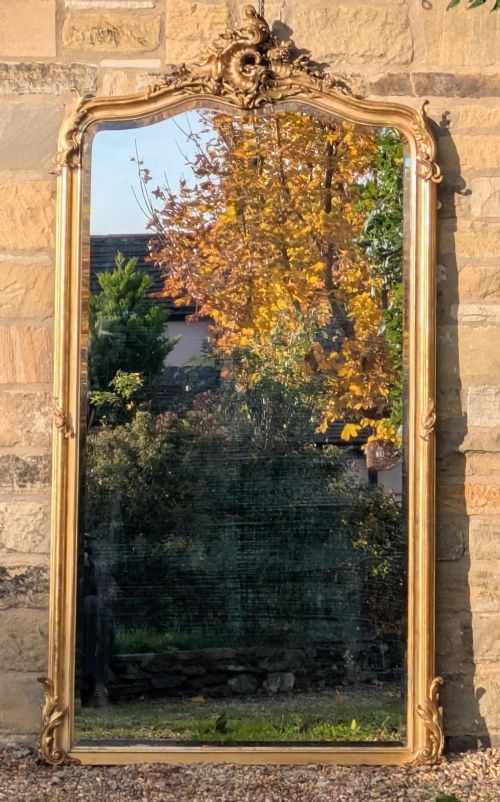
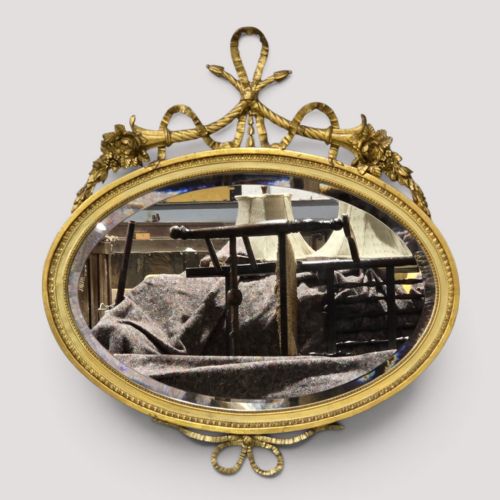
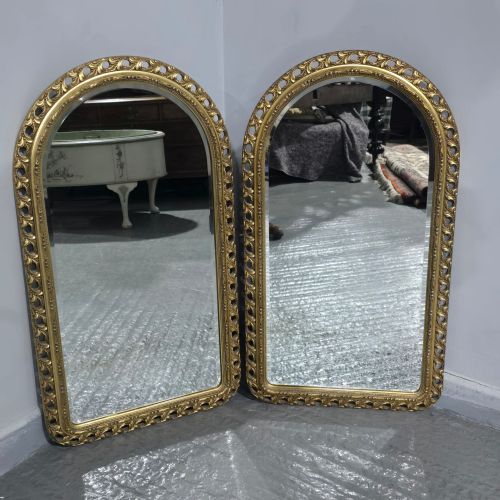
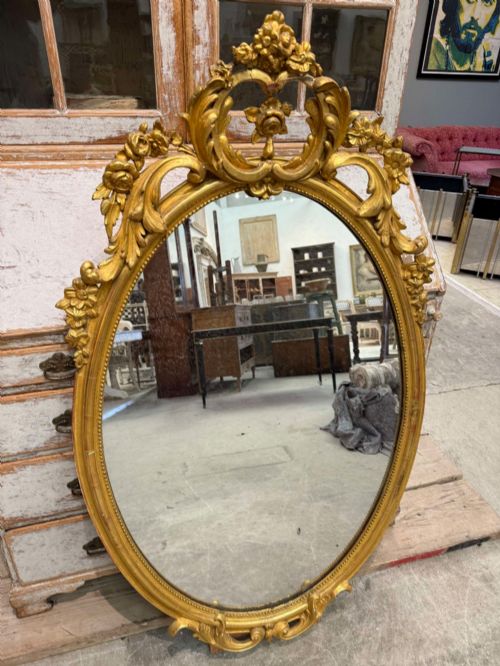
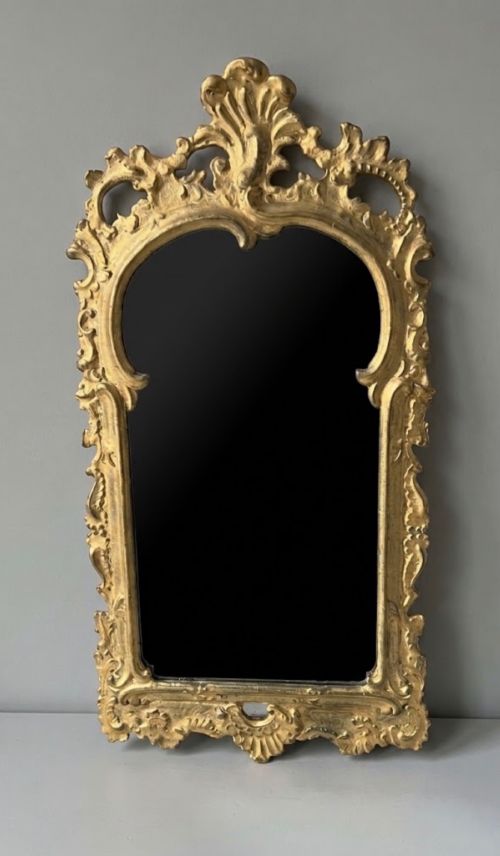
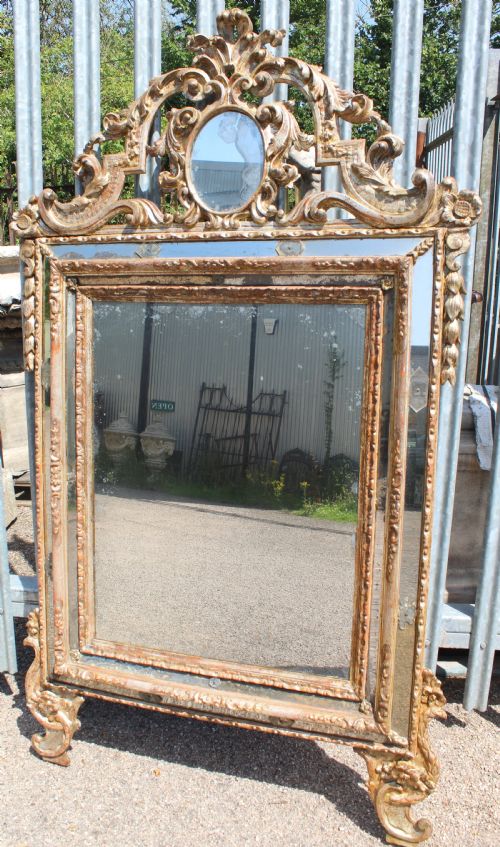

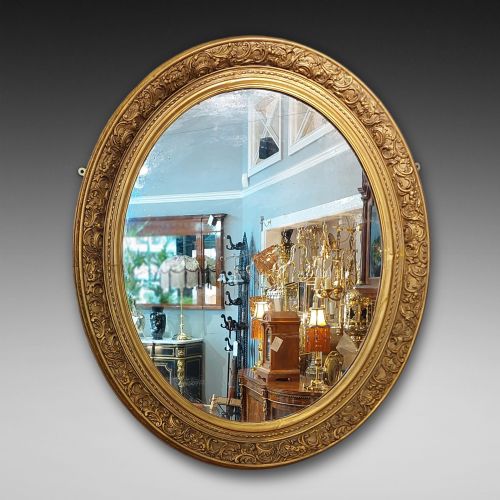
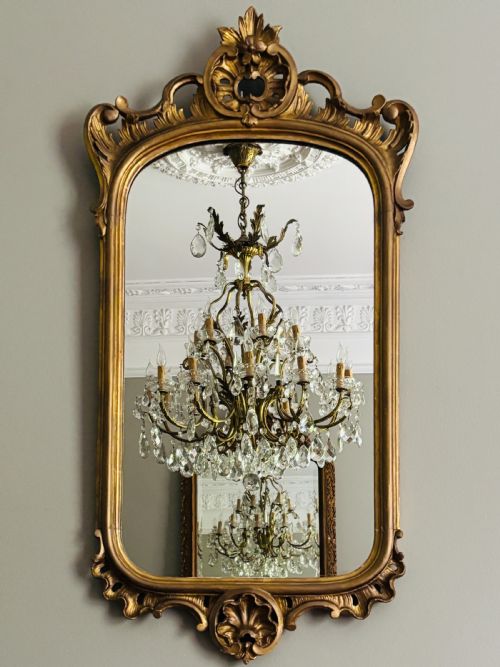
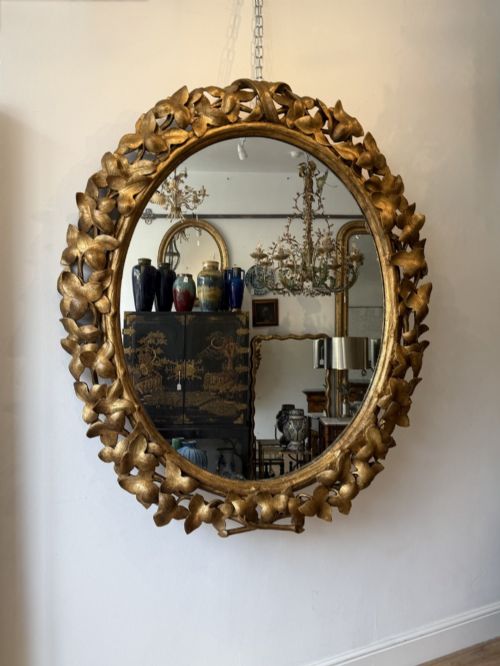
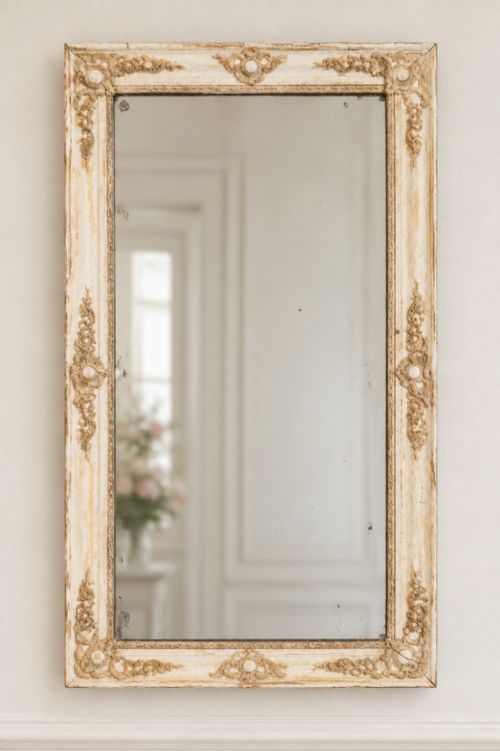
Vintage Carved Gilded Mirror
A vintage carved gilded mirror brings warmth and reflective depth to a room through centuries of craftsmanship.
Vintage Carved Gilded Mirror
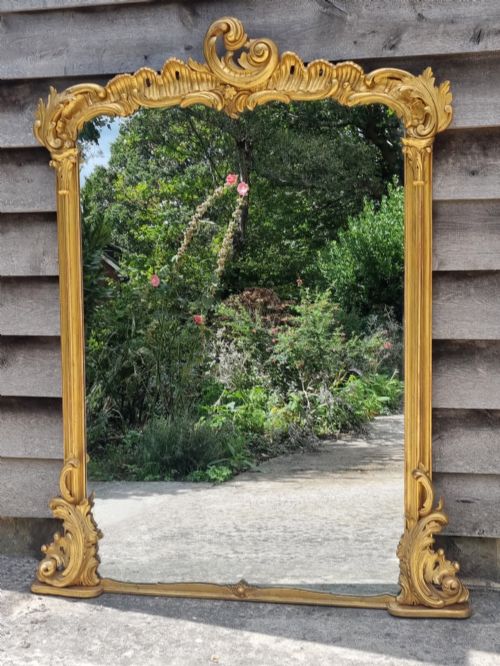
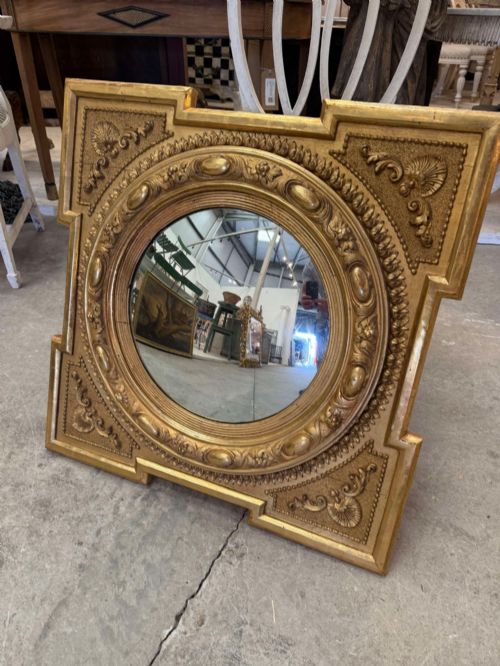
A vintage carved gilded mirror brings reflective depth and architectural presence to an interior space through ornate frames and aged glass. Buyers searching this phrase examine pieces primarily originating from the nineteenth and early twentieth centuries, spanning Victorian, Georgian, and French styles.
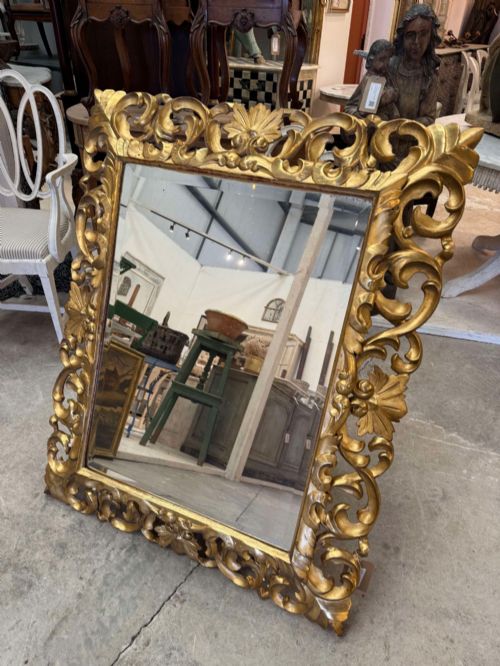
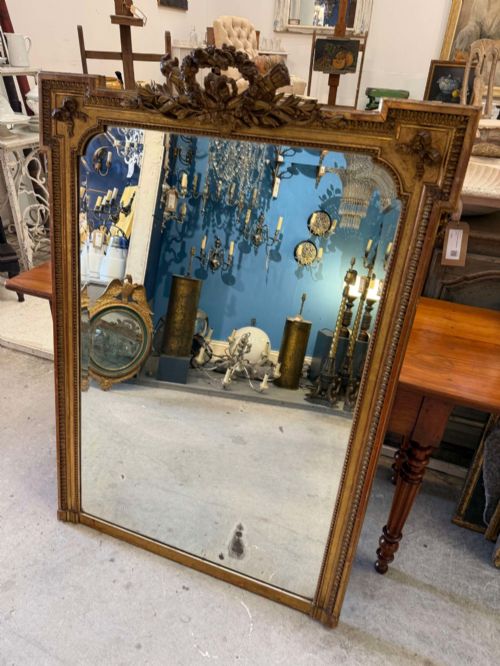
The selection on this page relies heavily on nineteenth century wall mirrors and overmantel forms alongside French Louis Philippe and Rococo Revival designs. Pieces vary from tall leaner mirrors to carved giltwood wall frames and Italian Florentine iterations.
Originating largely from English and French workshops, these items integrate carved wood, gesso, and gold leaf into domestic decorative schemes. Their forms range from simple rectangular wall plates to monumental arched overmantels and ornate triptychs.
Materials and construction techniques
Frames are constructed from solid timber, such as mahogany or carved wood, providing a stable structural base for the decorative ornament. Artisans applied layers of gesso over the wood substrate to build up crisp relief details before applying gold leaf or liquid gilding.
Mirrors utilise either traditional mercury glass or later bevelled glass plates, each showing distinct ageing patterns and silvering degradation over time. Composition material is frequently found moulded into complex floral or scroll motifs on nineteenth century frames.
Vintage Carved Gilded Mirror Retail Price Guide 2026
Typical asking prices for vintage carved gilded mirror among the pieces listed under this phrase on Sellingantiques today, from the lower quarter to the upper quarter. They describe what is for sale here now, not the wider market.
Current listings feature mirrors spanning the eighteenth, nineteenth, and early twentieth centuries, incorporating Victorian, Georgian, and French styles.
Assessing quality and craftsmanship
The crispness and depth of the hand carving separate standard commercial frames from exceptional artisan pieces. Deeply undercut foliage, scrolls, and rocaille work demonstrate superior hand skills compared to shallow moulded composition ornament.
The integrity of the original gilding and the character of the mirror plate dictate the historical value of the piece. Authentic gold leaf exhibits a warmer, deeper patination over gesso than modern metallic paints, while undisturbed mercury plates add distinct visual authenticity.
The Vintage Carved Gilded Mirror Glossary
- Giltwood
- Wood that has been coated with gold leaf or gold powder. This surface finish creates a reflective metallic sheen characteristic of formal antique frames.
- Gesso
- A plaster-like mixture applied to wood frames to create a smooth surface for carving or gilding. It allows artisans to model intricate relief ornamentation.
- Overmantel mirror
- A large mirror designed to hang specifically above a fireplace mantelpiece. These pieces often feature wide proportions to match the width of the hearth below.
- Mercury glass
- A type of double-walled glass blown with a silvering solution between the layers. It produces a mottled, dark reflective quality unique to older mirrors.
- Parcel-gilt
- Woodwork or furniture partially gilded with gold leaf, leaving areas of natural wood or painted surfaces visible. This technique highlights specific carved details against a contrasting background.
- Girandole
- A decorative wall mirror featuring attached candle sconces or arms. The candles reflect light directly off the mirror glass to illuminate darker rooms.
Vintage Carved Gilded Mirror: Frequently Asked Questions
How do I hang a heavy overmantel mirror?
Heavy overmantel mirrors require secure wall fixings anchored directly into structural studs or masonry rather than standard plasterboard. Professional mirror hangers utilise heavy-duty steel brackets or French cleats to distribute the substantial weight safely.
Position the mirror at a height that complements the surrounding furniture and architectural proportions of the room. Ensure the hanging wire or integrated D-rings are rated well above the actual weight of the frame.
How should I clean a gilded wood frame?
Dust gilded frames gently with a soft, dry ostrich feather duster or a clean, dry artist brush. Avoid applying water, chemical sprays, or abrasive cloths to the surface, as moisture lifts fragile gold leaf and gesso.
If stubborn grime accumulates, consult a professional conservator rather than attempting chemical cleaning at home. Preserving the delicate metallic leaf requires minimal physical intervention to prevent permanent damage.
Can I place an antique mirror in a bathroom?
High humidity and fluctuating bathroom temperatures pose significant risks to antique gesso, wood expansion, and fragile silvered mirror backing. Steam accelerates the degradation of old mercury glass and causes the wooden frame to warp or crack.
Dry living rooms, hallways, and dining spaces provide stable environments that protect the structural integrity of antique gilding. Keep mirrors away from direct sunlight and damp exterior walls to ensure long-term preservation.