


Antique Ormolu Sideboard
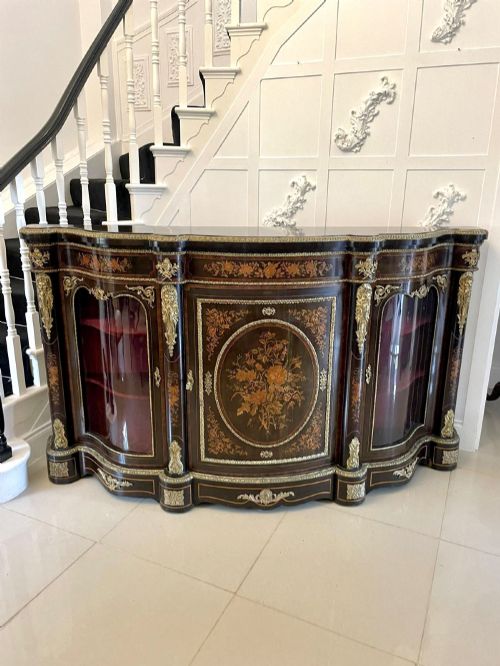
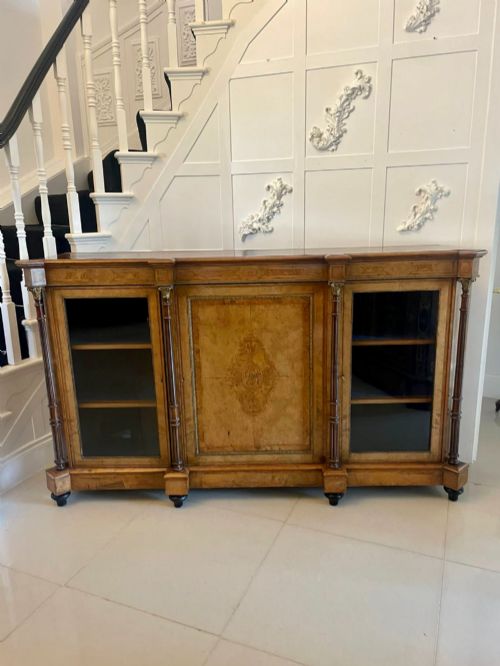
An antique ormolu sideboard brings opulent nineteenth-century presence to a room, combining rich burr walnut and gleaming gilt mounts in a statement storage piece.
Antique Ormolu Sideboard
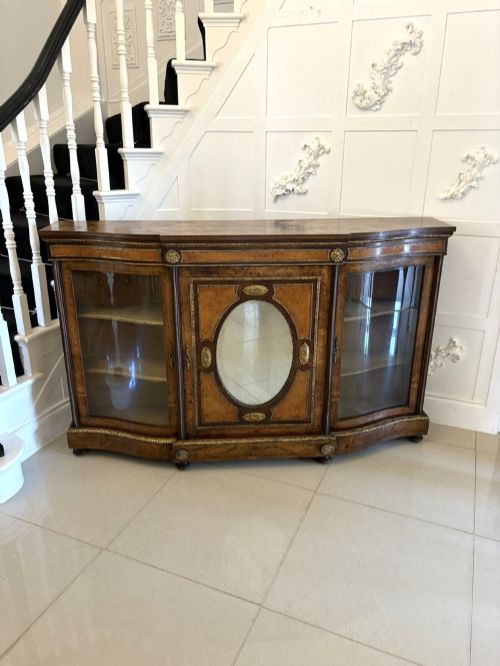
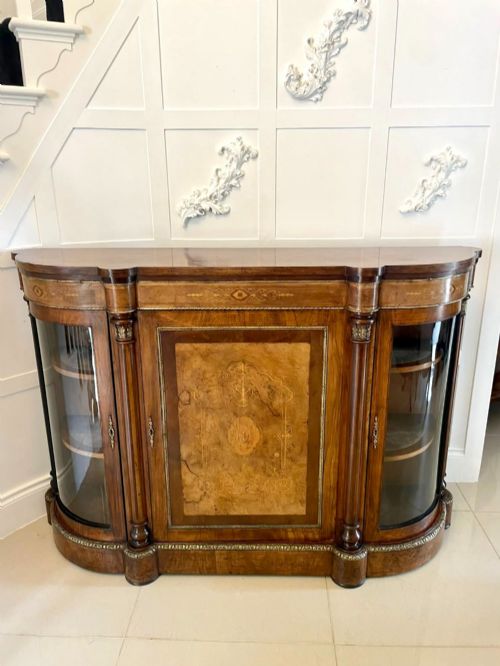
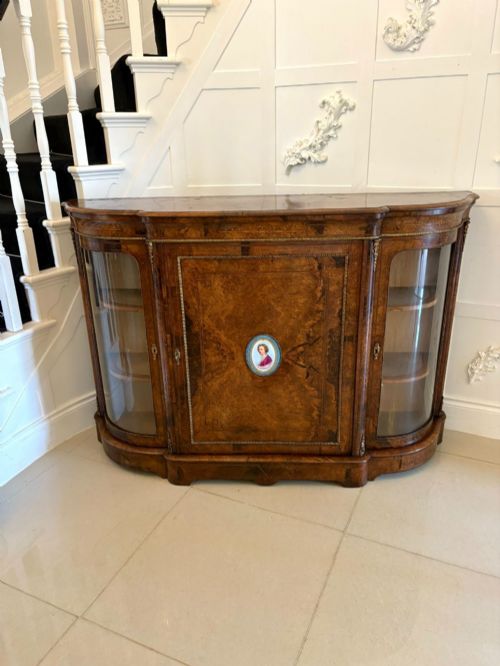
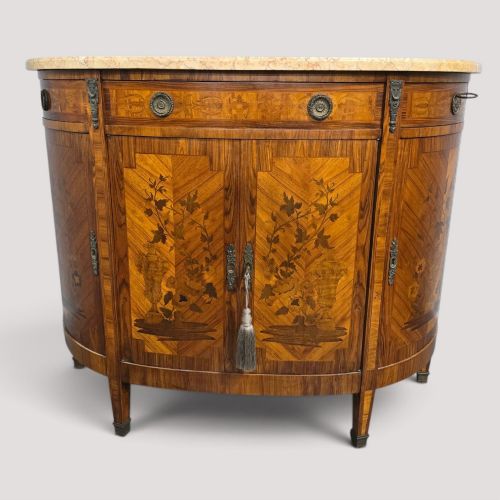
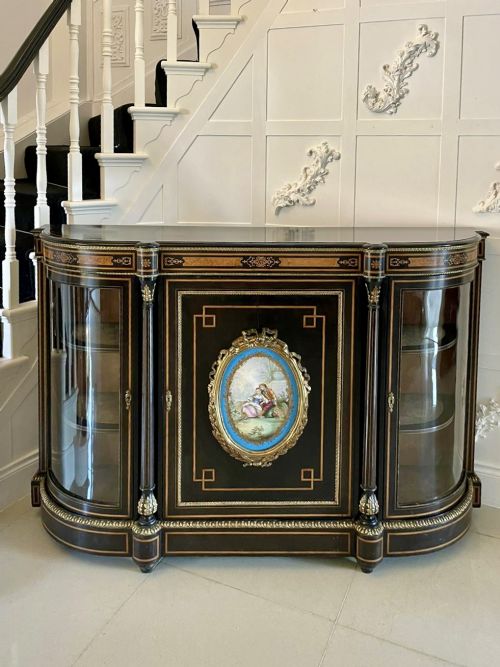
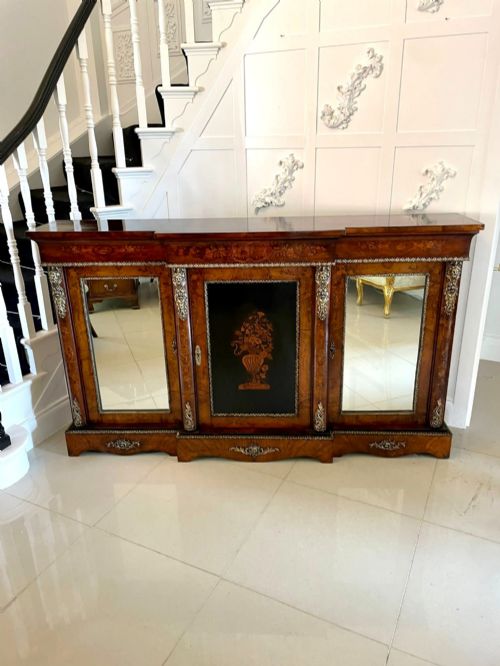
When you search for an antique ormolu sideboard, you encounter low display cabinets, credenzas, and large sideboards that served formal nineteenth-century dining rooms and drawing rooms. The most common form on this page is the Victorian burr walnut credenza, often fitted with curved glass doors and elaborate gilt-bronze mounts.
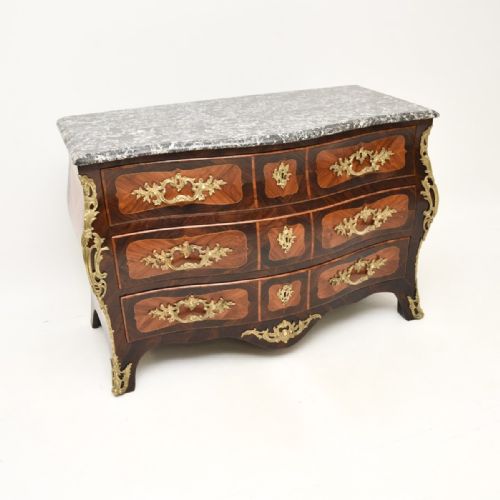
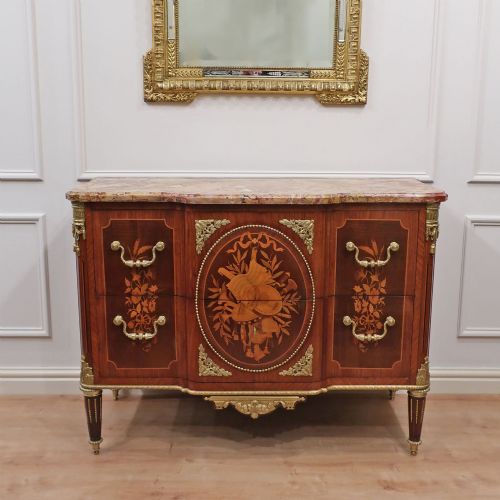
These pieces also cross into French commodes, pier cabinets, and serpentine side cabinets spanning the nineteenth century. Makers constructed them to display porcelain and silver while anchoring grand interiors with dark timbers and polished metalwork.
How they were made
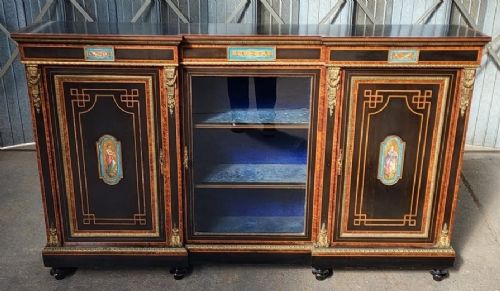
Craftsmen built these cabinets using dense structural timbers like walnut, ebonised wood, and rosewood as a base for highly figured burr walnut, kingwood, and satinwood veneers. They inlaid these surfaces with floral marquetry and parquetry patterns before applying hand-chased ormolu mounts to corners, borders, and feet.
Many examples incorporate marble tops, mirrored door interiors, and porcelain plaques set directly into the wooden frame. Ormolu components were cast in bronze and heavily gilt, then secured to the cabinetry with threaded pins or screws.
Many a Victorian parlour cat found supreme warmth sleeping directly beneath the gentle overhang of a sun-warmed marble credenza top.
What varies in quality
The distinction between ordinary and exceptional pieces lies in the crispness of the cast ormolu mounts and the complexity of the timber veneers. Finer items exhibit deeply chased gilt bronze rather than flat metalwork, alongside intricate multi-timber floral marquetry that covers serpentine or demi-lune carcases.
Structural harmony also separates standard examples from exhibition-grade creations. Superior pieces integrate fitted interior mirrors, undamaged marble slabs, and perfectly aligned curved glass doors that operate smoothly within heavy timber frames.
Jacques Bircklé·Henry Dasson·Gillows·Maison Gagneau
The Antique Ormolu Sideboard Glossary
- Ormolu
- Gilded bronze used for decorative mounts and hardware. It provides bright golden highlights against dark woods.
- Marquetry
- Decorative veneer patterns formed from pieces of different coloured wood. It creates pictorial floral designs across the cabinet front.
- Burr walnut
- Wood cut from walnut tree growths that produces swirling grain patterns. Cabinetmakers prize it for high-end Victorian furniture.
Antique Ormolu Sideboard: Frequently Asked Questions
What is an ormolu sideboard used for?
These cabinets provided formal storage and display surfaces in nineteenth-century reception rooms and dining spaces. Owners utilised the glass-fronted shelves to exhibit valuable porcelain, glassware, and silver collections.
The enclosed lower sections held table linen and serving items while the heavy marble or wooden top served as a surface for lamps and decorative urns.
How do I date an antique credenza?
Dating relies on examining the timber veneers, hardware construction, and prevailing decorative styles of the nineteenth century. Victorian pieces often combine burr walnut with floral marquetry and cast ormolu mounts.
Earlier Regency examples lean towards rosewood with brass inlay, whereas later nineteenth-century pieces adopt heavier ebonised finishes and French revival forms.
Where should I place a sideboard?
A credenza or side cabinet suits a dining room, large hallway, or drawing room where its length and decorative front can be appreciated. Position it against a flat wall away from direct sunlight to protect sensitive wood veneers and antique gilding.
Ensure adequate floor space around curved serpentine models so the doors and mounts avoid accidental contact.
What is the difference between a credenza and a commode?
A credenza is typically a low cabinet designed with central doors and curved glass side compartments intended for display. A commode is structurally a chest of drawers, often topped with marble and featuring a more compact footprint.
Both styles frequently incorporate ormolu mounts and marquetry, but their internal storage configurations serve different domestic functions.