
Dark Wood Marquetry Cabinet
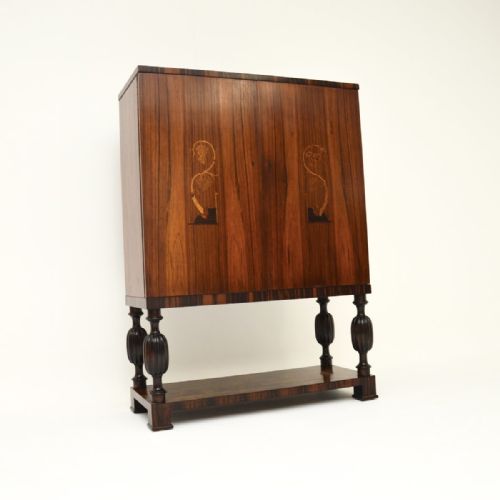
A dark wood marquetry cabinet brings rich floral or geometric veneer work and deep timbers into a room, offering display or storage space with considerable presence.
Dark Wood Marquetry Cabinet
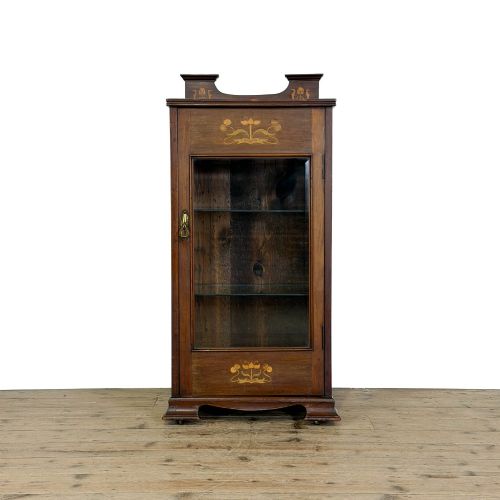
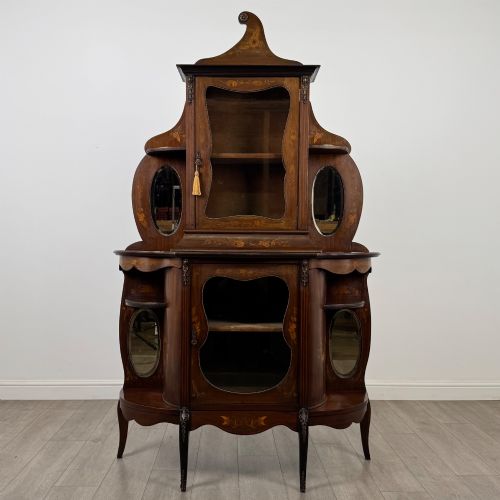
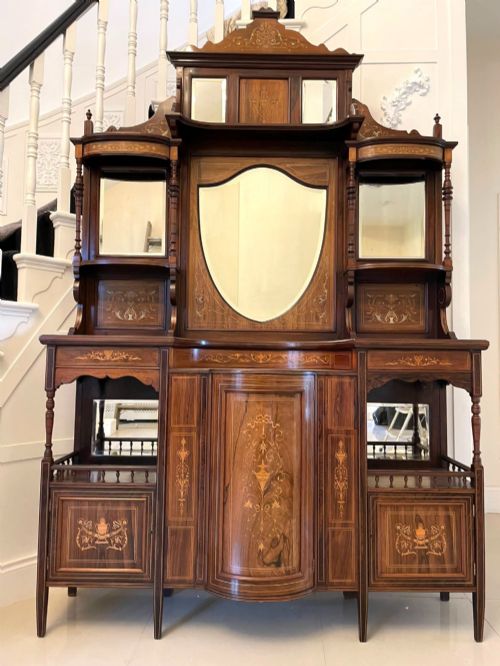
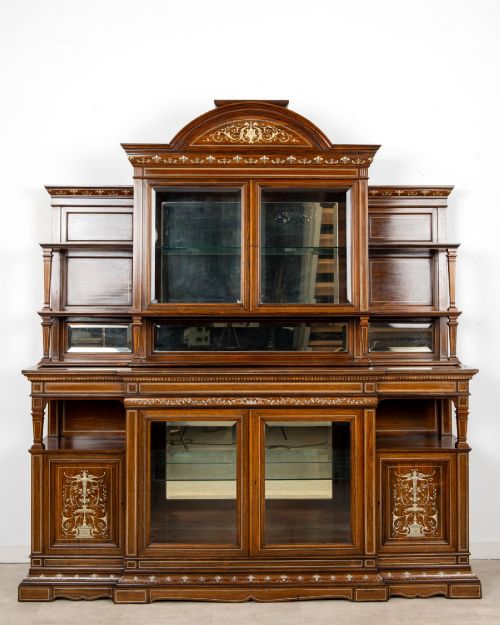
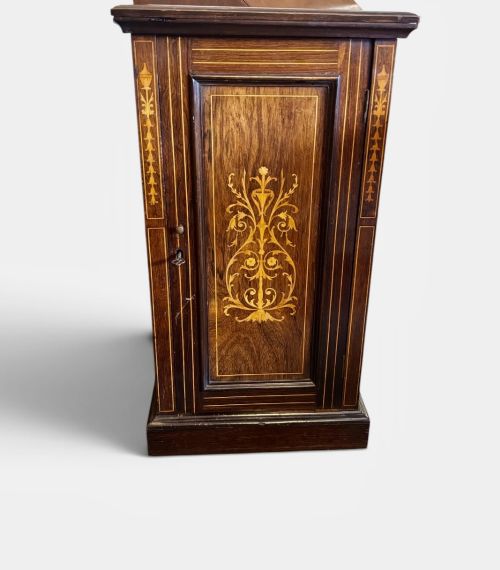
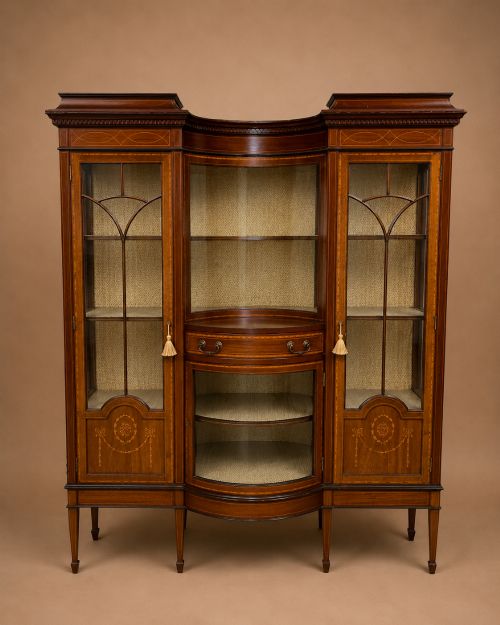
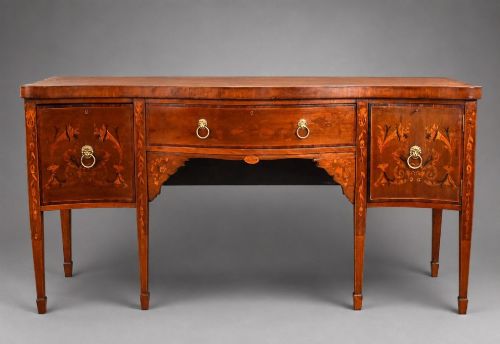
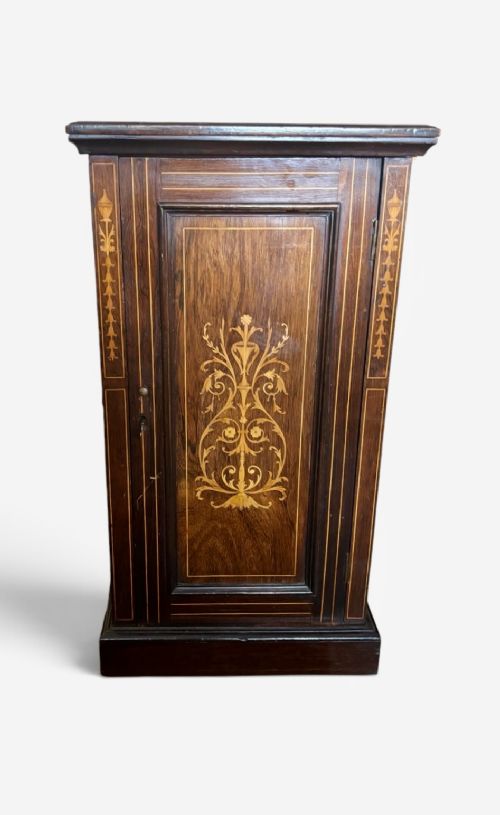
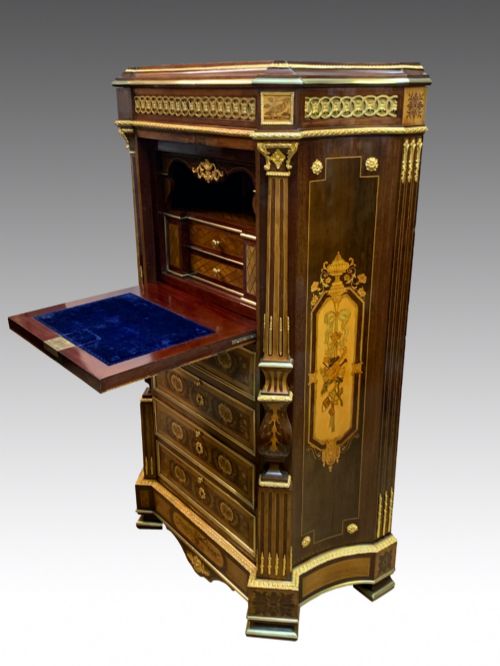
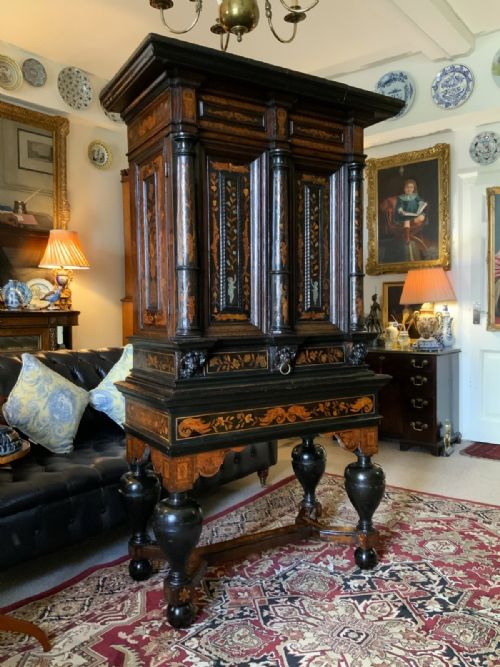
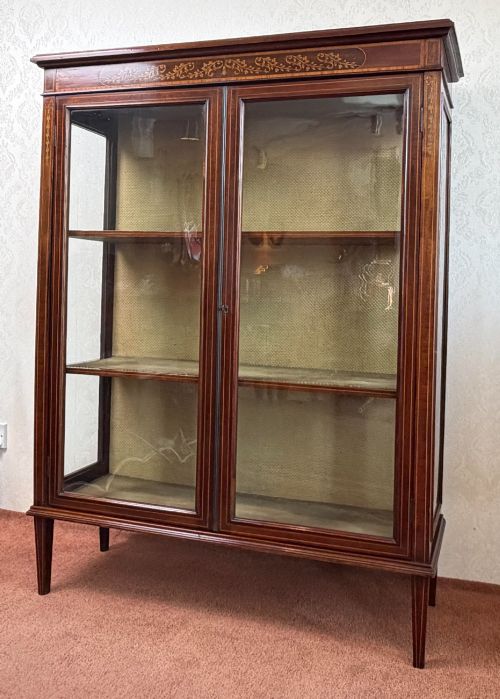
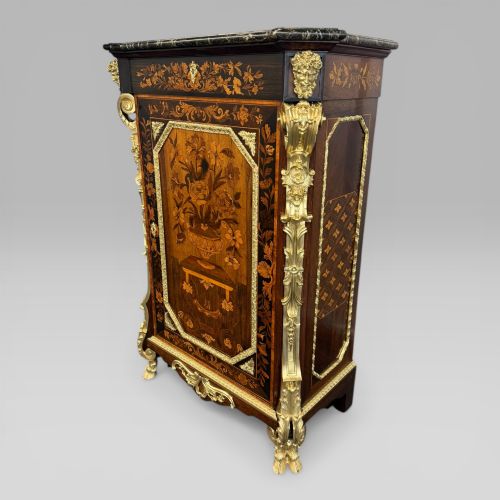
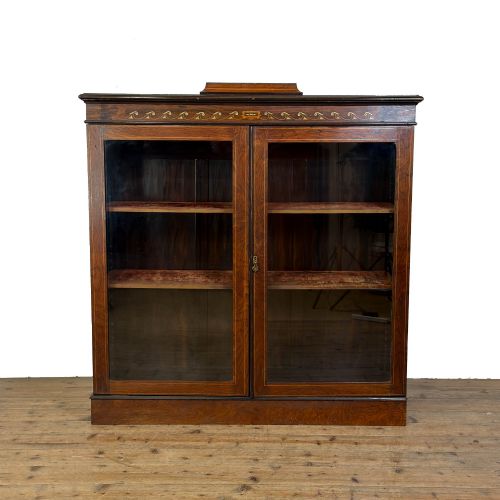
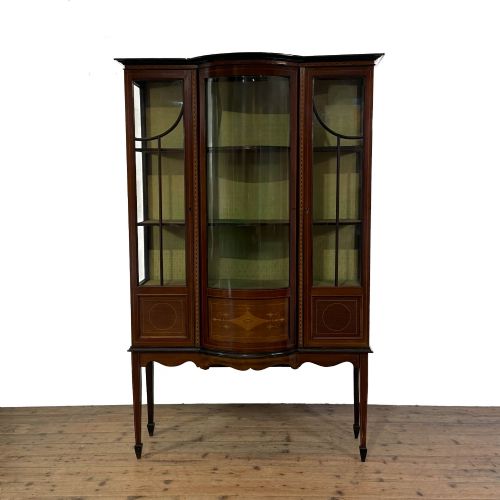
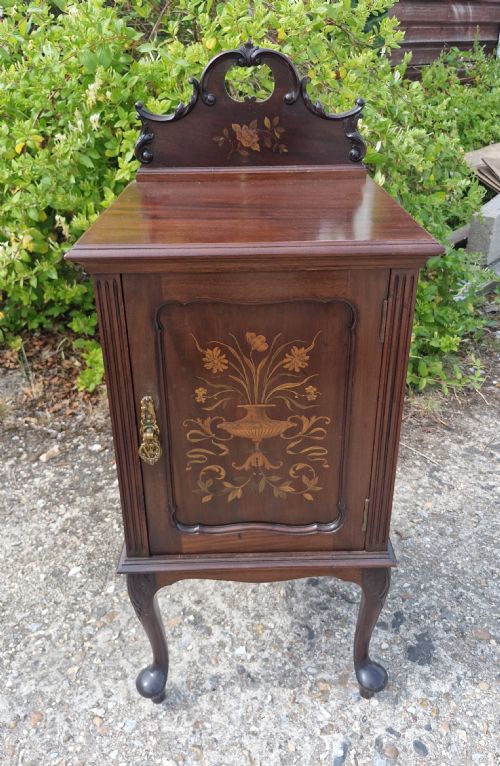
When you search for a dark wood marquetry cabinet, you encounter pieces predominantly from the Victorian and Edwardian eras, alongside occasional seventeenth-century and nineteenth-century examples. These items span various forms, including display cabinets, side cabinets, corner cabinets, and bureau bookcases.
The construction typically relies on dark timbers such as rosewood and mahogany, enriched with contrasting satinwood inlay, brass mounts, or mirror glass. Formats range from narrow bedside pieces and music cabinets to large breakfront credenzas and linen presses.
What varies in quality
The refinement of the marquetry cutting and the choice of timber figure determine the visual standard of a piece. Finer examples display precise, tight floral or geometric veneer work integrated seamlessly into the dark wood ground.
Construction details such as the quality of the secondary timbers, the weight of the brass or ormolu mounts, and the preservation of the original glass and polished surfaces separate standard production from superior craftsmanship.
Listings feature pieces spanning the seventeenth century through to the Edwardian period, executed in rosewood, mahogany, and satinwood.
Collinson and Lock·Maison Krieger·Edward Holmes Baldock·Gordovil Spain
The Dark Wood Marquetry Cabinet Glossary
- Marquetry
- Decorative veneer work assembled in geometric patterns or pictorial scenes using various coloured woods. It transforms plain surfaces into detailed compositions.
- Ormolu
- Gilt bronze mounts applied to furniture for decorative accent. It provides a bright metallic contrast against dark wood.
- Satinwood
- A durable, lustrous timber from tropical trees with a yellowish sheen. It frequently appears as contrasting inlay on dark cabinets.
- Boulle
- Marquetry style combining tortoiseshell and brass inlay. It creates a metallic, reflective surface pattern.
Dark Wood Marquetry Cabinet: Frequently Asked Questions
Where were these dark wood marquetry cabinets placed?
These cabinets served primarily in reception rooms, drawing rooms, and formal parlours for displaying porcelain, glassware, or collecting curiosities. Tall display cabinets and credenzas anchored large wall spaces.
Smaller variants like corner cabinets and bedside tables functioned in bedrooms or secondary sitting spaces to maximise storage without cluttering the floor plan.
How do I care for the veneer?
Keep these pieces away from direct sunlight and strong heat sources to prevent the dark wood timbers and delicate satinwood or marquetry inlays from drying out and lifting. Maintain a stable indoor climate.
Dust regularly with a soft, dry cloth and apply occasional high-grade furniture wax sparingly to nourish the polished surface without building up residue.
How do I distinguish Victorian from Edwardian pieces?
Victorian dark wood marquetry cabinets tend to feature heavier proportions, denser rosewood or mahogany bodies, and elaborate ormolu or brass details. The craftsmanship often emphasises dramatic grain figures and deep tones.
Edwardian interpretations generally present a lighter aesthetic, frequently drawing on Sheraton Revival influences with brighter satinwood inlay and more delicate structural lines.
What is the difference between a display cabinet and a side cabinet?
A display cabinet incorporates glass doors or glass side panels specifically designed for exhibiting decorative objects, books, or ceramics safely behind a glazed barrier.
A side cabinet relies on solid wooden doors, drawers, or drop-front desks, concealing the contents from view while providing enclosed storage surface area.