

Antique Oriental Wood Figures
These antique oriental wood figures bring the intricate traditions of East Asian and Indian carving directly into domestic interiors.
Antique Oriental Wood Figures
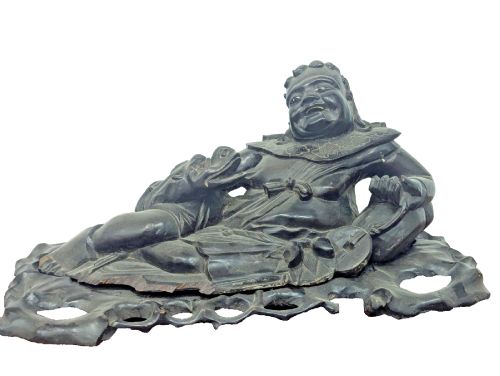
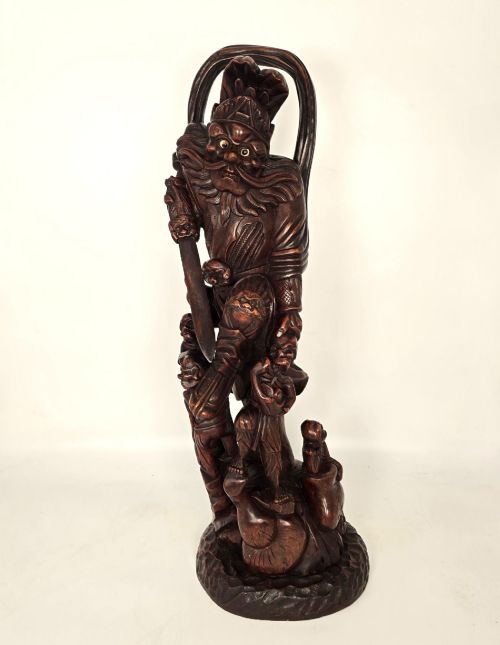
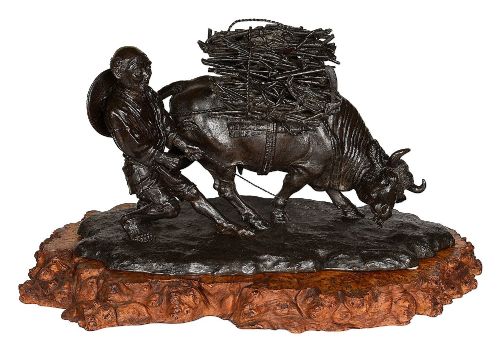
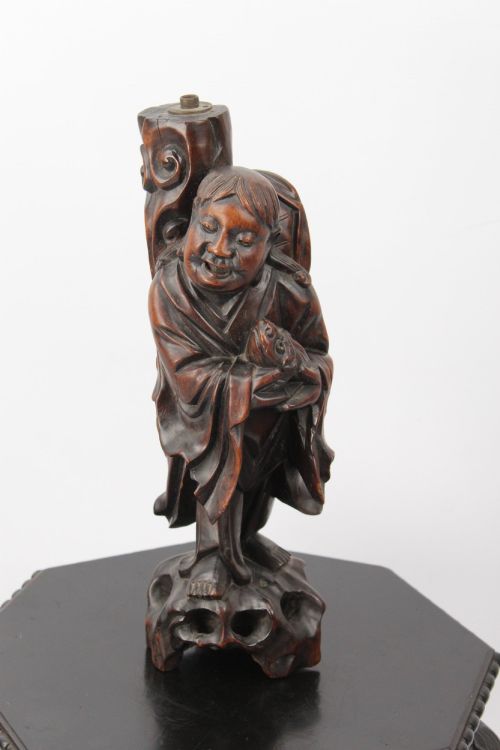
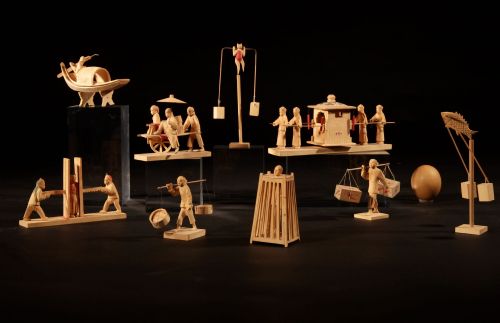
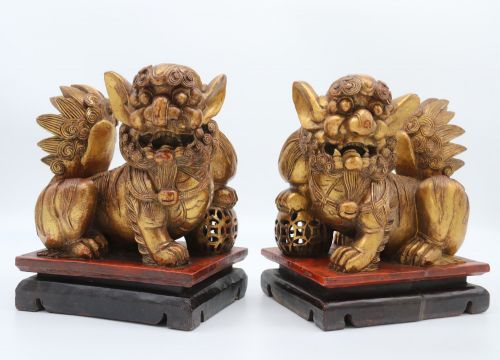
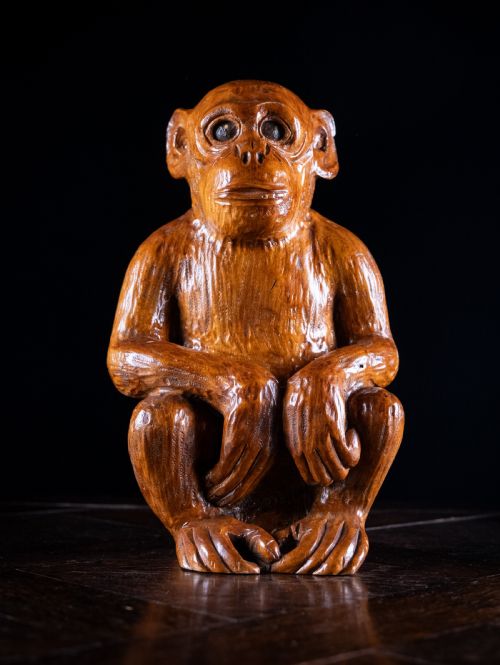
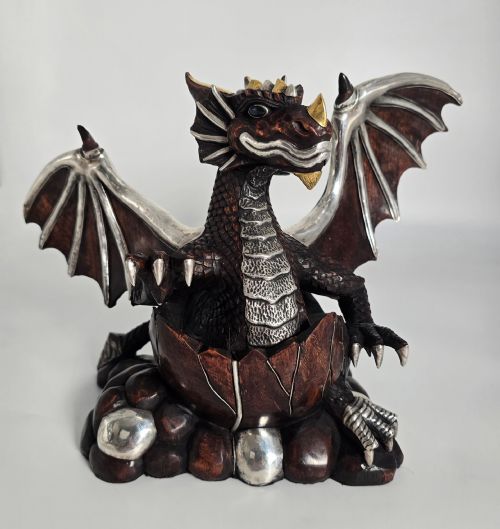
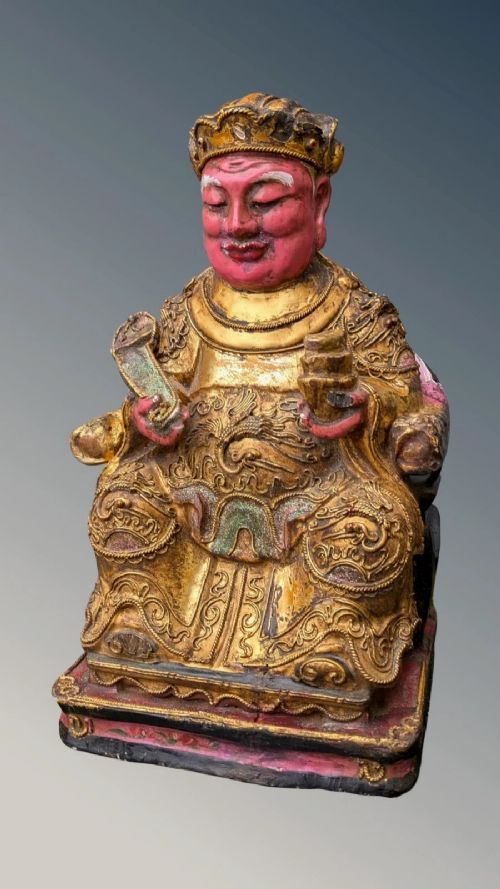
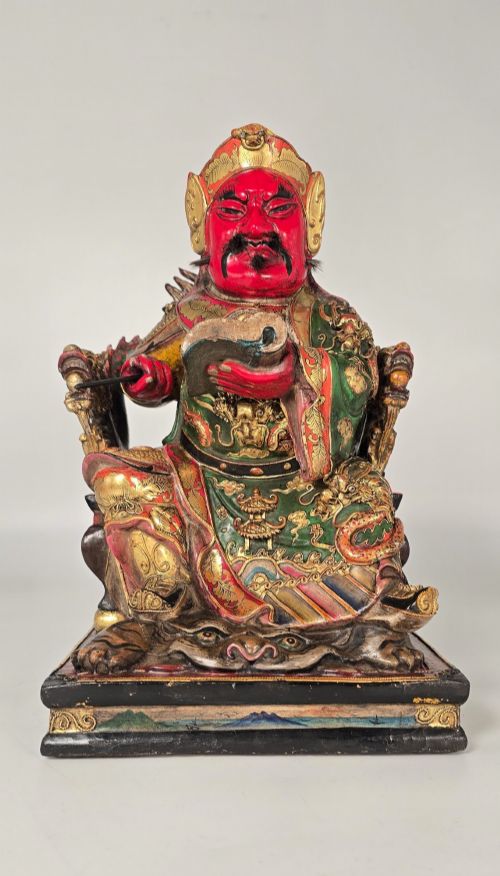
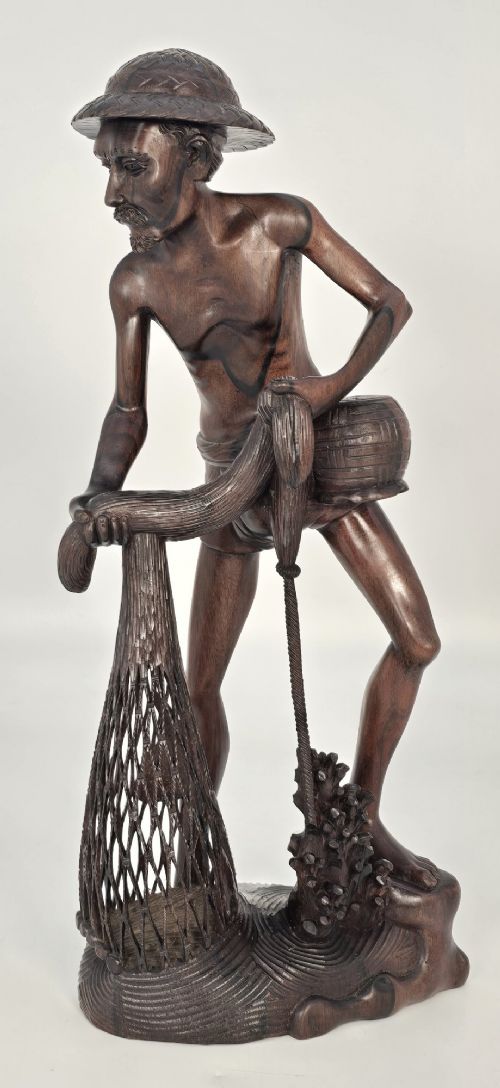
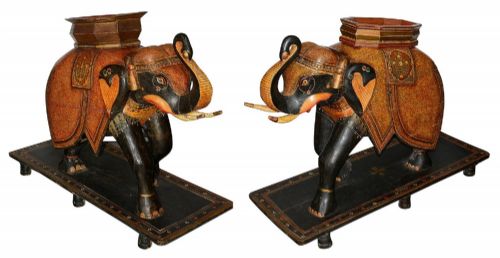
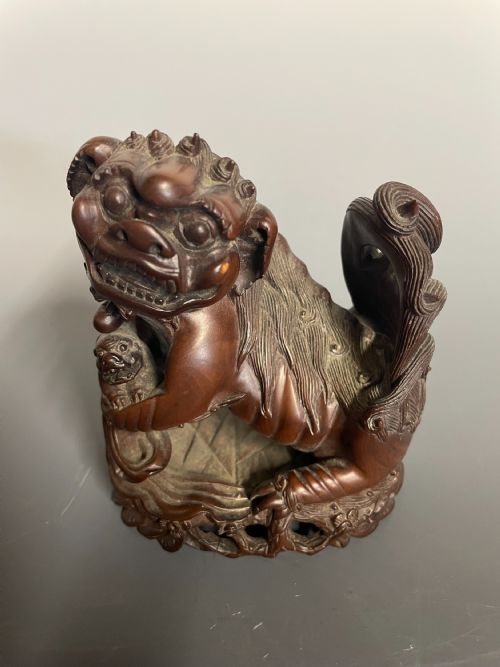
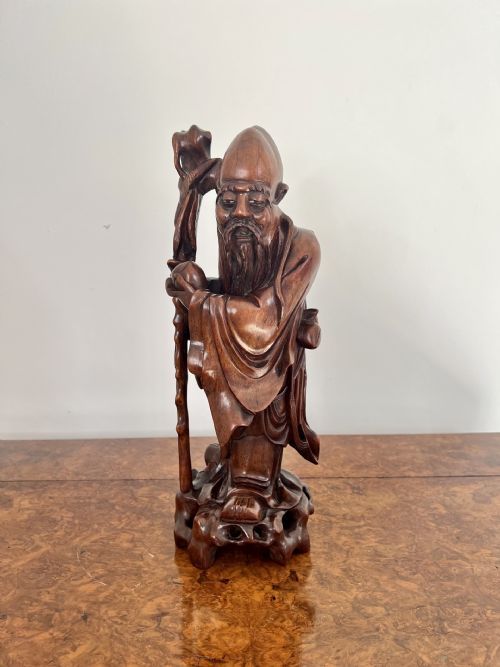
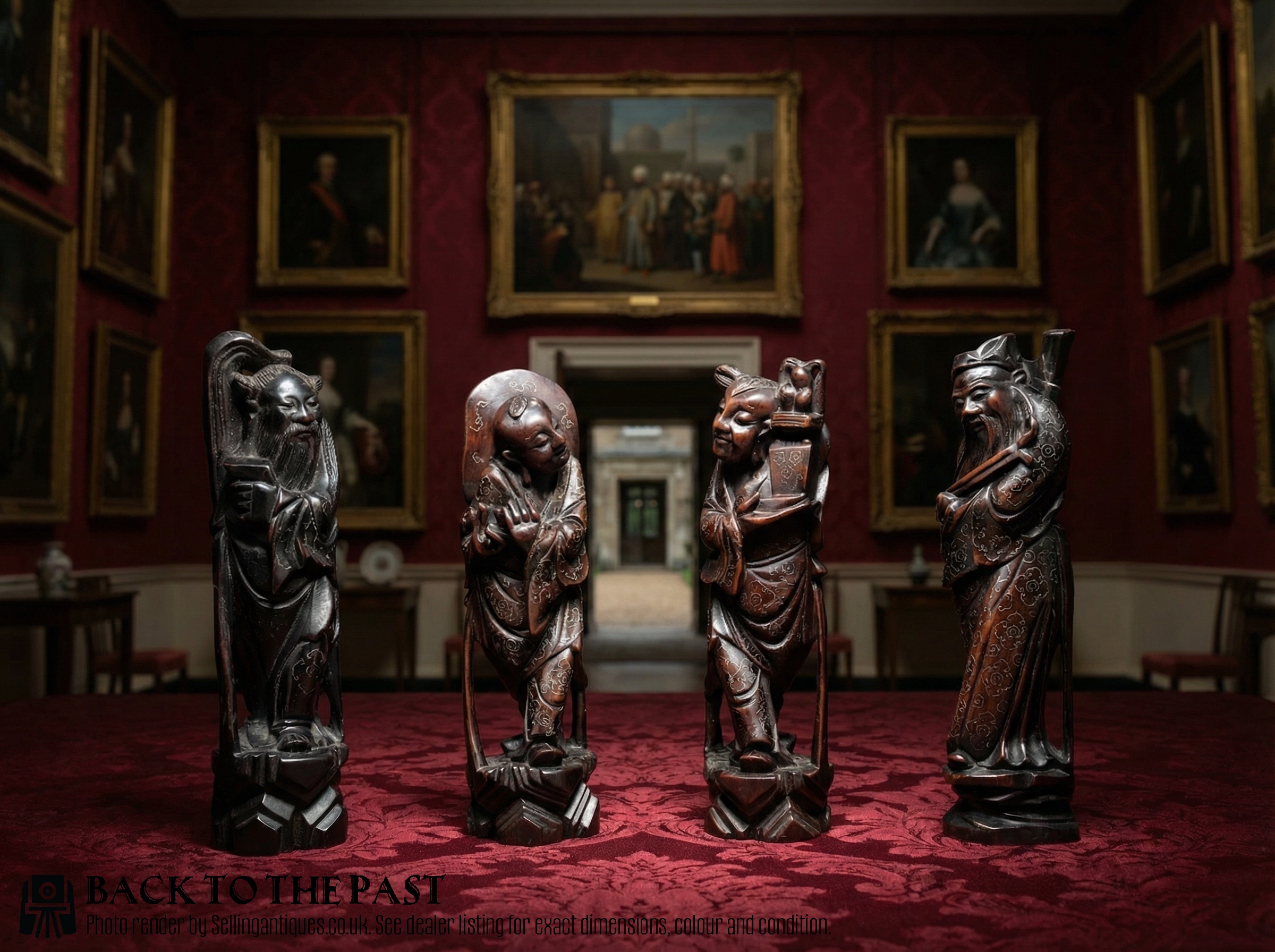
When searching for antique oriental wood figures, collectors encounter a diverse array of hand-carved sculptures originating from Chinese, Japanese, and Kashmiri traditions. The majority of pieces on this page stem from the nineteenth and early twentieth centuries, spanning the Qing Dynasty and the Japanese Meiji period. Common subjects include deities, scholars, fishermen, and animals such as water buffaloes and temple dogs.
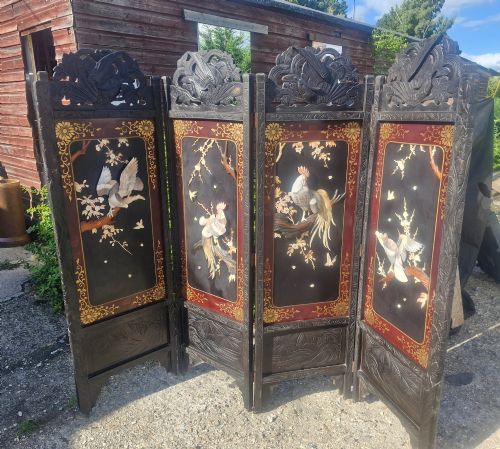
Formats vary widely across the selection, ranging from miniature boxwood netsukes and tobacco boxes to monumental temple guardians and seated Buddhas. Certain examples integrate functional elements, functioning as table lamps, head rests, or folding screens adorned with carved bone and wood panels. This variety reflects both secular decorative arts and traditional religious statuary produced across Asia.
How they were made
Artisans utilised dense hardwoods, boxwood, bamboo, and root wood to achieve durable yet highly detailed carvings. Root wood specimens take advantage of the natural contours of the timber to shape figures of scholars and mythical beasts, while boxwood allows for minute precision in okimones and netsukes.
The listings encompass multiple periods, running from eighteenth-century temple carvings up to early twentieth-century Japanese screens and figures.
What varies in quality
The degree of anatomical precision and depth of relief carving dictate the standard of execution across these sculptures. Superior examples display confident handling of facial expressions, drapery folds, and hair texture without relying excessively on surface paint to mask clumsy chisel work.
The choice of raw material also establishes hierarchy, with carefully selected burr root and dense boxwood commanding greater visual depth than softer timbers. Preservation of original gilding, polychrome pigment, and lacquering substantially elevates the integrity of the piece.
Masayuki
The Antique Oriental Wood Figures Glossary
- Okimono
- A Japanese freestanding ornamental carving designed for display in a domestic interior. These figures typically depict historical personages, deities, or scenes from daily life.
- Netsuke
- A small Japanese toggle carved from boxwood or other dense materials, secured to the end of a cord attached to a traditional pouch or box.
- Qing Dynasty
- The final imperial dynasty of China, lasting from the mid-seventeenth century until the early twentieth century. Objects from this era frequently showcase elaborate polychrome wood and gilt finishes.
- Meiji Period
- An era in Japanese history spanning the late nineteenth and early twentieth centuries characterised by significant artistic production for export and domestic markets.
- Foo Dog
- A traditional guardian lion depicted in pairs outside temples and palaces. These mythical creatures appear frequently in carved wood and root wood across the inventory.
Antique Oriental Wood Figures: Frequently Asked Questions
How should I clean my wooden figure?
Dust surfaces gently using a soft, dry brush to prevent accumulation in carved crevices. Avoid liquid cleaners or polishes that might degrade historic lacquer, gesso, or gold leaf.
Maintaining a stable indoor humidity prevents the timber from splitting or warping over time. Keep pieces away from direct sunlight and radiators to preserve the original polychrome paint.
What is a root wood carving?
Root wood carvings utilise the gnarled, twisting subterranean growth of trees to suggest natural forms. Artisans carve these organic shapes into figures of scholars, animals, or immortals.
Each sculpture remains entirely unique because the carver follows the predetermined grain and knots of the root. This technique has a long history in traditional Chinese woodworking.
How do I date a Japanese Meiji piece?
The Meiji period aligns with the reign of the Emperor Meiji between eighteen sixty-eight and nineteen twelve. Carvings from this era often display exceptionally fine detail in boxwood or ivory.
Examining the base and tool marks helps differentiate Meiji production from later twentieth-century copies. Master carvers during this timeframe frequently signed their work directly into the wood.
Where were temple figures placed?
Large wooden guardians and deities originally stood within Buddhist temples or domestic shrines across China and Japan. These sculptures served protective functions and received ritual offerings.
Today, these substantial figures transition easily into residential living spaces as statement sculptures. Their weathered polychrome surfaces record centuries of historical exposure.