






Qing Dynasty Root Figures
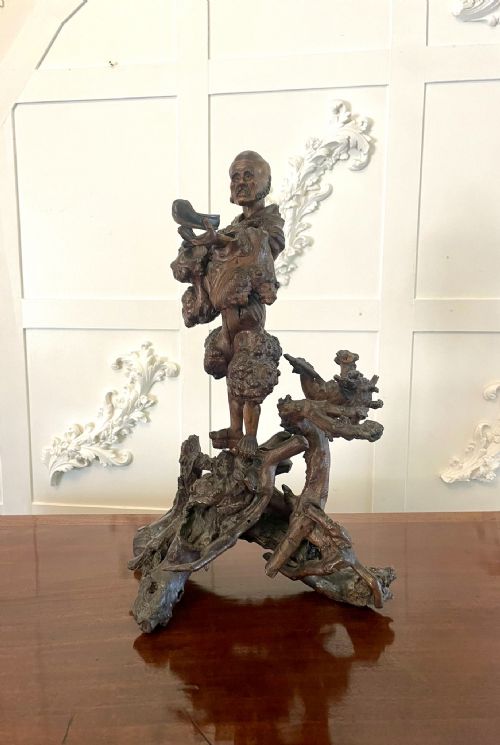
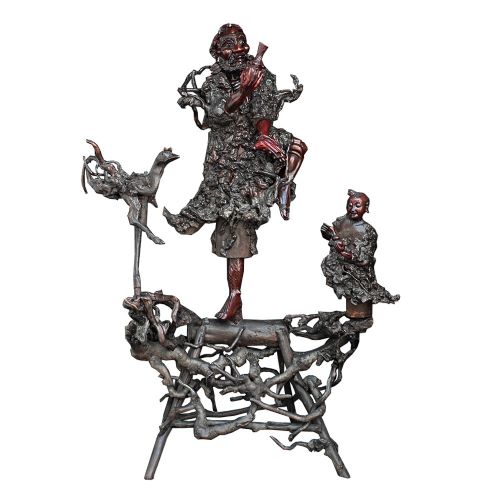
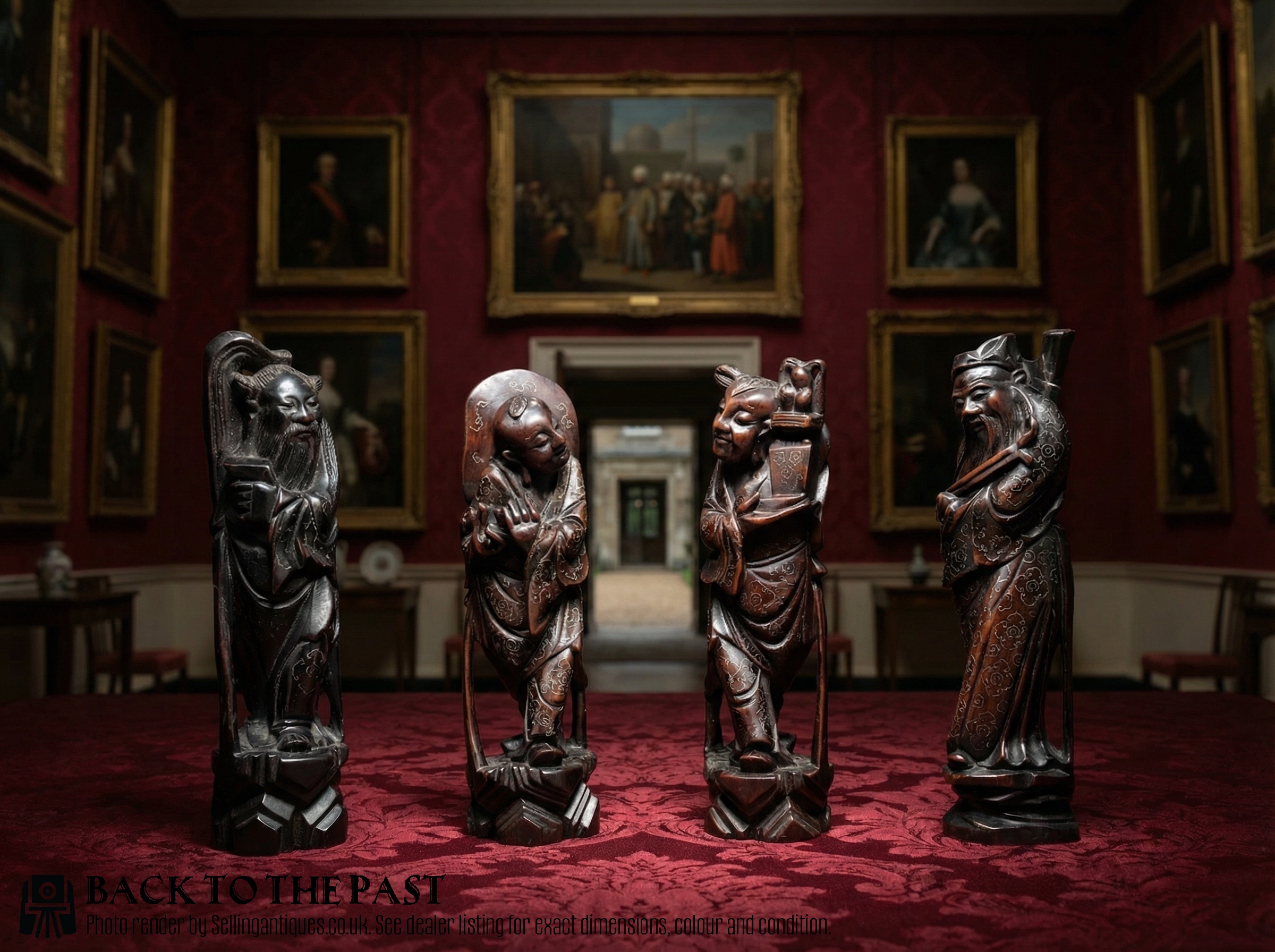
These Qing Dynasty root figures are carved from natural wood growths and burl timber into striking deities, scholars and animals.
Qing Dynasty Root Figures
When someone searches for qing dynasty root figures, they are looking at organic sculptures and functional objects shaped from gnarled timber. These pieces showcase the natural contours of the wood rather than imposing a strict geometric form.
The versions most commonly met on this page date from the nineteenth century, spanning various decades up to nineteen hundred. Sculptors utilised the twists of root wood, hardwood and burr wood to suggest figures, animals and scholars.
Forms extend beyond standalone sculptures to include table lamps, headrests and deity figures. Makers worked closely with the eccentric shapes provided by nature to produce each carving.
How they were made
Carvers shaped root wood, hardwood, bamboo and burr wood by following the natural knots and grain of the material. Selected areas received detailed knife work to define faces, drapery and paws while leaving other parts in their raw, organic state.
Certain pieces integrate brass elements or inlaid glass to accent the natural timber forms. Finished surfaces acquired a deep patina through handling and age, highlighting the varied textures of the wood.
Materials recorded across these listings include root wood, hardwood, burr wood, bamboo, brass and inlaid glass.
What varies in quality
Quality rests upon how successfully the carver resolved the natural shape of the timber into a recognisable subject without losing the organic character of the root. The strongest examples display a confident interplay between the knotty grain and the human or animal form.
Surface finish and touch also separate the tiers, with superior pieces showing a warm, deep patina developed over time. The integration of functional elements, such as lamp fittings or headrests, demonstrates careful adaptation of the material.
The Qing Dynasty Root Figures Glossary
- Root wood
- Timber sourced from the underground mass or lower trunk of a tree, prized for its twisting, knotty grain. Carvers use these irregular shapes to suggest figures and animals.
- Burr wood
- A growth on a tree where the grain has grown in a deformed manner, resulting in swirling patterns. It is frequently selected for decorative carvings.
- Patina
- The surface sheen and colour acquired by wood over decades of handling and exposure to the air. A good patina indicates age and regular contact.
- Dogs of Fo
- Traditional guardian lions depicted in Chinese art and sculpture. They appear in pairs to protect domestic spaces.
Qing Dynasty Root Figures: Frequently Asked Questions
What are qing dynasty root figures?
These pieces are organic sculptures carved from twisted root wood, burr timber and hardwood during the nineteenth century. Makers followed the natural contours of the wood to create scholars, deities and animals.
Such carvings range from small tabletop sculptures to larger figures and adapted items like table lamps. Each object relies heavily on the eccentric growth patterns of the original material.
How were root figures used?
Historical use involved displaying these organic sculptures within scholar's studios and reception rooms to demonstrate an appreciation for natural forms. Some items served practical purposes, such as bamboo headrests or fitted table lamps.
Their presence brought elements of the natural world indoors, aligning with traditional Chinese aesthetic values. Owners appreciated the balance between human craftsmanship and untamed nature.
How do I live with root carvings?
Place these sculptures on stable surfaces where their complex, gnarled silhouettes can be viewed from multiple angles. Keep them away from direct sunlight and sudden temperature shifts to protect the historical timber.
Dust them gently with a soft brush rather than using liquid polishes that might alter the dry patina. Allowing adequate space around each piece lets the organic lines stand out.
How do I tell nineteenth century pieces apart?
Nineteenth century examples show distinct tool marks and deep surface patinas developed over long periods. Examining the base and inner crevices reveals the age of the wood and the manual carving methods employed.
Variations in the materials, such as the inclusion of bamboo, brass or inlaid glass, help distinguish regional workshops and specific decades. Comparing the complexity of the root manipulation provides further clues to their origins.