


Carved Hardwood Immortal Statues
Carved hardwood immortal statues bring tangible Chinese tradition into a room through figures rendered in dense timbers.
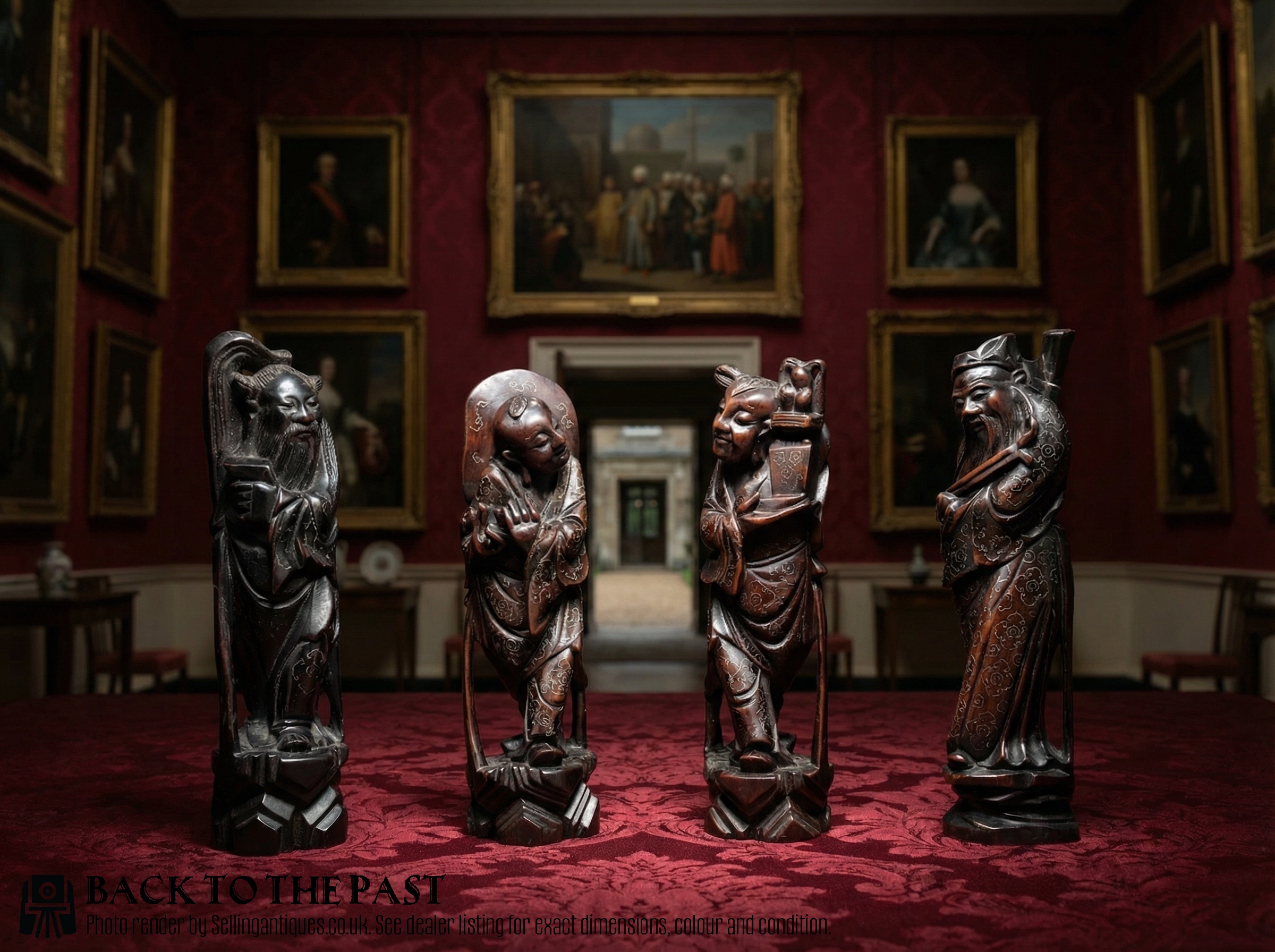
Carved Hardwood Immortal Statues
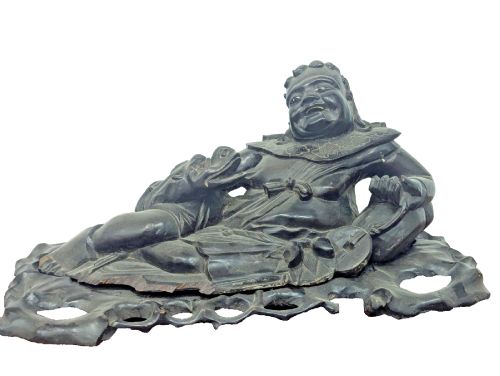
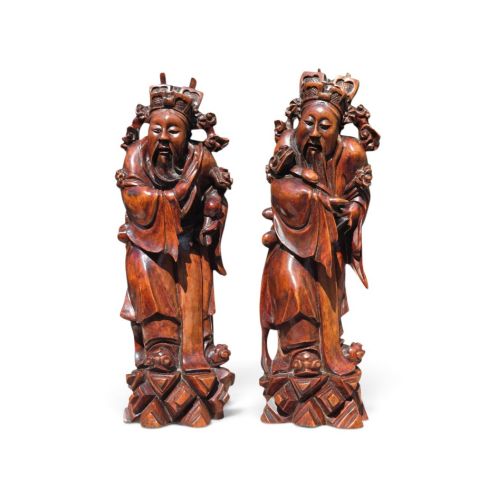
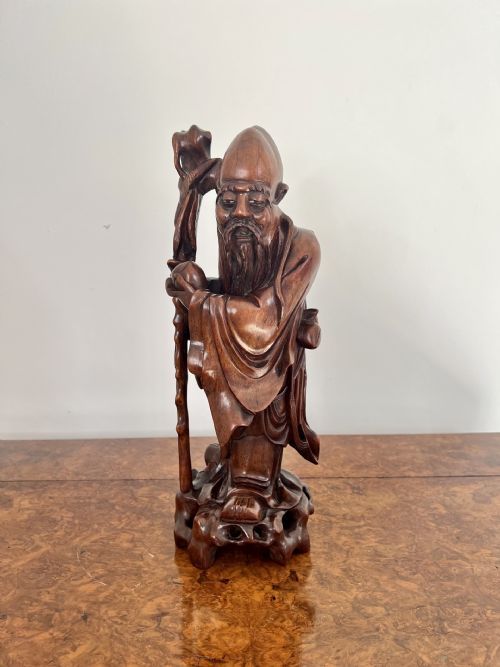
When you search for carved hardwood immortal statues, you are looking at figural sculptures that depict traditional figures, Daoist immortals, and laughing Buddhas. These pieces range from large single figures to monumental matched pairs and groups.
You are most likely to meet pieces originating from the Qing dynasty and the nineteenth century, including works from around nineteen hundred. They take the form of sculptures, statues, and root carvings, often accompanied by mythical creatures or elephants.
How they were made
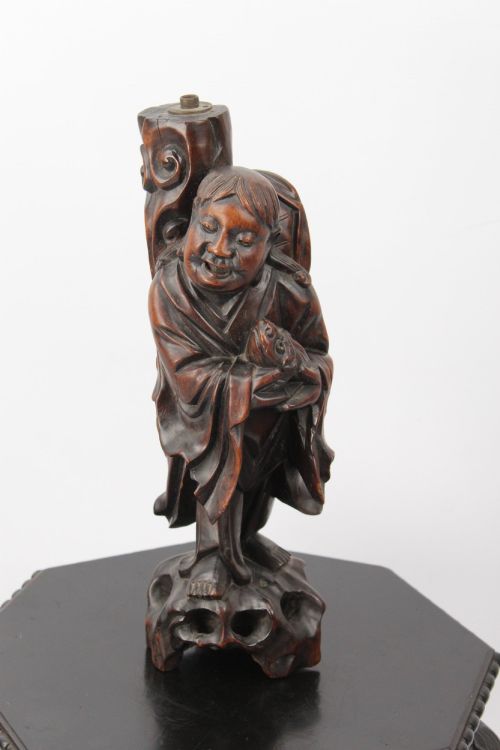
Maker's hands shape these sculptures from hardwood, rosewood, and root wood, utilising the natural grain and knots of the timber. Some examples incorporate brass elements alongside the carved wooden bodies.
The technique relies on subtractive carving directly into dense materials, allowing artisans to define facial expressions, flowing robes, and accompanying creatures with precision.
The recorded styles draw upon Qing dynasty traditions, Chinese art forms, and traditional carving techniques.
What varies in quality
Scale and composition also separate the range, as monumental matched pairs and large figural groups require greater timber selection and structural balance than smaller single carvings.
The Carved Hardwood Immortal Statues Glossary
- Daoist Immortal
- A legendary figure in Chinese tradition who has achieved spiritual enlightenment and physical longevity. These beings are frequently represented in traditional sculpture.
- Root Wood
- Timber taken from the root systems of trees, prized for its gnarled, twisting natural contours. Carvers work directly with these organic shapes to form figures.
- Qing Dynasty
- The final imperial dynasty of China, lasting from sixteen forty-four until nineteen twelve. Many traditional decorative arts originate from this extended period.
- Budai
- A historical monk often depicted as a stout, laughing figure associated with happiness and abundance. He appears frequently in Chinese sculpture.
Carved Hardwood Immortal Statues: Frequently Asked Questions
What are carved hardwood immortal statues?
These works are figural sculptures depicting traditional Chinese subjects, Daoist immortals, and Buddhas carved from dense timbers.
They reflect historical craftsmanship associated with nineteenth-century and Qing dynasty production.
How were these statues used?
Such figures served as devotional objects, symbols of fortune, or decorative works within traditional interiors.
Their presence brought narrative elements of folklore and spiritual tradition into domestic spaces.
How do you live with root carvings?
Placing these organic wooden sculptures in stable interior environments protects the timber from extreme changes in humidity.
Allowing sufficient space around large figures lets the complex grain and natural root contours remain visible.
How do you date nineteenth-century pieces?
Dating relies on assessing the tooling marks, the density of the hardwood, and the specific stylistic conventions of Qing dynasty art.
Comparisons with documented figures from periods such as the Jiaqing reign help narrow down the age of the carving.