




Antique Oriental Saddlebag
An antique oriental saddlebag brings nomadic tribal artistry into a modern room, offering dense wool textures and geometric patterns woven by nomadic makers.
Antique Oriental Saddlebag
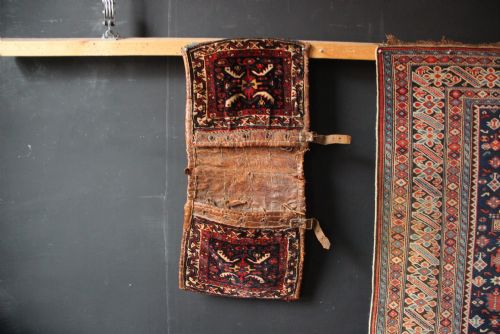
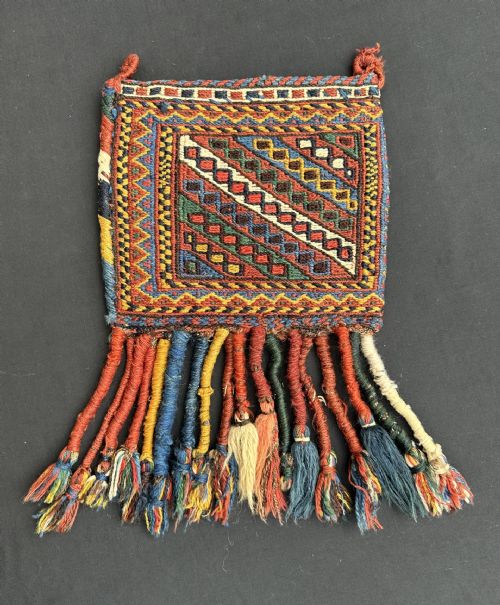
When you search for an antique oriental saddlebag, you examine practical nomadic storage pouches and utilitarian carrying gear created by tribal weavers across Persia, Anatolia, and the Caucasus. These utilitarian textiles served vital functions for transporting possessions during seasonal migrations, taking forms such as complete double saddlebags, half-saddlebags, bag faces, and vanity-bags.
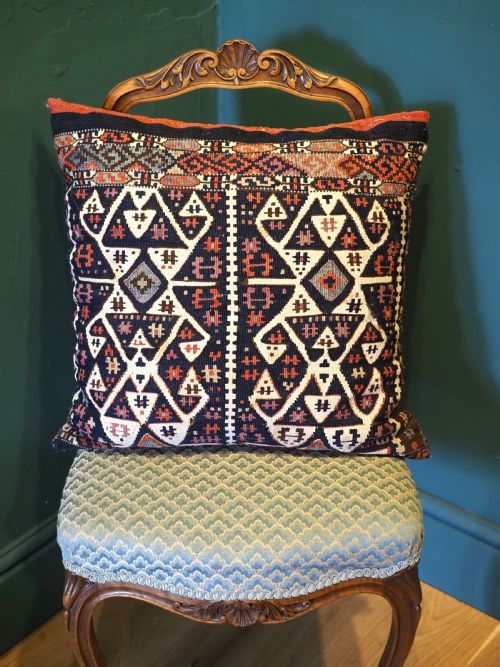
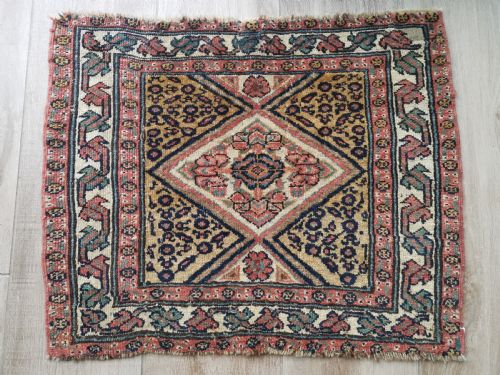
You are most likely to meet single bag faces or converted cushions on this page, as surviving complete double sets are considerably scarcer. The weaving traditions represented include Shahsevan, Afshar, Qashqai, Kurdish, Jaf Kurd, Khamseh, Luri, and Yuruk groups, each employing distinct regional motifs.
The physical format varies from flatwoven kilims and sumac structures to hand-knotted pile surfaces. Many surviving examples retain their original plain weave backs or leather elements, while others appear as cut fragments repurposed over time into decorative furnishings.
What varies in quality
The distinction between standard utility items and superior examples lies in the tightness of the weave and the precision of the tribal geometry. Finely knotted pile and crisp sumac work demonstrate greater technical mastery by the nomadic weaver.
Depth of colour and the stability of natural dye lots influence visual richness across the surface. Completeness also dictates standing, as pieces retaining original plain weave backs or intact structural sides hold greater historical integrity than isolated fragments.
Antique Oriental Saddlebag Retail Price Guide 2026
Typical asking prices for oriental saddlebag among the pieces listed under this phrase on Sellingantiques today, from the lower quarter to the upper quarter. They describe what is for sale here now, not the wider market.
Listings feature pieces utilising natural dyes, hand-spun wool, and cotton across flatwoven kilim, sumac, and pile-knotted structures.
Shahsavan Nomads·Afshar Nomads·Qashqai Tribes·Jaf Kurd·Luri Tribes·Khamseh Bag Face·Yuruk Nomadic
The Antique Oriental Saddlebag Glossary
- Bagface
- The decorative front panel of a storage pouch, which usually displays the primary design while the back remains plain.
- Khorjin
- The traditional Persian term for a double-sided saddlebag used for carrying personal belongings on animals.
- Sumac
- A supplementary warp-wrap weaving technique that produces a textured, ribbed surface without loose floating threads on the reverse.
- Heybe
- The Anatolian Turkish term equivalent to a saddlebag or carrying pouch.
- Boteh
- A stylised almond or paisley motif representing a floral spray or cypress tree, frequently seen in Persian tribal weaving.
Antique Oriental Saddlebag: Frequently Asked Questions
What are antique oriental saddlebags?
These pieces are functional textile pouches woven by nomadic and tribal groups in regions such as Persia and Anatolia. They functioned as pack animal luggage before being preserved as decorative interior objects.
Today, collectors appreciate them for their concentrated tribal designs and durable nomadic construction.
How were saddlebags used originally?
Nomadic families draped these heavy wool pouches across horses, camels, or donkeys to transport household goods during seasonal migrations. The paired compartments kept belongings balanced on the animal's flanks.
They stored grain, clothing, and domestic utensils while enduring harsh outdoor conditions.
How do I live with a saddlebag?
You can display these textiles flat on a wall, frame them as art, or place them on low surfaces as decorative accents. Many bag faces are also converted into durable floor cushions.
Keep them away from direct sunlight to protect the natural wool dyes from fading over time.
How do I tell tribal styles apart?
Regional groups utilised distinct colour palettes and structural techniques, such as Shahsevan sumac work or Afshar boteh motifs. Examining the weave density and wool preparation reveals specific workshop traditions.
Consulting structural traits like border patterns helps attribute pieces to specific areas like Kerman or Azerbaijan.